

It depends on the can: an empty aerosol spray paint can may go in household trash only if your municipal waste rules allow it, but a partially full can is household hazardous waste and never belongs in the bin.
Even a seemingly empty aerosol spray paint can may still contain propellant, a chemical substance used for pressurization, and residual paint, making it household hazardous waste. So when you ask, can you throw spray paint cans in the garbage, the answer depends on whether the can is truly empty and what your local disposal regulations say.
This article gives you a clear plan for handling aerosol spray paint cans correctly. You will learn how to tell an empty can from a partially full can, why puncturing a metal can is dangerous, and where to take cans for safe disposal or recycling. Follow these steps to avoid mistakes and get it done right the first time.
Can You Throw Spray Paint Cans in the Garbage? the 30-Second Answer
Empty and dry aerosol spray paint cans may go in household trash only if your local rules allow it. Partially full cans are household hazardous waste and never belong in the bin.
| Situation | What it means | What to do |
|---|---|---|
| Empty, dry can | No propellant or paint left | Check local rules; trash if allowed |
| Partially full can | Contains paint and propellant | Take to household hazardous waste |
| Can with leftover paint | Still under pressure | Never trash; use hazardous waste site |
| Unsure if empty | May still have propellant | Treat as hazardous waste |
| Rusted or damaged can | Explosion risk if punctured | Handle as hazardous waste |
| Empty can with loose cap | Cap can be a hazard | Secure cap or tape before disposal |
| Bulk garage cleanout | Many cans, mixed contents | Call municipal waste rules first |
Recommended for this job
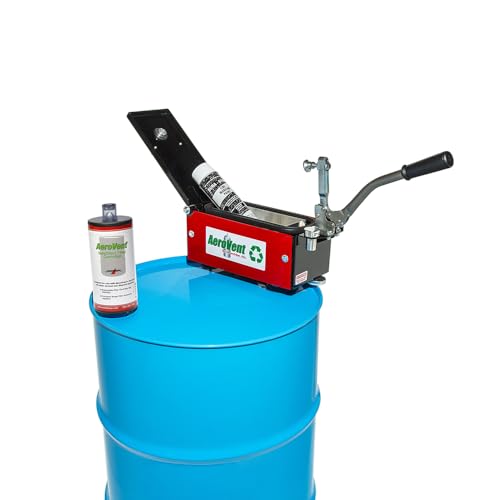
AeroVent Standard Aerosol Can Disposal System
Punctures and drains cans so they are empty before disposal, meeting many state rules.

10-Gallon Hazardous Waste Bags w/Twist Ties
Holds emptied cans as hazardous waste for proper disposal rather than regular trash.

Spray Paint Caps-New York Fat Cap-Spray
Replacement caps do not change disposal rules; cans still need emptying before garbage.
The Short Answer: Empty and Dry May Go in Trash, Only If Local Rules Allow
An aerosol spray paint can that is truly empty and dry can go in household trash only when your municipal waste rules permit it. Empty means no paint flows and no propellant remains. Call your city’s solid waste line or check the online disposal lookup before tossing, because curbside rules vary by city and county.
Household trash is the regular curbside garbage collected from homes, and only truly empty, locally approved spray paint cans belong in it.
Partially Full Cans Are Household Hazardous Waste, Not Trash
A partially full can holds paint and propellant, a chemical substance used for pressurization, so it is household hazardous waste: discarded material that qualifies as hazardous. Never put it in the bin. Take it to a household hazardous waste site or recycling center that accepts aerosol cans. Puncturing the metal can is dangerous and can cause an explosion risk.
Apply the 30-second Decision Rule Before You Toss Anything
Shake the can and listen for liquid or hiss. If you hear either, it is not empty. If nothing moves and the nozzle is clear, it may be trash, but confirm with your local disposal regulations first.
Local disposal regulations are the rules your city or county sets for what can go in the trash or recycling, so check them before disposing of any spray paint can.
When You Can't Just Toss Them: Exceptions and Limits
Cans That Still Spray or Slosh Are Banned from Curbside Trash
Shake the aerosol spray paint can. If you hear liquid sloshing or the nozzle still sprays, it stays out of household trash. Leftover paint and propellant (the chemical that pressurizes the can) make it flammable and an explosion risk in a garbage truck. Treat any partially full can as household hazardous waste and drop it at a local collection site or event.
States and Cities That Prohibit All Aerosol Cans in Trash
Some states and municipalities ban every aerosol spray paint can from curbside pickup, even an empty can, because municipal waste rules vary. Check your local disposal regulations before bagging anything. Many areas also exclude pressurized metal cans from curbside recycling, so call your recycling center first to confirm what they accept.
Bulk Studio and Automotive Quantities That Exceed Household Limits
Large volumes from a studio or auto paint project often exceed household hazardous waste limits. Many collection programs limit drop-offs per visit, so call ahead to confirm your local cap. Call ahead for bulk drop-off instructions. Never puncture or crush a can to empty it, since that raises the explosion risk.
Your Disposal Action Plan: from Shelf to Drop-Off
Disposing of an aerosol spray paint can correctly comes down to two questions: is it truly empty, and what does your local waste authority allow? Answer both before anything goes to the curb, and you avoid fines, fires, and rejected loads.
| Action | Why it helps | How to start |
|---|---|---|
| Municipal waste rules | Sets what can legally go curbside | Search your city or county waste site |
| Empty can test | Separates trash-safe from hazardous | Spray on cardboard for a few seconds |
| Household hazardous waste facility | Takes partially full cans safely | Use EPA or county locator tools |
| Retailer take-back | Free drop-off for accepted cans | Ask paint counter staff first |
| Curbside HHW pickup | Home collection for a fee | Book a pickup window |
| Safe storage | Prevents propellant fire risk | Keep cool, upright, away from heat |
| Metal can recycling | Scrap value once verified empty | Confirm your recycling center accepts them |
Sort every can before disposal day. A rattle can still holding paint or propellant counts as household hazardous waste, which is waste that behaves dangerously when discarded, and it cannot go in the household trash.
Step 1: Check Your Municipality’s Aerosol Can Rule
Rules vary by city and county, so confirm yours before bagging anything. Search your local waste authority’s site for aerosol cans, then note accepted items and drop-off hours.
Step 2: Test Whether the Can is Truly Empty
An empty can sprays nothing but air and hisses briefly when you press the nozzle. Test outdoors on cardboard; if paint or propellant still comes out, treat it as a partially full can and route it to household hazardous waste.
Step 3: Choose Free HHW Drop-Off, Paid Curbside Pickup, or Store Take-Back
Most communities offer at least one safe route for leftover cans. Find a household hazardous waste facility near you through your county or the EPA’s locator, check store drop-off and retailer take-back programs at paint counters, or book paid curbside pickup if your area offers it.
Step 4: Store Safely Until Disposal Day
Until drop-off, keep cans upright in a cool, dry spot away from heat, flames, and kids. Never puncture or crush a metal can, since pressure and flammable propellant create an explosion risk.
Myths vs Facts: Three Things People Get Wrong About Spray Paint Cans
Myth: Puncturing a Can Makes It ‘Empty’ and Safe
Never puncture, crush, or burn an aerosol spray paint can. A propellant is a chemical substance used for pressurization, and it stays inside even when the paint stops spraying. Breaking the metal can releases that gas and creates a fire and explosion risk. If a can still has pressure, treat it as hazardous.
Myth: All Empty Aerosol Cans Are Recyclable in Your Bin
Not automatically. Many curbside programs reject aerosol cans, so check your municipal waste rules first. If your program accepts them, the can must be truly empty, with no paint or propellant left. Otherwise, take it to a household hazardous waste facility or a recycling center that handles aerosols.
Myth: Throwing Out One Partially Full Can is No Big Deal
It is a big deal. A partially full can is flammable and can rupture in a garbage truck’s compactor. Household hazardous waste collection is the correct route for these cans, and it is usually free or low cost at scheduled drop-off events. Keep the can intact until you hand it over.
Is It Safe to Put Aerosol Paint Cans in the Regular Trash?
Safe Only When Empty, Dry, and Locally Permitted
Trash-safe disposal of an aerosol spray paint can is possible only if it is completely empty, the nozzle sprays nothing, and your municipal waste rules allow it.
Unsafe When Propellant or Leftover Paint Remains
A partially full can is not trash-safe. It still holds propellant, the chemical substance that pressurizes the can and pushes paint out, plus flammable solvents. Compacting trucks and heat can trigger an explosion risk, so keep these out of household trash.
Take partially full cans to a household hazardous waste site or a local collection event. Household hazardous waste means discarded items like household chemicals that need special handling. Never puncture or crush a can to empty it faster. That incision-style puncture is dangerous and can release pressurized, flammable contents.
What ‘Safe’ Means for Collection Crews and Trucks
Safe means nothing in your bin can ignite, pressurize, or injure the crew. A metal can, a sealed tin container used for food or liquids, is fine when truly empty and accepted locally. Some recycling centers take empty aerosol cans; curbside recycling depends on your local disposal regulations. When in doubt, use hazardous waste collection.
How to Tell If a Spray Paint Can is Truly Empty
Use these checks to confirm an aerosol spray paint can is spent before it goes anywhere near your household trash.
Shake and Listen for Sloshing Paint
A truly empty can makes almost no sound. Shake it hard for five seconds and listen for liquid slapping the sides.
Press the Nozzle: No Hiss Means No Propellant
The propellant is the pressurized gas that pushes paint out. Press the nozzle outdoors for two seconds; silence means the pressure is gone.
Check the Nozzle and Valve for Wet Paint or Clogs
Wet paint or crusty buildup signals leftovers. Inspect the nozzle opening and valve stem, then wipe them with a rag to see what remains.
Weigh It Against a Known-Empty Can If Unsure
Weight settles the question. Put the can on a kitchen scale and compare it to an empty can of the same size; a difference of an ounce or more means paint is still inside.
Use these checks to confirm an aerosol spray paint can is spent before it goes anywhere near your household trash.
When the Trash Answer Actually Works
Your City Accepts Empty Aerosol Cans Curbside
Check municipal waste rules first. Many US cities allow empty aerosol spray paint cans in household trash or curbside recycling, but rules vary. Check your city’s sanitation website or call the waste department. If curbside recycling takes steel, the empty metal can often goes there, steel is recyclable once truly empty.
The Can is Fully Depressurized and Dry
No propellant may remain. Spray until only air comes out, then let it sit with the nozzle off for a day or two. Confirm it is dry inside and out. A wet can with leftover paint belongs in household hazardous waste.
You’ve Removed and Binned the Plastic Cap Separately
Pull off the plastic cap and nozzle; they usually aren’t recyclable curbside, so put them in regular trash. Keep the bare metal can separate. Never puncture or crush an aerosol can, it creates a real explosion risk.
No Curbside HHW? Disposal Options for Apartment Dwellers
Find the Nearest County HHW Event or Permanent Site
Your county health or solid waste department usually runs household hazardous waste collection, which is waste that qualifies as hazardous when thrown out, like household chemicals. Look for a permanent site or a scheduled collection day. Most accept aerosol spray paint cans at no cost to residents, though some events run only a few weekends a year.
Ask Retailers About Take-Back and Mail-Back Programs
Some paint and hardware retailers host take-back bins, and a few offer mail-back kits for aerosol cans. Call the store first and confirm they accept a partially full can, since rules vary by location. Expect to pay a small fee for mail-back, typically a modest flat rate per box.
Coordinate a Drop-Off Run with Neighbors
Pooling cans with neighbors makes one trip worth the drive. Collect everyone’s aerosol spray paint cans in a sturdy box, keep them upright, and never puncture or crush a metal can. A sealed metal can holds flammable propellant, a chemical substance used for pressurization, so an explosion risk is real. Check local disposal regulations before you go.
Use It up First: Stretching Leftover Spray Paint Before Disposal
Finish a Project on Scrap Wood or Cardboard
Spray the remaining paint onto scrap wood or cardboard after shaking the aerosol spray paint can until it stops spraying.
Test the Can on a Practice Surface Before Storing
If the can still sprays, do a quick test pass on a practice surface before you decide to keep it. A can that sputters or sprays unevenly is a sign the nozzle or propellant is failing, so plan to use it soon rather than store it. Store only cans that spray cleanly, upright and away from heat.
Why Buying Only What You Need Cuts Disposal Hassle
Buying only the paint you need for a job means fewer partially full cans sitting in the garage. Leftover aerosol cans are flammable and carry an explosion risk if crushed or heated, so they belong with household hazardous waste, not household trash. Check municipal waste rules and your local recycling center before you buy in bulk.
Storing Spray Paint Cans Safely Until Disposal Day
Keep Cans Upright, Capped, and Away from Heat
Stand each aerosol spray paint can upright with its cap on. That keeps the valve clean and stops leftover propellant, the pressurized gas that pushes paint out, from leaking. Store cans in a cool, dry spot away from space heaters, furnaces, and direct sun.
Store Out of Reach of Kids and Pets
Put cans on a high shelf or inside a locked cabinet. A partially full can still holds flammable paint and propellant, and a child who shakes or sprays it can cause a fire or explosion risk. Treat it like any other household hazardous waste, meaning waste that qualifies as hazardous when discarded.
Avoid Garages That Hit High Summer Temperatures
Garages and sheds that bake in summer sun can push a can past its pressure limit. Heat raises internal pressure, and a metal can, a sealed container for liquids, may vent, leak, or burst. Move cans indoors to a climate-controlled space until disposal day, and check your local disposal regulations for drop-off options.
Common Mistakes That Cost Money or Cause Fires
Most disposal injuries and fines come from three avoidable habits. Skip them and you keep your garage, your hauler, and your wallet out of trouble.
Puncturing or Crushing Cans to ‘Empty’ Them
Never puncture, crush, or burn an aerosol spray paint can. A propellant, the chemical that pressurizes the can, stays inside even when the paint stops spraying, and a metal can under pressure can burst and throw debris.
Putting Partially Full Cans in the Recycling Bin
A partially full can does not belong in curbside recycling or household trash. Leftover paint and propellant make it flammable and an explosion risk in a compactor or truck, so route it to household hazardous waste, which is waste like household chemicals that qualifies as hazardous when discarded.
Ignoring Local Fines for Improper Disposal
Municipal waste rules vary, and penalties for putting hazardous items in the trash commonly run from about $50 to several hundred dollars per violation. Check your city or county page before you toss anything, and take questionable cans to a recycling center or hazardous waste drop-off.
- Never puncture, crush, or burn an aerosol spray paint can: pressure from the propellant can cause a burst.
- A partially full can is flammable and an explosion risk in a garbage truck or compactor.
- Keep partially full cans out of curbside recycling and household trash.
- Take leftover cans to household hazardous waste or a recycling center that accepts them.
- Municipal waste rules vary, and fines for improper disposal typically run from about $50 to several hundred dollars per violation.
- Check your city or county disposal page before tossing old cans.
When to Call a Pro: Warning Signs You Shouldn't DIY
You Have Bulk Studio or Automotive Clear Coat Cans
Call your local household hazardous waste program or a licensed disposal service once storing more than a handful of cans. Studios with bulk aerosol spray paint cans often cross into small-quantity generator territory under EPA rules, and automotive clear coat cans carry extra solvent and isocyanate hazards. Don’t treat leftovers like ordinary trash; a pro can confirm pickup, packaging, and paperwork.
A Can is Leaking, Rusted, or Bulging
Stop handling it and call a professional hazardous waste handler immediately. A bulging can means pressure has built up inside, and the propellant is flammable, so any puncture or squeeze can trigger an explosion risk. Keep it upright, away from heat and flames, warn others, and don’t move it in a closed vehicle.
You Need Documented Disposal for a Business
Hire a permitted hauler when your business needs a paper trail for aerosol spray paint can disposal. Municipal rules vary, and commercial operations usually can’t rely on curbside recycling or household hazardous waste drop-offs alone. Ask for manifests and receipts showing where the cans went.
- Storing more than a few cans from a studio or shop.
- A can is leaking, rusted, or bulging.
- You need disposal records for a business.
- You’re unsure whether local regulations allow the can in household trash.
Can You Throw Spray Paint Cans in the Garbage: Frequently Asked Questions
?Can You Throw Spray Paint Cans in the Garbage If They Are Completely Empty?
Yes, usually, but only if the aerosol spray paint can is truly empty and your municipal waste rules allow it. Empty means no product and no propellant pressure left, which is a chemical substance used for pressurization. Many areas still want the empty can at a household hazardous waste site or recycling center, so check local disposal regulations before tossing the metal can.
?Can You Throw Spray Paint Cans in the Garbage When They Still Have Paint Inside?
No, you cannot throw spray paint cans in the garbage when they still contain paint. A partially full can holds flammable paint and propellant, creating explosion and fire risks under heat or pressure in a garbage truck or landfill. Treat it as household hazardous waste and take it to a hazardous waste drop-off instead of your regular trash.
?How Do You Throw Spray Paint Cans in the Garbage Without Causing a Fire or Explosion?
You do not throw a can with pressure or leftover paint in the garbage at all. If it is empty, confirm no hiss and no product, then follow municipal waste rules for the metal can. Never puncture, crush, or burn it, because puncture and heat raise explosion risk. When in doubt, route it to household hazardous waste.
?is It Legal to Throw Spray Paint Cans in the Garbage in Most US Cities?
It depends on your municipal waste rules, and many cities say no for anything not fully empty. Aerosol spray paint cans with leftover paint or propellant are typically banned from household trash and curbside recycling. Check your city's rules or call the recycling center, then use household hazardous waste if they require it.
?When Can You Throw Spray Paint Cans in the Garbage Instead of Driving to a Drop-Off?
Only when the can is verified empty and your local disposal regulations explicitly allow empty aerosol cans in household trash. Even then, some areas prefer the metal can go to a recycling center. If you cannot confirm emptiness or the rules, treat it as household hazardous waste and drop it off.
?What Should You Do with a Partially Full Can Instead of Trying to Throw Spray Paint Cans in the Garbage?
Take it to a household hazardous waste collection site or a local disposal event. Use it up first on scrap wood or cardboard if you can, which reduces what you haul. Do not puncture it or leave it in a hot garage. Store it safely until disposal day, then hand it over as household hazardous waste.
?Does Your Curbside Recycling Accept Spray Paint Cans You Want to Throw in the Garbage?
Usually no. Curbside recycling programs often reject aerosol spray paint cans because of leftover propellant and explosion risk at the recycling center. Empty metal cans may be accepted in some programs, but confirm with your municipal waste rules first. If rejected, use household hazardous waste or a scrap metal drop-off.
Our Thoughts
So the short answer holds: an empty aerosol spray paint can might be acceptable in household trash, but only when your municipal waste rules say so, and a partially full can is household hazardous waste, meaning waste that qualifies as hazardous when discarded, and must never go in the bin. Leftover paint and propellant, a chemical substance used for pressurization, keep that can flammable and an explosion risk if compacted.
Your best next step is to call your local disposal authority or check its website for aerosol rules, then route a partially full can to a household hazardous waste drop-off or a recycling center that accepts it. Never puncture or crush the metal can to force it empty. Confirm pickup details before your garage cleanout day.
Sources and further reading: guidance from EPA, local household hazardous waste facility, municipal waste department.