
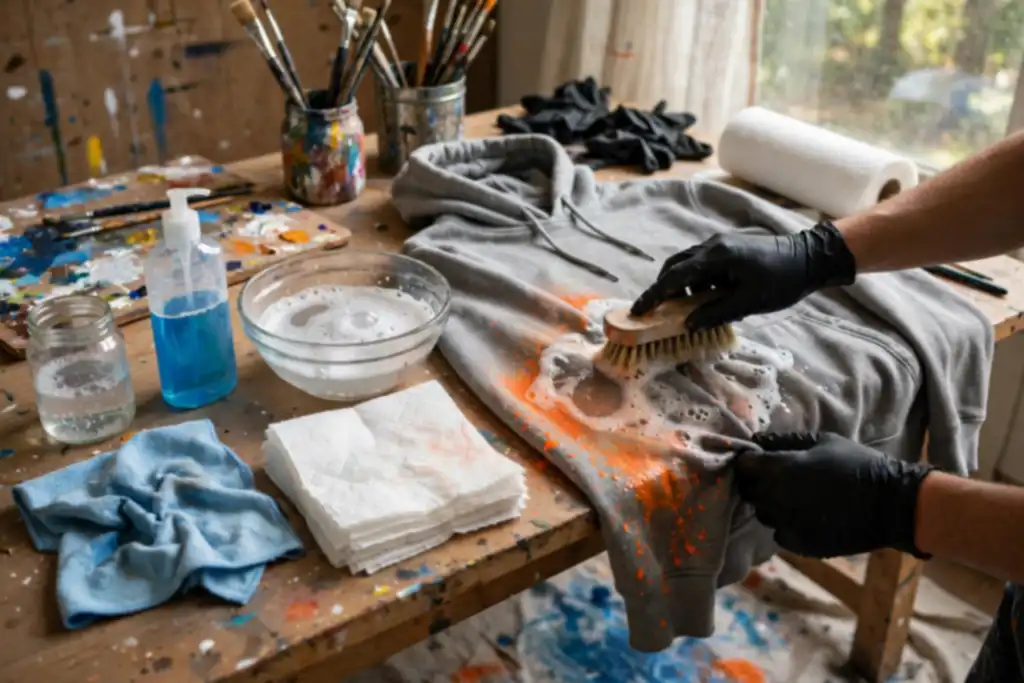
Blot the spray paint immediately with a clean cloth, then test a solvent on a hidden seam. Act fast, but never rub, because rubbing pushes paint deeper into the fabric and can ruin the garment.
A surprising number of spray paint stains set permanently because people reach for the strongest solvent first and drive pigment deeper into the fibers. The right approach for how to remove spray paint from clothing depends on the fabric, the paint type, and how fresh the stain is. You will learn which solvents work, how to test for colorfastness, and the mistakes that ruin garments.
Safety comes first: solvents like acetone, rubbing alcohol, and mineral spirits are flammable and produce fumes, so work in a ventilated area away from ignition sources. This article gives you a step-by-step stain removal process, from blotting to washing machine use and air dry, so you get it right once without damaging the cloth.
- Blot fresh spray paint immediately; never rub it into the fabric.
- Test any solvent on a hidden patch for colorfastness first.
- Use acetone, rubbing alcohol, or mineral spirits based on fabric type.
- Work in a ventilated area and wear gloves with solvents.
- Wash after treatment and air dry to avoid setting the stain.
How to Remove Spray Paint from Clothing: the Quick Decision Before You Start
Before you touch a solvent, make two quick calls: what the fabric is and whether the paint is still wet. Get those right and you avoid the two classic mistakes, spreading wet paint deeper into the weave or melting a synthetic fiber with a harsh chemical.
| Your situation | What to do | Why |
|---|---|---|
| Paint is still wet | Blot, don't rub, then scrape | Rubbing pushes pigment into fibers |
| Paint is dry and crusted | Scrape excess, then soften with solvent | Less solvent means less fabric damage |
| Fabric tag says dry clean only | Stop and call a professional cleaner | Home solvents can set or shrink it |
| Unknown fiber, synthetic blend | Test patch inside a hem first | Checks colorfastness before full treatment |
| Cotton or denim, fresh stain | Rubbing alcohol or mineral spirits | Both lift aerosol paint without bleaching |
| Stubborn dried enamel | Acetone on a test patch only | Strong solvent, melts some synthetics |
| Any treatment indoors | Ventilation, gloves, open window | Solvent fumes build up fast in closed rooms |
Recommended for this job
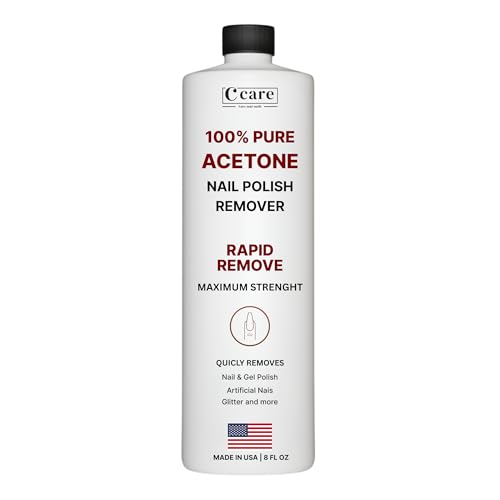
100% Pure Acetone Nail Polish Remover
Acetone dissolves fresh spray paint residue so it can be blotted off fabric.
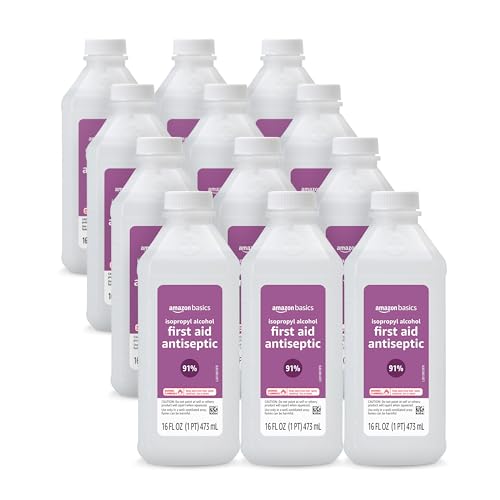
Amazon Basics 91% Isopropyl Alcohol First
Isopropyl alcohol softens light spray paint stains for gentle blotting from cloth.

KLEAN-STRIP Odorless Mineral Spirits
Mineral spirits break down dried spray paint for careful spot cleaning on clothing.
Two facts decide your method: the fabric and the paint formula. Check the care tag, then note whether the spray paint is aerosol or spray-gun. A solvent, meaning a substance that dissolves another material into a solution, behaves differently on cotton than on polyester.
Wet or Dry? Match the Method to the Moment
Wet paint lifts with blotting and a dull scraper; dry paint needs a solvent to soften it first. Work from the outside of the stain inward and swap cloths every 30 to 60 seconds so you lift pigment instead of spreading it.
Check the Tag Before You Touch the Stain
Run a test patch with acetone, rubbing alcohol, or mineral spirits on an inside hem, wait 10 minutes, then check colorfastness. Any color lift or fiber softening means stop. Dry-clean-only garments go to a professional, and always use gloves plus ventilation.
Ventilation means moving fresh air through your workspace so solvent fumes do not build up around you.
The 5-Minute Diagnostic: Fabric, Paint Formula, and Stain Age
Read the Care Label and Fiber Content
Check the care label for fiber content and any dry-clean-only warning before touching the stain. Acetate and triacetate dissolve in acetone, so route those garments to a pro. Cotton and polyester handle more scrubbing, but confirm the blend first.
Aerosol vs. Spray-Gun Paint: Why the Formula Changes the Solvent
Aerosol cans typically carry fast-drying lacquer, while spray guns shoot automotive or waterborne paint. Match the solvent to the formula: acetone or lacquer thinner for aerosol, mineral spirits for many oil-based gun paints. A solvent is any liquid that dissolves another substance into a solution, so pick one that targets the actual paint.
Is the Stain Still Tacky?
Press a clean white paper towel onto the stain for 10 seconds. If paint transfers, it is still tacky and blots up easily with rubbing alcohol. Cured paint bonds to fibers and needs patient repeated blotting of patient blotting.
The Inconspicuous-Area Test
Test every solvent on a hidden inside seam first. Apply one drop, wait 10 minutes, then blot with a white cloth. Any color lift or fiber damage means stop, switch solvents, or call a pro.
Run this five-minute check before you touch a solvent, because the wrong match can set a stain or melt a fiber.
How Solvents Lift Spray Paint Without Eating the Fabric
Dissolve, Lift, Then Wash
A solvent is a liquid that dissolves another substance, and here it softens the paint film so it releases from the fibers instead of bonding tighter. First, identify the fabric type and the spray paint formula, because acetone attacks acetate and triacetate, while mineral spirits suit oil-based coats on sturdy cotton. Check the care label and run a test patch on a hidden hem before any full application.
Apply solvent to a clean white cloth, then blot the stain from the outside in. Lift the loosened paint with a fresh cloth each pass, and finish with a wash cycle followed by air dry.
Why Heat and Scraping Come Before Scrubbing
Mechanical removal gets the bulk off before liquid touches it, so scrubbing never grinds pigment deeper. Let wet paint lift by blotting, then peel or scrape the raised layer with a dull edge, and use a warm iron over cardboard to lift residue from heat-safe fabric.
- Work outside or with strong ventilation, since solvent vapors build fast indoors.
- Confirm colorfastness before applying rubbing alcohol or acetone to visible areas.
- Skip the dryer until the mark is gone; heat sets whatever remains.
Before You Start: Solvents, Tools, and a Well-Ventilated Room
Flammable Solvents and Toxic Fumes: Non-Negotiable Safety
Acetone, rubbing alcohol, and mineral spirits are flammable and give off fumes. Work in a well-ventilated area and keep flames and sparks away. OSHA advises gloves and eye protection.
Gather: Acetone, Rubbing Alcohol, Mineral Spirits, Iron, Rags
Collect supplies first. Each solvent attacks different paint and fabric types. Have white rags, cotton swabs, a clean iron, and a test patch plan ready.
Dispose of Solvent-Soaked Rags Safely
Solvent-soaked rags can self-ignite. Never ball them up or toss them indoors. Spread them flat outside to dry, then follow local waste rules and EPA guidance.
- Ventilate before uncapping any solvent.
- Test a hidden seam for 10 minutes.
- Blot, don’t rub, to lift paint.
- Match solvent to paint type.
- Iron with a cloth barrier on low heat.
- Wash, then air dry to inspect.
- Dry rags flat outdoors, then dispose per rules.
- Ventilation first: open windows and run a fan before you uncap any solvent.
- Test patch: dab a hidden hem or inside seam and wait 10 minutes to check colorfastness.
- Blot, do not rub: press a solvent-dampened rag onto the stain to lift paint without damaging fabric.
- Match solvent to paint: acetone for tough enamel, rubbing alcohol for light overspray, mineral spirits for oil-based residue.
- Iron with care: place a clean cloth between the iron and fabric, and use low heat only after the stain loosens.
- Wash and air dry: run the garment through the washing machine, then air dry so you can inspect the stain removal before heat sets anything.
- Rag safety: dry solvent-soaked rags flat outdoors, then dispose of them per local hazardous waste rules.
Step-by-Step: How to Remove Spray Paint from Clothing
Test each solvent on a hidden seam before touching the visible stain; fabric type decides which solvent to use.
Scrape off Excess Wet Paint
Lift fresh paint before it cures. Hold fabric flat and scrape with a plastic spoon or dull knife at a shallow angle.
Blot with Acetone or Nail Polish Remover
Acetone breaks down most aerosol paint fast but can melt acetate and some synthetics. Check colorfastness on an inside seam, then blot with a white cloth, rotating every 30 seconds.
Use Rubbing Alcohol for Light Stains
Rubbing alcohol handles light overspray and fresh mist. Dab, don’t rub, from the stain edge inward.
Try Mineral Spirits for Oil-Based Spray Paint
Mineral spirits cut oil-based and spray-gun paint. Work outdoors or open a window, wear nitrile gloves, and blot small sections.
Apply Heat with an Iron and Cloth
An iron on low with a cotton cloth between it and the fabric softens residue so it lifts. Keep the iron moving and check every 10 seconds.
Wash with detergent, then air dry to confirm the stain is gone before machine drying.
Work through these steps in order, testing each solvent on a hidden seam before it touches the visible stain.
Second Path: Delicates, Denim, and White Garments
Treat fragile weaves, sturdy twill, and bleached cotton differently, the wrong solvent can strip dye or weaken fibers.
- Dab solvent on a hidden seam; wait 10 minutes to check colorfastness.
- Blot loosened paint with a white cloth, rotating to a clean spot each pass.
- Work ventilated with gloves; acetone and mineral spirits fumes build fast.
- Rinse with cool water and air dry fully before machine washing.
- Repeat blot-and-rinse up to three times before going professional.
- Skip the dryer until the stain is gone; heat can bond paint permanently.
Handle Delicate Fabrics Like Silk or Wool
Use rubbing alcohol, never acetone (it dissolves protein fibers). Test a hem, blot gently, air dry flat.
Remove Spray Paint from Denim
Apply mineral spirits with a soft brush; let sit 5-10 minutes. Blot, wash cold, air dry.
Remove Spray Paint from White Clothing
White cotton can take acetone; check for optical brighteners first. Blot, rinse, launder separately to avoid gray transfer.
Treat fragile weaves, sturdy twill, and bleached cotton differently, because the wrong solvent can strip dye or weaken fibers before the paint ever lifts.
Quick Checklist: Are You Ready to Treat the Stain?
Before you touch a solvent, confirm three things. Skipping any one of them is how garments get ruined or fumes get dangerous.
Fabric Identified and Test Patch Passed?
Know the fiber and the paint formula first. Cotton and denim tolerate more than acetate or rayon, and aerosol paint behaves differently from spray-gun enamel.
Ventilation and Gloves in Place?
Open a window and run a fan pulling air out. Solvent vapors build fast in small rooms, and nitrile gloves beat bare skin every time.
Right Solvent Matched to Paint Formula?
Match the remover to the paint, not the other way around. Acetone, rubbing alcohol, and mineral spirits each attack different formulas, so confirm before you blot.
- Fabric type confirmed: check the care tag before anything touches the cloth.
- Test patch done: apply solvent to an inconspicuous spot and check colorfastness after it dries.
- Paint formula known: read the can to see if it is aerosol, lacquer, or enamel.
- Ventilation running: fresh air moving through the whole time.
- Gloves and eye protection on: solvent splashes burn.
- Clean rags ready: blotting beats scrubbing on every fabric.
DIY vs. Professional Cleaning: What Each Actually Costs
DIY solvent cleaning usually runs $5 to $25 in supplies, while a pro cleaner typically charges $15 to $50 per garment. Your fabric and the paint type decide which path saves money without ruining the cloth.
| Option | Upfront cost | Ongoing cost | Notes |
|---|---|---|---|
| Acetone (small can) | $5 to $12 | Replace as needed | Flammable; test patch first |
| Rubbing alcohol (bottle) | $3 to $8 | Low; reusable | Gentle on most colorfast fabrics |
| Mineral spirits (quart) | $8 to $15 | Low; reusable | Needs strong ventilation |
| Commercial paint remover | $10 to $25 | Per project | Follow label; test patch |
| DIY total (one garment) | $5 to $25 | Time and rags | Assumes you own gloves |
| Pro dry cleaner (per item) | $15 to $50 | Per garment | Ask about solvent-based removal |
| Specialty fabric cleaner | $25 to $75 | Per garment | For delicate or lined pieces |
Costs are typical US ranges for one stained garment, assuming you already own basic gloves and rags. Pro rates vary by region and fabric; confirm solvent compatibility and colorfastness before committing.
Typical DIY Solvent and Supply Costs
Expect $5 to $25 for a solvent like acetone, rubbing alcohol, or mineral spirits plus rags and gloves. A solvent is a substance that dissolves the paint so you can blot it out. Buy only what the fabric can handle.
Professional Cleaner Rates and Assumptions
Most cleaners charge $15 to $50 per garment for stain removal, more for delicate or lined pieces. Confirm they use a solvent safe for the fabric and ask about colorfastness testing. Use commercial paint removers safely by following the label and ventilating the area.
Stain removal is the process of lifting paint from fabric with blotting, solvents, and washing while protecting the cloth.
When the Cost Tips Toward a Pro
Go pro when the garment is structured, lined, or dry-clean only, or when a test patch shows the solvent lifts color. One failed DIY attempt can cost more than the cleaning bill. For washable cotton, DIY usually wins on price.
Troubleshooting: When the Stain Won’t Budge or the Fabric Fades
When a spot survives your first pass, stop and diagnose before you escalate. Most failures come from the wrong solvent, heat that set the paint, or scrubbing that pushed pigment deeper into the weave.
| Problem | Likely cause | Fix |
|---|---|---|
| Paint set in after washing | Heat from dryer or hot water | Treat again with solvent, then air dry |
| Color bleeding at the edge | Solvent too strong or too much rubbing | Flush with cool water, blot, test patch first |
| Ring mark around the spot | Liquid spread past the stain | Work from outside inward, blot, do not pour |
| Fabric pills or thins | Hard scrubbing or abrasive brush | Blot only, use a soft cloth |
| Stain spreads wider | Too much solvent applied at once | Apply small amounts to a cloth, not the garment |
| Paint returns after drying | Residue left in fibers | Repeat blotting, then wash and air dry |
| Fabric fades or dulls | Solvent attacked the dye | Stop, rinse, check colorfastness on a hidden seam |
Paint Set in After Washing?
Heat is what locks spray paint into fabric, so skip the dryer until the spot is gone. Reapply a small amount of solvent, blot, and air dry.
Color Bleed or Ring Marks
Bleeding means the solvent is too aggressive or you rubbed too hard. Flush with cool water, blot gently, and always run a test patch on a hidden seam first.
Commercial Paint Removers: Use Them Safely
Buy a remover labeled for your fabric type and follow the manufacturer’s directions exactly. Work outdoors or with strong ventilation, wear gloves, and never scrub hard, since abrasion drives pigment deeper and damages cloth.
Myths vs. Facts About Spray Paint on Fabric
Myth: Scrubbing Harder Lifts Paint Faster
Aggressive scrubbing pushes paint deeper into the weave and fuzzes the fibers, so you end up with a permanent smudge plus a damaged garment. Blotting with a clean white cloth and the right solvent does the work; your hands just guide it. Press, lift, and rotate the cloth to a clean spot before pressing again.
Myth: Hot Water Alone Dissolves Spray Paint
Hot water softens some fresh water-based paint but won’t dissolve cured aerosol or spray-gun paint, which is designed to resist moisture. Worse, heat can set the pigment before you treat it. Keep water warm, not hot, and reach for a solvent matched to the paint type first.
Myth: All Solvents Are Safe on All Fabrics
Acetone melts acetate and some synthetics, while mineral spirits can leave an oily residue on lightweight cloth. Always run a test patch on an inconspicuous area, like an inside hem, and let it dry fully to check colorfastness. Work with ventilation, and keep flames and sparks away from any solvent.
Common Mistakes That Set the Stain or Ruin the Garment
Most ruined garments are lost to technique, not the paint itself. Avoid these errors and your fabric has a real chance.
Scrubbing Too Hard and Pushing Paint into Fibers
Aggressive scrubbing drives pigment deeper and frays the weave. Blot with a white cloth and let the solvent lift the paint instead.
Skipping the Test Patch
Every solvent can alter dye, so test a hidden seam first. Check colorfastness after it dries, not while wet.
Tumble Drying Before the Stain is Gone
Heat sets paint permanently. Air dry the garment, inspect it in good light, and only then use the washing machine or dryer.
Prevent Future Spray Paint Stains
Wear dedicated coveralls and keep solvent and clean rags within reach. Work upwind with ventilation, and peel off contaminated clothing before you walk indoors.
- Blot, don't scrub: pressure pushes pigment into fibers and damages cloth.
- Test patch first: confirm colorfastness on a hidden seam before applying solvent.
- Air dry and inspect: heat sets paint, so check the garment before tumble drying.
- Ventilate: use acetone, rubbing alcohol, or mineral spirits with fresh airflow.
- Prevent stains: wear coveralls and remove contaminated clothing before going inside.
When to Take the Garment to a Professional Cleaner
Delicates, Dry-Clean-Only, and Vintage Fabrics
Silk, wool, rayon, and dry-clean-only items need a professional, solvents can shrink, bleed, or ruin their finish. Vintage pieces add fragile seams and unknown dyes; pros test colorfastness and use gentler methods.
Large or Set-In Stains on Expensive Garments
If paint covers more than a few square inches or has dried hard, stop, home blotting can spread stains or leave rings on costly garments. Pros have equipment and insurance; cleaning typically costs $15, $60.
Warning Signs: Fumes, Flammability, and Fading
Pause or call a pro if:
- Solvent fumes cause dizziness or headaches, even with a window open.
- The label warns against acetone, alcohol, or dry cleaning.
- A test patch shows color lifting or stiff weave.
- The garment is flammable or flame-retardant.
- Paint has bonded for weeks and won’t budge.
Work in a well-ventilated area and follow OSHA solvent guidance if unsure.
How to Remove Spray Paint from Clothing: Frequently Asked Questions
?Can You Remove Spray Paint from Clothing After It Has Fully Dried?
Yes, but it takes more work. Fully cured spray paint bonds tighter to the fabric, so you will likely need a stronger solvent like acetone or mineral spirits plus more blotting time. Start with a test patch on a hidden seam to check colorfastness before you commit to the whole stain.
?How Do I Remove Spray Paint from Clothing Without Ruining the Fabric?
Test first, then work from mild to strong. Blot with rubbing alcohol on a hidden patch, and only move up to acetone or mineral spirits if the fabric stays colorfast. Never scrub hard, never use heat to dry, and always air dry so you can confirm the stain is gone before the washing machine locks it in.
?Why Does Blotting Matter so Much When You Remove Spray Paint from Clothing?
Blotting lifts paint off the surface instead of grinding it deeper into the fibers. Rubbing spreads the stain, pushes pigment into the weave, and can fray the fabric. Press a clean white cloth onto the stain, let the solvent work, and lift straight up. Repeat with a fresh section of cloth each time.
?What Solvent Should I Use to Remove Spray Paint from Clothing?
Match the solvent to the paint and the fabric. Rubbing alcohol handles many fresh aerosol stains, acetone cuts tougher paint but melts acetate and some synthetics, and mineral spirits work well on oil-based spray paint. A solvent is a substance that dissolves another substance, so always test patch and ventilate the room.
?is It Safe to Put Spray-Painted Clothing in the Washing Machine Right Away?
No. Wash only after the solvent has lifted the visible paint and the fabric has been tested. Running paint through the washing machine can spread it to other garments and set it with heat. Blot, treat, air dry, then wash on the coolest setting the care label allows.
?How Can I Remove Spray Paint from Clothing When the Stain Will Not Budge?
Change one variable at a time. Try a longer solvent dwell time, a different solvent, or gentler mechanical lifting with a soft brush. If the fabric starts fading, stop. Persistent stains or delicate garments are worth a professional cleaner who can weigh stain removal against colorfastness.
?When Should I Skip DIY and Let a Pro Remove Spray Paint from Clothing?
Skip DIY on silk, wool, dry-clean-only pieces, or anything with sentimental value. Also stop if your test patch shows color loss or the fabric weakens. A professional cleaner has solvents and experience you do not, and one ruined garment costs more than the cleaning fee.
Conclusion
Speed and caution are what protect the garment. Fresh spray paint lifts more easily, and a test patch on a hidden seam tells you whether acetone, rubbing alcohol, or mineral spirits will harm the fabric before you commit. A solvent, meaning a liquid that dissolves another substance, can strip dye or melt synthetics, so colorfastness checks and ventilation are not optional.
Your next step: gather your supplies, test in an inconspicuous spot, then work from the gentlest solvent up. Blot, don’t scrub, and air dry before machine washing so you can inspect the stain.