
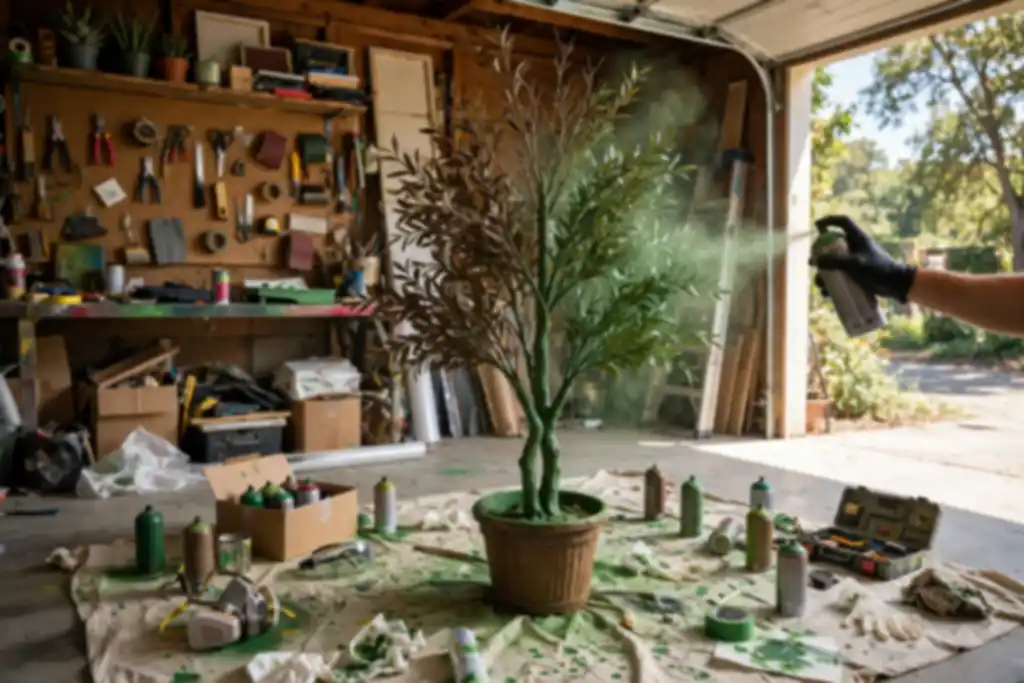

Yes, you can spray paint an artificial tree, but only if you use the right primer and paint for plastic or fabric, or the finish will flake and peel.
The most common mistake is skipping primer and spraying straight onto plastic or fabric, which often leads to poor adhesion and a finish that peels within weeks. If you are wondering can you spray paint an artificial tree, the answer is yes, but only with the right prep and paint for the material. This article gives you a straight-talking safety check and a mistake-proof process so you get a durable result the first time.
You will learn how to identify your tree’s material, choose a compatible primer and spray paint, set up ventilation and a respirator, and protect surrounding areas with painter’s tape and a drop cloth. We cover drying time, flexibility, and the specific risks of coating plastic and fabric leaves or needles. Follow these steps to avoid melting, flaking, or a patchy finish.
Can You Spray Paint an Artificial Tree? the Straight Answer
Yes, you can spray paint an artificial tree, but it only works when the surface and the paint match. Skip the prep and you get flaking color, stiff needles, or a finish that never cures. Do it right once and the tree looks new for years.
| Situation | What it means | What to do |
|---|---|---|
| Plastic needles or leaves | Slick, non-porous surface | Clean, scuff lightly, use primer |
| Fabric leaves or flowers | Porous and absorbent | Light coats, avoid soaking |
| Tree with flocking or snow | Loose coating on top | Brush off loose bits first |
| Painted or glossy tree | Old finish blocks adhesion | Sand lightly, then prime |
| Tree you plan to flex | Paint can crack when bent | Use flexible paint, thin coats |
| Indoor use only tree | Fumes linger in closed rooms | Cure fully, ventilate well |
| Outdoor decorative tree | Sun and rain test the finish | Seal with clear topcoat |
Recommended for this job

Rust-Oleum Painter's Touch 2X Ultra Cover
Oil-based spray bonds to plastic and metal tree surfaces for durable color coverage.

AirGearPro G-500 Reusable Respirator Mask
Reusable respirator filters organic vapors and dust while spray painting artificial trees.

4 Rolls Premium Painters Tape
Masking tape protects branches, trunk, and base areas from overspray during painting.
What Spray Painting an Artificial Tree Actually Involves
It means coating a fake tree with aerosol color, and the job lives or dies on prep. Wipe each branch with a damp cloth and mild soap, then mask the trunk or base with painter’s tape and lay a drop cloth. Apply a bonding primer made for plastic or fabric; that preparatory coating helps the color stick.
Adhesion, the bond between paint and surface, is the whole ballgame on plastic. Most plastic resists paint, so a bonding primer is not optional. Work in ventilation with a respirator, keep cans 8 to 12 inches from the surface, and allow 24 to 48 hours of drying time before handling.
Which Trees Take Paint and Which Fight Back
Plastic and fabric trees both accept spray paint but behave differently. Fabric drinks paint and can stiffen after two light coats. Plastic sheds paint unless you prime and scuff first with 220-grit sandpaper.
- Needles and leaves: hold paint better in three thin coats than one heavy pass.
- Flexibility: keep the tree bendable or the finish cracks at the branch joints.
- Flocking: loose snow coating blocks adhesion, so brush it off with a soft brush.
The Short Answer Before You Buy a Can
Buy a bonding primer and paint labeled for plastic or fabric, then test a hidden branch first. If the paint flakes after a day, stop and switch products.
Your Step-by-Step Game Plan Before the First Coat
Before you shake a single can, walk through four steps. They keep the paint stuck, the mess contained, and the fake tree looking good instead of crunchy or patchy.
| Action | Why it helps | How to start |
|---|---|---|
| Identify material | Sets paint and primer choice | Check tag or test hidden spot |
| Clean surfaces | Removes dust and oils blocking adhesion | Wipe with mild soap, rinse, dry fully |
| Tape off trunk and base | Keeps paint off parts you want untouched | Wrap with painter's tape, protect floor |
| Apply primer | Gives spray paint a surface to grip | Light coats, let flash off between |
| Spray in thin passes | Prevents drips and keeps leaves flexible | Hold 8 to 12 inches, move steadily |
| Let cure fully | Stops tackiness and flaking later | Wait 24 to 72 hours depending on humidity |
Step 1: Identify the Material (Plastic, Fabric, or Mixed)
Check the tag or test a hidden spot first. Plastic and fabric leaves need different primers, so knowing what you have prevents peeling later.
Step 2: Clean, Dry, and Tape off What Stays Unpainted
Wash with mild soap, rinse, and let it dry completely. Wrap the trunk and base in painter’s tape, then set a drop cloth underneath.
Step 3: Prime for Grip, Then Paint in Thin Passes
Primer is a preparatory coating that helps paint stick to slick surfaces. Apply light coats, then spray paint in thin passes 8 to 12 inches away, keeping leaves and needles flexible.
Step 4: Let It Cure Fully Before Handling
Drying time runs a few hours, but full cure takes 24 to 72 hours depending on humidity. Work in ventilation with a respirator and keep the tree untouched until then.
Three Myths About Painting Fake Trees, Corrected
Myth: Spray Paint Melts Every Plastic Tree
Some cheap plastics soften or wrinkle when solvent-based paint hits them, while others stay firm. Spray a hidden branch first and check it after the full drying time, usually 24 to 48 hours. A primer made for plastic, a preparatory coating applied before color, improves adhesion, which is how the paint sticks to the surface.
Myth: One Can Covers a Full-Size Tree
Coverage depends on needle density, so buy more than you think. A dense 6-foot tree typically needs 3 to 5 cans, while a sparse 7-footer may take 2 to 3. New trees run $80 to $300, so painting at roughly $25 to $60 in supplies saves money only if you stock enough cans up front.
Myth: Painted Needles Stay Soft and Flexible
Paint adds a rigid layer, so heavily coated needles can stiffen and crack when bent. Two or three light coats keep flexibility better than one heavy pass, and fabric leaves absorb paint differently than plastic ones. Work with a respirator for mechanical ventilation, lay a drop cloth, and tape off the trunk with painter’s tape.
Is It Safe to Spray Paint a Fake Christmas Tree?
Fumes, Flammability, and Indoor Use
Spray paint is safe on a fake tree only when you control fumes and keep ignition sources away. Most aerosol paints release strong solvents, and some formulas are flammable until fully dry, so treat the work area like a hazard zone.
Work outdoors or in a garage with the door open. A respirator rated for organic vapors protects your lungs, and ventilation clears the air faster than a fan alone.
What to Do When the Tree Lives Indoors
Do not paint a tree inside your living space. Move it to a well-ventilated spot, lay a drop cloth, and tape off lights or hardware with painter’s tape.
Let the tree dry outside for the full drying time on the can, typically 24 to 48 hours, before bringing it back in. Plastic and fabric leaves hold solvent longer than you expect.
Signs You Should Stop and Ventilate
Stop immediately if you feel dizzy, get a headache, or smell strong solvent after the paint looks dry. Those are signs the space needs fresh air and the piece needs more drying time.
Check the label for the manufacturer’s safety data, and follow EPA and OSHA guidance on solvent exposure. Never paint near open flames, and keep children and pets out until the tree is fully cured.
When Spray Painting an Artificial Tree Doesn't Work
Trees with Heavy Flocking or Glitter Coatings
Skip spray painting on trees with heavy flocking or glitter. Flocking is a fiber coating that often lifts or clumps when fresh paint hits it, and glitter sheds into your finish. You will end up with a patchy, uneven surface that no amount of extra coats fixes.
If the coating is light, test one hidden branch first. If it crumbles or flakes, stop there.
Delicate Fabric Leaves That Stiffen and Crack
Thin fabric leaves are the riskiest surface for spray paint. Most fabric is a fiber material, and solvent-based paint soaks in, dries stiff, and cracks when the leaf flexes. You lose the soft drape that made the tree look real.
Use a flexible paint made for fabric, or leave these trees alone. Test a single leaf and check flexibility after full drying time, usually 24 hours.
Trees Already Peeling or Brittle from Age
An old tree with peeling coating or brittle plastic is not worth painting. New paint needs sound adhesion, the bond between paint and surface, and there is nothing solid left to grip. It will flake off within weeks.
Check the trunk and branch joints for cracks. If they snap under light pressure, replace the tree instead of coating it.
Pick the Right Can: Spray Paint for Plastic or Fabric Leaves
Bonding Paints Made for Plastic
Use a spray paint labeled for plastic, ideally one that bonds chemically to the surface rather than just sitting on it. These formulas are built for adhesion, which is simply how well two different materials stick together. Look for cans that name plastic, vinyl, or polyethylene on the label.
Apply a primer first. A primer is a preparatory coating that gives the paint something to grip, and on slick plastic it makes the difference between a finish that lasts and one that flakes. A light coat is enough, and drying time typically runs 24 to 48 hours depending on humidity.
Flexible Paints for Fabric Foliage
Fabric leaves and needles need a flexible paint, because a rigid film will crack the moment the branch bends. Choose a paint marketed for fabric or a flexible plastic coating, and test a hidden leaf first. Keep coats thin so the material stays soft.
Why Generic Enamel Can Fail on Polyethylene
Standard enamel often fails on polyethylene and similar plastics because it lacks the solvent system needed to bite into the surface. The result is peeling within weeks, especially outdoors. Check the can for plastic compatibility before you buy, and skip anything that only lists metal or wood.
Paint vs. Replace: a Decision Rule for Old Fake Trees
Score the Tree on Material, Condition, and Size
Before you buy anything, check what the artificial tree is made of. Plastic branches and fabric leaves take spray paint differently, and a light dusting of primer improves adhesion, the bond that keeps paint stuck to a slick surface. Skip trees with peeling coatings or brittle needles, since new paint will flake right off with the old finish.
Run the Cost-Benefit Math (Paint, Primer, Sealer vs. New)
Add up your supplies before you commit. A typical repaint runs roughly $25 to $60 for primer, two or three cans of spray paint, sealer, painter’s tape, and a drop cloth, depending on tree height and how many coats the surface needs. Compare that to a replacement tree, which usually costs $80 to $300 or more for a comparable size.
When Painting is the Smarter Spend
Paint wins when the tree is structurally sound and you want a color change or a refresh. If the frame is bent, half the needles are gone, or the finish is crumbling, replacement is the better buy. Painting a failing tree just buries the problem under a coat that will not last.
How to Spray Paint an Artificial Tree Without Ruining It
Work through these steps in order and your fake tree will take paint cleanly instead of flaking or melting.
Clean Every Needle and Let It Dry Completely
Paint will not stick to dust, oils, or old glitter. Wipe every needle and leaf with a damp cloth and mild dish soap, then let the tree air dry completely.
Tape or Bag the Trunk, Base, and Lights
Protect the parts you want to keep bare. Wrap painter’s tape around the trunk and base, and bag the lights with plastic film before you spray.
Prime in Light Coats and Let Tack up
Primer is a preparatory coating that gives paint something to grip. Mist a light coat of primer made for plastic and fabric, then wait 15 to 30 minutes until it feels tacky.
Spray in Thin Passes from 8 to 12 Inches
Heavy coats pool and crack on flexible leaves. Hold the can 8 to 12 inches away and spray thin passes, rotating the tree so coverage stays even.
Seal the Paint Once Fully Cured
A clear topcoat keeps color from rubbing off on hands and boxes. Let the paint cure 24 to 48 hours in a ventilated space before you seal it with a clear matte coat.
Work through these steps in order and your fake tree will take paint cleanly instead of flaking or melting.
Keeping a Painted Artificial Tree Looking Fresh
Handle Gently for the First Few Days
Treat the tree as fragile for at least 48 to 72 hours after the last coat. Spray paint on plastic and fabric leaves needs that window to cure, and full hardness can take up to a week depending on humidity.
Keep hands off the branches and don’t hang ornaments or lights until the finish feels dry and non-tacky. If you must move it, grip the trunk or base, not the needles or leaves.
Touch up Worn Spots with the Same Can
Save the can you used so touch-ups match exactly. Keep a note of the brand and color, since a different batch can read slightly off against your original finish.
Lightly scuff any chipped area, then apply thin passes rather than one wet coat. Thin layers protect adhesion and keep the texture from looking gummy.
Store It to Protect the New Finish
Store the tree in a breathable bag or the original box once it’s fully cured. Seal it too tightly and trapped moisture can soften the paint or encourage mildew.
Keep it out of hot attics and direct sun, which stress the coating over time. A cool, dry spot preserves both the color and the flexibility of the branches.
When Spray Painting an Artificial Tree Works Best
Indoor Trees You Can Move Outdoors to Paint
Yes, this is the easiest win. If your artificial tree is small enough to carry, take it outside, set it on a drop cloth (a protective sheet that catches overspray), and work in daylight.
Warm, dry days in the 60 to 80°F range give the best adhesion, which is how well the paint sticks to the surface. Skip humid or windy days, since both hurt the finish.
Outdoor Trees That Need a UV-Resistant Topcoat
Large outdoor trees can be painted in place, but only with a UV-resistant topcoat over the color coat. Sunlight fades standard spray paint fast, and plastic and fabric leaves break down without that protection.
Tape off trunks and bases with painter’s tape (removable tape that peels clean), and keep a respirator (a mask that filters fumes) on during the whole job. Ventilation matters just as much outside, so stay upwind.
Small Plants and Artificial Flowers for Quick Color Swaps
Artificial flowers and small plants are the safest candidates for a fast color change. A light coat of primer (a base coating that helps paint bond) keeps colors true, then spray paint in thin passes.
Allow the stated drying time between coats, usually 15 to 30 minutes, and check flexibility afterward. Stiff, heavily coated leaves can crack when bent, so keep layers thin.
Common Mistakes That Wreck a Painted Fake Tree
Skipping Primer on Slick Plastic
Paint peels off bare plastic fast. A primer, a preparatory coating that helps paint bond, gives adhesion, the grip between paint and surface, on slick plastic and coated fabric.
Heavy Coats That Pool and Stiffen Needles
Thick passes clog detail and glue needles and leaves together. Mist light coats instead, keeping flexibility so branches still move.
Painting in Humid or Cold Conditions
Cool, damp air slows drying time and dulls the finish. Spray outdoors or in a garage above roughly 50°F with ventilation, and wear a respirator.
Forgetting a Sealer on Outdoor Trees
Sun and rain strip unprotected color within a season. A clear sealer locks the paint in and keeps the finish from chalking.
- Skipping primer on slick plastic: bare plastic and coated fabric shed paint, so prime first for adhesion.
- Heavy coats that pool and stiffen needles: light misted passes preserve flexibility and detail.
- Painting in humid or cold conditions: damp, cool air extends drying time and dulls the finish; work above about 50°F with ventilation and a respirator.
- Forgetting a sealer on outdoor trees: a clear topcoat protects color from sun and rain.
- Skipping painter's tape and a drop cloth: mask trunks and bases first so overspray does not ruin them.
When to Call a Pro Instead of Grabbing a Can
Large or High-Value Trees Worth Professional Refinishing
Tall, heavy, or expensive trees are hard to coat evenly by can, and a botched job wastes money. Pros have airbrush and brush-on options for clean coverage.
Indoor Jobs with Poor Ventilation or Fire Concerns
Spraying indoors without strong airflow is unsafe; fumes build fast and a respirator plus windows may not suffice. Work outside or in an open garage, or hire a pro with a controlled space.
Trees You Want Restored, Not Just Recolored
Restoration requires matching original tones and fixing worn spots. Brittle, cracked, or shedding leaves won’t be saved by paint; a pro can assess whether refinishing or replacement makes sense.
- Stop if too tall or heavy to coat evenly by hand.
- Stop if you can’t spray outdoors or ventilated.
- Stop if fumes persist indoors despite a respirator.
- Stop if leaves are brittle, cracked, or falling off.
- Stop if you need color matching or restoration.
- Stop if high-value and adhesion test worries you.
Can You Spray Paint an Artificial Tree: Frequently Asked Questions
?Can You Spray Paint an Artificial Tree That Has Plastic Needles?
Yes, but plastic needs the right prep. Plastic is a synthetic material that resists adhesion (how well paint sticks), so clean it with rubbing alcohol and apply a primer made for plastic. Without primer, spray paint will flake off. Use light coats and let each coat dry fully. This gives you a durable finish without melting or damaging the needles.
?Can You Spray Paint an Artificial Tree with Fabric Leaves?
Yes, you can spray paint an artificial tree with fabric leaves, but use a flexible paint made for fabric. Fabric leaves move and bend, so stiff paint will crack and flake. Apply several thin coats instead of one heavy layer, keep the can moving, and let each coat dry fully. Test a hidden leaf first to confirm adhesion and flexibility before painting the whole tree.
?How Do You Spray Paint an Artificial Tree Without Ruining It?
Prep is everything. Set up ventilation (open air or fans), wear a respirator (a mask that filters fumes), and lay a drop cloth (a protective sheet) under the tree. Use painter's tape (removable tape) to mask the trunk or base. Clean the leaves and needles, apply primer, then spray light, even coats. Rushing causes drips and poor adhesion.
?Can You Spray Paint an Artificial Tree that's Already Painted?
Yes, but you must test first. Existing paint can react with new spray paint, causing wrinkling or peeling. Clean the surface, then spray a small hidden area and wait 24 hours to check for compatibility. If it's stable, scuff lightly and apply a primer. If it wrinkles, remove the old paint or choose a different product.
?What Spray Paint Should You Use on an Artificial Tree?
Use a paint made for plastic or fabric, depending on your tree. For plastic, choose a paint with built-in primer or apply a separate plastic primer. For fabric, use a flexible fabric spray paint. Avoid general-purpose enamel on plastic, it may not adhere. Always check the label for the material you're painting and follow drying time instructions.
?Why Does Spray Paint Crack or Peel on an Artificial Tree?
Cracking and peeling usually mean poor adhesion (the paint didn't stick) or too-thick coats. Plastic and fabric need proper cleaning and primer. Spraying too heavy a coat prevents proper drying and flexibility, causing cracks when the tree moves. Always apply thin, light coats and let each coat dry completely before adding more.
?When is It Unsafe to Spray Paint an Artificial Tree Indoors?
It's unsafe indoors without strong ventilation. Spray paint fumes are toxic, so work outside or in a garage with fans. Always wear a respirator (a mask that filters fumes) and keep away from flames. If you must work inside, use a spray booth and open windows, but outdoor spraying is safer and avoids overspray on walls and furniture.
Our Thoughts
Painting a fake tree works, but only when the surface is prepped for adhesion, the interaction that makes dissimilar surfaces stick together. Skip the primer, a preparatory coating applied before paint, and the finish will flake off plastic or fabric leaves and needles within weeks. Match your spray paint to the material and test a hidden branch first.
Your smartest next step: set up outdoors or in a garage with strong ventilation and wear a respirator, a device that supplies filtered air for breathing. Mask the trunk and base with painter’s tape, a removable pressure-sensitive tape, and lay a drop cloth underneath. Work in light coats and respect the listed drying time between passes to keep flexibility in the branches.