
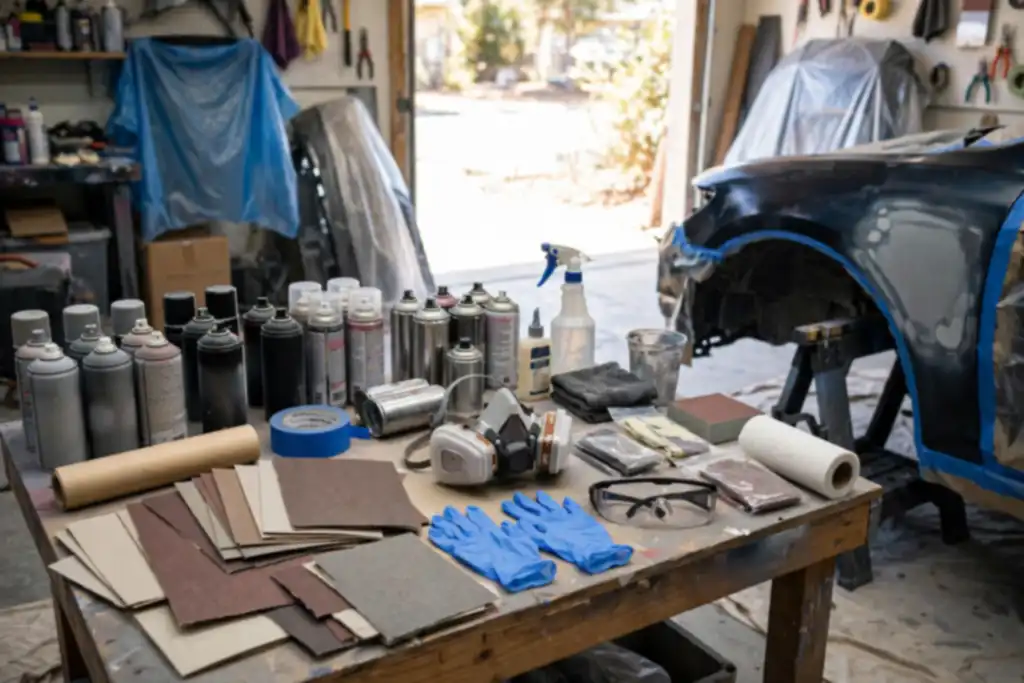
Expect to spend $400 to $1,500 on a DIY car spray painting job, depending on whether you already own a spray gun and air compressor or need to buy them, and on the quality of automotive paint, primer, and clear coat you choose.
Getting a smooth, durable finish that lasts starts with knowing how much would it cost to spray paint a car before you buy a single can. A realistic budget keeps you from cutting corners on safety gear or buying the wrong spray gun, and it helps you decide if DIY actually beats a professional job for your situation.
You’ll get a clear cost breakdown for automotive paint, primer, clear coat, activator, reducer, sanding and masking supplies, plus the spray gun and air compressor setup. Each range includes the condition that changes it, so you can plan for a paint booth or a safe DIY space and avoid the mistakes that turn a cheap project into an expensive redo.
How Much Would It Cost to Spray Paint a Car? a Realistic DIY Breakdown
A realistic DIY spray job usually runs a few hundred to a couple thousand dollars in materials and equipment, depending on paint type, car size, and how much gear you already own. The gap between a cheap job and a safe, lasting one comes down to prep supplies and a proper respirator, not the color itself.
| Factor | Effect | Tip |
|---|---|---|
| Paint type | Single-stage costs less, base coat plus clear coat costs more | Compare total system cost, not just the color |
| Car size | Larger vehicles need more paint, primer, and clear coat | Buy slightly more than you estimate for touch-ups |
| Spray gun and air compressor | Quality gear raises upfront cost but improves finish | Check compressor CFM against the gun's requirement |
| Sanding and masking supplies | Small line item that prevents big rework | Budget for plenty of sandpaper and tape |
| Paint booth or workspace | Renting or building one adds cost but cuts contamination | A clean, ventilated space protects the finish |
| Respirator and safety gear | Non-negotiable cost for isocyanate paints | Use a supplied-air or approved respirator, per OSHA guidance |
| DIY vs professional | DIY saves labor, professional saves risk and rework | Price both before committing |
Recommended for this job

InoKraft D1 LVLP Air Spray Gun
Multiple nozzle sizes let you estimate paint volume needed for different car panels.
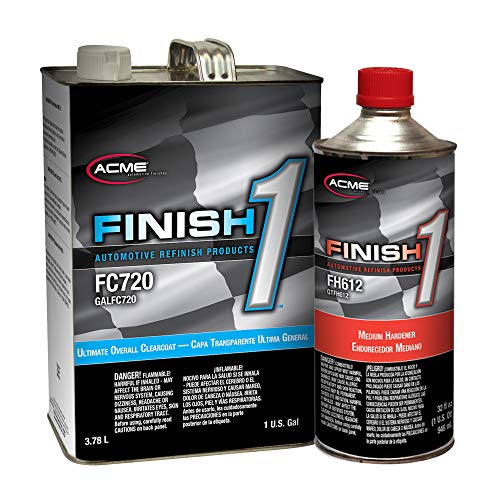
SHERWIN WILLIAMS Finish 1 Automotive Refinish
Clearcoat gallon quantity helps calculate material coverage cost per car.

AirGearPro G-500 Reusable Respirator Mask
Reusable respirator supports safe spraying, avoiding added safety equipment costs.
How Much Would It Cost to Spray Paint a Car? a Realistic DIY Breakdown
Expect to spend $300 to $800 on automotive paint for a single-stage job, or $800 to $1,500 for a base coat and clear coat system with activator and reducer. A spray gun runs $50 to $200, and a air compressor capable of 10 to 15 CFM at 40 psi adds $400 to $800 if you don’t own one.
An activator is the hardener mixed into two-part automotive paint so it cures into a durable, chemical-resistant finish.
Where the Money Really Goes
Budget $100 to $200 for sanding supplies (80 to 600 grit), masking tape and film, and a NIOSH-approved respirator for isocyanate paints. A DIY paint booth using plastic sheeting and box fans costs $50 to $150, but skipping it risks dust nibs that require wet sanding and rework.
Doing It on a Budget Without Cutting Corners
Where to Save and Where Never to Skimp
Save on sanding supplies, masking tape, and practice panels, but never on your respirator. An isocyanate-safe respirator with fresh cartridges is non-negotiable for two-part automotive paint, and OSHA expects that protection for anyone spraying it.
Rattle cans look cheaper upfront, often $100 to $250 for a whole car, but coverage is thin and uneven. A basic spray gun and air compressor setup runs $300 to $800 and pays off in control and finish quality.
Budget $50 to $100 for practice materials: extra primer, a scrap hood or panel, and cheap paint to dial in your spray gun before touching the car.
Cheap Paint That Still Holds up
You can buy budget single-stage automotive paint for roughly $150 to $400 per gallon kit, including activator and reducer, and still get a durable finish if you prep properly.
Skip bargain two-part paints with unclear mixing ratios. A base coat plus clear coat system from a known manufacturer costs more, often $300 to $700 total, but behaves predictably and resists fading.
Cheap paint fails when prep is rushed, so spend your savings on primer, sanding, and a clean, dust-free space to spray.
Spray Gun and Compressor: the Tool Cost Nobody Warns You About
What a Decent Gun and Compressor Set You Back
A workable spray gun runs roughly $80 to $250, and an air compressor sized for automotive work adds $300 to $700. Skip the $20 bargain gun: uneven atomization means runs, orange peel, and wasted automotive paint. HVLP guns need steady pressure, so check the compressor’s CFM rating against the gun’s spec before buying either.
Budget $30 to $80 for paint mixing supplies: graduated cups, stir sticks, strainers, and a respirator rated for solvent vapors. A proper respirator is not optional with base coat, activator, and reducer in the air.
Buying vs Renting the Setup
Renting a compressor for a weekend costs about $40 to $100, which beats buying if this is a one-time job. Buying makes sense if you will paint more than one vehicle or already own a compressor that meets the CFM requirement.
Weigh the total honestly. A cheap gun paired with a rented compressor can still produce a finish you are proud of, but only if you practice on scrap panels first and keep your masking and sanding disciplined. Add it all up before you commit to DIY vs professional.
A Full Weekend Repaint, Start to Finish: What One DIYer Spent
Saturday: Prep, Primer, and a Surprise
Plan on $60 to $150 for sandpaper, masking tape, plastic sheeting, and wax remover before you touch a spray gun. Skipping steps here is the mistake that ruins paint jobs: grease or sanding scratches show through every layer. Expect prep alone to eat four to six hours.
Primer runs $40 to $100 per quart depending on type, and you will likely need two. Buy a respirator rated for isocyanates if your primer or clear coat contains them, roughly $40 to $80. OSHA treats these chemicals seriously, and so should you.
Sunday: Base Coat, Clear, and the Final Tally
Automotive paint, activator, and reducer typically land between $200 and $500 for a full car in a solid color. Mix only what you can spray in one session, because activated paint has a short pot life and wasted batches add up fast.
Clear coat adds $80 to $200, and figure 10 to 20 percent extra material for overspray and test panels. A typical DIY total: $500 to $1,500, well under professional rates but only if your spray gun and air compressor are already up to the job.
Estimate Your Own Job: Add up These Line Items First
Count Paint Quantity by Car Size
Vehicle size drives your largest single cost. A compact coupe typically needs about 1 gallon of sprayable base coat, while a full-size SUV or truck may need 1.5 to 2 gallons. Buy by volume, not by guesswork.
Tally Prep, Masking, and Safety Gear
Hidden consumables add up fast. Masking film, tape, tack cloths, and sandpaper often total $125 to $270, and a proper respirator rated for isocyanates runs $40 to $150. Never skip the respirator to save money.
Add a 15% Mistake and Overspray Buffer
Expect to buy more than you think. A 15% buffer covers extra paint, a botched panel, and replacement filters, adding roughly $100 to $300. A spray gun and air compressor are separate, often $200 to $600 if you do not own them.
Total your materials before you buy a single can, because the paint is only part of the bill.
What is the Average Price to Spray Paint a Car at Home?
Materials and equipment for a basic home job run $300 to $1,500, or $1,500 and up for premium automotive paint and quality tools. A professional respray typically runs $3,000 to $10,000. A rushed DIY job can cost more to fix than it saved.
Typical Home Garage Totals by Paint Type
Budget acrylic enamel kits often land at $200 to $400 for paint, primer, and clear coat. Urethane systems usually run $500 to $1,200 once you add activator and reducer. Add a spray gun ($100 to $300), air compressor ($300 to $800), sanding supplies, masking materials, and a respirator, and your total climbs fast.
Acrylic Enamel vs Urethane: the Price Gap
Acrylic enamel is cheaper upfront but less durable and harder to repair later. Urethane costs more per gallon yet resists UV and chemicals better, so it often wins on long-term value. Whichever you choose, price a paint booth rental ($100 to $300 per day) or build a ventilated space, since dust and overspray ruin finishes.
Your Spray Painting Budget Action Plan
Lock your budget before you buy a single can of automotive paint. A clear action plan keeps a DIY respray from turning into a money pit, and it protects your health along the way.
| Action | Why it helps | How to start |
|---|---|---|
| Automotive paint, primer, clear coat list | Stops surprise purchases mid-project | Price full kits first |
| Spray gun and air compressor specs | Wrong setup wastes paint and money | Match gun to compressor CFM |
| Respirator and paint booth setup | Protects lungs and finish quality | Check OSHA respirator guidance |
| Sanding and masking supplies | Prevents costly rework later | Buy in bulk rolls |
| Practice materials panel | Cheap rehearsal before the real car | Spray scrap panels first |
| DIY vs professional shop quotes | Shows the real savings gap | Get two local estimates |
| Walk-away budget number | Caps spending before panic buys | Write it down and stick to it |
Build the Shopping List Before You Buy Paint
List every item first: automotive paint, primer, clear coat, spray gun, air compressor, sanding and masking supplies, respirator, and paint booth materials. Buying paint before the gear is settled usually means rebuying the wrong activator or reducer.
Price full kits rather than single cans so you see the honest total. Add a practice materials line, since scrap panels and test spray cost a small but real amount.
Set a Walk-Away Number
Write down the most you will spend before you start, then compare it to two professional shop quotes. Typical DIY material and equipment costs land in the low hundreds to low thousands depending on paint quality and whether you already own a compressor.
A shop quote often runs several times that figure, so the gap is your real savings. If the DIY total creeps past your walk-away number, stop and reassess.
Decide DIY or Shop Before Tools Are Bought
Choose your path before any spray gun or compressor purchase, because returns get messy once gear is used. A careful planner prices both routes, then commits once.
Weigh your time, your space, and your respirator setup against a shop’s warranty. If the numbers are close, the shop usually wins on safety and finish quality.
Factors That Change the Answer
Paint Type: Acrylic Enamel vs Urethane
Budget acrylic enamel runs roughly $100 to $250 for a full car in single-stage form. Urethane base coat plus clear coat typically lands between $300 and $800 before activator and reducer. Cheap paint saves money up front but fades faster and offers less UV and chemical protection.
Vehicle Size: Compact vs SUV
A compact car needs less material, so expect the lower end of any paint range. An SUV or truck can push material costs 30 to 50 percent higher because of added surface area and more masking supplies. Measure your panels before you buy to avoid running short mid-job.
Regional Price Differences
Paint prices swing with local supply chains, so the same gallon can cost noticeably more in rural areas or high-tax states. Shipping hazardous materials adds cost if you order online. Compare local jobber quotes against online retailers before committing.
Paint Booth Rental or DIY Booth Cost
Renting a proper booth often runs $100 to $300 per day, which buys you controlled airflow and fewer defects. A DIY booth built from plastic sheeting and fans costs far less but demands careful ventilation. Either way, a fitted respirator is non-negotiable for solvent-based products.
Labor Cost If Hiring a Helper
A helper for prep and masking might cost $15 to $30 per hour, and sanding alone can eat a full weekend. Paying for skilled spray labor pushes you toward professional territory fast. Factor helper hours into your cost breakdown before you decide.
The Hidden Bill: Safety, Waste Disposal, and Long-Term Upkeep
Respirator, Ventilation, and Hazardous Waste Disposal
Respirators, filters, and ventilation fans that are proper cost $100 to $300. A dust mask won’t cut it with isocyanate hardeners in automotive paint. Run a NIOSH-approved respirator with fresh cartridges and keep airflow moving.
Environmental Fees and Disposal Rules
Expect $50 to $150 in disposal costs for leftover paint, solvents, and contaminated filters. Your local waste authority, not the EPA directly, sets household hazardous waste drop-off rules. Never pour reducer or activator down a drain.
Insurance and Registration Implications
Check with your insurer before you spray, since a DIY paint job can affect coverage or resale value. Some policies require disclosure of major cosmetic work. Registration usually stays unaffected, but a color change may need a title or registration update in your state.
Long-Term Cost of Maintenance
Plan on $100 to $300 a year for wax, sealant, and touch-up paint to protect your work. A cheap clear coat fails fast in sun and road salt, so cutting corners here costs more later. Proper sanding and masking now saves repaint money down the road.
Common Mistakes That Blow the Budget
Buying Cheap Clear Coat and Paying Twice
Bargain clear coat often fails within a year, so you strip and respray. A quality automotive clear coat with activator runs roughly $150 to $300 for a full car, and that upfront spend protects the base coat underneath.
Skipping Practice Panels
Test your spray gun on scrap panels before touching the car. Budget $30 to $60 for practice materials and a spare panel, which is cheaper than sanding off a botched coat.
Underestimating Prep and Masking Time
Prep eats hours and dollars you probably forgot to count. Sandpaper, tack cloths, masking tape, and plastic sheeting typically add $50 to $120, and rushing prep is how primer and paint jobs fail.
- Cheap clear coat: saves $80 now, costs $400+ to fix later.
- Practice panels: $30 to $60 well spent before the real spray.
- Masking supplies: tape, plastic, and paper add $25 to $50.
- Sanding and tack cloths: $25 to $70 depending on grits needed.
- Primer quality: skimping causes adhesion failures and rework.
- Respirator and safety gear: $40 to $100, never optional.
When DIY Spray Painting Costs More Than a Pro Job
The Decision Rule: Tools Plus Mistakes vs a Maaco-Style Job
Add your spray gun and air compressor costs to the realistic chance of a redo, then compare that total to a budget shop quote. A decent gun and compressor setup typically runs $300 to $800, and a single respray of automotive paint, primer, and clear coat can easily double your material bill.
If your cost breakdown lands near or above a pro estimate, the DIY vs professional math stops favoring you. Remember that a shop absorbs its own mistakes, not your garage.
Warning Signs You Should Stop and Call a Shop
Some jobs are not worth the risk, no matter how careful you are. Walk away and hire a pro if any of these apply.
- Your only workspace is an open driveway or a dusty garage, since airborne grit will ruin a wet base coat.
- You plan to spray activator or reducer without a proper respirator and ventilation, which is a genuine health hazard.
- Your compressor cannot sustain the gun’s required CFM, so the finish will spray dry and uneven.
- You lack the space and patience for thorough sanding and masking, the steps that decide the final result.
- You cannot build or rent a clean paint booth, leaving your finish exposed to debris and weather.
Stop and call a professional if:
- Your only workspace is an open driveway or a dusty garage, since airborne grit will ruin a wet base coat.
- You plan to spray activator or reducer without a proper respirator and ventilation, which is a genuine health hazard.
- You lack the space and patience for thorough sanding and masking, the steps that decide the final result.
- You cannot build or rent a clean paint booth, leaving your finish exposed to debris and weather.
How Much Would It Cost to Spray Paint a Car: Frequently Asked Questions
?How Much Would It Cost to Spray Paint a Car If I Buy Everything New?
Plan on roughly $800 to $2,500 for a full DIY job with all-new materials and tools. That covers automotive paint, primer, clear coat, activator, reducer, sanding and masking supplies, plus a spray gun and air compressor. A basic single-stage job lands near the low end; base coat plus clear coat pushes you higher. Get local quotes for paint and tools before you commit.
?How Much Would It Cost to Spray Paint a Car for Under $500 and Still Get a Decent Result?
Yes, it would cost under $500 only for a small, simple job and only if you already own the spray gun and air compressor. That budget usually covers single-stage automotive paint, minimal primer, and careful sanding and masking. Skip the paint booth and you risk dust and uneven finish. Budget for a proper respirator no matter what; safety is not where you save.
?Does the Cost to Spray Paint a Car Change Much with the Color I Pick?
Yes, color affects cost more than most people expect. Reds, pearls, and tri-coats cost more because the base coat and any mid-coat are pricier, and you often need more material for coverage. Basic whites and blacks are cheapest. Ask your paint supplier for a cost breakdown per color before you buy, and factor in extra reducer and activator for test panels.
?Why Would Spray Painting a Car Cost More Than I Estimated?
The usual culprits are tools, mistakes, and waste. A spray gun and air compressor alone can blow a small budget, and cheap guns waste automotive paint through poor atomization. Add primer, clear coat, masking, sanding supplies, respirator, and disposal fees, and the total climbs fast. Measure twice, mix correctly, and practice on scrap panels to avoid redoing a costly base coat.
?How Much Would It Cost to Spray Paint a Car If I Already Own the Spray Gun and Air Compressor?
Expect roughly $400 to $1,200 for materials only. That covers automotive paint, primer, clear coat, activator, reducer, sanding, and masking supplies. Your compressor must supply enough continuous CFM for the spray gun or the finish will suffer. Confirm your gun and compressor specs before buying paint, because a mismatch means wasted material and a do-over.
?What Should I Budget for Safety and Cleanup When I Spray Paint a Car?
Set aside $100 to $300 for safety and cleanup. A proper respirator rated for automotive paint is non-negotiable, and you will also need gloves, eye protection, and plastic sheeting for a makeshift paint booth. Leftover paint, reducer, and dirty solvent need legal disposal, which can cost a fee. Never spray without ventilation and never pour waste down a drain.
?When Does It Cost Less to Let a Professional Spray Paint My Car Instead of Doing It Myself?
It usually flips when you need tools, a proper paint booth, or a flawless finish. Add up the cost breakdown for automotive paint, primer, clear coat, spray gun, air compressor, respirator, and your time, and a pro job can be competitive, especially on a daily driver. DIY wins on cost only when you already own good equipment and accept a learning curve.
Our Thoughts
Plan on $400 to $1,500 for a DIY spray painting job, and that range holds whether you already own the spray gun and air compressor or have to buy them. Budget the high end if you need equipment plus quality automotive paint, primer, and clear coat. Skipping cheap materials to save $100 usually costs you far more in rework.
Your next step: write out a full cost breakdown before you buy anything, listing every item from sanding supplies and masking materials to activator, reducer, and a proper respirator. Price each line at your local supplier, then compare it against a professional quote. That single comparison tells you whether DIY makes sense, and it forces you to account for the safety gear and paint booth setup a rushed job tends to forget.
Sources and further reading: guidance from EPA, OSHA.