

It depends: empty aerosol cans with no pressure or residual paint can go in some curbside recycling programs, but partially full or full spray paint cans are household hazardous waste and must go to a hazardous waste facility.
Wondering if you can recycle spray paint cans without risking a fine or a hazardous mess? The short answer is can you recycle spray paint cans depends on whether they are empty and what your local regulations allow. Empty steel cans may be accepted in curbside recycling, but any can with residual paint or propellant, the chemical substance used for pressurization, is household hazardous waste (waste that qualifies as hazardous when discarded) and belongs at an HHW facility.
You will learn how to tell if a can is truly empty, why puncturing is dangerous, and how to read recycling symbols (pictograms that designate recyclable materials) on aerosol cans. The goal is to get disposal right the first time, without contaminating your recycling bin or creating a fire risk.
Can You Recycle Spray Paint Cans? the Short Answer
Short answer: sometimes, and only when the can is truly empty. Most curbside programs take aerosol cans made of steel, but a can with paint still inside, or one that still holds pressure, is a different story and belongs with household hazardous waste.
| Situation | What it means | What to do |
|---|---|---|
| Empty can, no pressure, no paint | Steel scrap, safe to recycle in many programs | Check local curbside rules, then place in bin |
| Can still sprays or hisses | Propellant remains, pressurized | Take to a household hazardous waste facility |
| Liquid paint inside | Residual paint is hazardous | HHW drop-off, never the curb |
| Label says flammable | VOC content, fire risk | HHW facility, keep away from heat |
| Can dented or rusted | May not be accepted curbside | Confirm with local program first |
| Unsure if empty | Guessing risks rejection or fire | Treat as HHW and ask your facility |
Recommended for this job
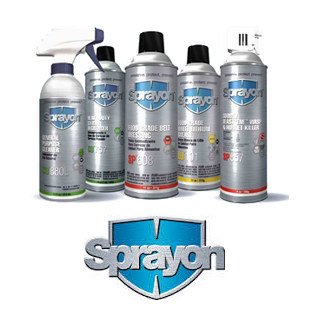
Sprayon AeroSolv Aerosol Can Puncturing
Punctures and safely depressurizes spent aerosol cans for proper recycling preparation.
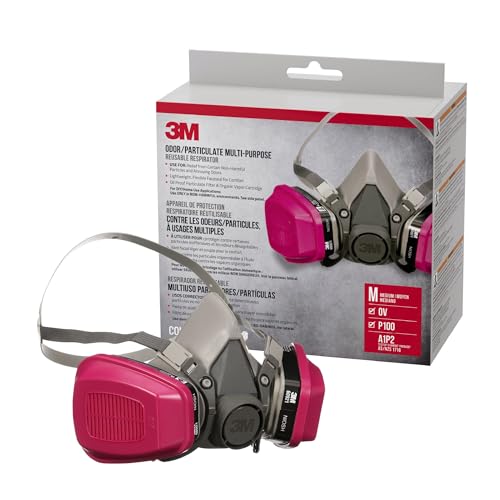
Odor/Particulate Multipurpose Respirator
Filters odors and particles while handling residual contents during can preparation.
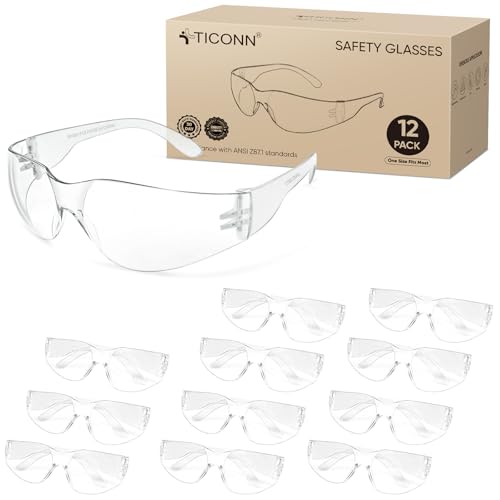
TICONN Clear Safety Glasses
Protects eyes from spray and debris when puncturing or emptying cans.
Yes, Empty Cans Are Recyclable in Many Areas
Once an aerosol can is completely empty, it is basically a steel can. Many curbside recycling programs accept steel cans, and metal recycling centers will take them too. The catch is that empty means no paint comes out and no propellant (the gas that pressurizes the can) is left hissing.
But Check Local Rules First
Curbside recycling rules vary by city and county, so confirm before you toss. Some programs accept aerosol cans only if they are empty and the cap is removed; others refuse them outright. A quick call or a look at your hauler’s website saves you a rejected bin and a mess.
Why the Answer Isn’t Always Straightforward
A can with residual paint or leftover pressure is household hazardous waste (waste that qualifies as hazardous when discarded), not recyclable material. Puncturing a can yourself is dangerous because trapped propellant and VOC (organic chemicals that vaporize at room temperature) can ignite. Take full or partly full cans to a hazardous waste facility instead.
How to Tell If a Spray Paint Can is Truly Empty (and What to Do Next)
Shake the can for five seconds and listen for the ball bearing rattle, a sign of low or no liquid paint inside.
Step 1: Shake and Listen for the Rattle
Shake the can near your ear for five seconds and listen for the ball bearing rattle, a sign of low or no liquid paint inside.
Step 2: Test the Spray Button
Press the spray button for two seconds over cardboard; no mist or sputter means the valve has nothing left to push out.
Step 3: Check for Residual Pressure
Weigh the can in your hand against a new one of the same size; a spent steel can feels noticeably lighter.
Step 4: Remove the Cap and Nozzle
Remove the cap and nozzle by hand or with pliers, then set them aside for separate handling.
Step 5: Decide: Curbside or Hazardous Waste?
Check your local regulations online or call your municipal waste office to confirm whether empty aerosol cans go in curbside recycling or to a household hazardous waste facility.
Local regulations are the city or county rules that determine whether empty aerosol cans are accepted curbside or must go to hazardous waste.
Follow these checks in order to confirm a can is spent before you sort it.
From Garage Shelf to Recycling Bin: a Real-Life Walkthrough
The Discovery: a Box of Old Spray Paint Cans
You find a dusty box of aerosol cans; some rattle, others feel light. A rattle can mean liquid paint remains inside, so treat the can as not empty. Assume every can is pressurized until proven otherwise.
Sorting Empty vs. Partially Full
An empty can sprays only air and does not hiss or sputter. Partially full cans still spray color, feel heavy, or slosh when shaken. Set those aside in a labeled bin, because they cannot go in the trash or curbside cart.
Preparing Empties for Curbside
Empty steel cans are scrap metal, and many curbside recycling programs take them once truly empty. Check your hauler's list for aerosol rules and recycling symbols, the pictograms marking recyclable materials. Remove the cap and nozzle before recycling.
Handling the Partials: a Trip to HHW
Partially full cans are household hazardous waste, meaning they qualify as hazardous when discarded. Find your county or city waste department’s HHW site and drop-off hours; many accept resident drop-offs free, but check limits with your facility.
The Final Tally: What Got Recycled and What Didn’t
Empties go to metal recycling; partials go to HHW. Never puncture cans: puncturing releases VOCs, organic chemicals that vaporize at room temperature, and risks injury. Follow local regulations.
How to Empty a Spray Paint Can Safely (Without Puncturing It)
Why Puncturing is Dangerous and Often Illegal
Never puncture, crush, or burn an aerosol can. Propellant stays inside even when paint stops spraying; puncturing can turn the can into a projectile or fireball. Many states and local regulations classify puncturing as illegal without a permitted recovery system, so check with your hazardous waste facility first.
Safe Emptying Methods: Spray Until Nothing Comes Out
The safest way to empty a can is to spray it dry through the nozzle. Outdoors on a calm day, spray in short bursts onto cardboard or scrap wood until only propellant hisses out. This removes most residual paint, though the can may still need HHW drop-off.
Using a Spray-Out Box to Capture Residual Paint
A spray-out box is a cardboard box lined with newspaper or plastic that catches overspray. Cut a hole for the nozzle, spray inside until the can runs dry, then let the captured paint residue cure before disposal. This contains VOC and protects nearby surfaces.
Safety Gear: Gloves, Mask, and Ventilation
Wear nitrile gloves and a respirator rated for organic vapors, not just a dust mask. Work outdoors or in a garage with the door open and a fan moving air. Keep a fire extinguisher nearby and never smoke while emptying cans.
Your Action Plan for Spray Paint Can Disposal
Disposing of aerosol cans safely comes down to two questions: is the can truly empty, and what does your local program accept? Get those right and you avoid fines, fires in the truck, and wasted trips.
| Action | Why it helps | How to start |
|---|---|---|
| Confirm the can is empty | Empty steel cans are easier to recycle | Spray until nothing but air comes out |
| Check curbside recycling rules | Programs vary on aerosol acceptance | Visit your city waste website |
| Find a store drop-off | Retailers often take empty aerosols | Ask the paint counter staff |
| Locate an HHW facility | Takes full or partial cans safely | Search your county HHW schedule |
| Compare cost of disposal | HHW is often free, recycling cheaper | Call ahead for fees and limits |
| Avoid puncturing cans | Prevents fires and toxic release | Never crush or pierce any can |
| Transport with care | Keeps propellant and VOC contained | Keep cans upright, cool, and secured |
Step 1: Assess Emptiness
Listen after shaking the can. If you hear liquid sloshing or paint still sprays, it is not empty and does not belong in curbside recycling.
Step 2: Check Local Recycling Rules
Call or check your city’s waste page before you toss anything. Some curbside recycling programs take empty cans, many do not, and store drop-off or municipal recycling programs may be the only option.
Step 3: Choose Your Disposal Route
Partial or full cans go to a household hazardous waste facility, which handles items that qualify as hazardous when discarded. Expect free drop-off at many events, though some charge a small fee, versus no cost for empty metal recycling.
Step 4: Prepare Cans Properly
Leave labels on and keep the cap off empty cans so handlers can see they are spent. Never attempt puncturing, and do not crush cans, since residual paint and propellant can ignite.
Step 5: Transport Safely
Keep cans upright in a crate, out of direct sun and away from heat. Secure them so they cannot roll, and drive straight to the facility rather than leaving them in a hot car.
How Do You Dispose of Empty Spray Paint Cans?
Curbside Recycling: the Easiest Option (If Allowed)
Some local programs accept aerosol cans, but only when they are completely empty. Check your hauler’s rules first, since many curbside recycling programs reject them outright. If yours says yes, confirm the can is empty and the cap is off before it goes in the bin.
Store Drop-Off Programs: Where to Look
Retailers and municipal recycling programs sometimes run drop-off collection for aerosol cans and other metal. Look for recycling symbols on the can and ask your city’s waste department or a local hardware store about collection points. These programs vary widely, so call ahead rather than guessing.
Household Hazardous Waste Facilities: the Safe Bet
Any can with residual paint or pressure left belongs at a household hazardous waste facility, not in your bin. These sites handle aerosol cans safely and keep the propellant, a chemical substance used for pressurization, out of the waste stream. Find one through your county or state environmental agency, and expect drop-off hours of roughly 8 a.m. To 4 p.m. On set days.
What About the Caps and Nozzles?
Plastic caps and nozzles usually are not recyclable and should go in the trash. Remove them before dropping off the steel cans, and never attempt puncturing to speed things up.
Partially Full, Full, or Unusable Cans: What to Do
Why They’re Household Hazardous Waste
Partially full aerosol cans are HHW because they hold residual paint, solvents, and propellant that can ignite, leak VOCs, or burst under heat and pressure. Curbside recycling won’t take them; steel cans qualify only once truly empty.
Creative Ways to Use up Leftover Spray Paint
If it still sprays, use it: touch up outdoor furniture, mark garden stakes, coat a mailbox post, or practice on scrap wood. Work outdoors or in a ventilated garage, away from heat and flames.
When to Call It Quits and Take It to HHW
Stop when the nozzle clogs permanently, spray sputters, or the can is a few years old. Never puncture cans, dangerous and often illegal. Take full or unusable cans to an HHW facility or collection event, typically free for residents; check local rules first.
Special Handling for Automotive Spray Paint Cans
Automotive aerosols carry harsher solvents, treat as HHW even when nearly empty. Keep the cap on, label contents, and transport upright in a crate. Check recycling symbols and the label, then confirm your facility accepts automotive coatings.
When Curbside Recycling Works for Spray Paint Cans
Your Area Accepts Aerosol Cans
Empty spray paint cans are recyclable only if your local curbside program accepts aerosol cans, check your city or county rules, as programs vary. Look for aerosol cans on the accepted list, not just steel cans. If not listed, use household hazardous waste.
The Can is Completely Empty
Only completely empty cans (no residual paint, no pressure) belong in curbside recycling. Partially full or full cans contain propellant and VOCs, so they go to a hazardous waste facility.
You’ve Removed the Cap and Nozzle
Remove the cap and nozzle first; these plastic parts usually aren’t accepted with steel cans and can jam sorting equipment. Discard per local rules or check for separate plastic recycling.
You Follow Local Preparation Guidelines
Follow your program’s rules exactly, some want cans loose, others bagged or bundled with metals. Never puncture or crush a can; it’s dangerous and often illegal. When in doubt, contact your local HHW program.
When It Doesn't Work: Exceptions and Limits
Your Local Program Doesn’t Accept Aerosol Cans
Many curbside recycling programs reject aerosol cans outright, even empty ones, because of the propellant inside. Check your hauler’s accepted materials list before you set anything at the curb. If aerosol cans aren’t listed, don’t gamble on it.
The Can Still Has Paint or Pressure
A can with residual paint or pressure is household hazardous waste, not recyclable material. Take it to a hazardous waste facility or an HHW collection event. Empty cans are the only ones a metal recycling stream might take, and only if your program allows them.
You’re Tempted to Puncture or Crush
Don’t. Puncturing or crushing a pressurized can can release propellant and VOC vapors, which are organic chemicals that vaporize at room temperature, and cause injury. Most states also restrict who may legally puncture aerosol cans. Leave that to permitted hazardous waste processors.
State-By-State Differences
Local regulations vary widely, so the same steel can may be accepted in one state and banned in the next. Some states classify aerosol cans as universal waste, which changes handling rules. Confirm your state and county rules before disposal, and follow the recycling symbols on the label as a starting point, not the final word.
How Weather and Season Affect Spray Paint Can Disposal
Summer Heat and Pressure Buildup
Heat raises internal pressure in aerosol cans, so never store leftovers in a hot garage, car trunk, or shed. A propellant is a chemical substance used for pressurization, and a warmed can holds more of it against the walls. Keep cans shaded and cool until you can move them to a hazardous waste facility.
Winter Freezing and Can Integrity
Freezing temperatures can compromise seals and valves, letting residual paint leak or the can rupture later. Move aerosol cans indoors to a cool, dry spot that stays above freezing, and never toss them in a burn barrel or trash compactor. Puncturing is dangerous and illegal in most areas, so skip it entirely.
Humidity and Rust
Damp air rusts steel cans, and a corroded can is more likely to leak or fail. Store empty cans and partials in a dry bin away from concrete floors that sweat in humid months. Check recycling symbols and local regulations before assuming curbside recycling accepts them.
Planning Around HHW Facility Hours
HHW collection days often run seasonally, so check your household hazardous waste facility schedule before cans pile up. Many sites close or reduce hours in winter, and some hold one-day events in spring and fall. Call ahead about limits and whether they accept full, partial, or empty cans.
Common Recycling Mistakes with Aerosol Cans
Most aerosol can problems start with good intentions. You toss a can in the blue bin, or puncture it to speed things up, and create a mess or a hazard instead. Here are the mistakes that matter most.
Putting Partially Full Cans in Curbside
Partially full cans do not belong in curbside recycling. Residual paint and propellant, the pressurized chemical that pushes paint out, make them unsafe for sorting equipment and workers.
Leaving Caps and Nozzles on
Caps and nozzles are mixed plastic and get rejected at most recycling facilities. Remove them before recycling an empty steel can, and check whether your local program takes the plastic separately.
Puncturing Cans to Empty Them
Never puncture an aerosol can. The trapped propellant can release suddenly and cause injury, and the VOC, organic chemicals that vaporize at room temperature, escape into your workspace.
Ignoring Local Rules
Recycling symbols on spray cans, the pictograms that mark recyclable materials, do not guarantee curbside acceptance. Empty cans often go to metal recycling, but full or partly full ones usually need a household hazardous waste facility or HHW event.
Throwing Cans in the Trash
Trash trucks compact waste, and pressurized cans can rupture or start fires. Take questionable cans to household hazardous waste instead, and confirm your local regulations before disposal day.
- Partially full cans do not belong in curbside recycling because residual paint and propellant make them unsafe for sorting equipment.
- Caps and nozzles are mixed plastic and get rejected at most recycling facilities, so remove them first.
- Never puncture an aerosol can; trapped propellant can release suddenly and cause injury.
- Recycling symbols do not guarantee curbside acceptance; check local rules for empty versus full cans.
- Full or partly full cans usually need a household hazardous waste facility or HHW event.
- Trash trucks compact waste, and pressurized cans can rupture or start fires.
- Confirm your local regulations before disposal day.
When to Call a Pro for Spray Paint Can Disposal
Large Quantities from a Business or Studio
For more than a handful of cans, call your county’s household hazardous waste line. Household limits are typically 5-15 gallons per drop-off; ask about a business or bulk appointment before loading the car.
Unknown or Vintage Cans with Unstable Contents
Old cans with faded labels are a genuine unknown. Contents may have degraded, and propellant can behave unpredictably after years of storage. If the label is unreadable or the can predates modern formulations, treat it as household hazardous waste.
Cans That Are Leaking or Damaged
A hissing, dented, or rusted-through can is an immediate stop sign. Do not puncture it, trash it, or bring it inside. Move it outdoors away from ignition sources, then call your hazardous waste facility or fire department non-emergency line.
Art Studio and Classroom Disposal Best Practices
Keep a labeled, ventilated storage bin for spent cans and log every drop-off. Teach students that residual paint and VOC vapors make empty cans a hazard, not trash. Schedule regular HHW pickups rather than letting cans pile up.
Stop and call a professional if:
- You have more than a handful of cans from a business, studio, or classroom cleanup.
- Labels are missing or unreadable and you cannot confirm what the can contains.
- A can is leaking, hissing, dented, or rusted through.
- You are unsure whether your local curbside program accepts aerosol cans at all.
- A school or studio needs recurring disposal rather than a one-time drop-off.
- A can shows signs of heat damage or swelling.
Can You Recycle Spray Paint Cans: Frequently Asked Questions
?Can You Recycle Spray Paint Cans That Still Have Paint Left in Them?
No. Cans with residual paint are household hazardous waste, not recyclable material. The residual paint keeps the can from being processed safely, and the propellant, the chemical that pressurizes the can, stays active. Take partially full cans to a household hazardous waste facility or an HHW collection event. Never put them in curbside recycling and never puncture them to empty them faster.
?Can You Recycle Spray Paint Cans Through Curbside Recycling If They Are Completely Empty?
Yes, in many US programs, but only if the can is truly empty and your local regulations accept aerosol cans. Confirm with your hauler first. Empty steel cans with the cap off usually pass, while cans with any residual paint, a rattling mixing ball, or loose propellant do not. When in doubt, treat it as household hazardous waste instead of guessing.
?Can You Recycle Spray Paint Cans When They Are Empty Enough?
Yes, you can recycle spray paint cans once they are truly empty, but only through programs that accept aerosol cans. A can is empty enough when nothing sprays or hisses after a sustained trigger press and it feels light with no liquid slosh. Do not puncture it to check, since that releases propellant and VOCs and can cause injury. If you hear hissing or feel weight, it is not empty and belongs at a hazardous waste facility.
?Why Do Some Recycling Programs Reject Spray Paint Cans Even When They Are Empty?
Because aerosol cans carry risks that standard steel cans do not. Residual paint, propellant, and VOC content can create fire and explosion hazards in sorting equipment. Some facilities also lack the equipment to safely handle pressurized containers. Check your local regulations and look for recycling symbols on the can, but treat the hauler's list as the final word, not the label.
?What Should You Do with Full or Unusable Spray Paint Cans You Cannot Recycle?
Take them to a household hazardous waste facility. Full and unusable cans are hazardous waste when discarded, so curbside recycling is off the table. Keep the cap on, store them upright, and transport them in a ventilated vehicle. Many communities run HHW drop-off days; confirm hours and accepted items before you load the car so you do not make a wasted trip.
?is It Safe to Puncture Spray Paint Cans Before Recycling Them?
No. Puncturing is dangerous and often illegal. It releases propellant and VOC under pressure, which can cause fire, explosion, or serious injury, and it contaminates the steel stream. Empty the can by spraying it out completely in a well-ventilated area, then recycle it only if your local program accepts empty aerosol cans. Otherwise, route it to HHW.
?When Should You Skip Recycling and Call a Pro for Spray Paint Can Disposal?
Skip recycling when you have large volumes, damaged or rusted cans, or cans that cannot be safely emptied. A hazardous waste facility or licensed disposal service handles these correctly. For a single empty can, follow local regulations and your curbside program. For anything uncertain, full cans, bulging cans, unknown contents, call before you toss, and never mix aerosol cans into general trash.
Our Thoughts
So the short answer holds: empty aerosol cans with no pressure and no residual paint may be accepted in curbside recycling where local regulations allow it, while full or partially full spray paint cans count as household hazardous waste and belong at a hazardous waste facility. Check your program’s recycling symbols and rules before setting anything out.
The single most useful next step is to confirm your drop-off options before you buy more paint. Search your county or city HHW schedule, then store cans upright, away from heat, until the collection day. Never attempt puncturing or burning a can to empty it; trapped propellant and VOC vapors make that dangerous.
Sources and further reading: guidance from EPA, local waste management authority, Earth911.