

It depends on compatibility and cure time: you can paint over spray paint only if the existing coat is fully cured, clean, and compatible with your new topcoat, or adhesion and wrinkling will ruin the job.
Myth: any paint sticks to any spray paint. Truth: can you paint on top of spray paint depends on cure time and compatibility, which is how stable two substances are when mixed. A fresh or incompatible coat will reject your new paint, causing peeling or wrinkling.
This article gives you the exact sequence: test compatibility, confirm cure time, prep the surface, and choose the right primer and topcoat. Follow it to avoid the common mistakes that ruin an otherwise simple recoat.
Can You Paint on Top of Spray Paint? the Short Answer is Yes, with the Right Prep
Yes, you can put another coat of paint over spray paint, but only if you respect cure time and compatibility. Skip either and you will watch your new finish wrinkle, lift, or peel within weeks.
| Situation | What it means | What to do |
|---|---|---|
| Fresh spray paint, still tacky | Solvents are still flashing off | Wait out the full recoat window |
| Fully cured spray paint | Hard, stable film ready to bond | Scuff, clean, then topcoat |
| Unknown brand or type | Compatibility is a gamble | Test a small hidden spot first |
| Glossy spray finish | Slick surface resists adhesion | Sand dull, wipe with degreaser |
| Latex over uncured enamel | Soft film traps solvents | Let enamel cure, then prime |
| Bare or sanded-through spots | No coating left to bond to | Spot prime before painting |
| Outdoor or high-traffic surface | Extra wear on the new coat | Add a compatible topcoat |
Recommended for this job

Rust-Oleum Stops Rust Universal Bonding Primer
Bonding primer creates a compatible base layer for paint to grip spray paint.
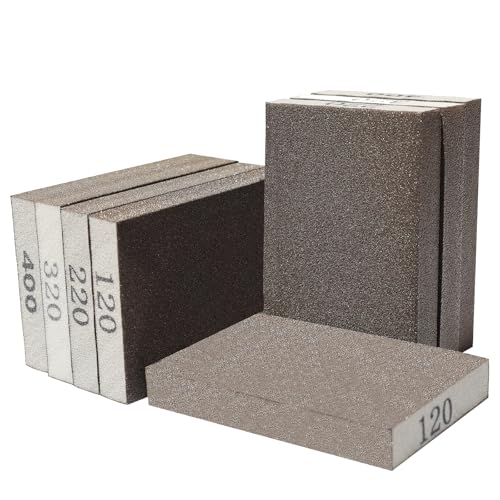
Hand Sanding Sponge Set -120 220
Sanding sponges scuff the spray paint surface so new paint adheres properly.
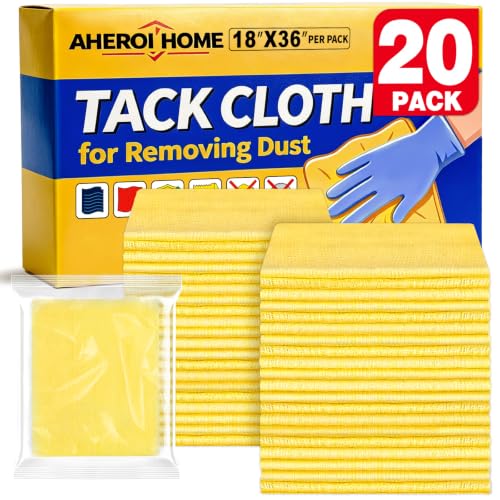
Aheroi Tack Cloth
Tack cloth removes dust and particles from spray paint before applying topcoat.
What Painting Over Spray Paint Actually Means
It means applying a brush, roller, or new spray coat onto an existing spray-painted film. Success depends on three things: the old coat is fully cured, the two products are compatible, and the surface is prepped. Compatibility is simply how stably two products mix without reacting or separating.
The 60-Second Answer Before You Read Anything Else
Yes, with the right prep. Confirm the existing spray paint has cured, scuff it dull with 220 to 320 grit sandpaper, and wipe away grease with a degreaser. Then test your new paint on a hidden spot. If it stays put after 24 to 48 hours, you are clear to coat the rest.
The One Rule That Decides Everything: Cured or Not?
Do not paint over spray paint that has not finished curing. Cure time runs from roughly 3 to 7 days depending on product and temperature, and the can label states the recoat window. Painting early traps solvents underneath, and the new layer will lift or wrinkle.
- Check the label for cure time before anything else.
- Sand lightly with 220 to 320 grit for adhesion, then degrease.
- Spot test, then apply your primer and topcoat.
Your Action Plan: from Sprayed Surface to Fresh Topcoat
Yes, you can paint over spray paint, but only if the old coat has fully cured and the new product is compatible. Skip either check and you risk wrinkling, peeling, or a finish that never hardens.
| Action | Why it helps | How to start |
|---|---|---|
| Check cure time | Wet paint traps solvents and lifts | Wait several days to a week |
| Identify the spray type | Determines which topcoat bonds | Read the can label |
| Scuff the surface | Sanding creates a mechanical grip | Light sand with fine grit |
| Degrease | Oils and residue kill adhesion | Wipe with a degreaser |
| Prime bare or glossy spots | Primer bridges slick surfaces | One thin coat, let dry |
| Apply the topcoat | Seals and protects the finish | Thin coats, follow label |
| Mind the recoat window | Miss it and you must wait | Recoat within label time |
Step 1: Confirm the Spray Paint Has Cured
Dry to the touch is not cured. Cure time, meaning how long the coating fully hardens and releases solvents, typically runs 5 to 7 days for most aerosol enamels at 70°F and 50% humidity. Topcoating sooner traps solvents and causes wrinkling or a soft finish.
Step 2: Identify What Kind of Spray Paint You’re Covering
Read the label before you buy anything. Compatibility, meaning how stably two coatings mix, decides success: latex paint over an uncured solvent-based spray often fails, while oil-based paint or enamel bonds reliably over a cured coat. Test a hidden 2-inch square first.
Step 3: Scuff, Clean, Prime If Needed, Then Topcoat
Scuff glossy areas with 220 to 320 grit wet/dry paper, then wipe with a degreaser like isopropyl alcohol or a TSP substitute. Apply a bonding primer on bare or slick spots, then brush or roll thin topcoats, keeping each under 2 mils wet.
Step 4: Respect the Recoat Window
The recoat window, often 1 hour to 24 hours per the label, is when the next coat bonds without sanding. Miss it and you must wait for full cure, then sand with 400 grit before adding a topcoat or clear coat.
Is It Okay to Put Regular Paint Over Spray Paint?
What ‘Regular Paint’ Means Here (Latex, Oil, Enamel)
“Regular paint” is a loose term, so pin down what’s in the can before you buy it. Latex paint is water-based and flexible. Oil-based paint and enamel are solvent-based and cure harder, which changes how they behave over an existing spray coat.
Read the label for the base and the recommended primer. That one detail tells you more about your odds of success than any online shortcut.
Where Regular Paint Bonds Well, and Where It Doesn’t
Water-based topcoats usually bond well over fully cured, sanded spray paint, especially on wood and primed drywall. Solvent-based products over a fresh or glossy spray coat are where adhesion fails.
Skip the prep and any paint can peel in sheets. Sanding dulls the surface, a degreaser removes oils, and a primer builds a bridge between the two coatings. Those three steps are what hold the job together.
The Compatibility Question You Must Answer First
Compatibility means the two products stay stable when layered, without wrinkling, lifting, or softening. Test before you commit: spray a scrap piece, let it cure, then brush on your topcoat and wait 24 hours.
Check the recoat window on the spray can too. Coating outside it, or too soon, causes lifting. When in doubt, a primer made for the topcoat resolves most conflicts.
The Coin Test and Solvent Test: Identify Your Spray Paint Before You Choose a Topcoat
The Coin Test for Hardness
Press a coin edge into an inconspicuous spot and try to dent the film. A hard, factory-style finish resists; a soft coating marks easily. Hardness hints at how much sanding the surface will tolerate before you apply a topcoat.
The Solvent Test for Lacquer, Enamel, or Acrylic
Rub a hidden area with a rag dampened with denatured alcohol, then repeat with mineral spirits. A finish that softens with alcohol is likely lacquer or acrylic; one that lifts with mineral spirits points to enamel or oil-based paint. Test small, ventilate, and keep rags away from ignition sources.
What Each Result Tells You About Your Topcoat
Compatibility means the new coat stays stable over the old one, so match chemistry where you can. Lacquer over enamel can wrinkle; latex paint over hard enamel needs sanding and a primer for adhesion. Soft acrylics often accept a fresh enamel or latex topcoat after a degreaser wipe and light sanding. When unsure, test a 1-foot square and wait a full cure time, typically 5 to 7 days, before committing.
The 7-Day Decision Rule and the Wrinkling Test Patch
Under 7 Days Cured? Wait. Over 7 Days? Scuff and Topcoat.
Spray paint needs its full cure time before anything goes over it, because trapped solvents under a fresh topcoat cause wrinkling and lifting. Most aerosol cans list a recoat window of 1 to 4 hours for another spray coat, but a brush or roller topcoat needs the full 7 days. If the surface has cured past 7 days, scuff it lightly with 220 to 320 grit, wipe with a degreaser, and apply a compatible primer if the topcoat type differs.
Why a Test Patch on the Back Saves the Whole Repaint
One hidden test patch tells you whether your chosen topcoat and the existing spray paint are compatible, meaning they stay stable when layered. Pick a spot nobody sees, clean it, and brush on a thin coat of your latex paint, oil-based paint, or enamel. Wait the full recoat window, then check for wrinkling, blistering, or soft spots before committing to the visible surface.
How to Read a Wrinkling Test Result
Wrinkled or lifted paint on the patch means the two products are incompatible and you must stop. A smooth, hard film after the stated recoat window means adhesion is good and you can proceed. If the patch stays soft or tacky, give it more cure time and retest before sanding everything down.
When Painting Over Spray Paint Works Well
Fully Cured, Compatible, and Clean: the Ideal Combination
Yes, another coat can go over spray paint when the existing film is fully cured, the new product is compatible, and the surface is clean. Compatibility means the coatings bond without wrinkling, lifting, or failing to stick. Respect the can’s cure time, often days longer than the recoat window, then wipe with a degreaser and let dry.
Surfaces That Take a Topcoat Happily: Metal, Wood, and Most Plastics
Metal, wood, and most plastics accept a topcoat over cured spray paint with basic prep. Scuff metal lightly for grip; sand wood’s sheen so the next coat flows flat. Rigid plastics usually hold fine, but flexible ones need a flex-specific product.
When a Primer or Bonding Primer Bridges the Gap
Use a primer or bonding primer when the existing paint is glossy, unknown, or a different chemistry. A primer creates a stable base and improves adhesion; bonding primers grab slick surfaces so latex or oil paint sits reliably. A hidden test patch confirms whether layers stay put.
Doing It on a Budget Without Cutting Corners
Cheap Sandpaper and Degreaser Do Most of the Work
You don’t need fancy tools. A scuff with 220 to 320 grit sandpaper and a degreaser wipe cost under $20 and fix the two biggest adhesion killers: gloss and grease. Sand until dull, clean, and let dry fully, this matters more than paint price.
When a Bonding Primer is Worth the Extra Money
Buy bonding primer when existing spray paint is slick, unknown, or a different chemistry than your topcoat. It gives the next layer something to grip. On bare or sanded surfaces, standard primer works for less. Check compatibility first: if a test patch wrinkles or lifts, no primer fixes it.
Cost of Repainting vs. Respraying: the Real Math
Brushing or rolling a topcoat runs $30 to $80 in materials for a small project; a shop respray starts around $200 to $600. DIY spraying sits between. Respect the recoat window and cure time, rushing costs you a second full job.
How to Tell What You're Working with, and What to Do Next
Scuff the Surface Until It’s Dull, Not Bare
Dulling the surface gives the next coat something to grip. Sand with 220-grit until the shine is gone, then stop before you cut through to the substrate.
Degrease and Let It Dry Completely
Oils and fingerprints kill adhesion, so clean before you paint. Wipe with a degreaser, then wait 30 minutes or more until the surface is fully dry.
Prime Only If the Test Patch Says You Need to
A primer is a preparatory coating that goes on before paint to help the topcoat bond. Test your chosen paint on a hidden spot, wait 24 hours, and prime only if it lifts or beads.
Choose Brush-and-Roller or Spray for the Topcoat
Match your method to the size and shape of the job. Brush-and-roller suits trim and small panels, while spray gives a smoother finish on large flat areas.
Respect the Recoat Window on the Can
The recoat window is the time frame when the next coat will bond properly. Apply your topcoat inside that window, or wait until the paint has fully cured if you miss it.
Run these checks in order before you open a second can, because guessing wrong costs you a full strip-and-redo.
Quick Checklist Before You Paint Over Spray Paint
Cured at Least 7 Days?
Give the existing coat a full cure time before you touch it. Most spray paints need 7 days at room temperature to harden fully, and recoating too soon traps solvents.
Compatibility Confirmed by Test Patch?
Compatibility means the two paints mix and stay stable without lifting or wrinkling. Test on a hidden spot first: apply your new paint, wait 24 hours, then check for bubbling or peeling.
Scuffed, Cleaned, and Degreased?
Glossy spray paint needs sanding so the next layer can bite. Scuff with 320 to 400 grit, wipe off dust, then clean with a degreaser to remove oils that kill adhesion.
Primer Needed or Not?
Primer is a preparatory coating that gives the next paint something to grip. Bare or unknown surfaces usually want a primer; a sound, sanded spray coat often accepts a topcoat directly.
Ventilation and PPE Ready?
Solvent vapors build fast, so work outdoors or with strong cross-ventilation. Wear a respirator rated for organic vapors, plus gloves and eye protection, and follow OSHA guidance on solvent exposure.
- Cure time: let the spray paint harden 5 to 7 days at room temperature before recoating.
- Test patch: apply the new paint on a hidden spot and wait 24 hours for lifting or wrinkling.
- Sanding: scuff glossy areas with 320 to 400 grit so the next coat can grip.
- Degreaser: wipe the surface clean of oils and dust after sanding.
- Primer: use it on bare or unknown surfaces; sound sanded spray coats often take a topcoat directly.
- Ventilation: work outdoors or with cross-ventilation and wear a respirator rated for organic vapors.
When It Doesn't Work: Exceptions and Limits
Uncured or Soft Spray Paint
If the existing spray paint still feels tacky or soft, stop. Applying a new coat before the full cure time passes traps solvent underneath, and the fresh layer will wrinkle or lift within days. Most aerosols need their full cure time of 5 to 7 days before a brush or roller topcoat, though checking the label is essential.
Incompatible Solvent-Based Topcoats
Hot solvents in some oil-based paint and enamel can re-wet and lift the spray layer beneath. Test compatibility on a hidden spot first, and if the old finish softens, switch to a milder product or seal it with primer.
Car and Automotive Spray Paint Topcoats: Extra Caution
Automotive spray paint topcoats demand strict compatibility with the base layer. A lacquer over an enamel base, or the reverse, can craze the finish. Follow the manufacturer’s recoat window exactly, and scuff with fine sanding before any new coat.
Clear Coat Over Spray Paint: When It Lifts Instead of Seals
Clear coat can lift a spray finish when the base is undercured or chemically incompatible. Let the color coat cure fully, clean with a degreaser, then apply a light mist pass. Heavy first coats are the usual cause of wrinkling and lifting.
Common Mistakes and How to Fix Them
Skipping the Scuff and Paying for It
Before adding a new coat, the surface needs to be scuffed. A light sanding with 320 to 400 grit gives the new layer something to bite into; skip it and adhesion fails.
Topcoating Too Soon
Respect the cure time on the can, not just the recoat window. Spray paint that feels dry may still be off-gassing, and trapping that under a topcoat causes blisters.
Mixing Solvent Types Blind
Check compatibility before you brush on anything. A latex paint over fresh solvent-based spray can wrinkle; test a small spot first.
Fixing Wrinkles and Lifting Without a Full Strip
Wrinkles mean the layers fought each other. Sand back to a stable surface, clean with a degreaser, then spot-prime and recoat thin.
- Scuff with 320 to 400 grit before topcoating to build adhesion.
- Wait for full cure time, not just the recoat window, before adding paint.
- Test compatibility on a hidden spot before brushing latex over solvent-based spray.
- Sand out wrinkles to bare, stable material, then degrease and spot-prime.
- Apply thin coats to avoid lifting and trapped solvents.
When to Ask a Store Expert, the Manufacturer, or a Local Pro
Questions Worth Asking at the Paint Counter
Bring a photo of the surface and the old spray can if you still have it. Counter staff can check compatibility, meaning whether your new paint and the existing coat will stay stable together, before you buy anything.
- Ask whether your chosen latex paint, oil-based paint, or enamel will bond to the existing spray paint without lifting it.
- Ask what primer and sanding grit they recommend for a slick spray-painted surface.
When the Manufacturer’s Tech Line is the Fastest Answer
Call the tech line when the label leaves cure time or the recoat window unclear. They know their own product’s adhesion limits better than anyone at the store.
- Ask how long the spray paint must cure before a topcoat goes on, and whether a recoat window applies.
Automotive and High-Value Pieces: Getting a Pro Opinion
For car panels and anything expensive, get a pro opinion before you sand. Automotive spray paint and clear coat systems are less forgiving than house paint.
- Ask a body shop whether your planned topcoat is compatible with the existing finish and what surface prep they would use.
Can You Paint on Top of Spray Paint: Frequently Asked Questions
?Can You Paint on Top of Spray Paint Without Sanding First?
Only if the surface is clean, fully cured, and already smooth. Otherwise, no. Sanding creates a mechanical bite so the new paint can grip, and it knocks down gloss and imperfections. A quick scuff with fine grit followed by a wipe-down with degreaser is cheap insurance. Skipping it is how you get peeling, and peeling means starting over.
?Can You Paint on Top of Spray Paint, and How Long Should You Wait Before You Do?
Yes, you can paint on top of spray paint, but wait at least 7 days for a full cure first. The recoat window on the can applies to more spray paint of the same type, not a different product. A full cure means solvents have finished flashing off. Topcoating too soon traps them, and trapped solvents cause wrinkling, lifting, or soft paint that never hardens.
?Does It Matter What Type of Paint You Put Over Spray Paint?
Yes, compatibility decides everything. Compatibility means how stable two products are when combined; if they stay unchanged, they're compatible. Latex paint over a cured oil-based or enamel spray usually works after sanding and primer. Solvent-heavy products over fresh spray paint often wrinkle it. When in doubt, test a hidden spot and confirm the label's recoat instructions.
?Can You Paint on Top of Spray Paint That Has a Clear Coat?
Yes, but you must scuff it first. Clear coat is slick and designed to resist things sticking to it, so adhesion will fail without sanding. Dull the surface evenly with fine grit, clean it with a degreaser, then apply a primer made for the topcoat you're using. Test a small area before committing to the whole piece.
?Why Does Paint Wrinkle or Lift When Applied Over Spray Paint?
The usual cause is incompatible solvents or painting before the spray paint fully cured. The new coat's solvents soften the old layer, and the two fight instead of bonding. Fix it by stripping the wrinkled area, sanding smooth, cleaning with degreaser, and using a compatible primer. Then respect cure time and test a patch before the full coat.
?What Surface Prep Do You Need Before Painting Over Spray Paint?
Clean, dull, and dry is the standard. Wash with a degreaser to remove oils and silicones, rinse, and let it dry completely. Scuff glossy areas with fine sandpaper, then wipe off dust. Repair chips and sand edges flat. If bare substrate shows through, spot-prime it. Good surface prep is what makes adhesion predictable instead of a gamble.
?When Should You Not Paint on Top of Spray Paint?
Skip it when the spray paint is failing, soft, or unknown and solvent-sensitive, or when the surface flexes and the coating can't. Also walk away if you can't identify the product and a test patch wrinkles. In those cases, strip it down, prime bare material, and start fresh. Repainting over a bad foundation just doubles the failure.
Our Thoughts
So yes, you can apply another coating over spray paint, but only when the existing layer has fully cured, is clean, and is compatible with what you are putting down. Compatibility means the two products stay stable together instead of reacting, wrinkling, or lifting. If you skip the cure time or surface prep, adhesion fails and you strip it all back.
Your single most useful next step: test before you commit. Sand a small hidden spot, wipe it with a degreaser, and apply your chosen topcoat over it. Wait the full recoat window, then check for wrinkling or peeling. If it holds, proceed with primer where needed and coat the rest.