
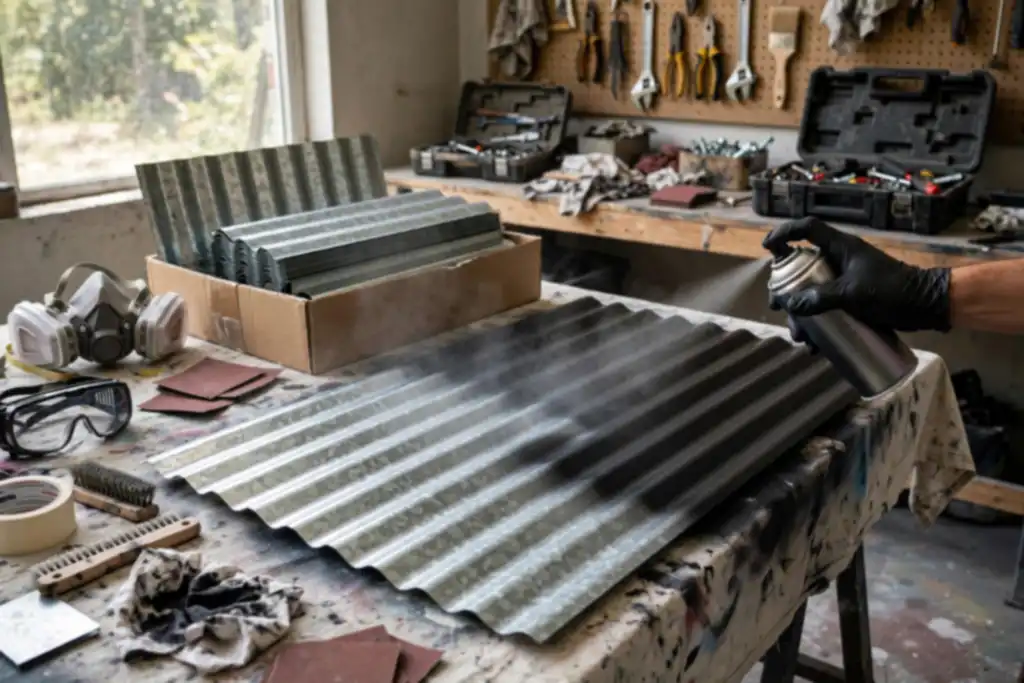
Yes, you can spray paint galvanized metal, but only if you remove the slick zinc coating's surface tension first; skip proper cleaning, degreasing, and etching, and the paint will peel within weeks.
Galvanized metal is steel coated in zinc, and that zinc coating actively repels paint. That is why can you spray paint galvanized metal has a conditional answer: yes, but only after proper surface preparation. The zinc surface is smooth and can carry oils or a factory passivation layer that blocks adhesion, which is the ability of the paint to stick to the metal. Skipping prep is the number one reason DIY paint jobs fail on gutters, ductwork, and car panels.
You will get a step-by-step prep sequence that prevents peeling, plus the exact products to use: a degreaser, an etching solution or abrasive pad, and a self-etching primer. You will also learn how temperature and humidity affect drying time, how many coats to apply, and the mistakes that cause bubbling or flaking. Follow these steps once, and the coating will hold.
Can You Spray Paint Galvanized Metal? the Short Answer
Yes, you can spray paint galvanized metal, but only if you prep the zinc coating first. Skip that step and the paint will flake off within months.
| Situation | What it means | What to do |
|---|---|---|
| Brand-new, shiny galvanized sheet | Slick zinc surface, poor grip | Clean, etch, use self-etching primer |
| Weathered, dull gray metal | Surface already oxidized | Scrub off white rust, then prime |
| Visible white rust or chalky film | Zinc corrosion byproduct | Remove it fully before any paint |
| Oily or greasy surface | Blocks adhesion completely | Degrease, rinse, let dry |
| Cold day below about 50°F | Paint won't cure right | Wait for warmer weather |
| Very humid conditions | Traps moisture under paint | Pick a dry, low-humidity day |
| Spotting bare steel after sanding | Different metal, different grip | Spot-prime those areas too |
Recommended for this job
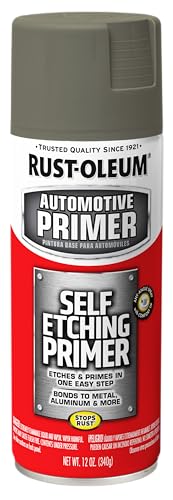
Rust-Oleum Automotive Self Etching Primer Spray
Self-etching primer creates a bondable base coat for paint on galvanized metal.

Rust-Oleum Professional Cold Galvanizing Compound Spray
Zinc-rich coating protects galvanized metal and prepares welded or bare steel surfaces.

Rust-Oleum Painter's Touch 2X Ultra Cover
Oil-based gloss topcoat adheres to metal for a durable, fast-drying finish.
What Galvanized Metal Actually Is
Galvanized metal is steel coated in zinc to stop rust. That zinc coating is the whole problem: it’s smooth, non-porous, and naturally resists sticking to anything, including paint. Adhesion, meaning how well two surfaces stick together, is exactly what you’re fighting here.
Why the Answer is Yes, with a Catch
Spray paint will bond to galvanized metal once you give the surface something to grab. That means thorough cleaning and degreasing, a light etching step to dull the shine, and a primer made for metal, ideally a self-etching primer that bites into the zinc. Without that surface preparation, expect peeling.
New vs. Weathered Galvanized: Two Different Jobs
Fresh galvanized metal is the hardest to paint because the zinc is still slick and often carries a factory oil film. Weathered metal is easier, but you must scrub away white rust and chalky residue first. Match your prep to the condition, then apply thin coats and respect drying time, temperature, and humidity on the label.
Can You Paint Over Galvanized Steel?
Can You Paint Over Galvanized Steel?
Yes, you can spray paint galvanized metal, but only after surface preparation that lets paint grip the zinc coating. Skip that step and adhesion, the bond that makes paint stick to the metal, fails within months. Plan on cleaning, degreasing, and etching before any can touches the steel.
Spray Paint vs. Brush-On Paint on Galvanized Steel
Both work, but they fail for different reasons. A rattle can lays down thin, even coats fast, yet thin films show every flaw in your surface preparation. Brush-on paint builds thickness quicker and tolerates slightly rougher metal.
Spray paint wins on complex shapes, mesh, and small parts where a brush cannot reach. Brushing wins on large flat panels and anything outdoors that takes abuse. Either way, adhesion depends on the zinc coating being clean and etched, not on the delivery method.
One practical edge for aerosol: you can recoat sooner. Typical recoat windows run 1 to 2 hours at 70°F, versus 4 to 24 hours for brush-on enamel.
When a Roller or Brush Beats a Rattle Can
Choose brush or roller when the surface is big, flat, and you need a thick, durable film. A 4 by 8 foot garage door soaks up too much aerosol, and a 12 ounce can covers roughly 10 to 12 square feet per coat.
- Windy outdoor sites where overspray drifts onto siding or cars
- Heavy rust spots that need a high-build primer sanded between coats
- Budget jobs where a quart of direct-to-metal paint beats six cans
Whichever route you pick, the same rules hold: degreasing with a solvent wipe, etching, a self-etching primer, and 50 to 90°F temperature with humidity under 85%.
Why Galvanized Metal Sheds Paint (and What Zinc Has to Do with It)
The Oily, Passivated Surface on New Galvanized Steel
Fresh galvanized sheet has a thin oil film and passivation layer to prevent white rust in storage, both work against paint adhesion. Clean and degrease first with solvent or prep wipe until the rag runs clean; skipping this is the most common cause of coating lift.
Why Zinc Resists Adhesion
Bare zinc is smooth and chemically unreactive, so ordinary paint forms a weak film that flakes off. Fix: abrade for mechanical tooth, then apply a self-etching primer made for galvanized steel, a preparatory coating that grips zinc and gives topcoat something to hold.
How Weathering Changes the Surface
Outdoor exposure converts shiny zinc into a dull, chalky zinc oxide/carbonate layer that accepts paint better. Let new metal weather 6-12 months, then clean and degrease before spraying. If impatient, etch with mild acid wash, rinse, and dry fully. Spray only at 50-90 F with moderate humidity; plan thin coats and respect label drying time.
When Spray Painting Galvanized Metal Works Best
Fresh, Clean, Properly Etched Surfaces
Start with unpainted metal free of oil, dirt and white rust. Clean with a degreaser, rinse, and dry fully. Then etch the zinc coating so paint can grip, scuff with an abrasive pad or use a metal etch product. Slick zinc sheds coatings that skip this step. Follow with a self-etching primer made for galvanized steel; a thin, even coat gives your topcoat a stable base.
Mild Weather and Low Humidity
Spray when temperature is roughly 60-80°F and humidity stays under about 85 percent; check the can label for manufacturer limits. Move metal into shade before spraying, since direct sun heats it. Avoid windy days outdoors, wind ruins coverage and wastes product. Plan around rain for at least the full drying time, typically 24 to 48 hours.
Small Parts, Railings and Car Trim
Small pieces work best: brackets, gate hardware, railings and car trim are easy to handle, flip and coat evenly. Rattle cans give control without overspray waste. Large panels and high-wear surfaces are harder; if parts flex or take constant abrasion, expect touch-ups over time even with good preparation.
Quick Pre-Spray Checklist for Galvanized Metal
Is It New or Weathered?
New galvanized metal has a slick, mill-fresh zinc coating that resists paint. Weathered metal dulls to a matte gray after months outdoors, which gives spray paint a better grip. If the surface still shines, plan on a light abrasion first.
Is It Clean and Degreased?
Cleaning and degreasing is non-negotiable: oils, dust and handling residue kill adhesion. Wash with a mild detergent, rinse, and let it dry fully. Wipe with a degreaser, then scuff the surface lightly before you spray.
Do You Have the Right Primer?
You need a primer made for zinc-coated steel, ideally a self-etching primer that bites into the coating. A standard primer can lift or peel. Check the label for galvanized compatibility before you buy.
- New or weathered: note the finish before you prep.
- Cleaning: wash and rinse off all grit.
- Degreasing: remove oils that block adhesion.
- Scuffing: light abrasion dulls the shine.
- Primer: confirm it’s self-etching and galvanized-safe.
- Temperature and humidity: spray within the label range, typically 50 to 90 F and below 85 percent humidity.
- Drying time: allow full cure between coats, often 2 to 4 hours depending on conditions.
- New or weathered: note the finish before you prep.
- Cleaning: wash and rinse off all grit.
- Degreasing: remove oils that block adhesion.
- Scuffing: light abrasion dulls the shine.
- Primer: confirm it's self-etching and galvanized-safe.
- Temperature and humidity: spray within the label range, typically 50 to 90 F and below 85 percent humidity.
- Drying time: allow full cure between coats, often 2 to 4 hours depending on conditions.
Self-Etching Primer vs. Direct-to-Metal Paint: How to Choose
When to Etch the Surface First
Etch new galvanized metal when the zinc coating is bright and slick, since adhesion (how well two surfaces stick together) depends on a textured base. A phosphoric acid etch, mixed per the label at roughly 1 part acid to 3 parts water, opens microscopic pits the primer can grip.
Apply with a nylon brush, let it sit 3 to 5 minutes, then rinse with clean water and dry fully. Skip etching on dull, weathered metal that already offers tooth.
When Direct-To-Metal Paint is Enough
Direct-to-metal paint can work on clean, dull galvanized metal only if the label explicitly names zinc-coated steel. If it doesn’t, use a self-etching primer, a preparatory coating that bonds to bare metal and improves adhesion.
Spray two thin coats 10 to 15 minutes apart, then topcoat within the recoat window printed on the can, often 1 to 2 hours printed on the can, often 1 hour. Miss that window and you may need to scuff before painting.
Using Vinegar to Prep Galvanized Metal
White vinegar dulls a fresh zinc coating and lifts light oils, but it is a cleaning pass, not an etch. Follow it with a proper degreasing step to remove manufacturing residue that blocks adhesion.
Scrub with a degreaser, rinse, dry, then scuff with 220-grit paper. Spray between 60 and 80 degrees Fahrenheit at under 85 percent humidity for predictable drying time, and apply two to three thin coats rather than one heavy pass.
How to Spray Paint Galvanized Metal Step by Step
Clean and Degrease
Wash the panel with a degreaser and a stiff brush, then rinse and dry it completely. Any oil left on the zinc coating kills adhesion, which is how well the paint sticks to the surface.
Etch or Prime
Scuff the surface with 220-grit abrasive or a chemical etch until it looks dull instead of slick. Wipe off the dust, then lay down one thin pass of self-etching primer and let it flash per the label.
Apply Thin Coats
Shake the can a full minute and spray light coats from 10 to 12 inches, keeping the can moving. Thin layers beat one heavy coat every time.
Let It Cure
Give the finish 24 to 48 hours at 50 to 90 degrees Fahrenheit with low humidity. Skip the wait and you risk peeling later.
Follow these steps in order and the zinc coating stops fighting your paint.
Your Action Plan for Spray Painting Galvanized Metal
Spray paint will stick to galvanized metal only if you deal with the slick zinc coating first. Skip that step and you get peeling within months. Follow this order and it holds.
| Action | Why it helps | How to start |
|---|---|---|
| Clean the surface | Removes dirt and oils that block adhesion | Wipe with a degreaser, then rinse |
| Degrease again | Lifts invisible shop oils | Use a clean rag and mild solvent |
| Etch or scuff | Gives the zinc coating a tooth for grip | Light abrasive pad or etching solution |
| Apply primer | Bonds paint to bare zinc | Use a galvanized-compatible primer, thin coats |
| Spray paint | Builds color and protection | Several light coats, not one wet coat |
| Control conditions | Temperature and humidity affect curing | Spray around 50 to 90 F, low humidity |
| Let it cure | Full hardness beats dry-to-touch | Wait days before heavy use |
| Recheck yearly | Catches chips before rust starts | Touch up bare spots promptly |
Gather Tools and Materials
You need a degreaser, an abrasive pad or etching solution, a galvanized-compatible primer, spray paint, painter’s tape, and gloves. A respirator and eye protection matter too, since aerosols are harsh. Budget roughly $30 to $80 in materials for a small project, more for large surfaces.
Prep, Prime, Paint, Cure
Cleaning and degreasing come first, because adhesion (how well surfaces stick together) fails on oily zinc. Scuff or etch the coating, then apply thin primer coats. Spray paint in several light coats, respect drying time between them, and avoid high humidity or cold temperature.
Plan for Maintenance
Expect to touch up chips once a year or so. Inspect edges and joints where moisture collects, and recoat bare spots before rust sets in. A quick annual check keeps the finish intact for years.
When Spray Painting Galvanized Metal Doesn't Work
Heavily Rusted or Contaminated Surfaces
Skip the aerosol on anything with heavy rust, oil, or mill scale. That layer blocks adhesion, which is simply how well the paint sticks to the metal, and your finish will flake within months. Strip or sand back to sound galvanized metal first, then clean and degrease thoroughly.
If pitting or white rust covers more than a small patch, spot-prime with a self-etching primer, a coating made to bite into bare metal, before you spray. Otherwise, plan on a full removal job, not a quick coat.
Cold or Damp Conditions
Don’t spray below about 50°F or when humidity is high or rising. Cold slows curing, moisture traps under the film, and adhesion suffers. Check the can for the maker’s range and stay inside it.
Metal also holds temperature, so a panel sitting in shade can be colder than the air. Let it reach room temperature before you start, and avoid spraying in direct sun that heats the surface unevenly.
Car Parts That Need Flexible, Durable Finishes
Standard aerosol paint isn’t the right call for flexible or high-wear car parts. Bumpers, trim, and suspension pieces flex and take road abuse that a basic rattle-can film can’t handle. Use an automotive-grade system with proper primer and clear coat instead.
For galvanized car panels, do full surface preparation: cleaning, degreasing, etching, then primer. Rushed work here shows up as peeling within a season.
Myths About Painting Galvanized Metal, Corrected
Myth: Paint Won’t Stick to Galvanized Steel
Paint sticks fine to galvanized metal once the zinc coating is properly prepared. Adhesion, the ability of two surfaces to bond, fails on slick new zinc, not on the metal itself. Clean, degrease, and etch the surface, and your coating will hold for years.
Myth: You Can Skip the Primer
You can skip primer only on fully weathered galvanized metal, and even then it is a gamble. Fresh zinc needs a self-etching primer or a direct-to-metal product made for galvanized surfaces. When choosing the right primer, check the label for galvanized compatibility, then let it cure fully before topcoating. Rushing drying time between coats is the most common cause of peeling.
Myth: Any Spray Paint Works
Standard aerosol paint is not the best spray paint for galvanized metal. Look for products labeled for galvanized or zinc surfaces, typically bonding primers and direct-to-metal formulas. Apply two or three thin coats within the window the manufacturer specifies, and only when temperature and humidity fall inside the label’s range.
Common Mistakes When Spray Painting Galvanized Metal
Skipping Degreasing
Zinc coating arrives with mill oils and handling grime that block adhesion, so clean first. Wipe the surface with a degreaser, rinse, and let it dry fully before you spray paint galvanized metal.
Overcoating Too Fast
Laying on heavy coats before the previous one flashes off traps solvent and causes wrinkling. Apply thin coats, usually 2 to 3, and respect the recoat window on the can.
Ignoring Curing Time
Dry to the touch is not cured. Full hardness typically takes several days to a week depending on temperature and humidity, so avoid hard handling until then.
Troubleshooting Adhesion Issues
If paint lifts or flakes, the surface preparation was incomplete. Strip it, degrease again, and use a self-etching primer made for zinc coating before repainting.
- No degreasing: oils kill adhesion, so clean and rinse first.
- Rushed coats: thin layers beat one heavy pass.
- Early handling: curing takes days, not hours.
- Peeling paint: strip, clean, and prime with self-etching primer.
- Wrong conditions: spray at moderate temperature and low humidity.
When to Ask for Help with Galvanized Metal Painting
Talk to a Paint Store Expert
Ask a paint store expert when you’re unsure which self-etching primer suits your zinc coating. They can confirm compatibility and explain proper safety precautions for solvent-based aerosols. Bring the part or a photo, plus the paint label.
Check the Manufacturer’s Guidance
Contact the spray paint manufacturer when your project involves unusual environmental considerations, like painting indoors or in extreme heat. Ask for the technical data sheet covering drying time, temperature and humidity limits. Follow their instructions over generic advice.
Call a Local Pro for Large or Critical Jobs
Hire a local pro for painting galvanized car parts or any surface where failure is costly. Ask about their surface preparation and cleaning process, plus what primer and adhesion testing they use. Get the warranty in writing.
- Ask a paint store expert which self-etching primer matches your specific zinc coating.
- Contact the manufacturer for drying time and temperature limits when conditions are unusual.
- Call a local pro for galvanized car parts where adhesion failure would be expensive.
Can You Spray Paint Galvanized Metal: Frequently Asked Questions
?Can You Spray Paint Galvanized Metal Without Any Prep?
No, you can't skip surface preparation. The zinc coating on galvanized metal is slick and can have oils that prevent adhesion, which is the interaction that makes surfaces stick together. You must clean and degrease the metal, then etch it or use a self-etching primer. Without these steps, the spray paint will likely peel or flake off.
?Can You Spray Paint Galvanized Metal That Has Been Outside for Years?
Yes, but you need to clean it thoroughly first. Years of exposure can leave dirt, mildew, and oxidation on the zinc coating. Use a degreaser and a stiff brush, then rinse and let it dry completely. If the surface is chalky or has white rust, sand it lightly before applying spray paint. Proper cleaning ensures adhesion and a long-lasting finish.
?Does Spray Paint Adhere to Galvanized Metal in Cold or Humid Conditions?
No, you should avoid spray painting galvanized metal in cold or humid conditions. Most spray paints require a temperature between 50°F and 90°F and low humidity for proper drying and adhesion. Cold or damp air can slow drying time and cause the paint to fail. Always check the label and plan for a dry, moderate day.
?How Many Coats of Spray Paint Does Galvanized Metal Need?
Apply two to three light coats for best results. Start with a thin coat of self-etching primer or direct-to-metal paint, then follow with two coats of your topcoat. Light coats prevent runs and improve adhesion. Allow the recommended drying time between coats, usually 10-15 minutes for flash-off, then a full recoat window as specified on the can.
?Why Does Spray Paint Peel off Galvanized Metal?
Spray paint peels off galvanized metal because the zinc coating is non-porous and can release oils over time, preventing adhesion. Without proper surface preparation, cleaning, degreasing, and etching, the paint can't grip. Also, skipping primer or applying too thick a coat can lead to peeling. Always follow the prep steps to avoid this common mistake.
?What is the Best Primer for Spray Painting Galvanized Metal?
A self-etching primer is the best choice for spray painting galvanized metal. It contains mild acid that etches the zinc coating, creating a profile for adhesion. Alternatively, a direct-to-metal (DTM) primer designed for galvanized surfaces works well. Apply a thin, even coat and let it dry per the label before topcoating. Avoid oil-based primers that may not bond.
?When Can You Spray Paint Galvanized Metal Without Primer?
You can spray paint galvanized metal without primer only if you use a paint specifically formulated for galvanized surfaces, such as a direct-to-metal (DTM) coating. These paints contain additives that promote adhesion to zinc. However, you still must clean and degrease the metal first. For most situations, using a self-etching primer is safer and more reliable.
Our Thoughts
So the short answer stands: aerosol paint will bond to galvanized metal only after you strip the zinc coating’s slick surface tension. Adhesion, the simple sticking of paint to metal, depends entirely on your surface preparation. Rushed cleaning, skipped degreasing, or no etching means peeling within weeks, not months.
Your best next step is a test panel. Cut a scrap of the same galvanized metal, clean and degrease it, etch it, then apply a self-etching primer and two light coats of spray paint. Watch drying time at your planned temperature and humidity before committing to the real piece.