

Yes, acrylic paint can go over spray paint, but only if the spray paint is fully cured, degreased, and lightly sanded, because water-based acrylic needs a clean, dull surface to achieve proper adhesion.
Spray paint over acrylic is a risky bet; acrylic over spray paint can work, but only with the right prep. If you’re wondering can you paint acrylic over spray paint, the answer hinges on compatibility and adhesion, not luck.
This article gives you the exact steps to avoid peeling, wrinkling, and wasted paint. You’ll learn how to test compatibility, prepare the surface, and choose the right primer and topcoat so your finish holds up. Skip the guesswork and get it right the first time.
Can You Paint Acrylic Over Spray Paint? the Short Answer
Acrylic paint can go over spray paint, but only when the existing coating is fully cured and properly prepared. Skip either step and you risk peeling, wrinkling, or a finish that never hardens right.
| Situation | What it means | What to do |
|---|---|---|
| Spray paint fully cured, days to weeks old | Solvent has flashed off, film is hard | Scuff with fine abrasive, degrease, then coat |
| Fresh spray paint, hours old | Solvent still escaping, film soft | Wait until fully cured before recoating |
| Glossy spray finish, no sanding | Slick surface, weak mechanical bond | Sand dull, wipe clean, apply primer |
| Unknown spray type or brand | Solvent or water-based unclear | Test patch on hidden area first |
| Oily or dirty surface | Contaminants block adhesion | Degrease, rinse, dry completely |
| Spray paint on bare metal | Bare substrate under thin film | Prime for adhesion before acrylic |
| Enamel spray under craft acrylic | Hard film, flexible topcoat | Light sanding and a bonding primer |
Recommended for this job

Shuttle Art Acrylic Paint
Provides acrylic paint colors for coating properly primed or cured spray paint surfaces.

Rust-Oleum Painter's Touch 2X Ultra Cover
White primer base improves acrylic adhesion over spray paint on multiple surfaces.
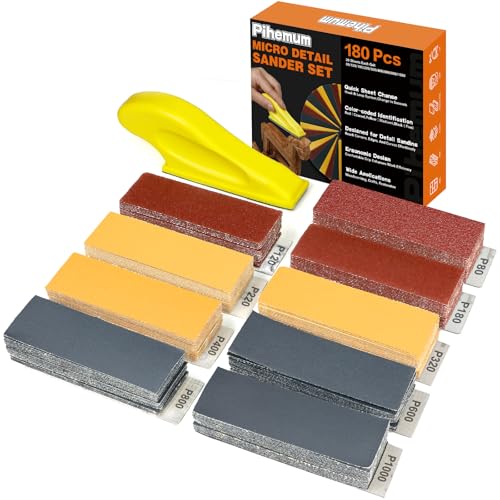
Mini Detail Sanding Kit
Sands spray paint smooth so acrylic topcoats bond evenly without texture issues.
Yes, usually, with one condition: the spray paint must be fully cured, not just dry. Curing is the process of hardening a material into cross-linked polymer chains, and solvent-based aerosols can take 7 days or more to fully cure at 70°F. Press a thumbnail in; if it leaves a mark, wait.
When the Answer is Yes
Cured, dulled, and clean spray paint accepts acrylic paint well. Scuff it with 220 to 320 grit sanding to give the acrylic something to grip, since adhesion is simply dissimilar surfaces sticking together. Wipe off dust with a tack cloth, degrease with isopropyl alcohol, then apply a primer made for slick surfaces if you want extra insurance.
When the Answer is No
Soft, glossy, or contaminated spray paint will fight you. Fresh aerosol enamel still off-gassing solvent within 24 to 48 hours can wrinkle under a water-based topcoat, and silicone or oil residue kills adhesion outright. If you cannot identify the spray paint, do not gamble on a whole panel.
The One Condition That Decides It
Compatibility comes down to cure state and surface preparation, nothing else. Water-based vs solvent-based matters less than whether the old film is hard and scuffed. Run a test patch on a 6 inch square, let it dry the full recoating window, then try to scratch it off before committing.
Surface preparation means cleaning, degreasing, and lightly sanding the spray paint so the acrylic can grip it.
Your Step-by-Step Action Plan Before You Touch a Brush
Work through these four checks before you load a brush. Each one catches a failure point early, when fixing it costs minutes instead of a full repaint.
| Action | Why it helps | How to start |
|---|---|---|
| Identify the spray paint | Solvent-based enamel behaves differently from lacquer | Read the can label or check the sheen |
| Degrease the surface | Oils and silicones kill adhesion | Wash with a degreaser, then rinse |
| Scuff with fine abrasive | Gives acrylic paint a mechanical grip | Sand lightly, then wipe dust off |
| Run a test patch | Proves compatibility before you commit | Coat a hidden area, cure, then scratch |
| Pick a primer if needed | Blocks bleed-through and locks the base | Use a bonding primer on glossy or unknown coats |
| Apply thin coats | Thick layers trap solvent and lift | Brush, roll, or spray light passes |
| Respect dry and cure time | Recoating early smears the layer below | Follow the label, typically hours to days |
Your Step-by-Step Action Plan Before You Touch a Brush
Read the spray can label first and confirm solvent-based versus water-based chemistry, because acrylic paint bonds differently to each. Then degrease the entire surface with a degreaser or isopropyl alcohol and a lint-free cloth, since fingerprints and shop oils kill adhesion.
Scuff the spray paint with 220 to 320 grit sanding paper until the sheen dulls, then wipe off all dust with a tack cloth. A primer made for glossy surfaces adds a bonding layer if the spray paint is a hard enamel or lacquer.
Brush a test patch on a hidden 3 to 4 inch area and let it cure for the full label dry time, typically 24 hours. Scratch it with a fingernail; if it lifts, stop and prime instead of recoating.
Dry time is the period a coat must set before recoating, as stated on the paint label.
Test a Patch, Read the Label: the Decision Rule That Saves Your Finish
How to Run a 24-hour Adhesion Test
Apply a small patch of acrylic paint to a cleaned, dry area of the spray-painted surface, then let it sit for a full 24 hours before judging it. This gives adhesion, the bond between the two coatings, time to fully develop.
After 24 hours, press tape firmly onto the patch and pull it off at a 90-degree angle. If the acrylic lifts cleanly with the tape, the bond failed and you should not proceed with a full coat.
Reading Solvent vs Water-Based Labels
Check the can for cleanup instructions: water cleanup means water-based, solvent cleanup means solvent-based. Enamel and lacquer form hard, glossy films that resist water-based acrylic paint, so compatibility risk is higher. Acrylic aerosol is more forgiving and usually accepts acrylic paint with less prep.
What a Failed Test Tells You
A failed patch means the acrylic cannot grip the spray paint directly, so you need a primer or a light sanding to create a mechanical key. Degreasing first removes oils that block adhesion. If the test still fails after prep, choose a different topcoat rather than forcing a bond that will peel.
When Acrylic Over Spray Paint Actually Works
Fully Cured Solvent Enamel or Lacquer
Solvent-based spray paint can be overcoated with water-based acrylic once it is fully cured. Curing is the process of the coating hardening into a stable film, and that takes longer than feeling dry. Give aerosol enamel 7 days or more at room temperature, and lacquer 7 days or more, before recoating.
Scuffed and Deglossed Surfaces
It works when the spray film is dulled first. Glossy aerosol finishes give acrylic paint little to grab, so sanding with 220 to 320 grit creates the mechanical bite adhesion needs, which is simply two surfaces sticking together. Wipe off the dust, then degrease before you paint.
Primed or Sealed Spray Coats
It works reliably when a primer or sealer bridges the two coatings. A primer is a preparatory coat that gives the acrylic a predictable surface to bond to. Use a water-based bonding primer over cured enamel, or a shellac-based sealer over unknown aerosols, then sand lightly before the topcoat.
Craft Acrylic Over Light Spray Layers
It works when the aerosol layer is thin and stable. Acrylic aerosol is compatible with water-based acrylic paint, and light coats of solvent spray usually accept craft acrylic after a test patch. Apply a test patch on a hidden spot, let it dry 24 hours, then check for wrinkling or peeling.
Keeping the New Acrylic Coat Looking Good
Cleaning Without Lifting Edges
Dust and grime come off with mild soap and water, not solvents. Wipe gently with a soft cloth or sponge, then dry the surface so water doesn’t sit along edges where adhesion is weakest.
Skip ammonia-heavy cleaners and abrasive pads on fresh acrylic paint. Wait until it is fully cured, typically 7 to 14 days depending on humidity and film thickness, before any real scrubbing.
Recoating and Spot Repairs
Light scuffs usually touch up cleanly with the same acrylic paint once the surface is degreased. Feather the repair into surrounding areas and keep coats thin so dry time stays predictable.
For extra durability, a compatible topcoat or clear sealer helps, especially on high-traffic trim or auto panels. Confirm compatibility on a test patch first, and let each coat cure before recoating.
Watching for Peeling or Chalking
Chalking looks like a powdery film and signals the old spray paint is breaking down under your acrylic layer. Peeling at edges means adhesion failed, often from skipped sanding or leftover grease.
Address small failures early: sand back to sound paint, degrease, spot prime, then recoat. Catching it at this stage keeps the repair cheap and local.
Is It Okay to Put Acrylic Paint on Top of Spray Paint?
Same Rules, Different Wording
Water-based acrylic can go over solvent-based spray paint only after it’s fully cured, aerosol enamel may take days to weeks. Until then, solvents off-gas and can lift or wrinkle the topcoat. Artist and craft acrylics bond well to a cured, scuffed surface; craft acrylics have more filler and less pigment, so they may need extra sanding between coats. Adhesion is the goal.
What Changes on Plastic and Car Panels
Plastic and car panels demand the most caution because flexible substrates and solvent residues fight adhesion. A degreasing wipe, light sanding, and a test patch on a hidden spot are non-negotiable. On car panels, skip craft acrylic and use an automotive-grade primer first; plastic bumpers flex, so a rigid acrylic topcoat can crack without a flexible primer.
What Stays the Same on Wood and Metal
Wood and metal follow the standard routine: degrease, sand, prime, then apply acrylic. Surface prep matters more than brand. Let each coat dry per the label (typically 1-4 hours), sand lightly between coats, and test compatibility before committing.
Drying, Curing, and Topcoats: the Timing That Makes or Breaks It
How Long Spray Paint Must Cure First
Give solvent-based spray paint 7 days or more before acrylic touches it, and longer in cool or humid conditions. Curing, the process of hardening into cross-linked polymer chains, is not the same as feeling dry. A dry surface can still be soft underneath.
Press a fingernail into a hidden spot. If it leaves a dent, wait. Painting too early traps solvent and causes wrinkling or poor adhesion, the bond that makes one coating stick to another.
Recoat Windows for Acrylic
Most water-based acrylic paint accepts a second coat in 1 to 4 hours, depending on thickness and humidity. Follow the label’s dry time rather than guessing, and sand lightly between coats if the surface feels rough.
Apply with a brush or roller for control, or thin and spray for large panels. Keep coats thin. Heavy single coats skin over and stay soft far longer.
Sealers That Play Nice with Both
Choose a water-based acrylic clear coat or a compatible primer-sealer rated for both finishes. A primer, a preparatory coating applied before painting, can bridge the water-based vs solvent-based gap and improve adhesion.
Always run a test patch on scrap or a hidden area. Degreasing and light sanding before sealing prevent fisheyes and peeling, and a proper topcoat locks the job down for good.
How Heat, Cold, and Humidity Change the Answer
Cold Garages and Slow Curing
Cold slows everything down, so give each coat extra time before you recoat. Below about 60°F, water-based acrylic paint may need 4 to 8 hours between coats instead of the usual 2 to 4. Curing, the process of hardening into a durable film, can stretch from days to weeks.
Bring smaller pieces indoors to dry. On large surfaces, use a space heater and keep airflow moving. Rushed recoating traps solvent from the spray paint underneath and weakens adhesion.
Humidity and Blushing
High humidity slows water evaporation and can leave a cloudy haze called blushing, especially over dark spray paint. Keep relative humidity under roughly 70 percent when possible, or add ventilation and a fan.
Wipe off condensation before painting, and never apply a topcoat over a damp panel. Blushing that sets hard often means sanding back and starting that area again.
Direct Sun and Hot Metal Panels
Hot panels make acrylic paint skin over too fast, so it never bites into the spray paint below. Paint metal in shade or early morning when surface temperatures stay under about 90°F.
Sun also speeds dry time unevenly, causing lap marks and poor long-term durability. A light sanding and degreasing before recoating keeps the finish holding up through seasons of weather.
How to Tell If Your Spray Paint is Ready for Acrylic
Do the Fingernail and Tape Tests
A quick test patch tells you whether the aerosol finish is fully cured before you add acrylic paint. Press a fingernail into a hidden spot; if it dents or feels tacky, wait longer. Then press tape down, peel it slowly, and check for lifting.
Scuff with Fine Grit and Wipe Down
Sanding gives the acrylic paint something to grip, which is what adhesion (surfaces sticking together) depends on. Scuff with 220 to 320 grit until the gloss fades, then wipe off dust and degrease.
Apply Two Thin Acrylic Coats
Thin coats beat one heavy pass, whether you brush, roll, or spray. Keep a wet edge and expect 2 to 4 hours of dry time between coats.
Wait the Full Cure Before Judging
Curing (hardening into a tough film) takes longer than drying. Give it 7 days or more before you test adhesion or add another topcoat.
Run these checks before you commit a whole panel or canvas to a water-based topcoat over an aerosol finish.
When It Doesn't Work: Fresh Enamel, Lacquer, and Flexible Plastics
Uncured or Soft Solvent Coats
Fresh enamel must fully cure before water-based paint touches it, soft paint traps solvent that fights acrylic. Wait the recoat window plus extra, often 7 days in mild weather. Press a thumb into a hidden spot; if tacky or marked, keep waiting.
Lacquer That Lifts Under Water-Based Paint
Lacquer thinner can wrinkle when acrylic’s water hits it. Test a patch: thin acrylic coat, dry 24 hours, scratch with a fingernail. Lifting, blistering, or peeling means incompatibility, stop. A shellac-based primer usually solves it after the patch passes.
Flexible Bumpers and Trim
Rigid acrylic cracks on flexing bumpers and plastic trim. Use flexible primer and topcoat rated for plastic. Degrease, sand lightly with 400 grit, then test a hidden edge.
Surface Preparation That Fails Anyway
Skip sanding or degreasing and adhesion fails regardless of paint. Sand glossy enamel dull and wipe with degreaser. Strip peeling, chalking, or thick layers to bare substrate and prime. Remove failed acrylic by scraping or sanding, then repaint properly.
Common Mistakes That Ruin Acrylic Over Spray Paint
Most failures trace back to four avoidable habits. Fix these and the coating holds.
Skipping the Degrease Step
Grease and silicone residue kill adhesion, the bond that makes one surface stick to another. Wash the panel with a degreaser, rinse, and let it dry fully before you touch it.
Painting Over Uncured Enamel
Solvent-based spray paint needs full curing, the process of hardening into a tough film, before acrylic goes on. Wait the label’s dry time plus extra days, then confirm with a test patch.
Laying It on Too Thick
Heavy coats trap solvent and cause wrinkling or poor adhesion. Apply thin layers, respect recoating windows, and let each pass dry.
Mixing Artist and Craft Acrylics Blindly
Artist and craft acrylic paint differ in binder and flexibility, so compatibility is not guaranteed. Test each on a hidden spot first, and work in ventilated space per OSHA guidance.
- Degrease first: wash with a degreaser, rinse, and dry fully so adhesion is not compromised.
- Respect curing: uncured solvent-based spray paint can wrinkle under acrylic, so wait the full dry time.
- Apply thin coats: heavy layers trap solvent and weaken adhesion, so build slowly and follow recoating windows.
- Test acrylic types: artist and craft acrylic paint behave differently, so run a test patch before committing.
- Ventilate: work in a well-ventilated area and follow OSHA guidance for solvent and acrylic fumes.
- Sand lightly: scuffing the spray paint improves adhesion, but clean dust off before the next coat.
When to Call a Pro (and When to Just Strip It)
Car Panels and OEM Finishes
Stop if the panel is factory-finished or has clear coat. Acrylic paint over a cured automotive finish often fails adhesion, the ability of two surfaces to stick together, and blending a repair is a body-shop job. A pro can match color and prep the surface correctly.
Large Metal or Structural Pieces
Call a pro when the piece is structural, load-bearing, or too big to move safely. Improper sanding, which is removing surface imperfections with an abrasive, on structural metal can weaken it. Let a qualified shop handle prep and coating.
Fumes, Sanding Dust, and Ventilation Limits
Hire help if you cannot ventilate the space or keep dust contained. Spray paint and sanding dust carry real health risks, so follow OSHA guidance and the manufacturer’s safety data. No safe airflow means no DIY session.
Cost and Effort: Topcoat vs Full Repaint
Stripping and repainting usually costs more in time and materials than a topcoat, but a failed bond costs more. If a test patch lifts or wrinkles after curing, the surface needs removal, not another coat. Budget a full repaint instead of chasing fixes.
Stop and call a professional if:
- If a test patch lifts or wrinkles after curing, the surface needs removal, not another coat.
Can You Paint Acrylic Over Spray Paint: Frequently Asked Questions
?Can You Paint Acrylic Over Spray Paint Without Sanding First?
Only if the spray paint is fully cured and glossy-smooth, and even then you're gambling on adhesion, the bond between two paint layers. Light sanding with 220-grit gives the acrylic paint something to grip and removes the slick sheen that causes peeling. Skip it on a cured, hard enamel and you may get away with it; skip it on fresh or soft spray paint and you won't.
?Can You Paint Acrylic Over Spray Paint that's Still Tacky or Fresh?
No. Wait for full curing, the process of hardening into cross-linked polymer chains, before any acrylic goes on top. Fresh solvent-based spray paint is still releasing solvents, and trapping them under a water-based coat causes wrinkling, lifting, or a permanently soft finish. Check the label's dry time and recoating window, then add extra days for safety. If it feels cool or tacky, it isn't ready.
?Can You Paint Acrylic Over Spray Paint, and How Do You Prep the Surface so Adhesion Actually Holds?
Yes, you can paint acrylic over spray paint if the spray coat is fully cured and properly prepared. Degrease the surface with denatured alcohol to remove oils and fingerprints, then sand lightly with fine grit to dull the gloss and level imperfections. Wipe away all dust before applying. A primer suited to the topcoat adds a bonding layer when you are unsure. Preparation is the whole game; most failures trace back to a skipped step, not the paint itself.
?Does Acrylic Paint Stick to Solvent-Based Spray Paint, or is Compatibility a Real Problem?
It usually sticks, but compatibility depends on the spray paint's chemistry. Water-based vs solvent-based is the key split: cured solvent-based enamel or lacquer gives acrylic paint a hard substrate that bonds fine after sanding. Soft, fresh, or flexible spray coatings are the risk. Always run a test patch on a hidden area and check adhesion after 24 hours before committing to the whole piece.
?What Happens If You Paint Acrylic Over Spray Paint that's an Enamel or Lacquer?
Cured enamel and lacquer generally accept acrylic paint well once sanded and degreased, because the hard film won't flex under the new coat. The failure cases are fresh enamel, uncured lacquer, and flexible plastics where the spray paint moves, the acrylic paint cracks or flakes as the base shifts. Test a patch, then wait a full dry time before judging the result.
?When Should You Use a Primer Between Spray Paint and Acrylic Paint?
Use a primer whenever the spray paint's condition or chemistry is uncertain, or when the surface will see handling and wear. A primer is a preparatory coating that gives the acrylic paint a consistent, grippy layer and blocks any bleed-through. It's cheap insurance compared to stripping a failed topcoat. On a known cured enamel with good sanding, you can often skip it.
?Why Does Acrylic Paint Peel off Spray Paint, and How Do You Prevent It?
Peeling almost always means poor adhesion from contamination, no sanding, or coating over uncured spray paint. Solvents trapped underneath push the acrylic off as they escape. Prevent it with degreasing, sanding, a proper test patch, and respecting dry time and recoating windows. If a patch lifts after 24 hours, strip and restart rather than adding more acrylic paint on top.
Our Thoughts
Acrylic paint over spray paint works when the solvent-based coat is fully cured, meaning it has hardened into a stable film, not just dried to the touch. That can take a few days to a couple of weeks depending on the product and conditions. Degrease, sand to a dull finish, and confirm adhesion with a test patch before committing to the whole surface.
Your smartest next step is that test patch: apply a thin acrylic coat to a small hidden area, let it dry per the label, then try to lift it with tape. If it holds, proceed with light recoating coats and a compatible topcoat. If it peels, scuff further or add a primer built for the job.