
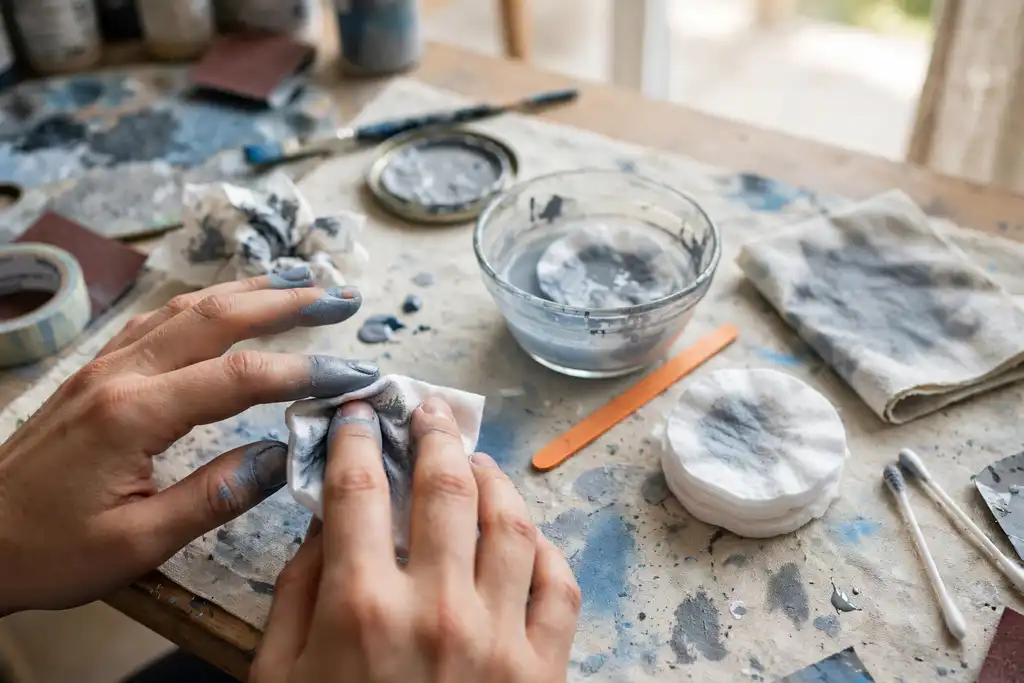

To get spray paint off fingernails, act before it fully cures: wash with warm soapy water and a nail brush, then use acetone or isopropyl alcohol on a cotton ball, and avoid harsh solvents like gasoline that can damage skin.
Clean fingernails without angry red skin or a damaged nail plate is the goal, and it starts with the right solvent and a light touch. Knowing how to get spray paint off fingernails means matching the remover to the paint and stopping before you irritate the cuticles.
This is a straight-talking safety plan for DIY homeowners, artists, and auto paint hobbyists who want the job done right once. You will get the exact order of operations, from acetone and nail polish remover to isopropyl alcohol and mineral spirits, plus the mistakes that turn a two-minute cleanup into a week of sore fingers.
- Start with acetone or nail polish remover on cotton balls for most spray paint.
- Use isopropyl alcohol for light overspray and mineral spirits for stubborn auto paint.
- Never scrape hard with an emery board; it thins the nail plate.
- Work near open ventilation and wear latex gloves if skin is sensitive.
- Finish with warm soapy water, a nail brush, and moisturizer to restore skin.
How to Get Spray Paint off Fingernails: the Quick Decision Before You Start
Before you reach for a solvent, make one quick call: is the spray paint still wet, tacky, or hard? That answer decides your method and protects your skin.
| Your situation | What to do | Why |
|---|---|---|
| Paint still wet | Wipe with dry cloth, then wash | Least solvent needed |
| Paint tacky, fresh | Try isopropyl alcohol first | Milder on skin |
| Paint fully hard | Acetone or nail polish remover | Breaks cured paint |
| Paint on cuticles | Mineral spirits on cotton ball | Targets skin safely |
| Paint under nail edge | Nail brush with warm soapy water | Lifts residue gently |
| Sensitive skin | Skip acetone, use alcohol | Avoids irritation |
| Unsure of paint type | Test on one nail first | Prevents damage |
Recommended for this job
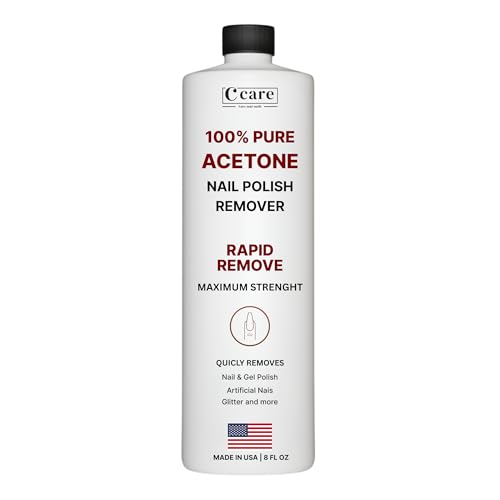
100% Pure Acetone Nail Polish Remover
Acetone dissolves spray paint residue so you can wipe it off fingernails.

Larbois Handle Grip Nail Brush
Stiff bristle brush scrubs paint out from under and around fingernails.
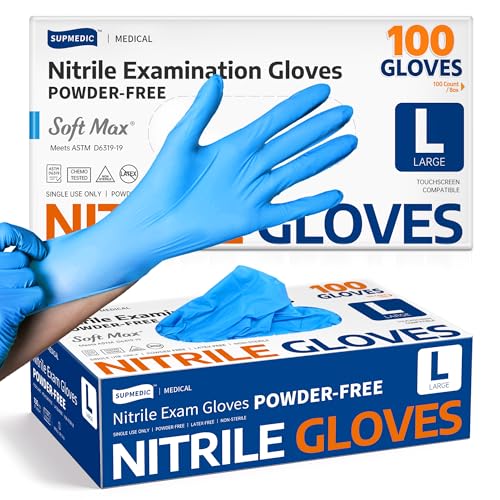
Supmedic Soft Max Medical Nitrile Exam
Wearing gloves prevents spray paint from getting onto your fingernails at all.
Is the Paint Still Wet, Tacky, or Fully Hard?
Wet paint wipes off with a dry cloth and warm soapy water. Tacky paint responds to isopropyl alcohol, a mild solvent. Fully hard paint needs acetone or nail polish remover.
Act fast: remove spray paint before it fully cures. Cured paint bonds to fingernails and takes longer to lift.
Which Solvent Matches This Paint Type?
Acetone, a chemical compound, dissolves cured spray paint fast. Nail polish remover, an organic solvent for polish, works similarly but weaker. Isopropyl alcohol handles fresh spray paint without drying skin.
For paint on cuticles, use isopropyl alcohol on a cotton ball instead of harsh solvents. Keep the room ventilated and wear latex gloves when handling stronger solvents.
Your 60-second Action Plan
- Wipe wet paint immediately.
- Soak a cotton ball in the matching solvent.
- Press on the nail for 30 to 60 seconds.
- Scrub gently with a nail brush.
- Rinse with warm soapy water.
- Lightly buff residue with an emery board.
- Apply moisturizer to cuticles.
Check Your Nails and Skin Before You Touch Anything
Wet, Tacky, or Cured: the Fingernail Test
Touch the spot with a clean finger before reaching for any solvent. Wet paint smears, tacky paint drags, and cured paint feels hard and dry. Fresh overspray usually wipes off with a single cotton ball, while paint left overnight may need a few minutes of solvent contact.
Is the Paint on Bare Nails or Over Polish?
Paint over polish needs a gentler path so the remover does not strip your manicure along with the overspray. On bare nails, go straight to acetone, a chemical compound that dissolves most solvent-based coatings. Work over a sink with the exhaust fan on for ventilation.
Any Cuts, Irritation, or Broken Skin?
Solvents sting open skin and can worsen irritation, so check cuticles and knuckles first. Cover any cut with a bandage before you start. If you see redness or swelling, stop and see a doctor before treating the area.
Test Solvent on a Small Area First
Put one drop of acetone or nail polish remover, an organic solvent used to remove polish, on a single nail and wait 60 seconds. Stop if you feel burning, then try isopropyl alcohol instead. If both fail, switch to mineral spirits on a cotton ball, wearing latex gloves.
Run this five-minute check before you reach for any solvent, because the right remover depends on what state the paint is in and what it is sitting on.
Why Spray Paint Sticks to Nails (and What Actually Loosens It)
Solvent-Based Paint vs. the Nail Plate
Aerosol spray paint carries pigment and resin in a solvent that flashes off in 10 to 20 minutes, leaving a cured film that bonds to the keratin of your nail plate. That film resists water and mild soap, so washing alone rarely helps once it has set.
Why Mineral Spirits Lift Fresh Overspray and Acetone Cuts Cured Film
Fresh overspray, still tacky within the first 30 to 60 minutes, wipes off with isopropyl alcohol on a cotton ball, a chemical substance that softens uncured enamel residue. Once cured, the film needs acetone, a fast-evaporating chemical compound that swells and lifts the resin; standard nail polish remover, an organic solvent for polish, is weaker and slower.
The Least Aggressive Method That Works
Work in this order, stopping when the paint lifts: warm soapy water and a nail brush for 2 to 3 minutes, then isopropyl alcohol on a cotton ball, then acetone. Soak one fingernail at a time for 30 to 60 seconds, keep acetone off your cuticles, and open a window or run a fan for ventilation. Skip the emery board on soaked nails, since wet keratin files away too easily. Finish with moisturizer and wear latex gloves next session.
An emery board is a small abrasive nail file used to gently buff away leftover paint residue from the nail.
Before You Start: Before You Start
Placeholder
Set up your workspace before touching the paint, and work near an open window or fan. Solvent fumes build fast in small rooms, so keep ventilation moving the whole time.
- Latex gloves: keep solvent off your skin while you work; swap them if they tear.
- Acetone or nail polish remover: acetone is a fast solvent; nail polish remover is an organic solvent sold for polish, and both strip paint and natural oils.
- Isopropyl alcohol or mineral spirits: isopropyl alcohol is a mild solvent for light smears; mineral spirits is a stronger solvent, so use it last and sparingly.
- Cotton balls and a nail brush: a nail brush is a small bristle brush for cleaning under and around the fingernails.
- Emery board and moisturizer: buff only the paint, then rehydrate skin and cuticles.
- Warm soapy water: rinse and stop solvent action.
Step-by-Step
Wash your hands with warm soapy water and a nail brush to lift loose paint and surface oils. Buff the painted spots lightly with an emery board, stopping before you thin the nail plate.
Dampen a cotton ball with acetone or nail polish remover, an organic solvent made to strip polish, and press it on one nail for 30 to 60 seconds. Wipe the softened paint away, then repeat on stubborn patches rather than scrubbing.
Switch to isopropyl alcohol on a fresh cotton ball for thin films acetone leaves behind. For cured or thick coats, use mineral spirits on a cotton ball, working outdoors or with strong ventilation.
Clean the skin around your cuticles with warm soapy water and the nail brush, then apply moisturizer to your fingernails and cuticles, since solvents strip natural oils. Wear latex gloves on your next spray paint job and keep the can at least 10 inches from your hands.
Work through these steps in order, and keep solvent off your skin as much as possible.
A Second Path If the Topic Has One
Skip mineral spirits on skin. Instead, work from mildest to strongest: warm soapy water, then isopropyl alcohol, then acetone or nail polish remover (an organic solvent used to remove polish). Press a soaked cotton ball on each nail for 30 to 60 seconds, then scrub with a nail brush.
Never scrape with metal tools. Buff remaining flecks lightly with an emery board, and moisturize afterward to restore oils. Wear latex gloves next time and keep ventilation strong.
When solvent-based paint has cured hard on the nail plate, a gentler solvent sequence beats harsh scraping.
Troubleshooting
When the usual method stalls, match the symptom to the fix before you scrub harder.
| Problem | Likely cause | Fix |
|---|---|---|
| Paint won't budge after acetone | Cured solvent-based coating | Soak longer, then gently use emery board |
| Skin stings or turns red | Acetone left on too long | Rinse with warm soapy water, apply moisturizer |
| Paint stuck under cuticles | Solvent missed the edge | Dab isopropyl alcohol with cotton balls |
| Nails look chalky and dry | Overexposure to solvents | Moisturize, pause removal for a day |
| Fumes building up indoors | Poor ventilation | Move to ventilated area or wear latex gloves |
| Residue keeps spreading | Solvent on cotton ball smearing paint | Switch to fresh cotton balls each pass |
If paint survives one acetone pass, it has likely cured. Soak a cotton ball, hold it on the nail a few minutes, then gently lift with an emery board. Stop if skin stings.
For smearing, use fresh cotton balls each pass. Work near open ventilation, and finish with warm soapy water and moisturizer.
A Quick Checklist Before You Start or Decide
Run through this before you touch a solvent. Two minutes of prep prevents most skin damage and mess.
- Check the paint state: Confirm the paint is fully dry or still tacky. Wet aerosol paint smears deeper into the nail plate if you wipe too soon.
- Read the can: Note the solvent base on the label. Manufacturer instructions tell you what thinner or remover actually works.
- Set ventilation: Open a window or work outdoors. Acetone and mineral spirits, a petroleum-based solvent, both put fumes in the air fast.
- Protect the surroundings: Lay down newspaper and keep cotton balls, an emery board, and a nail brush within reach.
- Skip harsh shortcuts: Never reach for gasoline, paint thinner on skin, or a metal file. These damage the nail and cuticles.
- Plan aftercare: Have moisturizer ready. Solvents strip oils, so you rehydrate right after.
A Real-Life Scenario Walked Through from Start to Finish
Start with the Least Aggressive Method and Work up
Begin with warm soapy water and a nail brush, a brush made for cleaning under and around the fingernails. Most fresh overspray lifts with a few minutes of scrubbing. If the paint has already cured, move to the next step.
Try Isopropyl Alcohol Before Anything Stronger
Isopropyl alcohol, a common solvent, softens many spray paint films without attacking skin. Soak a cotton ball, press it on the nail for 30 to 60 seconds, then wipe. Repeat two or three times before escalating.
Use Acetone Sparingly and Protect the Cuticles
Acetone, a fast-evaporating chemical compound, cuts cured paint but strips natural oils from skin and nails. Dab it on with a cotton ball rather than soaking, and keep it off the cuticles. Nail polish remover, an organic solvent for removing polish, works as a gentler stand-in.
Know When to Stop and What Not to Do
Never pick at paint with metal tools or file the nail plate hard with an emery board. Mineral spirits, a stronger solvent, belongs on tools, not skin. Work near open ventilation, wear latex gloves for future jobs, and finish with moisturizer.
Common Mistakes to Avoid
Skip the Harsh Shortcuts
Most damage happens when people reach for the strongest solvent first. Work from mild to strong, and stop as soon as the paint lifts.
- Don’t soak your fingers in acetone: it strips natural oils from the nail plate and cuticles, leaving skin cracked and sore. Dab it on a cotton ball instead.
- Never scrape with a metal tool: a file, knife, or screwdriver digs into the nail bed. Use an emery board gently or a soft nail brush.
- Don’t pick at half-lifted paint: peeling it off takes nail layers with it. Reapply solvent and let it soften fully.
- Don’t skip ventilation: acetone, isopropyl alcohol, and mineral spirits all give off fumes. Open a window or work outdoors.
- Don’t forget latex gloves for the next project: barrier protection beats cleanup every time.
- Don’t finish without moisturizer: wash with warm soapy water, dry, then apply a rich cream to restore fingernails and skin.
- Don't soak your fingers in acetone: it strips natural oils from the nail plate and cuticles, leaving skin cracked and sore. Dab it on a cotton ball instead.
- Never scrape with a metal tool: a file, knife, or screwdriver digs into the nail bed. Use an emery board gently or a soft nail brush.
- Don't pick at half-lifted paint: peeling it off takes nail layers with it. Reapply solvent and let it soften fully.
- Don't skip ventilation: acetone, isopropyl alcohol, and mineral spirits all give off fumes. Open a window or work outdoors.
- Don't forget latex gloves for the next project: barrier protection beats cleanup every time.
- Don't finish without moisturizer: wash with warm soapy water, dry, then apply a rich cream to restore fingernails and skin.
When to Call a Pro
Stop and Get Professional Help If You See These Warning Signs.
At the sink, most messes clean up. Some don’t, and forcing the issue can turn a small stain into a chemical burn or a bigger medical problem. Know the line before you start scrubbing.
- Your skin is blistered, cracked, bleeding, or peeling after contact with the paint or a solvent.
- You feel dizzy, lightheaded, or nauseated, or you have a headache that won’t quit during or after cleanup.
- Paint or solvent got into your eyes, or your vision is blurry or irritated.
- You swallowed any amount of spray paint, acetone, mineral spirits, or nail polish remover.
- A solvent soaked through your clothing and is sitting against your skin.
- You have a pre-existing skin condition, open cuts, or severe reactions to solvents, so a dermatologist should guide removal.
For a spill or exposure emergency, call Poison Control at 1-800-222-1222 or 911. For workplace exposure, OSHA and the manufacturer’s safety data sheet are your references.
How to Get Spray Paint off Fingernails: Frequently Asked Questions
?How to Get Spray Paint off Fingernails with Acetone Alone?
Yes, acetone will break down most spray paint on fingernails, but use it with care. Soak a cotton ball, press it on the nail for 30 to 60 seconds, then wipe. Skip pure acetone if your skin is cracked or irritated; use nail polish remover instead and repeat in short passes rather than one long soak.
?How Do You Get Spray Paint off Fingernails Without Damaging the Nail Plate?
Go slow and let the solvent do the work instead of scraping hard. Soak, wipe, and repeat, then use an emery board lightly only on the paint, not the nail. Follow with moisturizer on your cuticles and hands. Never pick or chip the paint off dry, since that lifts nail layers and leaves your fingernails rough and weak.
?What is the Safest Way How to Get Spray Paint off Fingernails When Skin is Also Coated?
Start with the gentlest option first: warm soapy water and a nail brush (a brush made for cleaning fingernails) to lift fresh paint, then move up to isopropyl alcohol, then acetone. Keep solvent off broken skin, work in good ventilation, and wash your hands after. Wear latex gloves next time so you never face this cleanup again.
?Does Isopropyl Alcohol Work to Get Spray Paint off Fingernails?
Sometimes, yes, especially on fresh or thin paint. Isopropyl alcohol is a mild solvent that softens light spray paint without the sting of acetone. Soak a cotton ball, hold it on the nail, and wipe. If the paint does not budge after a couple of tries, step up to nail polish remover or acetone rather than scrubbing harder.
?When Should You Stop Trying to Get Spray Paint off Fingernails at Home?
Stop if the skin under or around the nail is red, swollen, broken, or painful, or if paint is trapped under the nail bed. Also stop if you feel dizzy or lightheaded from fumes. At that point, see a doctor or pharmacist. For stubborn cured paint on healthy skin, a pro can advise, but never force it.
?Why Does Spray Paint Stain Fingernails Even After You Get It off?
Because solvent-based paint soaks into the porous top layer of the nail, so the surface color can linger after the film is gone. That stain is cosmetic, not damage. Keep nails trimmed, moisturize regularly, and let new growth replace it. Do not file deep to chase the color, since thinning the nail plate causes real problems.
?What Mistakes Should You Avoid in How to Get Spray Paint off Fingernails?
Avoid three big ones: skipping ventilation, using mineral spirits (a strong solvent chemical substance) on skin, and picking at paint. Mineral spirits belongs on tools, not hands. Also avoid long acetone soaks and harsh scraping with metal tools. Work in a ventilated space, wear latex gloves, use cotton balls and a nail brush, and finish with moisturizer to protect cuticles and skin.
Conclusion
Acting before the paint cures is the whole game. Once spray paint hardens on fingernails, even acetone and isopropyl alcohol (a fast-evaporating solvent) need more passes, and scrubbing harder only irritates cuticles. Skip gasoline and other harsh solvents; they damage skin without working faster.
Your best next step: apply moisturizer after cleanup, then keep latex gloves handy for the next project. Proper ventilation during removal matters too, so work near an open window or outdoors.
Sources and further reading: guidance from CDC, EPA.