
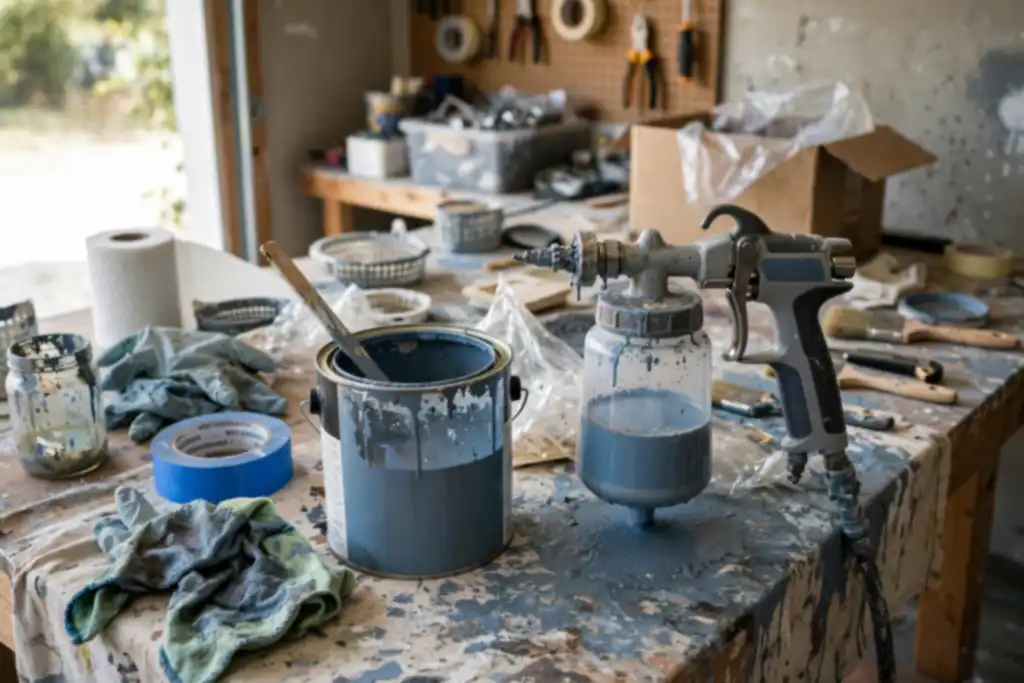
You can leave paint in a sprayer for 30 minutes to 2 hours with water-based paint, or up to 4 hours with oil-based paint, but only if the sprayer stays sealed and the temperature is moderate. Beyond that, drying and clogging risks climb fast.
Leaving paint in the sprayer saves a few minutes now; cleaning it properly saves your equipment later. So how long can you leave paint in a sprayer before it turns into a costly mistake? The short answer: minutes to a few hours, depending on the paint type, the sprayer design, and the conditions.
This article gives you clear time limits, the signs that paint is already drying, and the cleaning steps that prevent clogging in the nozzle, cup, and lines. You will also learn how humidity and temperature affect safe storage, and why water-based paint and oil-based paint behave differently. Follow these guidelines to protect your airless sprayer or HVLP unit and get a reliable finish every time.
How Long Can You Leave Paint in a Sprayer? the Straight Answer
Short answer: minutes to hours, not days. Most paint left sitting in a sprayer starts skinning over and clogging within a few hours, and water-based paint dries faster than oil-based paint. If you can't clean it right away, plan on flushing within the same day.
| Factor | Effect | Tip |
|---|---|---|
| Paint type | Water-based skins over faster than oil-based | Flush water-based paint within a few hours |
| Sprayer type | Airless and HVLP hold paint differently in cup and lines | Clean airless lines first, they clog deepest |
| Humidity | Dry air speeds paint drying in the cup and nozzle | Work in moderate humidity when possible |
| Temperature | Heat accelerates paint drying and clogging | Keep the sprayer cool between coats |
| Coating thickness | Thick or old paint sets up sooner | Thin properly before loading the cup |
| Recommended maximum | Roughly 1 to 4 hours for water-based, up to a day for oil-based | Shorter window for airless sprayer lines |
Recommended for this job

Spray Gun Cleaning Kit
Brushes reach inside gun passages so you can clean before paint dries and clogs.
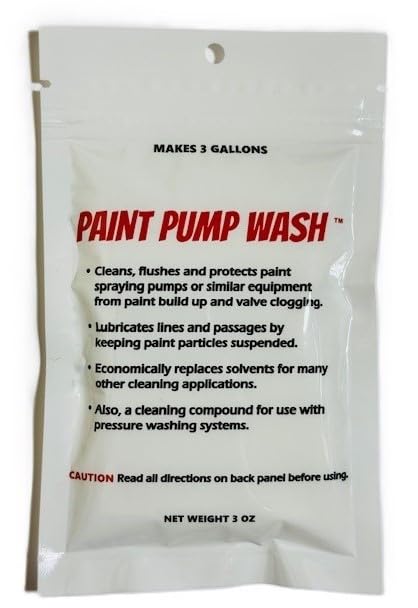
Paint Pump Wash
Flushing solution dissolves residual paint, letting you clean promptly and extend safe sitting time.

Belloccio Spray Tanning Equipment Cleaner
Cleaning solution flushes airbrush passages so leftover product doesn't dry and harden inside.
Every hour counts. A paint sprayer is a tool, and any paint left inside it is already curing, not waiting politely. Water-based paint may skin over within a few hours, while oil-based paint buys you more time, often several hours to most of a day.
What Decides the Clock?
Humidity, temperature, paint type, and sprayer design all push the same direction: toward paint drying and clogging. Airless sprayer lines and the nozzle trap paint where you can’t see it, so flush them first. A solvent or water rinse, depending on the coating, is your cleaning step, not an optional extra.
Clogging is when drying paint hardens into flakes that block the sprayer's nozzle, cup, and lines and stop paint from flowing.
Practical Storage Limits
Treat 1 to 4 hours as your working window for water-based paint and up to a day for oil-based paint. Beyond that, you’re gambling on clogging and a rebuild. If you must pause, seal the cup and keep the sprayer cool, then flush before storage.
Water-Based vs Oil-Based Paint: Drying Times in a Sprayer
How Long Does Water-Based Paint Last in a Sprayer?
Water-based paint starts skinning over in the cup and nozzle in about 15 to 30 minutes. Once that film forms, it breaks loose and clogs passages. Treat 30 minutes as your practical ceiling, and less in hot, dry conditions.
Humidity and temperature drive this. A muggy 60°F garage buys you extra minutes; a 90°F afternoon with low humidity cuts them short. If you need a pause, seal the cup and wrap the nozzle, but don’t push past an hour.
How Long Does Oil-Based Paint Last in a Sprayer?
Oil-based paint, which is pigment suspended in a drying oil, stays workable longer, roughly 1 to 2 hours in the gun before it turns tacky. That extra window is not permission to leave it overnight.
Oil-based paint drying is slower but gummier. It coats internal parts with a sticky film that solvent alone struggles to remove once cured. Flush before the 2-hour mark, sooner in warm shops.
What Should You Do If You Can’t Clean Right Away?
- Stop spraying and dump the cup back into its can.
- Run the appropriate solvent or water through the gun for 30 seconds.
- Cap the nozzle and store the unit upright, never on its side.
Cleaning now takes minutes. A clogged airless sprayer or HVLP gun takes hours to rescue, and sometimes it doesn’t survive.
Quick Checklist: Decide Before You Walk Away
Decide in five minutes, not five hours. Paint left in a sprayer starts skinning over fast, and once it cures inside the nozzle or fluid line, you are looking at a rebuild instead of a rinse. Run this checklist before you set the gun down.
- Paint type: Water-based paint can start drying in the cup within 20 to 30 minutes of exposure; oil-based paint buys you more time but still skins over in a few hours.
- Sprayer type: An airless sprayer with long lines holds far more paint than an HVLP cup gun, so it needs flushing sooner.
- Humidity and temperature: Hot, dry, breezy conditions speed paint drying dramatically; cool, humid air slows it but never stops it.
- Solvent on hand: A solvent is a liquid that dissolves another substance into solution, and you need the right one matched to your paint before you start.
- Cleaning window: Plan your cleaning and flushing session before you spray, not after the cup runs dry.
- Storage plan: Short-term storage means sealed and cool; anything longer means empty, clean, and dry.
What Changes the Clock? Key Factors That Affect How Long Paint Stays Usable
Paint Type: Water-Based vs Oil-Based
Skinning in the cup begins within 1 to 4 hours at 70°F for water-based paint. Oil-based paint, a slow-drying type with pigment suspended in drying oil, typically stays fluid up to a day before surface film forms.
Do not mistake that open time for storage time. A solvent, a liquid that dissolves another substance into solution, keeps oil-based product workable longer, but residue still hardens inside the nozzle and air passages.
Sprayer Type: Cup Gun vs Airless vs HVLP
An airless sprayer is least forgiving: water-based paint sitting in a 25 to 50 ft hose can start setting in 30 to 60 minutes. Cup guns and HVLP units hold 4 to 32 oz, buying roughly 1 to 3 hours before cleaning becomes urgent.
Long hoses and small fluid passages give paint drying more places to take hold. Flush the gun and lines before any pause longer than 30 minutes.
Temperature and Humidity
Above 80°F, expect the low end of every range; at 60°F with high humidity, add one hour at most. High humidity slows water-based paint curing and can leave a tacky film inside the cup.
Direct sun on the gun beats both factors. Move the sprayer into shade and cap the cup before you set it down.
Additives and Paint Condition
Thinned, freshly mixed paint flows longer than thick or partly dried product. Open-time extenders can add 1 to 2 hours to a water-based batch, never overnight storage.
Paint with skins or lumps will clog the nozzle fast. Strain it through a 190-micron filter or discard it before loading the gun.
How Long is It Safe to Leave Paint Sitting in a Spray Gun?
Recommended Maximum Storage Times by Sprayer Type
Flush an airless sprayer within 1 to 4 hours of finishing, and an HVLP within 30 to 60 minutes. Past that, paint drying in the gun body and fluid line raises clogging risk fast. Set a phone timer when you stop spraying so you do not lose track.
At 85°F and 30% humidity, cut those windows in half because paint drying accelerates. Cool, damp air (60°F, 70% humidity) buys maybe an extra hour, but never leave a loaded cup overnight. Check the manufacturer’s cleaning interval for your specific model.
Difference Between Leaving Paint in Cup vs Lines
A sealed cup of water-based paint can sit 1 to 4 hours without harm; oil-based paint in a capped cup lasts up to a day. The fluid line, gun body, and nozzle are different: paint there starts setting in 15 to 30 minutes and clogs the nozzle first.
For a mid-job pause, cap the cup, keep the gun upright, and flush the lines with water or solvent before storage. A 5-minute flush now beats buying a replacement nozzle later.
Your Action Plan: Short Breaks, Overnight, and Longer Storage
Leftover paint in a sprayer buys you time, not a free pass. The clock depends on the coating, the equipment, and the conditions, and a few simple habits keep a pause from turning into a clogged nozzle or a ruined gun.
| Action | Why it helps | How to start |
|---|---|---|
| Short pause under 30 minutes | Keeps paint from drying in the nozzle | Cap the cup, park the gun, keep it level |
| Quick nozzle wipe | Stops clogs before they set | Wipe tip with a damp rag or solvent |
| Overnight with water-based paint | Slows skinning in cup and lines | Seal tightly, cool spot, flush soon |
| Overnight with oil-based paint | Reduces solvent loss and tackiness | Seal the cup, keep away from heat |
| Longer than 24 hours | Prevents hardened paint and damage | Flush and clean the sprayer fully |
| Humidity and temperature check | Speeds or slows paint drying | Store in a stable, moderate space |
| Airless and HVLP line care | Protects pump and passages | Flush lines before any long storage |
Short breaks are safe if you act fast. Cap the cup, park the gun level, and wipe the nozzle so paint drying can’t start a clog.
For Breaks Under 30 Minutes
You can leave paint in a sprayer for a quick pause, usually 15 to 30 minutes, as long as the cup stays sealed and the nozzle is wiped. Keep the gun level and out of direct sun.
For Overnight Storage
Overnight is risky but doable for many coatings if you seal the cup tightly and store the sprayer in a cool, stable spot. Water-based paint and oil-based paint both skin over, so plan to flush within 12 to 24 hours.
For Longer Than 24 Hours
Past a day, don’t store paint in the sprayer. Flush and clean the gun, lines, and nozzle, then store the equipment dry to prevent clogging and damage.
The Cost of Neglect: Cleaning Time vs Repair Bills
What Happens If You Leave Paint in a Sprayer Too Long?
The residue starts skinning over within an hour or two, especially in warm, dry conditions. Once that film forms, flushing alone won’t shift it. Left overnight, water-based paint turns tacky in the cup and lines; oil-based paint skins slower but sets harder.
Humidity and temperature decide the clock. A cool, damp garage buys you extra time; a hot workshop cuts it short. Either way, hours, not days, is the honest window before clogging becomes likely.
What Does Neglect Actually Cost?
Replacement parts add up fast. A clogged nozzle or tip typically runs $15 to $60, a new gun body $50 to $200, and a damaged pump or valve assembly can hit $150 to $400 on an airless sprayer. HVLP sets are often cheaper to replace than repair.
Hardened paint also voids most manufacturer warranties, since neglect is excluded from coverage. That means a $300 to $800 sprayer can become scrap over one skipped cleaning session.
How Do You Protect Your Investment?
Clean immediately after every job, then flush with the right solvent: water for water-based paint, mineral spirits for oil-based. Store the unit dry, not full of paint. A ten-minute cleaning routine beats a repair bill every time.
How to Tell If Paint Has Started to Dry (and What to Do)
Check for Clogs and Thickening
Signs of paint drying show up fast: a skin on top, lumps when stirred, or a spitting, uneven spray pattern. Trigger a test spray on cardboard and watch for streaks or a narrowed fan.
Flush and Clean Immediately
Once you spot thickening, stop spraying and flush the paint sprayer right away. Empty the cup, run warm water through for water-based paint or the matching solvent for oil-based paint, and backflush the nozzle until the flow runs clear.
Use Solvent to Restore Flow
A compatible solvent dissolves hardened paint so it can flush out. Soak the nozzle and tip in the solvent for 15 to 30 minutes, then scrub with a soft brush and flush again.
Emergency Cleaning for Dried Paint
For paint already set hard, soak parts in solvent longer, 1 to 4 hours depending on thickness, then pick out softened residue with a wooden stick. Never scrape metal parts with a screwdriver, and replace any nozzle that stays blocked.
Catch drying early with a quick visual and feel check, then act fast before the paint sets hard.
How Weather and Climate Change the Answer
How Do Temperature and Humidity Affect Paint Left in a Sprayer?
Heat speeds up paint drying inside the gun, cup, and lines. Above roughly 85°F, water-based paint can skin over in 20 to 30 minutes. Cold slows drying but thickens oil-based paint, which makes clogging more likely when you restart.
Humidity matters just as much. In damp air, water-based paint stays wet longer but can trap moisture and thin out. Dry air pulls the solvent out fast, so residue hardens in the nozzle and passages.
What Changes with the Seasons?
Summer heat and winter dryness are the worst conditions for leaving paint in the sprayer. Spring and fall give you a wider window, but only by an hour or two at most. Never count on mild weather as storage.
An airless sprayer sitting in a hot garage or a cold shed shifts the answer again. Keep the unit in a stable, moderate space, and flush it the same day either way.
What Should You Actually Do?
- Check the forecast before you spray, not after.
- Plan cleaning and flushing right after the job, within 1 to 2 hours.
- Store the sprayer empty and dry, never with paint inside.
Common Mistakes That Clog Sprayers (and How to Avoid Them)
Leaving paint inside a sprayer is where most clogs and costly repairs begin. Paint drying in the cup, gun, or lines hardens into flakes that block the nozzle and damage seals, so the real limit is short: minutes, not hours.
- Respect the short window: water-based paint can sit roughly 15 to 30 minutes before it starts skinning over, and oil-based paint buys you maybe an hour at mild temperatures. Beyond that, paint drying inside the gun turns into a clog you have to dig out.
- Pause right during spraying: for a lunch break or a quick supply run, seal the cup, cap the nozzle, and wrap the gun in a damp rag. Keep the sprayer out of direct sun and heat, since higher temperature and low humidity speed up paint drying.
- Flush before any real stop: if you are done for the day, run water or the matching solvent through the gun and lines until it comes out clear. A five-minute flushing now beats an hour of scraping later.
- Match the cleaner to the paint: water-based paint rinses with warm water, while oil-based paint needs a solvent that dissolves the residue. Using the wrong one leaves a sticky film that hardens and clogs the nozzle.
- Clean the nozzle and cup by hand: soak the nozzle in the right solvent, then scrub the cup threads and pickup tube. Leftover paint in these spots is the usual cause of sputtering on the next job.
- Store the sprayer dry, not wet: after cleaning, run it dry briefly and store it in a stable spot away from freezing temperatures. Any moisture or paint film left inside invites corrosion and clogging.
- Know when to stop fighting it: if paint has already cured inside, do not force the trigger or poke the nozzle with wire. Soak the parts in solvent, and replace seals or the nozzle if flushing will not clear them.
When to Call a Pro (and When to Toss the Paint)
When Should You Stop and Call a Pro?
If you see hardened paint in the cup, gun body, or lines, stop. That is paint drying where it should not, and forcing it can crack seals or ruin the nozzle. Discard paint left in a sprayer when it has thickened, skinned over, or sat for days in warm, low-humidity conditions. When in doubt, toss it and mix fresh.
Call a professional if solvent flushing fumes build up in a closed space, if you lack proper ventilation, or if the sprayer is an airless unit with pressurized lines you are unsure how to relieve. Safety first: wear gloves and eye protection, and follow the manufacturer and OSHA guidance on solvents.
For small touch-ups, a brush beats a sprayer. Reserve the machine for jobs worth the cleaning time.
Stop and call a professional if:
- Hardened or skinned paint is visible inside the cup, gun, or lines.
- Paint has sat for days and thickened or dried at the nozzle.
- Solvent fumes are building up and you cannot ventilate the area properly.
- You are unsure how to safely relieve pressure from an airless sprayer.
- The sprayer shows cracked seals, leaks, or damage after paint drying.
- You are only doing a small touch-up that a brush can handle.
How Long Can You Leave Paint in a Sprayer: Frequently Asked Questions
?How Long Can You Leave Paint in a Sprayer If I Only Need a Short Break?
Minutes, not hours, plan on 15 to 30 minutes max for a quick pause. After that, paint drying starts at the nozzle and inside the gun. If you need a longer break, seal the cup or trigger the gun into a bucket and cover it, but don't walk away thinking it'll stay wet. Short breaks are fine; stretched breaks cause clogging.
?Does the Type of Paint Change How Long You Can Leave Paint in a Sprayer?
Yes, it changes everything. Water-based paint skins over fast once air hits it, so treat it as a 15-to-30-minute window. Oil-based paint stays workable longer, but it still thickens and clogs. Solvent, a liquid that dissolves the paint, keeps oil-based paint fluid, but only while it's sealed in. Match your break to the paint, not to your schedule.
?Can I Leave Paint in a Sprayer Overnight and Just Flush It in the Morning?
No, overnight is where most clogging and repair bills start. Paint drying inside the gun, cup, and lines turns into a hard film that flushing won't fully remove. If you truly can't clean it, seal the cup and store the gun with the nozzle pointed down, but understand you're gambling. Cleaning takes minutes; a clogged airless sprayer or HVLP gun takes hours.
?Why Does Humidity and Temperature Matter When You Leave Paint in a Sprayer?
Because they set the clock. Hot, dry, breezy conditions speed paint drying and shrink your safe window; cool, humid air slows it but doesn't stop it. Don't use weather as permission to leave paint sitting, use it to decide how fast you need to flush. If it's hot and dry, clean sooner. If it's mild, you still clean today.
?What Happens to a Sprayer If You Leave Paint in It Too Long?
It clogs, first the nozzle, then the gun passages, then the lines. Dried paint bonds to surfaces and resists flushing, so you end up soaking parts in solvent or replacing them. On an airless sprayer, hardened paint can damage the pump. The fix is simple: flush with water for water-based paint or solvent for oil-based paint right after use.
?is There Any Safe Storage Method If I can't Clean My Sprayer Right Away, and How Long Can You Leave Paint in a Sprayer?
Only short-term, and only sealed. Close the cup, wrap the gun, and keep the nozzle pointed down so paint doesn't drain into the air passages. Keep it out of sun and heat. This buys you a little time, not a day. Real storage means clean and dry. If you're a careful planner, build cleaning into the job, don't plan around leaving paint in the sprayer.
?When Should I Stop Asking How Long Can You Leave Paint in a Sprayer and Just Clean It?
Now, the moment you finish spraying. The honest answer is that the safe window is short, and every minute past it raises your clogging risk. Flushing takes a few minutes with water or solvent. If you're unsure whether paint has started drying, clean anyway. Cleaning is the cheap, fast, done-right-once move; repairs are the expensive one.
Our Thoughts
Those limits hold: 30 minutes to 2 hours for water-based paint and up to 4 hours for oil-based paint, and only while the paint sprayer stays sealed in moderate conditions. Push past that window and paint drying inside the cup, gun, and lines turns into clogging that costs you far more time than cleaning would have.
The single most useful next step is to stop guessing and clean now. Flush the cup, gun, and nozzle with the right solvent (water for water-based paint, the matching thinner for oil-based paint), then run clean water or solvent through the lines. A few minutes of flushing beats a rebuild, and your airless sprayer or HVLP gun will be ready the next time you reach for it.