
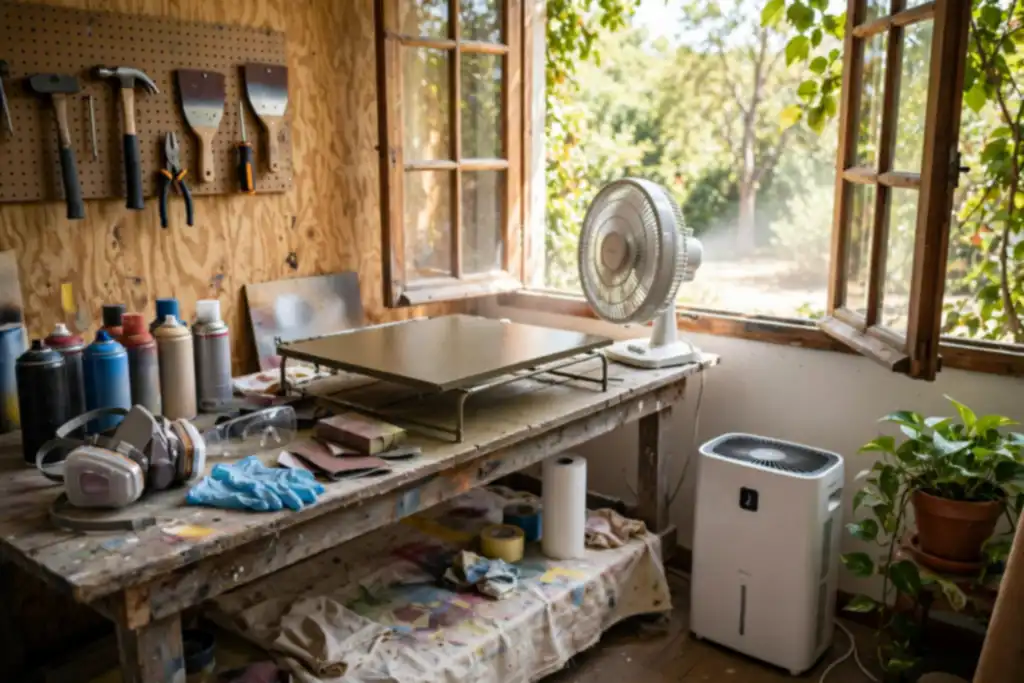

Spray paint smell typically fades in 24 to 72 hours with good ventilation, but can linger for weeks if applied in a cool, humid space or on a porous surface.
Here is a clear, practical look at how long for spray paint smell to go away.
A common myth says the smell is gone once it’s dry to the touch, but the truth is that drying time and off-gassing are two different clocks. Off-gassing is the release of a gas that was trapped inside a material, and spray paint keeps releasing VOCs, the organic chemicals that create the odor, long after the surface feels dry.
Knowing how long for spray paint smell to go away means tracking curing time, not just drying time. This article gives you realistic timeframes, the ventilation, temperature, and humidity factors that change them, and the safety mistakes that let solvents linger indoors. You’ll get a clear plan to protect your space and your health.
How Long for Spray Paint Smell to Go Away? the Straight Answer
Most spray paint smell fades in 24 to 72 hours with good airflow, but full off-gassing (the release of trapped gas from the coating) can run longer. Smell disappearing is not the same as the coating being safe, and that gap is where people make mistakes.
| Factor | Effect | Tip |
|---|---|---|
| Ventilation | Cuts smell fastest | Open windows, use fans |
| Temperature | Warm speeds off-gassing | Keep room 70 to 80°F |
| Humidity | High humidity slows curing | Run a dehumidifier |
| Coat thickness | Heavy coats linger longer | Apply thin, even layers |
| Paint type | Enamel smells longer than lacquer | Check the label |
| Air purifier | Traps VOCs, not all of them | Use carbon filters |
| Curing time | Full cure takes days | Wait before indoor use |
Recommended for this job
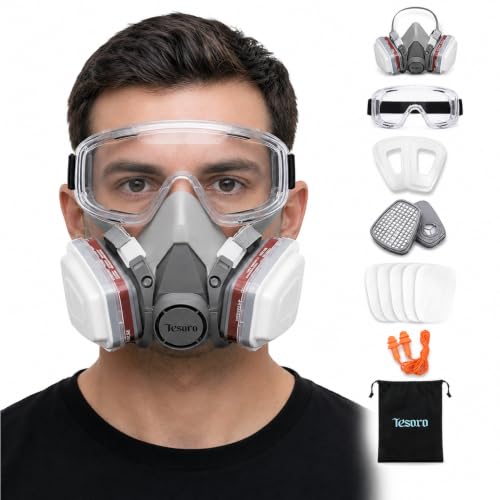
Tesoro Moda Respirator Mask
Filters paint vapors while spraying, reducing lingering smell exposure during work.
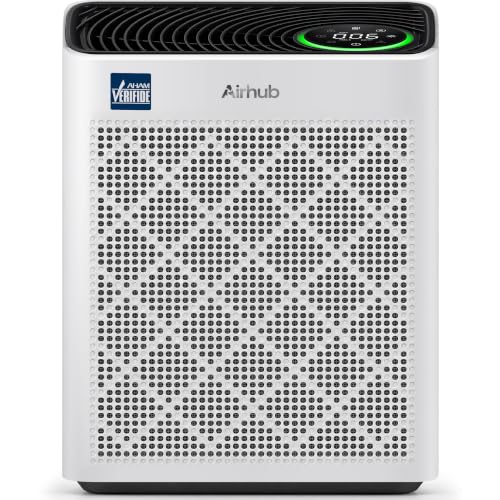
Air Purifiers
Activated carbon HEPA filtration removes paint odors faster from room air.
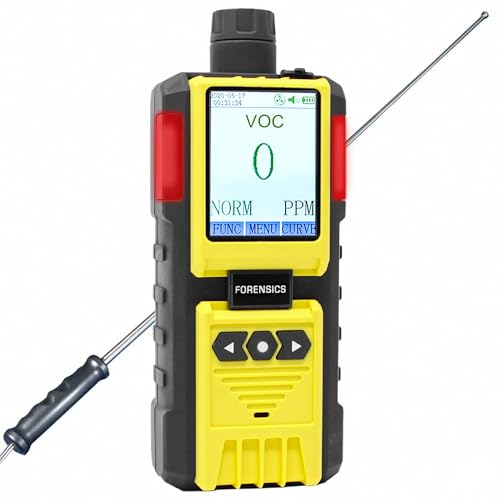
Volatile Organic Compounds VOC Detector
Detects VOC levels so you know when spray paint smell has cleared.
Lacquer is a fast-drying clear or colored coating that generally releases odor for less time than enamel.
Expect most of the odor to fade within 24 to 72 hours in a well-ventilated space. That window reflects average drying time, not full curing time. The coating keeps releasing solvents (liquids that dissolve the paint ingredients) well after your nose stops noticing.
Typical Off-Gassing Timeline: 24 to 72 Hours
In a ventilated room at moderate temperature (how hot or cold the air is), smell usually drops to faint within 24 to 72 hours. Thin coats off-gas faster than thick ones. Keep airflow moving the entire time, not just the first hour.
When It Lingers: 3 to 7 Days for Heavy Coats
Heavy coats, enamel (a hard, glass-like finish), and cool or humid conditions can stretch the odor to three to seven days. Do not bring the item indoors just because the smell seems gone. VOCs (chemicals that evaporate at room temperature) can still be present.
The 48-Hour Ventilation Rule of Thumb
Give any freshly sprayed item at least 48 hours of active ventilation before indoor use. A respirator (a mask that filters what you breathe) protects you while spraying, but it does nothing for the room afterward. Run a carbon-filter air purifier (a device that removes airborne contaminants) if you cannot open windows.
Safety note: smell and toxicity are different things. A faint odor does not guarantee safe air, so follow the manufacturer’s recoat and cure times before bringing painted items inside.
Safety means keeping solvent vapors from harming you, so ventilate and wear a respirator while spraying.
Doing It on a Budget Without Cutting Corners
DIY Ventilation: Fans and Open Windows
Use a box fan rated 20 inches or larger, set to exhaust outward in one window, and open a second window at least 10 feet away to create cross-flow. Run it continuously for 24 to 48 hours after spraying; extend to 72 hours if temperature (how hot or cold the air is) stays below 60°F or relative humidity exceeds 70%.
VOCs (organic chemicals that evaporate at room temperature) peak in the first 8 hours, so keep the fan on high during that window.
Never seal the room to contain odor, the smell you sense. That traps off-gassing (the release of trapped gas from the coating) and slows drying time by 50% or more. Keep kids and pets out until a sniff test at the door shows no solvent smell.
Natural Odor Absorbers: Baking Soda and Vinegar
Set five to six shallow dishes of baking soda within 3 feet of painted items; replace them every 24 hours. Vinegar in a 50/50 mix with water works similarly, but its own smell clears in 2 to 3 hours.
Neither removes VOCs fast enough to make a closed room safe. Use them only as a supplement to ventilation and keep the fan running.
Cheap vs. Effective Air Purifiers: When to Rent
A sub-$100 unit with a thin carbon pad barely reduces solvent (liquid that dissolves the coating) levels. For a 2-car garage or car parts, rent a commercial HEPA plus carbon unit for $50 to $150 per day; it can cut odor noticeably in 4 to 6 hours.
While spraying, wear a respirator (a fitted mask that filters vapors) with cartridges rated for organic vapors. Check the EPA’s indoor air guidance and the enamel (a hard, glass-like coating) manufacturer’s curing time, often 7 to 14 days, before bringing pieces inside.
Your Action Plan to Banish Spray Paint Smell
Stick to this four-step sequence and you will clear the smell faster while avoiding the common mistakes that make it linger.
| Action | Why it helps | How to start |
|---|---|---|
| Open windows and doors | Cross-ventilation pushes VOCs out | Start a fan at one opening |
| Move painted items outside | Removes the source from the room | Place in shade, not direct sun |
| Run an air purifier | Traps solvents and particles | Use one with activated carbon |
| Wear a respirator | Protects you while cleaning | Use when smell is strong |
| Wipe hard surfaces | Removes settled solvents | Use mild soap and water |
| Wait for full cure | Off-gassing stops when cured | Check after 24 to 72 hours |
| Test before bringing indoors | Confirms odor is gone | Smell at close range |
Start by opening windows and doors to create cross-ventilation. Move painted objects outside if you can, then run an air purifier with activated carbon to trap solvents. Wear a respirator while the odor is strong.
Step 1: Ventilate Immediately
Open two openings on opposite walls and run a fan to push air out. Keep ventilation going for at least 24 to 72 hours.
Step 2: Remove Painted Objects If Possible
Move items to a shaded, dry spot outdoors. This removes the source and speeds off-gassing.
Step 3: Absorb and Filter the Air
Place bowls of baking soda or activated charcoal near the painted surface. Run an air purifier with a carbon filter to capture VOCs.
Step 4: Monitor and Test for Cure
Wait 24 to 72 hours, then smell the surface up close. If odor remains, keep ventilating and check again the next day.
How to Tell If the Smell is Gone, and What to Do Next
Drying time and curing time are different things. The surface can feel dry in an hour while solvents and VOCs (organic chemicals that evaporate at room temperature) keep off-gassing for days. Smell tells you something is still releasing, but it is not a toxicity measure.
Do the Fingernail Test Before Bringing Indoors
Press a fingernail into a hidden spot; if it dents, the coating is still soft and likely still releasing solvents. Wait another 24 hours and retest before moving it inside.
Sniff Test: Not a Reliable Indicator of VOC Levels
Your nose adapts fast, so a faint odor does not prove safety and a strong one does not prove danger. Use smell only as a rough cue that off-gassing continues.
Use a VOC Meter for Peace of Mind
A handheld meter gives a real reading instead of a guess. Check near the object, then run an air purifier and retest until levels drop.
Once the coating feels dry, confirm it has actually stopped off-gassing before you move the piece indoors or close up the room.
Factors That Change How Long the Smell Lasts
Paint Type and VOC Content
Higher VOC content means a longer wait. VOCs are organic chemicals that vaporize at room temperature and cause odor. Solvent-based enamel can release odor for days; low-VOC water-based paint often clears in 24-48 hours. Check the label, manufacturer VOC levels predict off-gassing better than general rules.
Temperature and Humidity
Warm, dry air speeds off-gassing; cool, humid air slows it. Aim for 70-80°F with moderate humidity. Cold garages and damp basements cause smells lasting a week or more.
Airflow and Ventilation
Ventilation is the biggest lever you control. Open windows, use fans, and cross-ventilate for 24-72 hours after the last coat. A carbon-filter air purifier helps in enclosed rooms but doesn’t replace fresh air.
Surface Porosity and Number of Coats
Porous surfaces soak up paint and release odor longer. Wood, concrete, and fabric hold solvents; metal and glass off-gas quickly. Extra coats add drying time and smell. Two thin coats beat one heavy coat.
Indoor vs. Outdoor Application
Outdoor projects clear fast, often within hours, as open air dilutes VOCs. Indoors, the same paint can smell for days without strong ventilation. Bring painted items inside only after odor is gone, and wear a respirator in confined spaces.
Quick Checklist Before You Start or Decide
Run these four checks before spraying or deciding a space is safe again. Each targets a common mistake that prolongs odor or risks safety.
Is the Area Well-Ventilated?
Moving fresh air is the biggest factor in clearing solvents. Open windows and doors; use a fan to push air out, not around.
Do You Have the Right Respirator?
Wear a respirator supplying filtered air whenever spraying indoors or in a garage. Dust masks won’t block VOCs, organic chemicals that evaporate at room temperature and carry odor.
Are Pets and Children Away?
Keep pets and children out until odor is gone and coating fully cured. Smaller bodies and faster breathing make them more vulnerable to solvents and off-gassing.
Is the Paint Fully Cured?
Fading smell doesn’t mean curing is done. Check manufacturer’s curing time; cool temperatures and high humidity slow the process.
- Ventilation: windows open, fan pushing air outside.
- Respirator: rated for solvents, fitted before spraying.
- Pets and children: kept clear until odor is gone.
- Curing time: confirmed against the label.
- Temperature and humidity: within label range.
- Air purifier: backup, not a substitute for fresh air.
Health Risks of Spray Paint Fumes: What You Need to Know
Short-Term Effects: Headaches, Dizziness, Nausea
Breathing fresh spray paint fumes can hit you within minutes. Common complaints include headaches, dizziness, nausea, and irritated eyes or throat, all signs your body is reacting to VOCs (organic chemicals that vaporize at room temperature).
These symptoms usually fade once you get into fresh air. If you feel lightheaded while spraying, stop, step outside, and don’t return until the space has been ventilated and the odor has dropped.
Long-Term Exposure Risks
Repeated exposure without protection is the bigger worry. Solvents (liquids that dissolve other substances) and other VOCs in spray paint can affect the nervous system and respiratory tract over time, and some formulas contain ingredients linked to more serious health issues with chronic overexposure.
OSHA sets workplace limits for these chemicals for good reason. A respirator (a fitted mask that filters what you breathe) and steady ventilation are your first lines of defense, especially with enamel products that off-gas longer.
When to Seek Medical Help
Get medical help if symptoms don’t clear after moving to fresh air. Call poison control or your doctor if you experience chest pain, trouble breathing, confusion, severe vomiting, or symptoms that worsen instead of improving.
Bring the can or its label if you can, since the manufacturer’s ingredient list helps clinicians treat you correctly.
How Many Days Does Spray Paint Smell Last? Real-World Timelines
1-2 Days: Light Coats with Good Ventilation
A light coat in a warm, well-ventilated space usually stops smelling within 1 to 2 days. The solvents that carry the paint flash off fast when air moves freely. Keep windows open and a fan running to push those VOCs, the organic chemicals that evaporate at room temperature, out of the room.
3-5 Days: Typical Indoor Projects
Expect 3 to 5 days for most indoor spray paint jobs, since drying time and curing time are not the same thing. The surface feels dry in hours, but off-gassing, the release of trapped gas from the coating, continues well past that point. Higher humidity and cooler temperature slow the process, so give the piece extra time before bringing it inside.
7+ Days: Heavy Coats or Poor Ventilation
Heavy coats, enamel finishes, or a space with poor airflow can keep releasing odor for a week or more. If you still smell it after seven days, treat the area as not fully cured and keep it ventilated. A respirator protects you during application, and an air purifier with a carbon filter helps clear lingering fumes afterward.
Low-VOC and Odorless Spray Paint Options: Do They Really Work?
Water-Based vs. Solvent-Based Formulas
Water-based options cut smell dramatically because they rely on water as the carrier instead of harsh solvents, substances that dissolve other materials into a solution. Expect faint odor that fades in roughly 24 to 48 hours with good ventilation. Solvent-based formulas keep releasing VOCs, organic chemicals that vaporize at room temperature, for 24 to 72 hours.
What ‘Odorless’ Really Means
No can is truly odorless; the label usually means low-VOC and nearly undetectable to most noses. Off-gassing, the release of gas trapped inside a material, still happens, just at lower levels. Your nose adapts fast, so smell is a poor safety gauge. If you are sensitive, treat these products with the same ventilation and respirator precautions.
Cost vs. Benefit for Indoor Use
Low-VOC cans typically run a few dollars more per can, a fair trade for indoor projects. Pair them with an air purifier, a device that removes contaminants from the air, and open windows. For garage or outdoor work, standard formulas save money. Never spray indoors without ventilation, whatever the label promises.
Common Mistakes That Prolong the Smell
Applying Too Thick a Coat
Heavy coats trap solvents, so they off-gassing slowly and keep the odor around for days longer than needed. Lay down two or three thin passes instead of one wet pass.
Not Ventilating Enough
Still air lets VOCs, the organic chemicals that evaporate at room temperature, build up and linger. Open windows, run a fan, and keep fresh air moving until the smell clears.
Bringing Items Indoors Too Soon
An object that smells dry may still be curing, and curing time runs longer than drying time. Wait until the odor is gone, not just until the surface feels touch dry.
Using Cheap Air Filters That Don’t Capture VOCs
Standard filters catch dust, not solvent vapor. Choose an air purifier with an activated carbon stage, and confirm it lists VOC removal.
- Thick coats: they slow off-gassing and stretch the smell out for days.
- Poor ventilation: stagnant air lets solvent vapor collect instead of leaving.
- Early indoor placement: curing continues after the surface feels dry.
- Wrong filter: a plain dust filter does nothing for odor.
- Cold or humid rooms: low temperature and high humidity both slow the process.
- No respirator during application: you breathe concentrated vapor and mistake it for lingering smell.
When to Call a Pro: Real Warning Signs
Most residential spray paint jobs clear up on their own. Call a pro only when the warning signs below show up.
Persistent Smell After 7 Days Despite Ventilation
If the odor lingers past a week with steady airflow, the coating may not be curing properly. A pro can check for trapped solvents, a bad batch, or a surface that needs stripping.
Health Symptoms That Don’t Improve
Headaches, dizziness, or nausea that persist after you leave the area mean it’s time to seek medical help. Tell the doctor which product you used and how long you were exposed.
Large-Scale Spills or Indoor Overspray
A big spill or heavy overspray indoors needs professional cleanup, not more fans. A pro can remove the smell from a room safely with proper containment and filtration.
- Stop and call a pro if anyone in the home has asthma, COPD, or another breathing condition that gets worse around the fumes.
- Call a pro if you smell solvents near a furnace, water heater, or any open flame.
- Call a pro if overspray has coated walls, floors, or HVAC vents over a large area.
- Call a pro if the paint is an industrial or automotive enamel with a hardener you mixed yourself.
- Call a pro if you cannot keep windows open because of weather, security, or building rules.
How Long for Spray Paint Smell to Go Away: Frequently Asked Questions
?How Long for Spray Paint Smell to Go Away If I'm Using It Indoors?
Indoors, expect 2 to 7 days for the smell to fully go away, depending on ventilation. The solvents and VOCs that cause the odor need to off-gas, which is the release of trapped gases. Without strong ventilation, that process slows down. Set up fans and open windows, and don't bring items into living spaces until the smell is gone.
?Does Temperature Affect How Long for Spray Paint Smell to Go Away?
Yes, temperature plays a big role. Higher temperatures speed up off-gassing, so the smell goes away faster, while cold slows it down. Aim for at least 70°F (21°C) in the drying area. But don't overheat with a space heater near fresh paint, that's a fire risk. Keep it warm and ventilated for the best results.
?How Long for Spray Paint Smell to Go Away If Humidity is High?
High humidity can extend the time to 3-7 days or more because moisture in the air slows the evaporation of solvents. Use a dehumidifier or run an air conditioner to dry the air. Also, avoid painting when humidity is above 60% if possible. Proper ventilation and humidity control are key to getting rid of the odor faster.
?Does Enamel Spray Paint Smell Take Longer to Go Away?
Yes, enamel spray paint typically takes longer, often 7-14 days, because enamel (a tough, glossy coating made from a resin base) cures slowly and releases solvents over a longer period. Drying time is when the paint feels dry, but curing time is when it fully hardens and stops off-gassing. Don't rush the process; keep the area ventilated until the odor is completely gone.
?How Long for Spray Paint Smell to Go Away If I Use a Respirator and Air Purifier?
A respirator (a device that filters air for you to breathe) protects you but doesn't speed up off-gassing, so the smell still takes the same time to go away. An air purifier (a device that removes particles and some gases from the air) can help reduce lingering odor, but it won't eliminate the source. You still need ventilation and time, typically 2-7 days.
?is It Safe to Sleep in a Room Where Spray Paint Smell is Still Present?
No, don't sleep in a room with lingering spray paint smell. VOCs (volatile organic compounds, chemicals that easily become gases at room temperature) can cause headaches, dizziness, and respiratory irritation. Wait until the odor is completely gone, which usually takes 2-7 days with good ventilation. If you must be in the space, wear a respirator and keep windows open.
?How Long for Spray Paint Smell to Go Away on a Small Project Versus a Large One?
Small projects like a picture frame may off-gas in 1-3 days, while large ones like furniture or a car part can take 5-10 days or more. The amount of paint and surface area directly affect how much solvent is released. Always use ventilation and wait until the smell is gone before bringing items indoors or using the space.
Our Thoughts
Realistically, expect the odor to fade in 24 to 72 hours with strong ventilation, and plan on that window before you move pieces indoors or reclaim the room. Cool, humid conditions or porous surfaces like bare wood and fabric can stretch the timeline into weeks, so treat those as the slow cases. Solvents, the liquids that dissolve the paint’s ingredients, are what you smell as they leave the film.
Your best next step is to keep air moving and confirm the space is clear before you trust it. Run fans and open windows, add an air purifier if the room is enclosed, and wear a respirator, a device that supplies filtered air, if you must work nearby. Give the coating its full curing time, since the smell tracks off-gassing, the release of trapped gas, not drying time.
Sources and further reading: guidance from EPA, OSHA, CDC.