
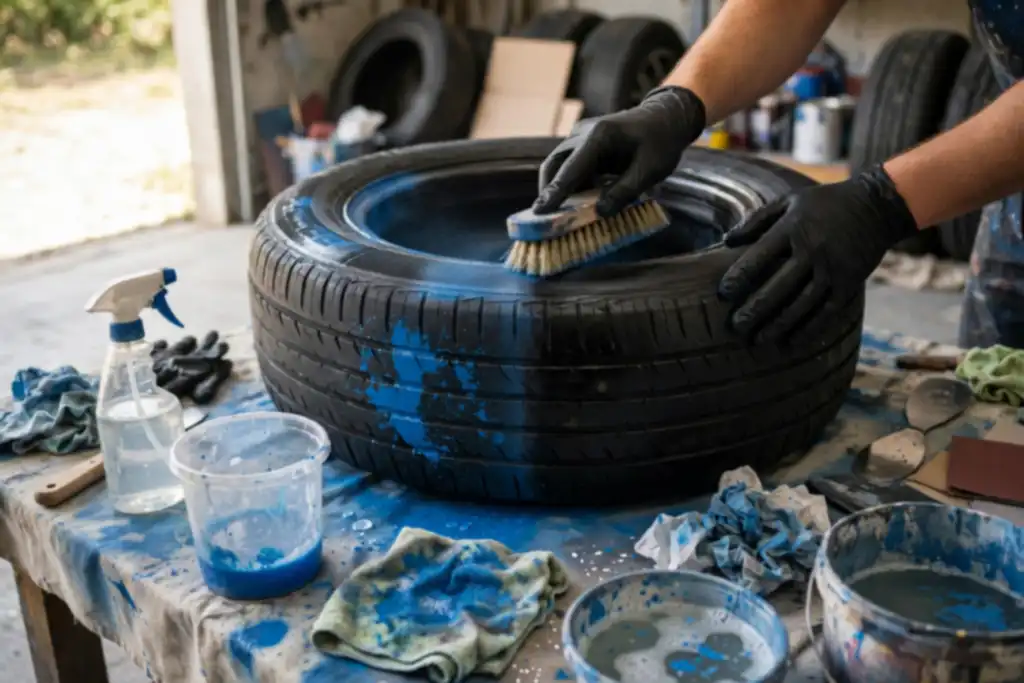

You can remove spray paint from a tyre safely with acetone or lacquer thinner on a rag, but only if you keep it off the wheel rim and rinse fast. The rubber sidewall tolerates brief solvent contact; prolonged soaking softens it.
Act fast and use the mildest solvent that works: that is the verdict, because cured spray paint bonds to rubber and harsh chemicals can degrade the sidewall. If you are searching for how to get spray paint off tyres, this article gives you a step-by-step method to lift overspray without damaging the tyre, wheel rim, or tread.
You will learn which solvents are safe for rubber, how to test a small area first, and which tools to avoid so you do not gouge the sidewall. The goal is a clean tyre with no structural harm, done once and done right.
- Test acetone on a hidden sidewall spot before full application.
- Use a plastic scraper, never metal, to lift thick paint.
- Keep solvents off the wheel rim to protect the finish.
- Rinse with soapy water immediately after solvent use.
- Work outdoors and wear solvent-resistant gloves for safety.
How to Get Spray Paint off Tyres: the Quick Decision Before You Start
Before you touch a rag or bottle, make two quick calls: how bad the paint is and how healthy the tyre is. Get those wrong and you risk smearing overspray deeper or damaging rubber that was already marginal.
| Your situation | What to do | Why |
|---|---|---|
| Light overspray on tread | Stiff brush, then soapy water | Tread pattern hides small specks |
| Paint on smooth sidewall | Plastic scraper, then solvent | Flat surface lifts cleanly |
| Cracked or dry rubber | Stop, get it inspected | Solvent worsens existing damage |
| Unknown rattle-can paint | Test acetone on hidden spot | Confirms rubber tolerates it |
| Thick cured paint layer | Scrape first, solvent second | Less solvent, less risk |
| Paint on wheel rim | Wipe rim separately | Rim finish differs from tyre |
Recommended for this job

Max Strip Spray Paint & Graffiti Remover
Gel clings to tyre rubber, lifting spray paint without harsh scrubbing.
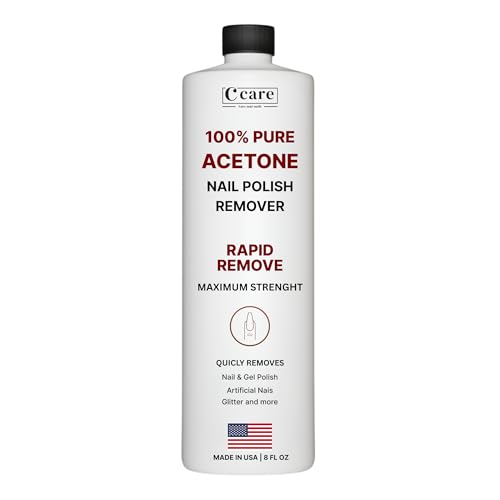
100% Pure Acetone Nail Polish Remover
Acetone dissolves spray paint quickly when dabbed onto tyre surfaces.

Nanoskin Lacquer Thinner
Thinner breaks down paint residue, wiping cleanly from tyre rubber.
Start by looking, not scrubbing. Locate the paint and judge the rubber before any chemical touches it.
Is the Paint on the Tread or Sidewall?
Tread is the patterned outer surface contacting the road, and it tolerates a stiff brush better than the smooth sidewall. Sidewall paint needs a gentler approach, so work a plastic scraper along the curve rather than digging straight in.
Is the Tyre Rubber Cracked or Damaged?
Any cracking, bulging, or exposed cord means stop. Solvent on compromised rubber can accelerate failure, so have a professional inspect it before removal.
What Type of Spray Paint is It?
Test a small hidden spot with acetone, a chemical compound that dissolves many paints, before committing. Lacquer thinner, a solvent blend for dissolving lacquer, is stronger and riskier on rubber, so save it for stubborn cured spots.
5-Minute Diagnostic: Checks Before Any Work
Run your bare hand around the full tyre circumference and check for cracks wider than 1 mm, bulges, or exposed cords. Any of these means the rubber is already compromised, and a solvent could soften it further.
Inspect the Tyre for Cracks, Bulges, or Exposed Cords
Look along the sidewall and tread for damage. If you find deep cracks or exposed cords, stop and have a tyre shop assess it before any removal attempt.
Identify the Paint Type (Acrylic, Enamel, Lacquer)
Read the spray paint can label, then test a hidden spot with acetone on a cotton swab. Acrylic lifts in under a minute, enamel needs lacquer thinner, and lacquer can soften rubber if left more than a few seconds.
Check If Paint is on the Tread or Sidewall
The tread is thicker and more forgiving; the sidewall is thinner and flexes. Note where the overspray landed so you can use a stiff brush on the tread and a plastic scraper on the sidewall.
Test a Small Area with a Mild Solvent
Dab acetone on a hidden spot and wait 5 minutes. If the rubber feels sticky or looks dull, stop and try soapy water first, then rinse and dry before deciding.
Before you touch a solvent, spend five minutes checking the tyre and the paint so you don't turn a small overspray problem into a safety hazard.
How Solvent Removal Works (and When It Doesn't)
Solvents Dissolve Paint Without Attacking Rubber
Acetone, a chemical compound that breaks down cured paint, softens the spray paint film so you can wipe it away. It evaporates fast, which limits how long it sits on the rubber. Apply it to a rag, not the tyre directly, and keep it off the wheel rim.
Mechanical Methods Lift Paint Without Gouging
A plastic scraper or stiff brush lifts softened paint without cutting into the sidewall. Work on small patches and let the tool do the work instead of pressing hard. Follow with soapy water and a thorough rinse to clear residue from the tread.
Why Soaking is Dangerous for Tyre Rubber
Long solvent contact pulls oils out of the rubber and leaves it dry and cracked. Avoid harsh chemicals like lacquer thinner, which dissolve lacquer and can attack the sidewall. Wipe, don’t soak, and stop once the overspray is gone.
Before You Start: Tools, Materials, and Safety Gear
Gather Safe Solvents and Tools
Beginning with the mildest options: soapy water, a plastic scraper, and a stiff brush. Acetone (a chemical compound that dissolves paint) and lacquer thinner (solvents able to dissolve lacquer) are stronger backups, but keep them off the wheel rim and use sparingly on rubber.
Put on Safety Gear for Solvent Use
Solvents absorb through skin and irritate eyes, so wear nitrile gloves and safety glasses before opening any bottle. Keep a water source nearby for quick rinses if solvent touches skin.
Set up a Well-Ventilated Workspace
Work outdoors or with the garage door fully open, away from flames and pilot lights. Lay down cardboard to catch drips and keep overspray (paint landing where you didn’t intend) from spreading.
- Soapy water and a plastic scraper: the first line of defense for fresh overspray on rubber.
- Acetone: a chemical compound that dissolves paint; test on a hidden sidewall spot first.
- Lacquer thinner: solvents able to dissolve lacquer; use only where gentler options fail.
- Nitrile gloves and safety glasses: basic protection against solvent contact.
- Stiff brush: works the tread (the patterned road-contact surface) without gouging.
- Cardboard drop cloth: catches drips and keeps solvent off the driveway.
- Water supply: ready for rinsing skin or the tyre if solvent lingers.
Step-by-Step: How to Get Spray Paint off Tyres Safely
Test Solvent on a Small Area
Test solvent on a hidden sidewall spot; acetone or lacquer thinner can harm rubber. Wait 5 minutes and check for softening or discoloration.
Remove Paint with Solvent and Rag
Dampen a rag with solvent and wipe from the outside of the overspray inward. Use a light touch and rotate to a clean rag section.
Scrub Stubborn Spots with a Brush
Dip a stiff brush in solvent and scrub circularly on tread and sidewall, avoiding abrasion. Reapply as needed.
Scrape Carefully Without Damaging Rubber
Gently scrape thick layers with a plastic scraper at a low angle; check progress often.
Rinse Thoroughly with Soapy Water
Rinse with soapy water, wash the area, then rinse with clean water to remove solvent residue.
Dry and Inspect the Tyre
Dry with a towel and inspect under good light for paint, cuts, or damage; have a professional check if compromised.
Follow these steps to remove accidental spray paint from your tyres without damaging the rubber.
Alternative Path: When to Replace the Tyre Instead
Sometimes the smart move is to stop scrubbing and start pricing a replacement. Check these signs before you spend another hour with a plastic scraper.
Paint on Tread or Deep in Sidewall Cracks
Paint that has soaked into the tread pattern or deep sidewall cracks is hard to lift without harming the rubber. A stiff brush and soapy water may clear surface overspray, but once paint sits in the grooves, removal gets risky.
Tyre Shows Signs of Dry Rot or Damage
Dry rot, cracking, or bulges mean the tyre is already compromised. Solvents like acetone or lacquer thinner can worsen aged rubber, so clean nothing and get it inspected instead.
Cost of Replacement vs Risk of Blowout
A new tyre typically runs $80 to $250 each, while a blowout can cost far more. If damage is structural, replace it and skip the solvent entirely.
Sometimes the smart move is to stop scrubbing and start pricing a replacement.
Troubleshooting: Stubborn Paint and Sensitive Rubber
When paint fights back or the rubber looks stressed, stop guessing and change one variable at a time. The fixes below keep the tyre and wheel rim safe while you finish the job.
| Problem | Likely cause | Fix |
|---|---|---|
| Paint won't budge | Solvent too mild or flash-off too fast | Switch to lacquer thinner, dab, dwell briefly, wipe |
| Rubber feels sticky or soft | Acetone dwell time too long | Stop, rinse with soapy water, let dry fully |
| Paint stuck in tread grooves | Paint cured deep in pattern | Stiff brush plus solvent, work groove by groove |
| Scuffs on sidewall | Abrasive pad too aggressive | Use plastic scraper only, light pressure |
| Paint on wheel rim | Overspray drifted past tyre | Mask tyre, use solvent on rag, wipe rim |
| Solvent leaving haze | Residue not rinsed | Soapy water rinse, dry with clean cloth |
| Paint returns after wipe | Solvent evaporated before lifting | Reapply, wipe once while wet |
Paint Won’t Budge? Try a Different Solvent
If acetone lifts nothing after a brief dwell, switch to lacquer thinner, a stronger solvent blend. Dab it on, wait seconds, then wipe before it flashes off.
Rubber Starting to Soften? Stop Immediately
Soft or tacky rubber means the solvent is attacking the tyre, not the paint. Rinse with soapy water at once and let it dry before judging the result.
Removing Paint from Wheel Rims Without Damage
Keep solvent off the tyre and work the wheel rim with a rag, not a scraper. Mask the sidewall first, then wipe small sections and rinse.
Real-Life Scenario: Overspray on a Daily Driver
Assess the Paint and Tyre Condition
Check how fresh the spray paint is: wet overspray wipes off easier than cured paint. Inspect the sidewall and tread for cracking, cuts, or exposed cords, damaged rubber needs a gentler approach.
Choose Eco-Friendly Removal Options
Use the mildest solvent first. Soapy water handles fresh mist; cured paint may need acetone or lacquer thinner. Apply to a rag, not directly, keep runoff from drains, ventilate well, and wear nitrile gloves and eye protection. Check manufacturer guidance.
Execute Removal Step-By-Step
- Scrub light overspray with soapy water and a stiff brush.
- Soften stubborn patches with solvent on a rag.
- Lift loosened paint with a plastic scraper.
- Rinse and repeat in small sections.
Final Inspection and Conditioning
Dry and inspect for leftover film or dulled rubber. Reapply tyre conditioner. If paint remains after two attempts, consult a professional.
Quick Checklist: Before You Start or Decide
Tyre Condition Checked?
Look over the rubber first. Note cuts, cracks, or exposed cords on the sidewall or tread, because a damaged tyre is not worth cleaning with strong chemicals.
Paint Type Identified?
Know what you are removing. Fresh overspray wipes off far easier than cured paint, and a solvent that works on one coating may smear another.
Solvent Tested on Small Area?
Test any solvent on a hidden patch of rubber before you commit. Acetone or lacquer thinner can dull or soften some compounds, so check a small spot and wait a few minutes.
Safety Gear Ready?
Gloves and eye protection are not optional with solvents. Keep a plastic scraper and stiff brush handy, and have soapy water ready for the rinse.
Ventilation Adequate?
Work outdoors or in a well-ventilated space. Solvent fumes build up fast, and OSHA treats confined garages as a real hazard.
- Check the tyre for cuts, cracks, and exposed cords on the sidewall and tread before cleaning.
- Identify whether the spray paint is fresh or fully cured, since that changes how hard removal will be.
- Test your chosen solvent on a small hidden patch of rubber and watch for softening or dulling.
- Put on chemical-resistant gloves and eye protection before opening any solvent.
- Keep a plastic scraper and stiff brush within reach for lifting paint without gouging rubber.
- Have soapy water mixed and ready to rinse the wheel and tyre once the solvent work is done.
- Set up outdoors or with strong airflow, since solvent vapors build up quickly in a closed garage.
Cost: DIY Solvent Removal vs Professional Help
A DIY solvent job usually runs $15, $40 in supplies, while professional detailing runs $75, $200 per tyre set, and replacement climbs much higher.
| Option | Upfront cost | Ongoing cost | Notes |
|---|---|---|---|
| Acetone (1 quart) | $8 to $15 | Per bottle used | Fast on overspray, harsh on rubber |
| Lacquer thinner (1 quart) | $10 to $20 | Per bottle used | Aggressive, ventilate well |
| Plastic scraper and stiff brush | $5 to $15 | One-time buy | Reusable for future jobs |
| Safety gear (gloves, goggles, respirator) | $15 to $40 | Replacement filters | Non-negotiable for solvent work |
| Soapy water and rinse supplies | $5 to $10 | Low | Final clean-up step |
| Professional detailing | $75 to $200 | Per visit | Shop rates vary by region |
| Tyre replacement (single) | $80 to $250 | Per tyre | Only if rubber is damaged |
| Wheel rim refinishing | $50 to $150 | Per wheel | If solvent marrs the rim |
Ranges assume one vehicle with four tyres, light to moderate overspray, US retail prices, and no existing rubber damage. Severe overspray or cracked sidewalls shift costs toward professional help.
DIY Cost: Solvents, Tools, Safety Gear
Budget $15 to $40 for a first-time DIY kit. That covers a quart of acetone (a chemical compound that dissolves paint), a plastic scraper, a stiff brush, gloves, and goggles. Reusing tools on later jobs drops the cost to solvent refills alone.
Professional Removal Cost
Expect $75 to $200 for a detailer to strip overspray from a full set of tyres. Pricing depends on how much paint landed on the sidewall and tread. Replacement only makes sense if the rubber is already compromised, and that starts around $75 per tyre.
When DIY Saves Money and When It Doesn’t
DIY wins on light overspray with no rim damage. Skip it if paint has soaked into the tread or you see cracking, since solvent can worsen weak rubber. A pro is cheaper than replacing a tyre you ruined.
Common Mistakes to Avoid When Removing Spray Paint from Tyres
Using Harsh Chemicals That Harm Rubber
Use acetone or lacquer thinner as stronger backups, a solvent that dissolves paint, and spot-test first. Brake cleaner and gasoline can swell or crack the rubber, so leave them out.
Skipping the Test Patch
Always test on a hidden spot of the sidewall before touching the visible area. Wait a few minutes to confirm the rubber stays soft and the paint lifts cleanly.
Soaking the Tyre in Solvent
Apply solvent to a cloth, not the tyre, and wipe. Prolonged soaking drives solvent into the rubber and weakens it.
Scraping Too Aggressively
Use a plastic scraper and a stiff brush with light pressure. Hard metal tools gouge the sidewall and tread, and those marks are permanent.
- Rinse promptly: flush residue with soapy water so solvent doesn’t sit on the rubber.
- Keep solvent off the wheel rim: wipe drips immediately to protect the finish.
- Work in ventilated space: fumes build fast, so open the garage door.
- Recheck after drying: catch leftover overspray before it cures harder.
When to Call a Pro: Warning Signs and Safety First
Tyre Damage or Deep Cracks
Stop if you see deep cracks, exposed cords, or missing chunks. These mean the rubber is compromised; solvent or scraping makes it worse. Replace the tyre.
Paint on Critical Sidewall Areas
Call a pro when paint sits near the bead or covers molded safety markings. Aggressive removal can weaken the flexible sidewall. A shop can assess cleaning versus replacement.
Uncertainty About Solvent Compatibility
Get advice if unsure how acetone or lacquer thinner reacts with rubber. The wrong solvent can soften or stain it. Test a hidden spot or let a professional decide.
- Stop if strong solvent fumes build up in a closed garage; move to fresh air.
- Stop if bulges, cuts, or cords appear after cleaning.
- Stop if paint soaked deep into tread and won’t lift with a plastic scraper.
- Stop if the rim or valve stem shows solvent damage.
How to Get Spray Paint off Tyres: Frequently Asked Questions
?How to Get Spray Paint off Tyres Without Damaging the Rubber?
Yes, by starting with the mildest method first. Use a plastic scraper and soapy water to lift fresh overspray, then move to acetone on a rag only on the sidewall. Acetone dissolves paint fast but attacks rubber with long contact, so wipe, rinse, and stop. Never soak the tyre and avoid wire brushes.
?How Long Does It Take to Get Spray Paint off Tyres?
It usually takes 15 to 45 minutes per tyre for light overspray, and longer for cured paint stuck in the tread. Fresh paint can wipe off in minutes with a suitable solvent, while dried paint needs scraping and repeat passes. Work in shade, do one section at a time, and rinse before moving on so you can judge progress accurately.
?Can You Get Spray Paint off Tyres with Lacquer Thinner Safely?
No, lacquer thinner is not a safe first choice for removing paint from tyres. It is an aggressive solvent blend that can attack rubber, especially on the sidewall. Use acetone sparingly instead and never soak the tyre. If paint resists acetone, a stiff brush with soapy water is safer than escalating to lacquer thinner.
?What is the Safest Way to Get Spray Paint off Tyres at Home?
Scrape first, solvent second, rinse last. Use a plastic scraper on the tread and sidewall to remove the paint film, then dab acetone on a cloth and wipe small areas. Keep solvent off the wheel rim, rinse with soapy water, and let the tyre dry before driving. No soaking, no wire wheels.
?Why Does Spray Paint Stick so Hard to Tyre Rubber?
Because rubber is porous and flexible, so paint grips the texture and cures into it. Overspray, which is airborne paint landing on an unintended location, bonds fast in sunlight. The tread's pattern traps paint in the grooves, which is why brushing and repeat solvent passes beat one heavy application every time.
?When Should You Stop Trying to Get Spray Paint off Tyres and Replace Them?
Stop when the sidewall shows cracking, swelling, or exposed cords, or when paint has soaked deep into the rubber. Those are structural warnings, not cosmetic ones. A stiff brush and solvent will not fix damaged rubber, and driving on it is a safety risk. Replace the tyre and have the wheel rim checked.
?is It Worth Paying a Pro to Get Spray Paint off Tyres?
Usually no for light overspray, yes for heavy or cured paint. A shop has the solvents, brushes, and lift to work fast without harming the rubber or the wheel rim. If your DIY attempt with acetone and a plastic scraper stalls after two passes, a pro detailer is cheaper than a new tyre.
Conclusion
Test any solvent on a hidden patch of sidewall first, then work in the shade and rinse thoroughly with soapy water. Acetone and lacquer thinner dissolve paint fast, but they also soften rubber, so keep contact brief and never scrub the tread or sidewall hard enough to gouge it.
Your best next step: lift the tyre, apply solvent to a rag, wipe the overspray, and finish with a plastic scraper and stiff brush before rinsing. Skip the wheel rim and check the rubber for dulling or cracking after it dries.