


Purple spray paint on trees is tree marking paint used by surveyors, foresters, or utility crews to flag a property boundary, a tree removal, or a right-of-way. It signals that someone with authority has designated that tree for a specific purpose.
Purple spray paint on trees is not random vandalism; it is a deliberate tree marking used by professionals to communicate land management decisions. So what does purple spray paint on trees mean? In short, it usually indicates a property boundary, a tree designated for removal, or a utility right-of-way, though the exact meaning depends on local paint color codes and the agency involved.
Understanding these markings prevents costly mistakes like cutting down a boundary tree or ignoring a utility easement. You will get clear, safety-focused guidance to act correctly the first time.
What Does Purple Spray Paint on Trees Mean? the Short Answer
Purple spray paint on a tree is a signal, not decoration. Before you cut, drill, or call anyone, read the mark correctly so you avoid a costly mistake on your own property.
| Type | What it is | Best use |
|---|---|---|
| Property boundary | Line marking between adjoining parcels | Confirming lot lines before building or fencing |
| Surveyor's mark | Land measurement specialist's reference point | Locating corners and easements |
| Timber harvest mark | Forester's designation for cutting | Planning which trees leave a woodlot |
| Tree removal mark | Tree flagged for takedown | Scheduling safe removal work |
| Utility right-of-way | Corridor kept clear for lines and pipes | Avoiding digging or planting in the easement |
| Boundary blaze | Painted patch on a trunk marking a line | Tracing a property edge through woods |
| Tree health flag | Color used to note disease or hazard | Deciding on treatment or inspection |
Recommended for this job

Tree Marking Paint
Offers contrasting orange marking paint for comparison to purple boundary codes.
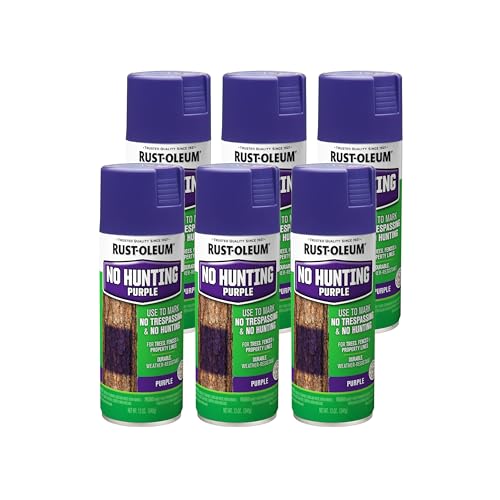
Rust-Oleum No Hunting Purple Spray Paint
Directly explains purple spray marks property lines and no-hunting boundaries.
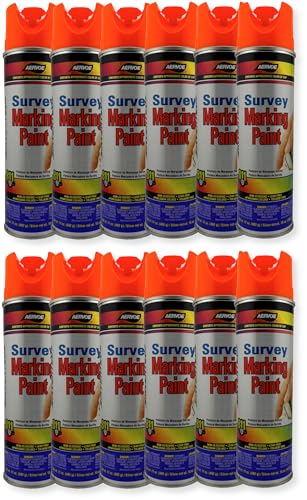
Aervoe 222 . Fluorescent Orange Survey
Provides survey marking paint context for understanding tree boundary colors.
The 30-second Answer for Homeowners
Purple tree marking paint typically signals that a surveyor (a land measurement specialist), forester, or utility company has already made a decision about that tree. The mark most often denotes a property boundary, a right-of-way, or a tree removal target. Treat it as a stop sign until you identify who applied it.
Tree removal is the deliberate cutting and takedown of a marked tree, which requires confirming the painter first.
Paint color codes vary by region and agency, so purple can carry different meanings across state lines. Call your county extension office or the land management agency before you cut, remove, or report anything.
Why Context Changes Everything
A purple blaze along a fence line points to a boundary line, while the same mark inside a 30 to 50 foot utility corridor suggests a right-of-way. Near a sawtimber stand, it likely ties to a timber harvest plan.
Ask the landowner or the crew that marked it, and note the paint height and band width so you can describe it accurately. Guessing wrong can mean cutting a boundary tree, damaging a survey monument, or creating a safety hazard.
A landowner is the person who owns the property where the marked tree stands and can confirm who painted it.
Confirm Before You Cut
Photograph the mark, record the GPS coordinates, and request written confirmation from the marking agency before any chainsaw work. Most crews respond within 3 to 10 business days.
Never paint over an existing blaze or add your own tree marking nearby, since overlapping colors confuse the next surveyor and can void a boundary record.
How Tree Marking Actually Works: Paint, Blaze, and Boundary Logic
Why Crews Paint Instead of Tagging
Paint is fast, cheap, and visible from a distance, so a crew can mark dozens of trees in an hour without hauling equipment through brush. Tags fall off, rust, or get stolen. Paint stays put until the job is done and the marks weather away on their own. Purple tree marking paint also survives rain and sun for months, which matters when a timber harvest or boundary line survey spans seasons.
How Surveyors Mark a Property Line Through Woods
A surveyor walks the boundary line and paints trees on or near it, often adding a blaze (a flat scar cut into the bark) for permanence. The paint flags the line for the landowner, neighbors, and crews. Colors vary by region and company, so treat any fresh boundary line paint as a signal to check your plat or call the surveyor before you cut.
How Foresters Mark Timber with Paint and Blazes
Foresters use paint color codes to sort trees during a timber harvest: one color for removal, another for keep trees, and often a third for boundary or buffer trees. Purple frequently marks trees designated for removal or a harvest limit. Cutting the wrong painted tree can cost you money or create a dispute with a neighbor. If unsure what a mark means, ask the forester or state forestry office before touching a saw.
How Utility Crews Mark Right-Of-Way Corridors
A utility company paints trees along a right-of-way, the strip of land it holds for lines and pipes, to show which trees will be trimmed or removed for vegetation management. Purple can flag danger trees or corridor edges. Never cut or trim inside a utility corridor yourself. Call the utility first, and always call 811 before digging near marked lines.
Interpreting Purple Paint on a Budget: Free Clues Before You Pay Anyone
Free First Steps: Location, Paint Type, and Line Direction
Spray paint in purple, applied to trees in a straight, spaced line, usually marks a property boundary or right-of-way; a single marked trunk often signals tree removal or timber harvest.
When a $20 Boundary Map Lookup Beats a $500 Surveyor Visit
Check your county assessor or recorder’s office first. Plat maps and parcel records often cost $10, $30 and can confirm whether a boundary runs near the marked trees. If marks sit near power lines or public land, call the utility company or local forester, free, to confirm whether their crews painted them.
Cheap Paint-Identification Tricks (Color, Sheen, Height)
Purple is a common boundary color, but codes vary by region, so match shade and placement to local convention.
- Sheen: flat, chalky paint suggests survey or forestry use; glossy hints at a homeowner.
- Height: consistent chest-height marks suggest a blaze or boundary line.
- Color: compare against state forestry guidance; purple often means a boundary line or right-of-way.
Never cut a marked tree until the painter is identified, and report suspicious markings to your state forestry agency.
When Purple Paint is the Right Marking Color
When Surveyors and Foresters Choose Purple on Purpose
A surveyor, a land measurement specialist, typically sprays purple paint in 4- to 6-inch vertical lines or blazes on boundary trees at eye level and again near the base. Foresters use the same color during a timber harvest to flag trees by species, diameter, or crop-tree status, often adding a number or symbol.
Paint color codes vary by state and agency, so a purple blaze in one county may mean “boundary” while in another it flags a right-of-way. Check your state forestry or surveyor association convention before you cut.
When Purple Signals a Right-Of-Way or Vegetation Zone
Utility companies and pipeline crews mark a right-of-way, the corridor they are legally allowed to maintain, with purple paint on trees within 10 to 15 feet of lines or equipment. Vegetation crews then clear limbs and brush inside that band.
Treat a line of purple marks as a work zone boundary, not a suggestion. Cutting inside it can create liability and safety problems, especially near high-voltage lines.
When Purple Means Removal Versus Retention
In many tree marking systems, purple indicates a tree designated for tree removal, while blue or yellow flags boundary or right-of-way trees. Confirm with the forester or landowner before you cut, because misreading the mark wastes a healthy tree or leaves a hazard standing.
Photograph each mark with a tape measure for scale and note the paint color, tree species, and GPS location. That record protects you if a dispute arises later.
Your Action Plan for Purple Paint on Your Property
Purple marks are a signal, not a decoration, so treat them as information before you cut, drill, or dig. A few minutes of checking now prevents an expensive mistake later.
| Action | Why it helps | How to start |
|---|---|---|
| Photograph the mark | Preserves evidence and location | Shoot wide and close-up |
| Note GPS coordinates | Confirms exact spot later | Use your phone's map app |
| Trace the paint line | Reveals boundary or right-of-way | Walk the line, look for blazes |
| Check county GIS map | Shows parcel lines | Search county assessor site |
| Pull your deed or plat | Confirms legal boundary | Find it in closing paperwork |
| Call your utility company | Rules out right-of-way work | Use the non-emergency number |
| Contact a surveyor | Settles boundary questions | Ask for a boundary survey quote |
| Report suspicious marking | Flags unauthorized activity | Call local code enforcement |
Treat purple marks as information, not decoration, before you cut, drill, or dig.
Step 1: Photograph the Mark and Note the Location
Capture the mark before weather or work erases it. A wide shot plus a close-up gives you a record if a dispute starts.
Step 2: Trace the Line to See If It Forms a Boundary
Follow the paint from tree to tree. A straight run across several trunks usually points to a property boundary or right-of-way.
Step 3: Check Your Deed, Plat, or County GIS Map
Your paperwork and county map show where lines legally sit. Compare them against the painted run before you assume anything.
Step 4: Decide to Ignore, Investigate, or Report
Harmless forester marks can be left alone. Boundary questions call for a surveyor, and unauthorized paint on your trees deserves a call to code enforcement.
Purple Paint Laws and Property Boundaries: What Homeowners Should Know
States with Purple Paint No-Trespassing Laws
Roughly twenty states, mostly in the South and Midwest, recognize purple paint as a legal no-trespassing marker. Arkansas, Texas, Missouri, and North Carolina are common examples. Rules on stripe size and height vary, so check your state statute.
Most laws require vertical stripes about 8 inches long and 2 inches wide, placed 3 to 5 feet off the ground at corners and entries. Spacing typically runs 100 to 1,000 feet depending on the state.
Why a Purple Stripe Can Legally Mean ‘No Entry’
A purple stripe can carry the same legal weight as a posted sign, meaning entry requires permission. That protects the landowner and puts you on notice.
Painting purple on someone else’s trees without authority can count as property damage or interference with a survey or timber harvest, so never add your own marks to resolve a dispute.
When Purple Paint is a Boundary Mark, Not a Warning
Surveyors and foresters also use purple tree marking paint to flag a boundary line or a tree slated for removal. A single blaze often points to a specific decision, not a no-entry rule.
Look for survey stakes, flagging, or utility signage nearby. If intent is unclear, contact the landowner, a surveyor, or the utility company before cutting anything.
How to Tell Who Painted the Tree and What to Do Next
Identify the painter by matching the paint pattern and height to local conventions, then confirm with the responsible agency before acting.
Check the Paint Height, Width, and Pattern
Measure from the ground to the mark with a tape. Waist-high bands usually mean a boundary line, while chest-high spots often mark timber harvest trees.
Look for Nearby Flags, Stakes, or Blazes
Scan a 20-foot radius for matching flags or stakes. Repeated colors on several trees point to a surveyor or forester working a line.
Call the Utility, Forestry Office, or Surveyor Listed on Local Records
Ask your utility company’s marking line about recent right-of-way work. Your county surveyor or state forestry office can confirm property boundary or tree removal marks.
Document Everything Before You Touch Anything
Photograph the tree, paint pattern, and nearby markers with your phone, and note the date. Get written confirmation before any cutting, since removing a marked tree can create liability.
Use these steps to identify who marked the tree and confirm the marking's purpose before you cut, remove, or report anything.
Purple vs. Other Paint Colors on Trees: a Regional Decoder
Orange, Blue, Yellow, and White: What They Usually Mean
Orange often flags trees marked for removal or hazard work, blue typically signals a boundary or utility corridor, yellow leans toward tree removal or hazard work, and white usually marks trees for inventory or future cutting. Treat any painted tree as spoken for until you confirm otherwise.
Why the Same Color Means Different Things in Different Regions
Paint color codes are conventions, not national law, so a shade that means boundary in one state can mean timber harvest in another. A surveyor, forester, or utility company each may use its own system, and local practice often overrides any general rule. Before you cut, call the landowner or your state forestry office to confirm.
Purple Paint Versus Flagging Tape and Metal Tags
Flagging tape and metal tags are temporary markers, while purple tree marking paint is meant to last for years. Tape fades and tears, tags can pull loose, but paint stays readable through weather. If you see paint plus tape, assume the paint is the official record and leave the tree alone.
When Not to Assume Purple Paint Means Removal or Trespass
Don’t Cut a Marked Tree Without Confirming the Source
While purple paint can flag a tree for removal during a timber harvest, it can just as easily mark a boundary line or a right-of-way.
Don’t Paint Over or Remove Marks You Don’t Own
Those marks may belong to a surveyor, forester, or utility crew documenting a property boundary or hazard. Painting over them can wipe out legal records and create disputes with a neighbor or landowner. If a blaze looks old or wrong, report it and let the responsible party handle it.
Don’t Treat Purple as a Universal Code
Paint color codes vary by state and by industry, so purple does not always mean the same thing. Some regions use it for boundary lines, others for tree removal or utility routes. Check local rules and ask before acting on any tree marking.
How Season, Weather, and Climate Change the Answer
Why Marks Fade Faster in Sun and Rain
UV light and rain break down pigment, so a boundary line sprayed last spring may look faint by fall. Faded purple spray paint still signals someone’s intent. Cheap paint chalks off within months, while quality tree marking paint holds color longer. Crews re-blaze lines on a schedule. Note the location and date before you cut anything.
When Survey and Forestry Crews Mark Trees (and When They Don’t)
Most marking happens in late fall through early spring, when leaves are down and sight lines are clear. Surveyors mark boundary lines before a sale or dispute. Foresters mark trees for timber harvest in the same window. Summer marks are usually utility right-of-way work or emergency removal. Paint color codes vary by region, so verify with your local forester or landowner.
Winter Visibility: Paint Versus Flagging in Snow
Snow buries low marks, so crews often add flagging tape above the paint line. Purple spray paint at eye level stays visible when the trunk base is hidden. In deep snow, trust the flagging and the blaze together. Avoid spraying over wounds or thin bark, and keep paint off roots and soil. Use tree-safe marking products when you mark your own trees.
Why Are Trees Painted Purple?
On a tree, purple spray paint is a working mark, not decoration.
The Surveyor’s Purple Boundary Line
A surveyor may blaze a tree with purple to flag a property boundary. The mark often pairs with a boundary line and corner pins nearby. Do not remove or paint over it until you confirm the line with your deed or a licensed surveyor.
The Forester’s Timber Mark
A forester typically uses purple to tag trees in a timber harvest plan. The mark can mean keep, cut, or leave for wildlife, depending on the paint color codes in that plan. Ask the landowner or forester before you fell a marked tree.
The Utility Crew’s Right-Of-Way Stripe
A utility company may stripe trees along a right-of-way. Purple here often flags vegetation management work or a tree removal target. Call the utility before you touch anything near the stripe.
The No-Trespassing Purple Paint Law
Several states treat purple paint as a legal no-trespassing notice on posts and trees. The exact placement rules vary, so check your state law before you cross a purple-marked line. Treat it as a stop sign, not a suggestion.
Common Mistakes When Reading Purple Tree Paint
Assuming Every Purple Mark Means the Same Thing
Different crews interpret purple differently.
Ignoring the Line Direction and Just Looking at One Tree
Marks usually point somewhere. Follow the sequence of painted trees to see the boundary line or removal route. One isolated mark tells you far less than the pattern around it.
Painting Your Own Trees Without Checking Local Rules
Your own landowner rights have limits. Some jurisdictions restrict marking trees near property lines or utility easements, and misusing paint color codes can create legal headaches. Call your city or county before you spray.
Scrubbing Paint off Before Identifying the Source
Removing evidence too early can cost you. Confirm who marked the tree first, then remove paint gently with a citrus-based remover or let it weather off. Never sand or blast bark, since that opens the tree to disease and pests.
- Purple marks vary by crew: surveyor, forester, or utility company
- Follow the line of painted trees, not one mark
- Check local rules before painting your own trees
- Identify the source before removing any paint
- Remove paint gently; never sand or blast bark
When to Call a Surveyor, Forester, or Arborist
Call a Surveyor When a Boundary Line is in Dispute
Confirming whether purple spray paint sits on a true property boundary falls to a surveyor, a land measurement specialist.
Call a Forester When Timber Marks Appear on Your Land
A forester can explain timber harvest marks and whether a tree is designated for removal. Ask which trees are marked, who authorized the tree marking, and what the paint color codes mean on your parcel.
Call an Arborist When a Marked Tree is Near Your House
An arborist assesses tree health and risk before any cutting near structures. Ask for a written hazard evaluation and a removal quote so you can compare it with surveyor costs, typically a few hundred dollars versus a few thousand.
Tree health refers to a tree's condition, including disease or hazard, which a color mark may flag for inspection.
Ask a Paint Store Expert About Safe Removal Products
Removal depends on the coating, so ask for a solvent matched to purple tree marking paint and test it on a small patch first. Never sandblast bark; ask the manufacturer for guidance if the label is unclear.
- Call your utility company before touching paint near poles or lines.
- Ask the local planning office who authorized markings on your land.
- Hire a pro if a boundary line dispute escalates.
When to ask for help:
- Ask a surveyor for a written boundary report before removing any marked tree.
What Does Purple Spray Paint on Trees Mean: Frequently Asked Questions
?What Does Purple Spray Paint on Trees Mean If I didn't Hire Anyone?
It usually means a surveyor, forester, or utility company marked that tree, not a random vandal. Surveyors (land measurement specialists) use paint to flag a property boundary, while foresters and utility crews mark trees for removal, a right-of-way, or a timber harvest. Before you cut or drill anything, confirm who marked it and why.
?What Does Purple Spray Paint on Trees Mean for a Property Boundary I Should Not Cross?
It often marks a property boundary you should not cross. Purple is a common boundary line color, and some states treat purple paint as a legal no-trespassing mark. If the paint sits in a line with other marked trees, treat it as a boundary until a surveyor confirms it. Crossing it to cut firewood or clear brush can put you in the wrong.
?How Do I Figure Out What Purple Spray Paint on Trees Means Without Guessing?
Start with location and pattern. A straight line of marked trees along a fence or road points to a boundary line or right-of-way; a single marked trunk near a driveway or power line points to tree removal. Look for a blaze (a scraped patch of bark holding the paint), check for tags or flagging, then call your local utility or a forester to confirm.
?Does Purple Spray Paint on Trees Mean the Tree is Dying or Scheduled for Removal?
Not always. Removal marks are often a different color, and purple is more often boundary or right-of-way related. That said, a forester marking a timber harvest may use purple for trees to cut. Do not remove a marked tree based on color alone. Ask the landowner or the crew that painted it before you fire up a saw.
?What Does Purple Spray Paint on Trees Mean for Tree Health and My Safety?
It means little for tree health, since tree marking paint is made to stay put without killing the tree. Your real risk is action: cutting a boundary or utility tree can create legal trouble or bring down a line. Keep clear of marked trees near power lines, and never cut one until you know who marked it and why.
?Why is Purple Spray Paint on Trees Sometimes a Mistake to Read as Trespassing?
Because paint color codes vary by region, agency, and landowner. Purple may mark a boundary in one state and a timber harvest in another, and old paint can outlast the project by years. Treat the mark as a clue, not a verdict. Verify with the surveyor, forester, or utility company before you accuse a neighbor or change your plans.
?When Should I Call a Pro About Purple Spray Paint on Trees Instead of Handling It Myself?
Call when the paint forms a line, sits near a utility line, or borders land you don't own. A surveyor settles boundary questions, a forester explains timber harvest marks, and your utility company owns right-of-way marks. If a marked tree leans toward your house or a line, call an arborist. Get it confirmed once, and you avoid expensive mistakes.
Our Thoughts
Treat that purple mark as a message from someone with authority, not decoration. Tree marking paint in purple usually means a surveyor (a land measurement specialist) flagged a property boundary, or a forester or utility company marked a tree removal or right-of-way. Colors and codes vary by region, so don’t assume one meaning.
Before you cut, remove, or report anything, call your local utility company and ask if the tree sits in a right-of-way, then check your plat or deed for the boundary line. If the blaze still puzzles you, a quick call to a licensed surveyor or your state forestry office settles it, and that protects both your tree health and your liability.
Sources and further reading: guidance from US Forest Service, local utility companies, surveying companies.