

Yes, you can get spray paint out of clothes, but success depends on the fabric type and paint type, and acting fast prevents permanent stains and fabric damage.
You just finished a DIY project and notice a fine mist of spray paint on your favorite jeans. Before you panic or toss them in the washing machine, know this: can you get spray paint out of clothes? The answer is yes, but only with the right approach.
This article gives you a straight-talking plan to remove spray paint stains without ruining the fabric. You will learn how to identify the paint and fabric type, choose the correct solvent like acetone or rubbing alcohol, and avoid common mistakes that set the stain permanently.
Safety comes first. Many solvents are flammable and produce fumes, so work in a ventilated area and wear gloves. We cover step-by-step stain removal, from scraping off excess paint to using a scrub brush and detergent, plus how to dry the garment safely. By the end, you will know exactly how to handle spray paint on clothing and when to call it quits before damaging the fabric.
Can You Get Spray Paint Out of Clothes? Yes, If You Act Fast
Yes, most fresh spray paint can be lifted from clothing, but the window is short and the method depends on what you are dealing with. Get the two basics right and you avoid the common mistakes that set a stain for good.
| Situation | What it means | What to do |
|---|---|---|
| Paint still wet | Best chance of full removal | Blot, do not rub, then treat |
| Paint dried hours ago | Harder but often fixable | Soften with solvent, then wash |
| Water-based spray paint | Thins and lifts with water | Rinse cool, then detergent |
| Solvent-based spray paint | Needs a solvent like acetone | Spot test, then dab carefully |
| Delicate or unknown fabric | Solvent may damage fibers | Test hidden area first |
| Acetone on acetate or triacetate | Can melt the fabric | Skip acetone, use alcohol |
| Stain survives one wash | Paint has set into fibers | Repeat treatment before drying |
Recommended for this job
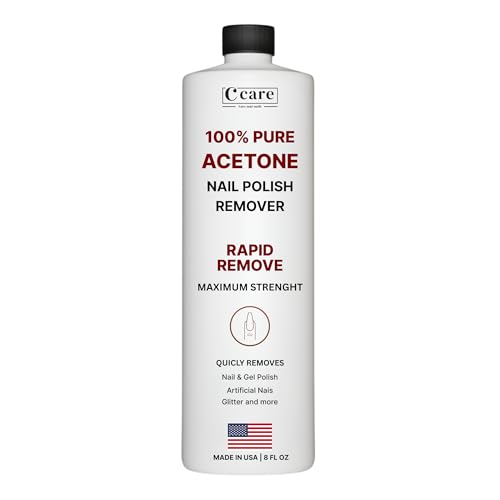
100% Pure Acetone Nail Polish Remover
Acetone dissolves fresh spray paint residue so it can be blotted from fabric fibers.
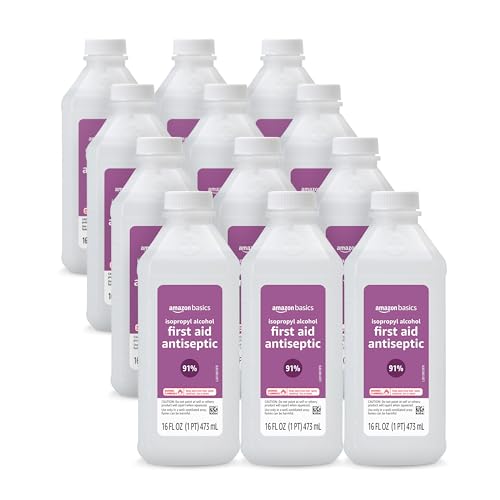
Amazon Basics 91% Isopropyl Alcohol First
Isopropyl alcohol softens light spray paint stains for easier lifting from clothing.

Sunnyside 2-Minute Remover Advanced Paint & Varnish
Gel remover breaks down dried paint and varnish clinging to fabric threads.
Speed decides the outcome. Wet spray paint sits on the surface; once it cures, it bonds to the fibers and every option gets slower and harsher. Blot the excess with a clean cloth, working from the outside in so you do not spread it. Do not rub, and do not reach for hot water, which can push pigment deeper.
Why Timing Matters More Than Anything
Fresh paint comes out far more easily than cured paint, so treat the garment within the first 10 to 30 minutes when possible. Scrape off any blob with a dull edge, then blot. If the paint has already hardened, you will need a solvent to soften it first.
The Two Things You Need to Know First
Check the label and the care tag before you touch a solvent. The paint type tells you which solvent works; the fabric type tells you what it can survive. Acetone, the chemical behind nail polish remover, dissolves many solvent-based paints but can melt acetate and triacetate, so spot test a hidden hem first.
Rubbing alcohol is gentler on most fabrics. Work in a ventilated space, keep solvents off skin, and let the garment air dry completely before machine washing so you can inspect the spot.
When You Can't Get Spray Paint Out of Clothes
Dried Oil-Based Paint on Porous Fabrics
Once oil-based spray paint cures on cotton or other porous fabric, full removal is unlikely. The pigment bonds into the fibers, and a solvent like paint thinner or acetone can soften the surface but rarely pulls color from deep within. Expect a faint shadow to remain.
Try dabbing with a solvent on a hidden seam first, then work the spot with a scrub brush. If the outline persists after two passes, treat the garment as paint-stained rather than ruined.
Delicate Fabrics That Solvents Will Ruin
Silk, rayon, and acetate can dissolve or lose dye the moment acetone or nail polish remover touches them. Check the care label before any stain removal attempt, and skip harsh solvents entirely on these materials.
Dab gently with rubbing alcohol on a cotton swab instead, and stop if the color lifts from the fabric itself. A professional cleaner is the safer call for valuable pieces.
Paint That Has Been Heat-Set
Heat from an iron or dryer fuses paint into the fibers permanently. No solvent will reverse that bond, so avoid machine drying until the stain is fully gone, since one hot cycle locks it in.
Air-dry stained clothing every time. If the mark survives a wash, the paint is set and further scrubbing only damages the fabric.
How to Get Spray Paint Out of Clothes: Step by Step
Test the weakest solvent first: a 10-minute patch test on an inside seam can save the garment. Start with rubbing alcohol, then move to acetone only if the paint holds on.
Step 1: Check the Fabric Care Label
Read the care label before touching the stain. If it says dry-clean-only or the fabric is a delicate weave like silk or rayon, stop and take it to a professional cleaner. Home solvents can shrink or melt these fibers.
Step 2: Test Solvent on Hidden Area
Dab your chosen solvent on an inside seam and wait 10 minutes. Color bleed or fiber damage means pick a different product. For acetone, test on acetate and synthetic blends especially, since it can dissolve them.
Step 3: Scrape off Excess Dried Paint
Lift hardened paint with a dull knife or spoon edge. Work gently so you do not push paint deeper into the weave. For heavy coats, a plastic scraper works better than metal.
Step 4: Use Acetone or Nail Polish Remover
Acetone, a solvent that dissolves paint, works on cotton and denim but melts acetate and some synthetics. Apply with a cloth, blot, and rinse. Nail polish remover is a common acetone source; check the label for pure acetone.
Step 5: Use Rubbing Alcohol
Rubbing alcohol is gentler on most fabric and lifts fresh paint well. Soak a cloth, press for 30 seconds, and blot from the outside in. Repeat until no color transfers.
For heavy coats, a commercial paint thinner or remover may be needed. Test it first, ventilate the room, and keep it off skin.
Finish with stain removal basics: rinse, wash in the washing machine with detergent, and air-dry. Machine drying sets any leftover paint permanently.
Work from the gentlest method to the strongest, and stop the moment the paint lifts.
How Do You Remove Spray Paint from Fabric?
Water-Based vs Oil-Based: Different Routes
Water-based spray paint usually lifts with cool water and detergent while the stain is fresh. Rinse from the back of the fabric, rub in a little detergent, then wash as the care label allows. Oil-based paint needs a solvent, meaning a substance that dissolves another material into a solution.
For oil-based, test acetone, rubbing alcohol, or nail polish remover (an organic solvent for nail polish) on a hidden seam first. Acetone can melt acetate and some synthetics, so check the fabric type before you commit. Blot, don’t flood, and repeat until the color stops transferring.
Using Heat to Soften Dried Paint
Heat softens cured paint so it peels instead of smearing deeper into the fibers. Warm the spot with a hair dryer on low, then flex the fabric and pick at the edges. Keep the dryer moving and skip heat on anything labeled dry-clean only.
When a Pressure Washer Helps (and When It Doesn’t)
A pressure washer can blast paint off sturdy workwear, but it will shred delicate fabric and drive paint deeper. Use it only on heavy canvas or denim, held at a distance, after softening the paint. For most clothing, a scrub brush and solvent beat water pressure.
3 Spray Paint Removal Myths That Ruin Clothes
Myth: Ironing Lifts Paint Out
Heat sets paint into fabric fibers instead of lifting it out. An iron or dryer will bake the stain in permanently, making later stain removal far harder. Skip machine drying until the stain is completely gone.
Myth: Hot Water Alone Dissolves Paint
Hot water cannot break down most spray paint on its own. You need a solvent, a substance that dissolves the paint, to loosen it before washing. Cool water with detergent helps after treatment, but it is not a standalone fix.
Myth: All Fabrics Can Handle Acetone
Acetone, the chemical compound in nail polish remover, can melt acetate, triacetate, and some synthetics. Always test any solvent on a hidden area first and check the care label. When in doubt, switch to rubbing alcohol or paint thinner and keep the scrub brush gentle.
After the Stain is Gone: Care and Maintenance
Check the Stain Before Drying
Hold the garment up to bright light before it goes anywhere near heat. Machine drying removes water by evaporation, and heat locks leftover pigment into the fibers for good. If you see any trace of color, repeat the solvent step first.
Let the item air dry flat until you are certain the mark is gone. Only then is heat safe.
Washing Tips to Avoid Setting Residues
Wash separately in cold water with a mild detergent, and skip the dryer until you have inspected the fabric again. Check seams and cuffs, where solvent and loosened paint tend to collect. A second cold wash is cheap insurance.
Prevent Future Spray Paint Stains
Wear dedicated work clothing and keep a solvent and clean rags within reach before you start spraying. Light, thin layers reduce overspray and drips.
- Designate one old shirt or coverall for paint jobs only
- Keep acetone, rubbing alcohol, or nail polish remover and a scrub brush nearby
- Work in a ventilated area and let each coat flash off before adding more
Remove Spray Paint from Leather and Delicate Fabrics
Leather: Gentle Solvents and Conditioners
Yes, you can lift fresh overspray from leather, but go slow and test first. Acetone is a chemical compound that strips finishes fast, so keep it off dyed leather and use rubbing alcohol on a cotton swab instead.
Dab, never scrub, and stop the moment color transfers to the cloth. Once the paint is gone, work a leather conditioner into the area to restore oils the solvent pulled out. Let it sit 10 to 15 minutes, then buff dry.
Delicates: When to Stop and Call a Pro
Silk, wool, rayon, and anything labeled dry clean only are risky. A solvent strong enough to break down paint can also dissolve the fiber or set a permanent ring, so treat these as a professional job.
If the garment is sentimental or expensive, stop before you touch it. A dry cleaner who handles stain removal daily has a better shot than a home attempt, and a failed try can make their job impossible.
Eco-Friendly Removal Methods
Lower-toxicity options work best on water-based paint and light stains. Try a paste of baking soda and water, or a citrus-based cleaner, applied with a soft scrub brush and rinsed thoroughly.
Ventilate the room, wear gloves, and skip harsh paint thinner indoors. Check the EPA Safer Choice label when buying a cleaner, and always launder separately afterward so residue does not transfer in the washing machine.
When DIY Spray Paint Removal Works
Fresh Stains on Sturdy Fabrics
If you catch it while the paint is still wet, yes. Tackle the spot within minutes and most spray paint will lift before it bonds to the fibers.
Blot, don’t rub, with a clean cloth, then test your solvent on a hidden hem first. A scrub brush with soft bristles helps work the product in without fraying the weave.
Water-Based Paint on Washable Clothes
Water-based spray paint usually comes out of washable fabric with detergent and warm water. Rinse the spot from the back to push pigment out rather than deeper in.
Pre-treat, then run a normal cycle in the washing machine. Check the stain before drying, since heat sets anything left behind.
Oil-Based Paint on Non-Delicate Fabrics
Oil-based paint on cotton, denim, or canvas is workable with the right solvent. Acetone, a chemical compound that dissolves paint residue, or rubbing alcohol can break down the film.
Nail polish remover, an organic solvent for nail polish, often works in a pinch, but confirm the fabric type first. Apply, blot, repeat, then wash. Skip paint thinner on anything you care about.
Safety and Cost: DIY vs Professional Cleaning
Safety Precautions When Using Solvents Like Acetone on Clothing
Acetone is a fast, aggressive solvent, so treat it with respect. Work outside or near an open window, wear nitrile gloves, and keep the bottle away from flames, pilot lights, and anything that sparks. Acetone vapors are heavier than air and can build up in low spaces.
Test any solvent on a hidden hem first. Acetone and nail polish remover can melt acetate, triacetate, and some synthetics, so check the fabric type on the care label before you touch the stain. Never mix solvents, and never put solvent-soaked clothing into a washing machine until it has fully dried.
Cost Comparison: DIY Removal vs Professional Cleaning vs Replacing the Garment
DIY is cheapest, typically $5 to $15 for acetone, rubbing alcohol, or detergent you may already own. Professional cleaning runs roughly $10 to $30 per garment, more for delicate fabric or heavy staining, and a specialist may decline if the paint has cured.
Replacing the garment is the fallback when the paint is oil-based and set, or the fabric is acetate. Call a cleaner before you try anything harsh; they can tell you honestly whether stain removal is realistic.
Your Action Plan for Spray Paint Stains
Yes, most fresh spray paint comes out of clothing, but only if you match the method to the paint and the fabric. Rush it or guess wrong and you set the stain for good.
| Action | Why it helps | How to start |
|---|---|---|
| Act while paint is wet | Fresh paint lifts easier than cured | Blot, don't rub, within minutes |
| Check the fabric care label | Tells you if solvents are safe | Look for dry clean only warnings |
| Identify the paint type | Water-based vs solvent-based changes approach | Read the can or receipt |
| Test solvent on hidden area | Prevents color bleed or melting | Inner hem, small dab, wait |
| Scrape dried excess | Removes bulk before solvent | Dull knife, gentle lifting motion |
| Use acetone or nail polish remover | Dissolves tough solvent-based paint | Cotton swab, ventilated area |
| Wash after treating | Flushes loosened pigment out | Cold water, regular detergent |
Immediate Steps
Blot wet paint with a clean cloth, working from the outside in, and check the fabric care label before anything else. Identify whether the can was water-based or solvent-based.
If the Stain Persists
Scrape off dried excess with a dull knife, then test acetone or nail polish remover on a hidden seam. Work in ventilated space and keep solvent off skin.
Final Evaluation
Wash in cold water with detergent, then air dry. Heat sets stains, so inspect before tumble drying.
Common Mistakes That Set Spray Paint Permanently
Ironing Before Removal
Never touch an iron to a stained garment, since heat sets paint into the fibers. Skip the dryer and the iron until the mark is completely gone.
Machine Drying Too Soon
One warm cycle can bake the residue in for good. Air-dry instead and check the spot in good light before it goes near the washing machine.
Skipping the Patch Test
Acetone, nail polish remover, and paint thinner can melt acetate, modacrylic, and some blends. Test the solvent on a hidden hem or inside seam and wait 10 to 15 minutes before you commit.
- Ironing before removal: heat locks paint into the fibers, so keep the iron away until the mark is fully gone.
- Machine drying too soon: a warm dryer cycle can set residue permanently, so air-dry and recheck first.
- Skipping the patch test: acetone and paint thinner can melt acetate and some blends, so test a hidden seam first.
- Using the wrong solvent for the fabric type: strong solvents damage synthetics, so match the product to the label.
- Scrubbing wet paint deeper: a scrub brush pushed hard spreads the stain, so blot and lift instead.
- Letting the stain sit for days: fresh paint lifts far easier, so start stain removal the same day.
- Skipping detergent after solvent: leftover solvent needs a wash with detergent to clear the fabric.
When to Call a Pro (or Discard the Clothing)
Warning Signs: Set Stains, Delicate Fabrics, Leather
Stop if the paint has cured for days, the fabric is silk, wool, or leather, or the color bleeds when you test a hidden seam. These cases demand a pro, not a stronger solvent.
Professional Cleaning Options
A specialty dry cleaner or restoration service can often save delicate pieces. Ask them to assess the stain removal risk before treating, and expect a typical charge of $20 to $60 per garment, depending on fabric and paint type.
When to Discard the Clothing
Discard the item if the paint has hardened into the fibers, the solvent damages the fabric, or the stain covers a large area. Safety first: never mix paint thinner with other chemicals, and follow the manufacturer’s ventilation guidance.
Stop and call a professional if:
- Stop if the paint has cured for days and no longer lifts with a solvent.
- Stop if the fabric is silk, wool, leather, or another delicate material.
- Stop if a hidden test patch shows the color bleeding or the fibers weakening.
- Stop if the stain covers a large area or has hardened deep into the fibers.
- Stop if you are unsure which solvent is safe for that fabric type.
Can You Get Spray Paint Out of Clothes: Frequently Asked Questions
?Can You Get Spray Paint Out of Clothes If the Paint Has Already Dried?
Yes, but it takes more work. Dried spray paint bonds to the fabric fibers, so you'll need a solvent like acetone or paint thinner to soften it before scrubbing. Test the solvent on a hidden seam first, then dab and lift rather than rubbing hard. Fresh stains come out far easier, so treat dried paint as a slower, more careful job.
?Can You Get Spray Paint Out of Clothes on Different Fabric Types?
Yes, but the fabric type changes which solvent you should use. Cotton and other sturdy fabrics tolerate acetone and rubbing alcohol well. Acetate, rayon, and some synthetics can melt or discolor with strong solvents, so use rubbing alcohol instead. Leather and delicate fabrics need a pro or a specialty cleaner. Match the solvent to the fabric before you touch the stain.
?How Can You Get Spray Paint Out of Clothes Without Acetone?
Use rubbing alcohol or a non-acetone nail polish remover, which is an organic solvent that lifts paint without attacking most fabrics. Apply it to a cloth, dab the stain from the back, and blot as the paint transfers. Repeat with a clean section of cloth each time. It's slower than acetone but safer on synthetics and colored fabric.
?Why Does Scrubbing Make It Harder to Get Spray Paint Out of Clothes?
Because scrubbing pushes paint deeper into the fibers and spreads the stain. It can also fray the fabric surface, which locks pigment in. Instead, blot and lift with a solvent-soaked cloth, working from the outside of the stain inward. A scrub brush is only for loosening dried paint after it has softened, and even then use light pressure.
?What Should You Do Before You Try to Get Spray Paint Out of Clothes in the Washing Machine?
Remove as much paint as possible by hand first. The washing machine can't dissolve paint; it only spreads it and can contaminate other clothing. Pre-treat with your solvent, blot until no more color transfers, then wash with detergent on the hottest setting the fabric allows. Check the stain before drying, because heat sets anything left behind.
?is It Safe to Use Paint Thinner to Get Spray Paint Out of Clothes at Home?
Only with caution. Paint thinner is a strong solvent with fumes that are harmful indoors, so use it outside or in a well-ventilated space, wear gloves, and keep it away from flames. It works on tough dried paint but can damage some fabrics. Test on a hidden area first, and never mix solvents or pour them down the drain.
?When Should You Stop Trying to Get Spray Paint Out of Clothes and Call a Pro?
Stop when the fabric is delicate, the garment is valuable, or two careful attempts have failed. Delicate fabrics, leather, and dry-clean-only clothing are easy to ruin with DIY solvents. A professional cleaner has the right solvent for the fabric type and can often save what home methods would damage. Know when to quit before you make it worse.
Our Thoughts
Getting spray paint off clothing is doable, but it comes down to fabric type and paint type, and speed matters. Move before the paint cures, because fresh overspray lifts far easier than a set stain. Check the care label first and test any solvent, acetone or nail polish remover, on a hidden seam.
Your next step: scrape off excess paint with a dull edge, then blot, don’t rub, with the mildest solvent that works. Rinse, pre-treat with detergent, and air-dry before machine washing. Inspect before tumble drying, since heat can lock a stain in for good.