
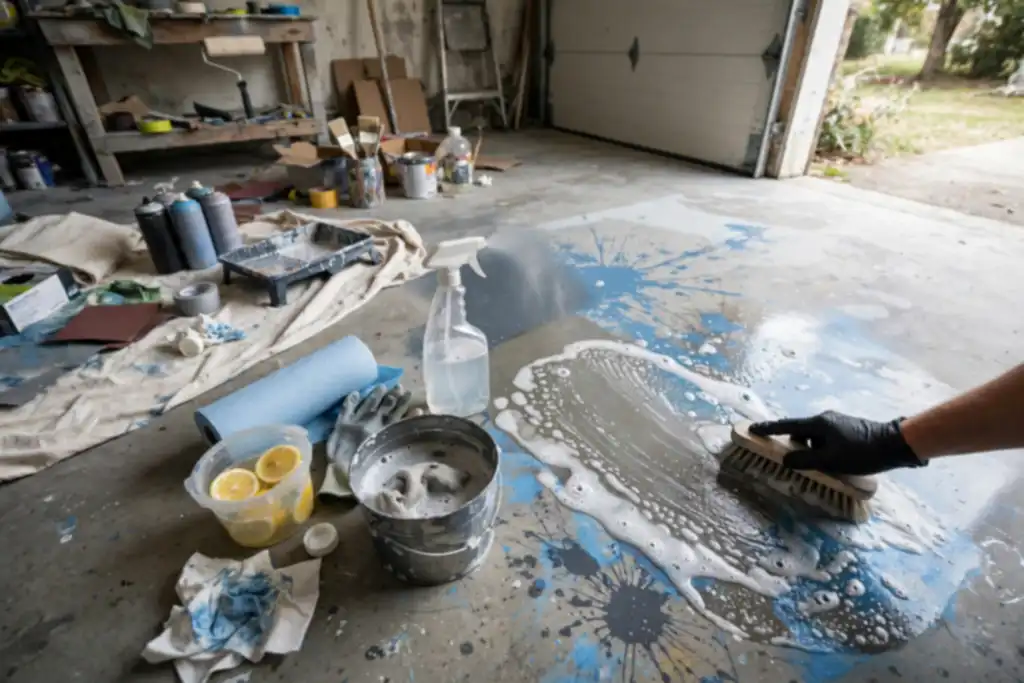
The core answer is to match the solvent to the floor: use acetone or paint thinner on concrete and tile, but start with mineral spirits on hardwood. The key condition is testing a hidden spot first, because the wrong solvent can permanently damage the surface.
Choosing between a fast solvent and a gentle one determines whether you save the floor or ruin it. The right method for how to get spray paint off floor depends on the surface: concrete and tile tolerate stronger solvents like acetone or paint thinner, while hardwood needs mineral spirits and a light touch. You will learn which solvent matches each floor type, how to test safely, and the mistakes that cause permanent damage.
Safety and ventilation come first. Solvents release fumes, so open windows and wear gloves and eye protection. Keep a scraper and sanding tools ready for cured paint, and know when a pressure washer helps on concrete. This is about doing it right once, without etching, staining, or warping the surface.
- Match solvent to floor: acetone for concrete and tile, mineral spirits for hardwood.
- Test any solvent on a hidden spot before full application.
- Ventilate the area and wear gloves and eye protection.
- Use a scraper for lifted paint, then sanding for residue.
- Avoid pressure washers on wood; reserve them for concrete.
How to Get Spray Paint off Floor: the 60-Second Decision Before You Touch Anything
Before you touch a rag or a solvent, make three quick calls: what the floor is, how old the paint is, and whether your chosen product will hurt the surface. Get those right and cleanup is boring. Get them wrong and you trade overspray for a permanent stain or a stripped finish.
| Your situation | What to do | Why |
|---|---|---|
| Sealed concrete, garage | Scrape, then solvent or pressure washer | Concrete tolerates most removers |
| Bare or waxed concrete | Lift with scraper, wipe with mineral spirits | Harsh solvents can leave blotches |
| Hardwood, sealed | Mineral spirits on a rag, light sanding | Acetone can eat the finish |
| Hardwood, unsealed | Scrape, sand, spot-treat carefully | Paint soaks into open grain |
| Ceramic or porcelain tile | Plastic scraper, acetone on a cloth | Glaze resists most solvents |
| Vinyl or laminate | Mineral spirits, no acetone | Acetone can melt the wear layer |
| Painted floor | Test first, expect touch-up | Remover may lift the base coat |
Recommended for this job

Max Strip Spray Paint & Graffiti Remover
Gel clings to floor surfaces lifting spray paint, marker and ink stains.

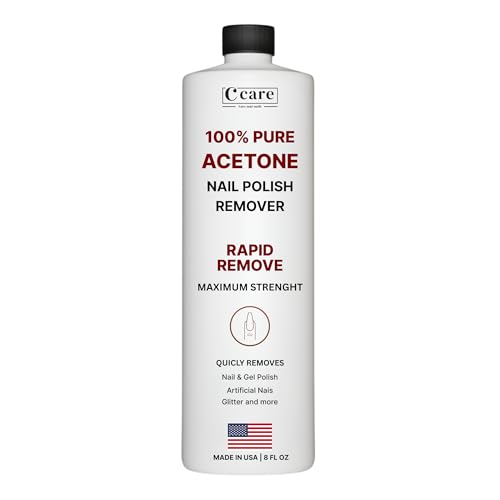
100% Pure Acetone Nail Polish Remover
Acetone dissolves fresh spray paint splatters for quick floor cleanup.
Three facts decide your method: the floor material, the paint’s cure state, and how the solvent (a liquid that dissolves another substance) reacts with the surface. Get those wrong and you get melted vinyl, stripped hardwood finish, or etched concrete.
What Kind of Floor Are You Standing on?
Identify the material before choosing a chemical. Concrete tolerates acetone and paint thinner (solvents that dissolve paint) with little risk. Hardwood needs the mildest option first: mineral spirits, a petroleum-based solvent, on a rag, not a pour. Glazed tile resists most solvents; unglazed tile absorbs them. Test vinyl and laminate with acetone on a 1-inch square before any wider use.
- Concrete: a composite of cement and aggregate; scrub with a stiff brush and a 1:1 mix of paint thinner and water.
- Hardwood: wood from dicot trees; keep liquid off seams and dry within 2 minutes.
- Tile: flat, durable flooring; avoid metal scrapers on glaze.
Fresh Overspray or Cured Spray Paint?
Fresh overspray wipes up in 1 to 3 minutes with a solvent-dampened rag. Cured paint needs mechanical help first: a plastic scraper (a tool for lifting material off a surface), then sanding with 220-grit paper, then solvent on the residue.
The One Rule That Keeps Floors Intact: Test a Hidden Spot First
Apply your chosen solvent to a 1-inch hidden area and wait 10 minutes. If the finish dulls or lifts, stop. Open two windows, wear nitrile gloves, and keep solvent at least 10 feet from pilot lights.
The 5-Minute Diagnostic: Read Your Floor and the Paint Before You Scrub
Identify Your Floor Type: Concrete, Wood, Tile, Vinyl, or Garage Epoxy
Know the surface first, because acetone or paint thinner that is safe on concrete can soften vinyl and dull a hardwood finish. Test a 1-inch spot near a wall or under a rug, and wait 10 minutes before you commit.
Fingernail Test: Does the Paint Flake, Smear, or Sit Rock-Hard?
Press a fingernail into a drip and watch what happens. Flaking paint lifts with a scraper in 2 to 3 minutes, smearing paint needs mineral spirits, a solvent that dissolves the paint film, and rock-hard paint means sanding with 220-grit paper or a stronger approach.
Check for Sealers, Wax, and Grout Lines That Soak up Solvent
Sealers and wax can trap solvent against the floor and stain it within 5 to 10 minutes. Grout lines on tile drink liquid fast, so dab with a rag, never pour, and test a hidden grout joint first.
Find Your Ventilation and Ignition Sources Before Opening Any Can
Solvent vapors are flammable and heavier than air, so open two windows and run a fan pulling air out. Shut off pilot lights and heaters within 10 feet, and keep cans sealed until you are ready.
Run this five-minute check before you touch a rag, so you pick the right method and skip the damage.
Why Solvent Strength Must Match the Paint and the Floor
Solvents Dissolve Paint; the Wrong One Also Dissolves Finish or Sealer
A solvent is a liquid that dissolves another substance, and that power is not selective. Identify your floor type before you touch a rag: concrete is forgiving, but hardwood, tile with grout, and sealed garage slabs are not. A strong solvent can eat the finish or sealer along with the spray paint.
Match strength to the surface. Start with mineral spirits, a mild paint thinner, on cured paint over sealed floors. Reserve acetone for concrete and unsealed surfaces only, since it attacks many coatings and grout.
Lift-And-Blot Beats Scrub-And-Spread
Apply solvent to a cloth, then blot the spray paint and lift it away. Scrubbing pushes pigment into pores and spreads the mess across the floor. Work small sections, flip the cloth often, and use a plastic scraper on thick spots instead of a metal blade.
Why Dwell Time Matters More Than Elbow Grease
Let the solvent sit 30 seconds to a few minutes so it can soften the paint before you wipe. Rushing means more rubbing and more risk to the finish. Keep ventilation strong, wear gloves, and test any solvent in a hidden corner first.
Before You Start: Ventilation, Flammables, and the Right Scraper
Identify your floor type first, concrete, hardwood, and tile tolerate different chemicals, and the wrong one can stain or etch. Set up your workspace before touching a rag.
Open Doors and Windows; Solvents Are Flammable and Fume-Heavy
Solvents dissolve substances and release strong fumes. Cross-ventilate with fans and keep flames, pilot lights, and sparks away.
Nitrile Gloves, Eye Protection, and a Respirator for Indoor Work
Wear nitrile gloves and goggles; add an organic-vapor respirator indoors.
Plastic Scrapers First, Metal Only Where the Floor Can Take It
Start with plastic scrapers to avoid gouges; use metal blades only on concrete.
Drop Cloths, Rags, and a Labeled Container for Solvent Waste
Cover nearby areas, seal rags in a metal can, and check local disposal rules.
- Test a hidden spot first.
- Two windows and a fan beat one cracked door.
- Nitrile resists acetone and paint thinner better than latex.
- Plastic first, metal last, blade flat.
- Label waste containers; never mix solvents.
Step-by-Step: How to Get Spray Paint off Floor by Floor Type
Work through these steps in order, matching the method to your floor and testing every solvent first.
- Identify your floor type and finish before touching any solvent. Concrete, hardwood, tile, and vinyl each react differently to chemicals.
- Ventilate the room with fans and open windows, and wear nitrile gloves and eye protection.
- Scrape up fresh overspray with a plastic scraper held at a low angle to avoid gouges.
- Test your chosen solvent on a hidden 1 by 1 foot area and wait 10 minutes. If the finish softens or discolors, switch to a milder option.
- Apply solvent to a rag, not the floor, and blot the spray paint in small sections.
- Agitate stubborn spots with a stiff brush or fine sanding pad, using light pressure on hardwood and tile.
- Rinse with clean water and dry fully before walking on it.
Concrete and Garage Floors: Lift with a Solvent, Then Scrub with a Stiff Brush
Start with a stronger solvent like acetone or paint thinner. Apply, let it sit 2 to 5 minutes, then scrub with a stiff brush. A pressure washer speeds up cleanup on large spills.
Hardwood and Laminate: Blot with a Mild Solvent and Plastic Scraper Only
Use mineral spirits sparingly, and never flood the surface. Blot with a rag, then lift residue with a plastic scraper. Avoid acetone, which can strip the finish in seconds.
Tile and Grout: Solvent on the Tile, Gentle Agitation on Grout Lines
Apply solvent to the tile face and wipe before it reaches grout. On grout lines, use a soft brush with light pressure. Rinse quickly so solvent does not soak into porous grout.
Vinyl and Linoleum: Test First, Then Use the Weakest Solvent That Works
Begin with mineral spirits on vinyl and linoleum. Test in a corner, then blot rather than scratch. Skip acetone and lacquer thinner entirely.
Remove Residue, Rinse, and Dry Completely
Wipe all solvent and paint residue with a clean damp rag, rinse with water, and dry completely with a fan. Check for slick spots before resuming normal use.
Work through these steps in order, matching the method to your floor and testing every solvent first.
Follow-Up Care: Neutralize the Solvent and Restore the Finish
Once the paint is gone, your work isn’t finished: leftover solvent and a dulled finish can cause problems if you skip the cleanup. These steps close out the job safely.
Rinse with Clean Water and Mild Soap to Stop Solvent Action
A solvent is a substance that dissolves another material, and it keeps working until you remove it. Wipe up lifted paint first, then rinse with water and a few drops of mild soap.
Re-Seal Concrete or Re-Wax Vinyl If the Finish Dulled
Solvents and scraping can strip a protective layer, leaving concrete or vinyl looking chalky. Once the surface is dry, apply a matching sealer or floor wax per the manufacturer’s directions.
Let the Floor Dry Completely Before Replacing Rugs or Furniture
Trapped moisture under a rug can stain or warp a floor. Wait at least 24 hours with good ventilation, then feel the surface for any cool or damp spots before you put anything back.
Once the paint is gone, your work isn't finished: leftover solvent and a dulled finish can cause problems if you skip the cleanup.
Troubleshooting: When the Paint Won't Budge or the Floor Starts to Dull
When the paint fights back or the floor starts to dull, stop and diagnose before you make it worse. The fix is usually a change in method, not more muscle.
| Problem | Likely cause | Fix |
|---|---|---|
| Paint smears instead of lifting | Solvent too weak or evaporated | Switch to a stronger solvent like acetone |
| Solvent evaporates before working | High ventilation or warm floor | Work in small sections and reseal |
| White haze on hardwood | Finish cut by solvent or sanding | Stop, let dry, plan a refinish |
| Tile grout still stained | Pigment trapped in porous grout | Apply a poultice, not more solvent |
| Concrete paint won't budge | Paint cured into pores | Try a pressure washer or chemical stripper |
| Scraper gouges the floor | Too much pressure or wrong angle | Use a plastic scraper and lighter passes |
| Sanding leaves swirl marks | Grit too coarse for the finish | Step up to finer grit and sand evenly |
Paint that smears means your solvent is too weak or flashing off before it works. Switch to a stronger solvent like acetone, but test a hidden spot first and keep ventilation strong.
Paint Smears Instead of Lifting? Switch Solvent, Not Pressure
More elbow grease just spreads the mess. Apply a small amount of paint thinner or acetone, let it sit 30 to 60 seconds, then wipe once with a clean rag. Repeat with fresh solvent until the rag comes up clean.
White Haze on Wood? You’ve Cut the Finish, Stop and Plan a Refinish
A cloudy patch on hardwood means the solvent or sanding has dulled the clear coat. Stop immediately. Let the floor dry fully, then plan a light sanding and recoat, or call a pro if the haze covers a large area.
Grout Still Stained? Try a Poultice Instead of More Solvent
Solvent pulls paint from the tile surface but not from deep in the grout. Mix a poultice of baking soda and water, spread it over the stain, cover with plastic, and leave 12 to 24 hours. Lift the dried paste and rinse.
Doing It on a Budget: Cheap Solvents That Actually Work
Mineral Spirits and Denatured Alcohol vs. Specialty Removers
Start by identifying your floor type before you buy anything. Mineral spirits, a solvent that dissolves paint, and denatured alcohol handle fresh overspray on tile and sealed concrete for a few dollars. Specialty removers cost more but work faster on cured paint.
On hardwood, skip harsh solvents and use the mildest option first. Test any product in a hidden corner and let it sit 10 minutes before committing.
Household Options and Where They Fall Short
Acetone, a fast-evaporating solvent, and rubbing alcohol are cheap and fine for small spots on tile. They evaporate too quickly to soften thick paint and can dull some finishes.
Never reach for a pressure washer indoors; it drives paint and water into surfaces. On concrete, a scraper plus sanding removes residue once the paint softens.
Buying the Smallest Can That Finishes the Job
Match the can size to the spill, not the shelf price. A pint of paint thinner or mineral spirits covers most overspray jobs; buy larger only if the area is truly big.
Work with open windows and a fan running. Store leftovers sealed and labeled, and keep solvent off your skin.
Cost: DIY Solvents vs. Professional Spray Paint Removal
Below are typical cost ranges for DIY solvent-based removal versus hiring a pro, with the floor-type assumptions that drive the numbers.
| Option | Upfront cost | Ongoing cost | Notes |
|---|---|---|---|
| DIY small spill (concrete) | $15 to $40 | $0 | Solvent, scraper, rags |
| DIY small spill (tile) | $10 to $30 | $0 | Mineral spirits, plastic scraper |
| DIY small spill (hardwood) | $20 to $50 | $0 | Gentle solvent, sanding supplies |
| DIY large overspray (concrete) | $50 to $120 | $0 | More solvent, pressure washer rental |
| Pro removal (concrete) | $150 to $400 | $0 | Labor and equipment, small area |
| Pro removal (tile) | $200 to $500 | $0 | Labor, protective measures |
| Pro removal (hardwood) | $300 to $800 | $0 | Labor, refinish may be extra |
| Refinish after DIY damage | $400 to $1,200 | $0 | Sanding, stain, sealer, labor |
Ranges assume a spill or overspray area under 50 square feet, US pricing, and that you already own basic tools. Pro costs vary by region and floor condition. Hardwood figures assume no structural damage; refinish costs assume a single room.
Your floor type must be identified first: solvent choice and scraper hardness depend on it. Concrete tolerates acetone and pressure washing; hardwood and tile do not.
DIY: Solvent, Scrapers, and Rags, Typical Small-Spill Ranges
Expect $15 to $50 for a small spill on concrete, tile, or hardwood, assuming you already own a scraper and rags. A solvent dissolves the paint so you can lift it; paint thinner, acetone, or mineral spirits each behave differently by floor.
Pro: Labor, Equipment, and Floor-Type Assumptions
Pro removal runs $150 to $800 for areas under 50 square feet, depending on floor type and access. Hardwood costs more because sanding and refinishing may follow.
When Pro Removal is Cheaper Than a Refinish You Caused Yourself
If your solvent test dulls the finish or your scraper gouges tile, stop. A $400 to $1,200 refinish costs more than pro removal, and safety and ventilation mistakes add risk.
Care and Maintenance: Keep the Floor Looking Untouched
Re-Seal or Re-Wax on Schedule After Solvent Contact
Solvents strip protective finishes, so re-seal or re-wax soon after cleaning. On concrete, apply sealer every 1-2 years. On hardwood and tile, reapply wax or sealer within weeks of solvent contact. Know your surface: concrete, hardwood, tile, and vinyl react differently to paint thinner or acetone. Prevention is cheaper than repair.
Spot-Test Any New Cleaner on a Hidden Area
Test new cleaners on a hidden spot and wait 24 hours. Apply mineral spirits or solvent to a corner and watch for dulling, swelling, or color change. If the finish softens or color shifts, stop. This five-minute check saves refinishing an entire floor.
Store Solvents Safely and Out of Reach of Kids and Pets
Keep solvent, acetone, and paint thinner in sealed, labeled containers in a locked cabinet away from heat and flames. Store scraper blades and sanding pads out of reach. Ventilate the area, never pour leftovers down a drain, and follow local hazardous waste rules.
Common Mistakes: Too Much Solvent and the Wrong Scraper
Flooding the Floor Instead of Blotting
Pour solvent onto a rag, not the floor; pooling spreads paint and can stain or warp surfaces. Blot from the outside in, then wipe clean.
Metal Scrapers on Wood, Laminate, or Vinyl
Use a plastic scraper on hardwood, laminate, and vinyl; metal blades gouge soft finishes. On concrete and tile, metal is fine once paint has softened.
Skipping the Test Patch and Regretting It
Test any solvent on a hidden spot first; paint thinner, acetone, and mineral spirits behave differently on concrete, hardwood, and tile. Wait 24 hours to confirm.
Working Indoors Without Ventilation or Near a Pilot Light
Open windows, run a fan, and keep flames and pilot lights off; fumes are flammable and build up quickly. Wear gloves and eye protection, and take breaks in fresh air.
- Identify floor type before choosing a method.
- Blot; do not flood.
- Plastic scraper on wood and vinyl, metal on concrete and tile.
- Test first and wait a day.
- Ventilate; no ignition sources.
- Sand or pressure-wash only concrete, never indoors.
When to Call a Pro: Real Warning Signs
Large Cured Spills Across a Finished Floor
When a thick spill cures hard, a solvent can drive pigment deeper. Stop if the patch is bigger than a dinner plate or sits on a finished surface; a pro can strip and refinish without spreading the stain.
Solvent Damage to Sealer, Wax, or Engineered Wood
If a test spot turns cloudy, tacky, or lifts the finish, the solvent is too hot. Engineered hardwood and waxed tile are common casualties. Know your floor type; if the finish reacts, call a flooring specialist.
Fumes, Flammables, or Confined Spaces You Can’t Ventilate Safely
Acetone and paint thinner are flammable, and a basement or garage with one window is inadequate ventilation. If you cannot cross-breeze the room or keep ignition sources out, hand it to a pro. OSHA treats solvent vapors as a real exposure risk.
- Stop if a test patch softens the finish or discolors the surface.
- Stop if the spill covers a large area of finished flooring.
- Stop if you cannot ventilate the room or remove ignition sources.
- Stop if the floor is engineered wood, waxed, or freshly sealed.
How to Get Spray Paint off Floor: Frequently Asked Questions
?Can You Get Spray Paint off Floor Surfaces Without Ruining the Finish?
Yes, if you match the solvent to the floor type. Start with the mildest product that can get spray paint off floor surfaces, test it on a hidden spot, and only step up in strength if the paint stays put. The wrong solvent will dull or strip the finish, so patience beats power every time.
?How Do I Get Spray Paint off Floor Concrete Safely?
Use a solvent like paint thinner or acetone, then scrub and rinse to get spray paint off floor concrete. Concrete is forgiving, but ventilation still matters. Wipe up solvent-soaked rags immediately and keep them away from ignition sources. For heavy overspray, a pressure washer can finish the job after the solvent loosens the paint.
?Does Acetone Get Spray Paint off Floor Tile Without Damage?
Usually yes, because tile is a flat, durable flooring material that resists most solvents. Acetone, a chemical compound sold as nail polish remover, cuts spray paint fast. Apply it to a rag, not the whole floor, and keep it off grout lines, which are more porous. Ventilate the room and wear gloves.
?How to Get Spray Paint off Floor Hardwood Without Sanding It Down?
Try mineral spirits first, a chemical substance gentler than acetone, on a cloth, then lift the softened paint with a plastic scraper, a tool used to remove material from surfaces. Hardwood is wood from dicot trees and its finish is the fragile part. If solvent alone fails, spot sanding with fine grit is the safer next step before any full refinish.
?What Solvent Should I Avoid When Getting Spray Paint off Floor Surfaces?
Avoid strong acetone or lacquer thinner on finished hardwood, vinyl, and painted floors, since they can eat the finish along with the paint. Stick to mineral spirits or dedicated paint thinner on those surfaces. Always test in a closet or corner first. Safety, meaning freedom from damage and injury, starts with that test patch and good ventilation.
?When Should I Stop Trying to Get Spray Paint off Floor Myself?
Stop when the paint has soaked into porous grout, the floor starts to dull or discolor, or solvent fumes build up in a closed space. Those are signs to call a pro. A pro can assess whether sanding, refinishing, or replacement is cheaper than further DIY attempts that risk making the damage permanent.
?is It Safe to Use a Pressure Washer to Get Spray Paint off Floor Garage Slabs?
Yes, on bare concrete only, and after solvent softening. A pressure washer, a machine that sends out a strong stream of water, can blast loosened paint out of pores. Never use one indoors or on sealed, painted, or hardwood floors. Keep the nozzle moving so you do not etch the concrete surface.
Conclusion
Speed still matters, but patience protects your floor. Fresh overspray wipes up with a solvent-damp cloth, while dried paint calls for the gentlest method your surface allows: solvents on concrete, careful scraping or sanding on hardwood, and no acetone near tile or vinyl. Test any solvent in a hidden spot first, and keep ventilation strong and safety gear on, since paint thinner, acetone, and mineral spirits are all flammable.
Your best next step: identify your floor material and test one small, inconspicuous area before treating the whole spill. That single check tells you whether a scraper, solvent, or pressure washer is safe to use.