
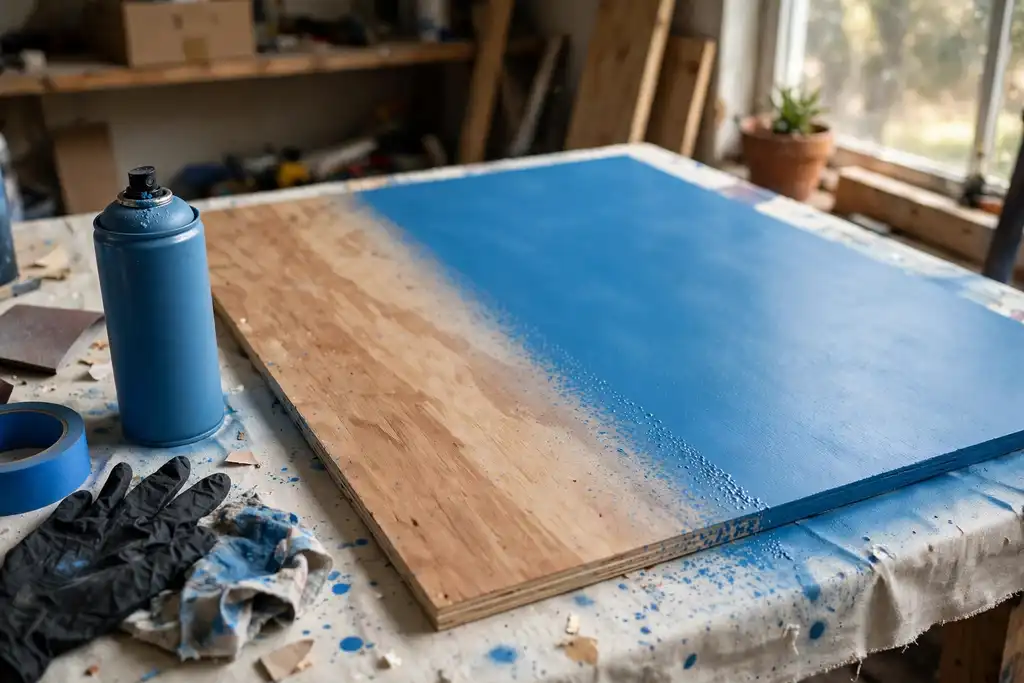
Expect a 12-ounce aerosol can to cover 15 to 25 square feet in one coat, but that range hinges on paint type, surface porosity, and spray distance, so buy extra for rough or absorbent surfaces.
What’s the real answer to how much does a can of spray paint cover? A typical 12-ounce can covers 15 to 25 square feet in a single coat, but that number swings with can size, paint type, and the surface you’re spraying. You’ll get less on porous wood or bare metal and more on smooth, primed panels.
This article gives you the numbers to plan your project without waste. You’ll learn how can size, number of coats, surface porosity, spray distance, and overlap affect coverage, plus why a primer coat saves paint and prevents patchy results. We’ll also flag the safety mistakes that ruin finishes and cost you extra cans.
How Much Does a Can of Spray Paint Cover?
A standard 12 oz aerosol can covers roughly 4 to 12 square feet with one coat, depending on paint type, surface porosity, and how you spray. Buy for two coats and add a spare can before you start.
| Factor | Effect | Tip |
|---|---|---|
| Can size | More ounces, more area | Scale up from the 12 oz baseline |
| Paint type | Thicker coatings cover less | Check the label's stated coverage |
| Surface porosity | Porous surfaces soak up paint | Use primer on bare wood or masonry |
| Number of coats | Each coat multiplies paint use | Plan two thin coats, not one heavy |
| Spray distance | Too far wastes paint in overspray | Hold 8 to 12 inches from the surface |
| Overlap | 50% overlap doubles paint laid down | Keep passes even and consistent |
| Primer | A preparatory coating put on materials before painting | Prime first to cut topcoat use |
| Brand and formula | Rust-Oleum, Krylon, Dupli-Color vary by product | Read the can's stated square feet |
Recommended for this job

Rust-Oleum Painter's Touch 2X Ultra Cover
Covers up to twice the area per can versus standard spray paint.

Rust-Oleum Painter's Touch 2X Ultra Cover
Primer formula covers similar square footage per can as topcoat paints.

Rust-Oleum Painter's Touch 2X Ultra Cover
Clear coat adds a protective layer without reducing stated coverage area.
How Much Does a Can of Spray Paint Cover? Plan on 15 to 25 Square Feet per 12 Oz Can, per Coat
That range assumes a single coat at 8 to 10 inches of spray distance with 50% overlap. A 12 oz aerosol of Rust-Oleum or Krylon lays down about 15 sq ft on bare wood or concrete and up to 25 sq ft on sealed metal. Buy one extra can for touch-ups.
Krylon is a spray paint brand whose cans state coverage per can, so check its label before buying.
Rust-Oleum is an American paint manufacturer whose spray cans list their own coverage figures on the label.
Can Size Changes the Math
A 16 oz can covers roughly 20 to 33 square feet per coat, and a 20 oz can about 25 to 42 square feet. Dupli-Color automotive cans often state lower numbers because metallic and clear coats go on thinner. Check the label’s stated square feet before you buy a case.
Dupli-Color is an automotive spray paint brand whose cans list coverage, with metallic and clear coats covering less.
Surface Porosity and Primer Decide Your Real Number
Bare wood and concrete soak up 30 to 50% more paint than sealed surfaces. Apply a primer (a preparatory coating) first to cut absorption and keep coverage predictable. Skipping primer on porous surfaces is the most common cause of running out mid-project.
Spray Distance and Overlap Prevent Waste
Hold the can 8 to 10 inches from the surface and overlap each pass by half. Closer passes flood the surface and waste 20 to 30% of the can. Two light coats cover better than one heavy coat and reduce drips on vertical surfaces.
Buy 10-15% More Cans Than Your Math Says
Why Overlap and Touch-Ups Eat into Your Total
You cannot spray a perfect edge-to-edge rectangle. Overlap, where each pass shares a strip with the last, is required to avoid stripes, and that shared area gets painted twice. Add the touch-ups you will inevitably make and your real coverage drops below the label estimate.
Surface porosity makes it worse. Bare wood and concrete drink paint, while a primed or sealed surface stretches each can further.
A Simple Decision Rule for Extra Cans
Round your calculated can count up, then add one can for every four you plan to use. That buffer covers overlap, a second coat on high-traffic spots, and the occasional clogged nozzle.
- One to three cans: buy one extra.
- Four to eight cans: add two.
- Nine or more: add 15 percent.
Buy from a retailer with easy returns so unused cans go back.
When One Spare Can is Enough
A single spare works for small projects on smooth, primed surfaces where one coat covers. Keep spray distance steady and your overlap consistent, and you will rarely need more.
For large or porous jobs, stock the full buffer before you start. Running out mid-project risks a visible color or sheen mismatch between batches.
How to Test Coverage on a Small Area Before You Commit
Test on the real material, not cardboard. Surface porosity and paint type change results, so a scrap of the same wood, metal, or plastic keeps your numbers honest.
Pick a Hidden Test Patch on the Same Material
Choose a spot that stays out of sight, like the underside of a shelf or the inside of a car panel. Clean and scuff it the same way you will prep the full project.
Weigh the Can Before and After
A kitchen scale in ounces gives you a real usage number. Weigh the can before spraying, then again after the patch dries.
Measure the Square Footage You Actually Covered
Keep the patch at 1 square foot so the math stays simple. Count your coats and note the spray distance and overlap you used.
Scale up to Your Full Project
Multiply your patch usage by the total square feet, then add one spare can for touch-ups. Rust-Oleum, Krylon, and Dupli-Color cans vary, so trust your own numbers over the label.
Run a quick patch test before you buy a case of aerosol cans, so you know exactly what one can will do on your material.
Storing Leftover Spray Paint so It Still Covers Next Time
Clear the Nozzle and Invert the Can
After the last coat, turn the can upside down and spray for about 2 to 3 seconds until only clear propellant comes out. This blows leftover paint out of the nozzle so it can’t dry and clog the tip. Wipe the cap and rim with a rag before you put anything away.
Store It Upright at Room Temperature
Keep the can standing upright in a spot between roughly 50 and 80 degrees Fahrenheit, away from sun and heat sources. An aerosol is a pressurized mix of pigment and propellant, and extreme temperatures can ruin the flow or raise pressure to unsafe levels. Store it out of reach of kids and away from flames, per the label warnings.
Check Pressure and Flow Before the Next Project
Shake the can for a full minute and test spray on scrap cardboard before touching your surface. A weak or sputtering pattern means the nozzle is partly clogged or pressure is low, so swap the tip or retire the can. Good flow keeps your spray distance and overlap consistent, which protects the coverage you planned.
How Humidity and Temperature Change Your Coverage
Cold Cans Spray Thick and Waste Paint
A cold can sprays thicker and delivers less usable area per ounce. Chill the paint and it turns viscous, so more of it lands as heavy droplets instead of a smooth film.
Warm the can to room temperature before you start. If the garage is below 60°F, bring the cans inside for a few hours, and expect your square footage to drop if you skip that step.
High Humidity and Blushing
Humidity above roughly 65 percent slows solvent evaporation, which can cause blushing, a milky haze on the finish. That forces extra coats to hide the defect, and extra coats eat your coverage.
Watch the dew point too. Spraying when the surface is cooler than the air invites trapped moisture under the film, so plan around damp mornings and rainy days.
The 50 to 90°F Sweet Spot for Most Aerosols
Most aerosols, including Rust-Oleum and Krylon products, perform best between 50 and 90°F with moderate humidity. Outside that window, coverage gets unpredictable.
Check the can label for the manufacturer’s stated range, and stay within it. A cheap thermometer and hygrometer take the guesswork out of your spray distance and overlap decisions, and they help you buy the right number of cans the first time.
What Area Does a Spray Paint Can Cover?
Square Footage by Can Size at a Glance
Coverage of about 15 to 25 square feet per coat on a smooth, sealed surface is provided by a 12 oz aerosol can of spray paint. A 16 to 20 oz can gets you roughly 30 to 40 square feet. Use these ranges to estimate cans, then add one extra for safety.
Running short mid-panel means a visible dry edge and a blend you cannot fix with a second pass. Buy the extra can before you start.
Coverage on Flat vs. Textured Surfaces
Flat, sealed surfaces deliver the full rated coverage. Bare wood, masonry, or unprimed metal can cut that number by 50 percent or more because surface porosity drinks paint.
Keep the nozzle at the spray distance on the label, usually 8 to 10 inches, and maintain 50 percent overlap. Too far wastes paint as overspray; too close causes runs and sags.
Primer vs. Topcoat Numbers
Primer, a preparatory coating applied before painting, typically covers less area per can than a topcoat because it builds film on raw surfaces. Plan on 15 to 20 square feet per 12 oz can and budget extra.
Rust-Oleum, Krylon, and Dupli-Color print coverage on the label. Check the number of coats required, since two light coats beat one heavy coat for both coverage and safety.
Calculating How Many Cans You Need
Measure Length × Width for Each Surface
Grab a tape measure and multiply length by width to get the area in square feet. Do this for every face you plan to coat, then add them together. On a car panel or furniture piece, break it into rectangles instead of guessing.
Multiply by the Number of Coats
Two coats is the standard for most projects, so double your total area. Bare or porous surfaces often need three, while a color change over a dark base may need extra. A primer, a preparatory coating applied before paint, can cut the coats you need and improve adhesion.
Divide by the Coverage per Can
Divide your total by the coverage listed on the can, typically 15 to 25 square feet per aerosol can. Check the label for your specific paint type, since brands like Rust-Oleum, Krylon, and Dupli-Color vary. Surface porosity and spray distance also affect real-world results.
Round up and Add a Spare
Round up to the next whole can and buy one extra. Overlap, a light pass where each stroke shares part of the last, plus wind and uneven spray distance always eat into coverage. A spare saves a mid-project store run and keeps your finish consistent.
Factors That Change How Much a Can Covers
Paint Type: Lacquer, Enamel, Chalk, Metallic
Lacquer and enamel cover 20-25 sq ft per 12 oz can; chalk and metallic cover 12-18 sq ft. Specialty finishes require buying extra.
Surface Prep and Primer Use
Clean, sanded surfaces hold paint better, and primer can cut color coats in half. Skipping prep wastes product; aerosol primer ensures a thinner topcoat.
Material: Metal vs. Wood vs. Plastic
Metal covers best (25+ sq ft per can). Wood absorbs finish, so budget 15-20 sq ft. Plastic needs scuffing and an adhesion promoter to prevent beading.
Number of Coats
Two thin coats beat one wet coat and use less paint. Each extra coat adds 40-50% more product. Plan two to three coats for color changes, one to two for touch-ups.
Brand and Nozzle Design
Rust-Oleum, Krylon, and Dupli-Color publish coverage ranges assuming ideal conditions. Wide fan nozzles cover faster but waste overspray. Spray 8-12 inches away with 50% overlap.
Your Spray Paint Coverage Plan
Buying the wrong number of cans wastes money or strands you mid-project. Work the numbers first, then spray with control.
| Action | Why it helps | How to start |
|---|---|---|
| Estimate square footage and coats | Prevents running short or overspending | Measure length times height, plan 2 to 3 coats |
| Choose the right can size and paint type | Bigger cans and high-solids paints stretch further | Compare labels from Rust-Oleum, Krylon, Dupli-Color |
| Prep the surface to stretch coverage | Smooth, primed surfaces soak up less paint | Sand, clean, then apply primer |
| Spray in thin, overlapping passes | Wasted paint means lost coverage | Keep 8 to 12 inches away, overlap each pass |
| Keep a spare can on hand | Same-batch color and no mid-project stall | Buy one extra can per project |
| Test on scrap first | Confirms color and spray pattern | Spray a scrap piece before the real surface |
Estimate Square Footage and Coats
Measure each surface in square feet, then multiply by the number of coats you need, usually 2 to 3. Label coverage is per coat, so double it for a real estimate.
Choose the Right Can Size and Paint Type
Standard 12 oz aerosol cans cover roughly 15 to 25 square feet per coat, while larger cans stretch further. High-solids paints hide more per pass, so check the label before you buy.
Prep the Surface to Stretch Coverage
Surface porosity decides how much paint soaks in. Sand and clean the piece, then apply primer, a preparatory coating put on materials before painting, so the color coat sits on top instead of sinking in.
Spray in Thin, Overlapping Passes
Thin coats with steady overlap use paint efficiently. Hold the can at the recommended spray distance, keep the nozzle moving, and overlap each pass by about half.
Keep a Spare Can on Hand
One extra can protects you from a mid-project shortage and batch color mismatch. Buy it with the rest of your order and store it upright.
- Automotive: Dupli-Color and similar brands list coverage per can; plan extra for curves and edges.
- Art and crafts: Small cans suit detail work, but porous materials drink paint, so buy a spare.
Mistakes That Waste Spray Paint
Most wasted cans come down to technique, not product. Fix these habits and your coverage per can goes up.
Spraying Too Far from the Surface
Holding the can too far away lets paint dry mid-air and drift off target. Keep the nozzle 8 to 12 inches away and move in steady passes.
Heavy Coats That Drip and Run
One thick coat looks faster but sags, runs, and forces a sand-and-redo. Lay two or three light coats instead, letting each tack up first.
Skipping Primer on Bare Metal
Bare metal drinks paint unevenly and rusts under thin spots. Use a primer, a preparatory coating applied before painting, so your color coats bond and last.
Spraying in Cold or Windy Conditions
Cold slows curing and wind blows the aerosol, a fine mist of paint particles, off the surface. Work in 50 to 90 degrees F with little breeze, or move indoors with ventilation.
- Distance: keep 8 to 12 inches from the surface.
- Coats: several light passes beat one heavy one.
- Primer: seal bare metal before color.
- Weather: avoid cold, wind, and high humidity.
- Overlap: cover each pass by about half.
When to Ask a Store Expert, the Manufacturer or a Local Pro
Custom Colors and Automotive Finishes
Ask a store expert or the paint maker when you need a custom color or an exact automotive match. Bring the color code or a sample panel so they can confirm the right paint type, primer and can size for your project. That one question prevents a mismatch you cannot fix after the fact.
Can size is the weight or volume of paint in an aerosol can, which determines how much area one can covers.
Large or Indoor Projects Needing Ventilation Advice
Talk to a pro or the manufacturer before spraying indoors or in a large space. Aerosol particles hang in the air, so ask what respirator, airflow and drying time they recommend for your room. OSHA and the can label give minimums, not a custom plan.
Cost per Square Foot: Spray vs. Brush-On for Big Jobs
Compare cost per square foot before you commit to spray for a big area. Add up cans, primer and masking supplies, then price brush-on paint for the same job. Spray wins on small or detailed pieces; brush-on usually wins on large flat walls.
- Ask the manufacturer which primer and spray distance your surface needs if it is porous or bare metal.
- Ask a store expert how many cans to buy when your overlap and number of coats are unclear.
- Ask your local recycling authority or the manufacturer how to dispose of empty cans under EPA guidance.
- Ask a local pro for a quote when a large or indoor job needs ventilation and safety planning.
When to ask for help:
- Ask the manufacturer which primer and spray distance your surface needs if it is porous or bare metal.
- Ask a store expert how many cans to buy when your overlap and number of coats are unclear.
How Much Does a Can of Spray Paint Cover: Frequently Asked Questions
?How Much Does a Can of Spray Paint Cover in Square Feet?
A standard 12-ounce aerosol can covers roughly 20 to 25 square feet in one coat, though can size and paint type shift that number. Larger cans and high-solids paints stretch further; metallics and specialty finishes usually cover less. Treat that range as a starting point, not a promise, and always confirm on the label before you buy.
?Does Surface Porosity Change How Much Spray Paint Will Cover a Surface?
Yes, dramatically. Porous surfaces like bare wood, concrete, and unsealed drywall drink up paint and can cut spray paint cover by half or more. Sealing with a primer fills those pores so your color coat goes further. Smooth, sealed surfaces give you the full rated coverage, so prep work directly saves cans and helps your spray paint cover more area.
?How Many Coats Should I Plan for When Estimating Spray Paint Cover?
Plan on at least two coats for solid color and three when changing colors drastically or spraying over a dark surface. Each additional coat consumes the same amount of paint, so double or triple your single-coat square feet estimate to know how much spray paint will cover your project. Skipping coats to save paint leads to a thin, uneven finish you will end up redoing, which wastes more.
?Why Does Spray Distance and Overlap Affect How Much a Can of Spray Paint Covers?
Because wasted paint never lands where you need it. Holding the can 6 to 8 inches away and using 50 percent overlap (one pass sharing half its width with the next) gives an even coat with minimal overspray. Spraying too far or too fast throws paint into the air, so your can covers less area than the label claims.
?How Much Does a Can of Spray Paint Cover on Different Brands?
Coverage varies by brand, so always check the label. Rust-Oleum and Krylon general-purpose aerosols typically list 20 to 25 square feet per can, while Dupli-Color automotive cans often rate lower because automotive paints are thinner and applied in multiple light coats. Use the brand's stated coverage for your math, and remember that how much a can of spray paint will cover depends on the paint type and your project.
?How Much Does a Can of Spray Paint Cover When You Need Extra for Mistakes?
Buy 10 to 15 percent more than your math says, and buy it in the same batch. Knowing how much does a can of spray paint cover helps you plan, but extra cans matter because paint from different batches can vary slightly in color and sheen. Running out mid-project forces a mismatch or a second trip, and extras also cover redo work like fixing runs, sags, or thin spots.
?What Safety Mistakes Ruin Spray Paint Coverage and Your Health?
Spraying indoors or in still air without a respirator wastes paint and exposes you to aerosol (fine solid particles or liquid droplets suspended in air) fumes. Always spray outdoors or in a ventilated booth, wear a respirator rated for organic vapors, and keep cans away from heat. Rushed, unsafe spraying produces uneven coats, so you use more paint to fix it.
Our Thoughts
Plan on 15 to 25 square feet per 12-ounce can in a single coat, and treat that as a starting point, not a guarantee. Buy one extra can for porous or rough surfaces, since surface porosity soaks up product fast. Check the label on your Rust-Oleum, Krylon, or Dupli-Color can for the maker’s stated coverage, then round up.
Most useful next step: test on a scrap piece before committing to the whole project. Spray from the recommended distance, keep a consistent overlap, and count your coats so your square feet estimate holds. A primer coat first, a preparatory coating applied before paint, cuts absorbency and helps each can go further. That small test saves you a second trip and a mismatched finish.
Sources and further reading: guidance from EPA, OSHA.