
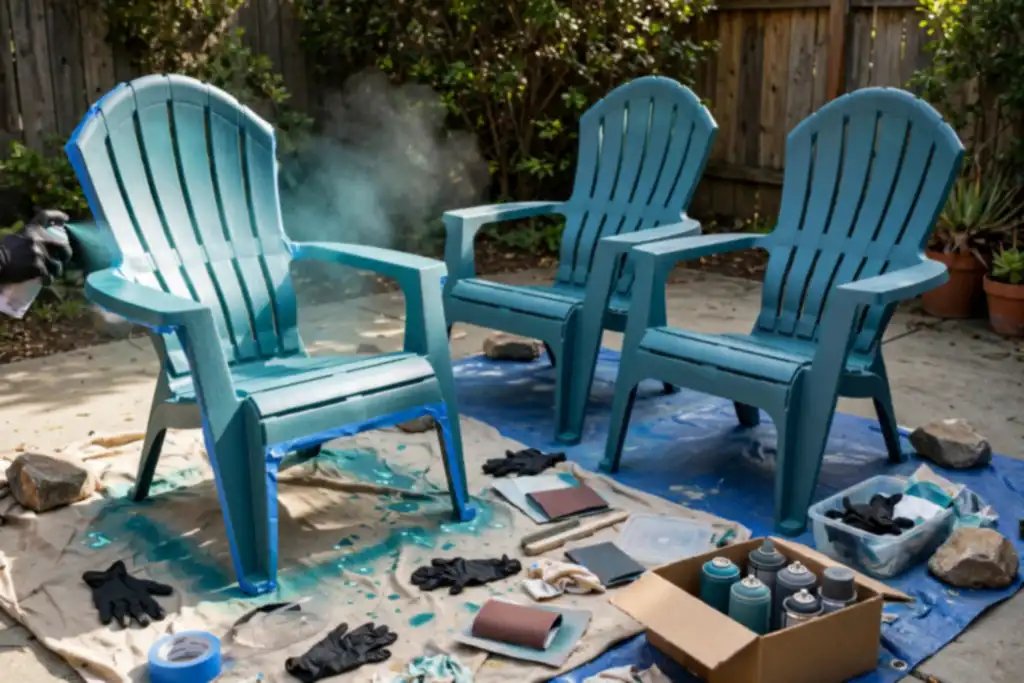
Yes, you can spray paint plastic Adirondack chairs, but only with a paint or primer made for plastic adhesion, because standard paint beads up and peels on slick resin furniture.
What is the one step that separates a lasting spray paint job from a peeling mess on plastic Adirondack chairs? Can you spray paint plastic adirondack chairs without special products? No, standard paint fails on slick plastic, so you need a plastic-bonding paint or primer. This article gives you the exact prep steps, product types, and timing to get a durable, fade-resistant finish the first time.
You will learn how to clean, sand, and tape your chairs properly, which outdoor paint to choose for weather resistance, and how to apply thin coats within the recoat time. We also cover cure time and common mistakes that cause peeling, so your refreshed resin furniture stays put through sun and rain.
Can You Spray Paint Plastic Adirondack Chairs? the Straight Answer
Yes, you can spray paint plastic Adirondack chairs, but only with a product made to bond to plastic. Skip that step and the finish will bead up, scratch off, or peel within a season.
| Situation | What it means | What to do |
|---|---|---|
| Faded, chalky resin chairs | Surface is oxidized and won't hold paint | Clean, scuff with sanding, then prime |
| Slick, unweathered plastic | Paint has nothing to grip | Use plastic-bonding spray paint |
| Chairs left outside year-round | Sun and rain stress the coating | Choose outdoor paint with fade resistance |
| Painting over old flaking paint | New coats lift the old layer | Strip or sand loose paint first |
| Spraying in humid or cold weather | Finish stays soft or turns hazy | Paint in dry, mild conditions |
| Wanting one heavy coat | Thick coats run, crack, or stay tacky | Apply several thin coats |
| Reassembling too soon | Handling smudges uncured paint | Wait out full cure time |
Recommended for this job

Rust-Oleum Painter's Touch 2X Ultra Cover
Oil-based primer bonds to plastic and other surfaces, creating a base for spray paint.

Rust-Oleum Automotive Adhesion Promoter Spray
Clear adhesion promoter improves spray paint bonding to hard-to-stick plastic surfaces.
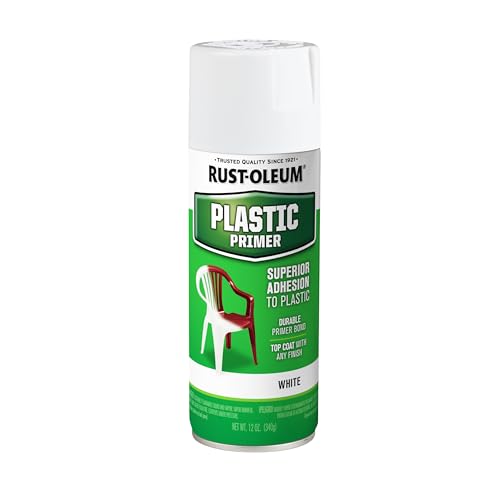
Rust-Oleum Plastic Primer Spray
Plastic-specific primer prepares Adirondack chair surfaces so spray paint adheres evenly.
Short answer: yes, plastic Adirondack chairs take spray paint well when you prep them and pick a coating formulated for plastic. Standard paint is the mistake that ruins the job.
What Molded Resin and Plastic Furniture Actually Is
These chairs are molded from dense resin, usually polyethylene or polypropylene. The surface is smooth and slightly waxy, so it offers little for paint to grab.
Why Standard Spray Paint Beads up on Slick Plastic
Ordinary aerosol paint can’t wet out that slick surface, so it pulls into droplets and dries as a weak film. Even a good coat will flake once the chair flexes or sits in weather resistance conditions.
Weather resistance is a coating's ability to withstand sun, rain, and temperature swings without peeling or chalking.
The One Product That Makes the Answer a Yes
Use spray paint labeled for plastic, or a plastic adhesion primer under an outdoor paint. Clean first, scuff with light sanding, tape off what you’re keeping, then build thin coats within the recoat time and let cure time finish the job.
When Spray Painting Plastic Adirondack Chairs Doesn't Pay off
Chairs with Deep Cracks, Splits or Missing Chunks
Skip painting cracked or chunked plastic, paint can’t bridge a split that keeps opening. Sanding peeling paint back to sound plastic is extra labor rarely worth it, and patch jobs on structural damage rarely hold.
Structural Flex and Wobble at the Joints
Wobble means the frame is failing; a fresh coat won’t fix it. Flexing joints crack the paint film within weeks. Push down firmly on legs and arm joints, loose, shifting resin furniture is a replacement candidate, not a painting project.
Chalking That Wipes off on Your Hand
Heavy chalking signals the plastic itself is breaking down, and primer may not bond reliably. Light chalk cleans up with cleaning and sanding. Deep, persistent chalk on sun-baked chairs means the material is too far gone.
A Quick Decision Rule for Paint Versus Replace
A full spray job with plastic adhesion primer runs $35 to $65 per chair plus days of cure time; new basic plastic Adirondack chairs start around $40, $80. Sound plastic with faded color: paint. Cracks, wobble or heavy chalking: replace.
Adhesion Promoter Beats Paint Brand on Slick Plastic
What an Adhesion Promoter Actually Does
You need a bonding layer on most molded plastic. An adhesion promoter is a thin solvent-based coat that softens the slick surface so paint grips, a chemical bridge, not a color coat. Regular primer works on wood and metal, but many primers bead up on resin; a plastic-specific promoter is safer.
Where to Spray It and How Long to Wait
Spray only on cleaned, sanded surfaces you plan to paint; mask hardware and contact points. Keep passes light and even. Most promoters need 10-30 minutes before recoating, depending on humidity and product, check the label.
Why a Cheap Promoter Plus Mid-Tier Paint Outlasts Premium Paint Alone
Bonding fails first, not color. A budget promoter with solid outdoor paint usually beats expensive paint on bare plastic. Without adhesion, even premium cans peel within a season or two.
How UV Fade and Chalking Creep Back Over Time
Expect color to hold roughly 2-5 years outdoors, depending on sun. UV breaks down pigments and the resin beneath. Chalking returns as fine powder that wipes off. Thin coats, full cure, and a UV-stable topcoat slow decline.
Clean, Scuff, Then Spray: Prep That Decides the Finish
Washing off Dirt, Sunscreen and Mold
Scrub the chairs with warm water and a few drops of dish soap, then rinse thoroughly. Pay attention to armrests and seat crevices where sunscreen, pollen and mildew collect. For mold, use a diluted household bleach solution and let the surface dry completely before moving on.
Sanding and Scuffing Plastic for Adhesion
Lightly scuff every surface you plan to coat with 220-grit sandpaper. This dulls the slick skin so paint has something to grab, which is the whole battle with resin furniture. Don’t sand aggressively or you’ll gouge the molded texture.
Wipe away dust as you go and check edges and curves you might have missed. A uniform dull finish means you’re ready for the next step.
Tack Cloth and Final Wipe-Down
Run a tack cloth over the entire chair to lift the fine dust sanding leaves behind. Follow with a damp lint-free rag and let it dry fully. Any grit left now will show up as bumps in the finish.
Taping off Feet, Arms and Hardware
Mask metal fasteners, glides and any parts you want unpainted with painter’s tape. Press edges down firmly so overspray can’t creep underneath. Remove the tape while the final coat is still slightly tacky to avoid peeling paint edges.
Painter's tape is removable masking tape that shields hardware and edges from overspray and peels off cleanly.
How Do You Spray Paint Plastic Outdoor Chairs?
Step-By-Step Spray Painting Process
Clean chairs with degreaser, rinse, and scuff with 220-grit sandpaper. Wipe off dust, tape metal or wood parts, and apply plastic-bonding primer in thin passes. Once dry, spray outdoor paint in light, even strokes from 8-10 inches away.
How Many Coats to Apply
Apply two to three thin coats, depending on color change. Heavy single coats crack and peel on resin furniture, so build coverage gradually. A light primer coat plus two color coats gives solid hide and fade resistance.
Fade resistance is how well a paint holds its color instead of bleaching under sunlight over time.
Drying Between Coats and Handling
Follow the can’s recoat time, typically 10-30 minutes. Let paint cure 24-48 hours before adding weight, and keep chairs out of rain until then. Full weather resistance develops over several days.
Avoiding Drips and Runs
Keep the can moving and spray thin, overlapping passes instead of holding it in one spot. If a run starts, stop spraying, let it dry, then sand smooth. Spray in shade or early morning, since hot plastic makes paint flash and drip.
Your Weekend Plan: from Faded Chair to Fresh Finish
Yes, you can spray paint plastic Adirondack chairs, but only with a plastic-bonding product and honest prep. Skip either and the finish will bead, flake, or peel within a season.
| Action | Why it helps | How to start |
|---|---|---|
| Wash the chair | Removes chalky film and dirt | Scrub with mild soap, rinse, dry |
| Scuff the surface | Gives paint a mechanical grip | Light sanding with fine grit |
| Apply plastic primer | Builds plastic adhesion | Thin coat, follow can directions |
| Tape off contact points | Prevents sticking and rub-through | Painter's tape on joints and feet |
| Spray thin coats | Avoids runs and pooling | Several light passes, not one heavy |
| Respect recoat time | Prevents wrinkling and lifting | Check the can label window |
| Let it cure fully | Hardens for weather resistance | Days, not hours, before use |
Plan on two working days with 24 hours between prep and paint. Skipping the scuff step or sitting early is the mistake that forces a repaint next spring.
Day One: Wash, Scuff, Promote
Scrub the plastic Adirondack chairs with mild dish soap and a nylon brush, rinse, and dry 2 to 4 hours. Scuff every surface with 220-grit paper until the gloss dulls, then wipe dust with a tack cloth. Apply a plastic adhesion primer made for resin furniture, not a general-purpose primer.
Day Two: Coats and Cure
Mask contact points with painter’s tape, then build color in 2 to 3 thin coats instead of one wet pass. Respect the label’s recoat time, often 1 to 2 hours, before the next layer. Choose an outdoor paint rated for fade resistance.
Weather and Temperature Conditions to Respect
Spray in still air between 50 and 80 degrees Fahrenheit and below 60 percent humidity. Direct sun dries the aerosol mid-air and causes a gritty finish. Windy days blow dust onto wet paint, so move the chair into a garage or shed if rain is forecast.
Drying and Cure Times Before You Sit
Touch-dry runs about 1 hour, but full cure takes 48 to 72 hours at 70 degrees. Weather resistance only develops at full cure, so wait before sitting or stacking. Cool, damp conditions stretch those times, sometimes doubling them.
A Real Chair, Start to Finish: Two Faded Resin Adirondacks
Assessing the Chairs and Picking a Color
Inspect each plastic Adirondack chair for structural damage before buying any spray paint. Hairline surface cracks are fine, but any crack wider than 1/8 inch or a joint that flexes more than a quarter inch means the resin is failing and paint will not fix it. Choose a satin or matte outdoor paint labeled for plastic adhesion; gloss finishes highlight every sanding scratch on molded resin furniture.
Skip dark colors like black or navy, which can reach 140°F in direct sun and soften thin resin walls over a season.
Shopping List and Total Cost
Budget $35 to $65 per chair for two to three cans of plastic-bonding spray paint, one can of plastic primer, a roll of 1.5-inch painter’s tape, a stiff scrub brush, and 220-grit sandpaper. That undercuts the $90 to $220 you would spend on a comparable new resin chair, but only if the frame is sound. Add a $5 tack cloth to remove sanding dust before priming.
The Spray Day, Hour by Hour
Pick a day between 60°F and 80°F with wind under 10 mph and humidity below 70 percent; outside those ranges, spray paint may blush or dry chalky. Scrub with a degreaser, rinse, and let dry two hours, then scuff all surfaces with 220-grit and wipe down.
Tape off metal bolts and glides with painter’s tape, apply one thin primer coat, and wait the label’s recoat time, typically 1 to 2 hours, before two or three thin color coats spaced 10 to 15 minutes apart. Let the chair cure 48 to 72 hours before sitting on it.
Touch-Up and Maintenance After One Season
Armrests and front leg edges take the first wear, so inspect them each spring for chipped paint. A light scuff needs only a 10-second touch-up pass from a matching can, and a yearly wash with mild soap keeps weather resistance intact. Store the chairs indoors or under a cover from November to March, and a proper spray job can hold up three to five seasons.
When Spray Painting Works: Conditions Where the Answer Holds
Solid, Uncracked Plastic with Light Fade
Yes, this is the ideal candidate. If your plastic Adirondack chairs are structurally sound with only chalky fade or a color you dislike, spray paint will bond well after proper prep. Skip any chair with deep cracks, flexing joints, or peeling layers, since paint will fail there fast.
Warm, Dry, Low-Wind Days
Paint when temperatures stay between roughly 60 and 80°F with low humidity and calm air. Check the can label for the manufacturer’s specific range and follow it. Cold or damp conditions slow cure time and can leave a dull, tacky finish that never hardens properly.
Matte or Satin Finishes That Hide Texture
Choose a matte or satin outdoor paint formulated to bond with plastic. Gloss shows every sanding scratch and molded seam on resin furniture, so it looks worse up close. A satin sheen balances easy cleaning with decent fade resistance, and lighter colors hide chalking better over time.
Chairs You Can Move into Shade to Dry
Direct sun heats plastic fast and can cause the paint to skin over before it flows out. Plan to spray in shade, then move the chair somewhere protected from wind and debris while it dries. Keep it out of rain for at least the full recoat time and cure time on the label.
Doing It on a Budget Without Cutting Corners
Where to Save: One Good Promoter, Fewer Cans
Buy a quality plastic-bonding primer instead of stacking cheap coats. One bonding promoter plus two or three cans of color usually covers a pair of chairs. Skip extra clear coat unless chairs face harsh sun; proper prep saves more than any coupon.
Spray Paint vs. Brush-On Paint Costs
Spray runs higher per ounce, but brush-on outdoor paint needs a bonding primer and quality brushes too. For a pair of plastic Adirondack chairs, expect roughly $25 to $45 in spray supplies versus $30 to $50 brushing. Spray wins on speed and smooth finish; brushing wastes less product and suits tight budgets on larger sets.
Recycling Old Plastic Chairs Instead of Buying New
Refinishing keeps usable resin furniture out of the waste stream and saves real money. New chairs often run $40 to $120 each; a repaint costs a fraction. Check for cracks, loose joints and chalky surfaces first; sound chairs repaint well, brittle ones are not worth the supplies.
When a $15 Can Beats a $120 Chair
If the frame is solid and only the finish is tired, one can of plastic-bonding outdoor paint is the smarter buy. Budget about $15 to $25 per can and plan two to three cans per chair. Skip painting if the plastic flexes, cracks or feels brittle; a failed coat costs more than a replacement.
Check the Chair, Then Work in This Order
Test a Hidden Spot for Adhesion
Spray a small patch under the armrest and wait 24 hours. If it scratches off easily with a fingernail, you need a bonding primer.
Clean and Scuff
Wash the plastic Adirondack chairs with a degreaser and a stiff brush, rinse, and dry completely. Then scuff dull areas with 220-grit sandpaper and wipe off the dust with a tack cloth.
Spray Promoter, Then Color Coats
Primer is optional on some resins but cheap insurance for plastic adhesion. Apply a thin promoter coat, let it flash 10 to 15 minutes, then build thin coats of outdoor paint from 8 to 10 inches away.
Let It Cure Before Use
Follow the label’s recoat time exactly, usually within 1 hour or after 24 hours. Full cure time runs 48 to 72 hours in warm, dry weather, so keep the chairs out of use until then for weather resistance and fade resistance.
Follow this order so the coating bonds instead of peeling off in sheets.
Peeling, Drips and Other Mistakes That Ruin the Job
Most failures on plastic Adirondack chairs trace back to four preventable moves. Get these right and the finish holds.
Skipping the Promoter on Slick Plastic
Resin furniture needs a bonding coat or the paint sits on top and flakes. Use a plastic adhesion promoter or a primer made for plastics, then let it flash per the label.
Spraying Too Close and Too Heavy
Heavy passes cause drips and runs that dry into lumps. Hold the can 8 to 10 inches away and build thin coats, waiting the listed recoat time between passes.
Painting in Cold or Humid Air
Cold or damp conditions stop proper curing and dull the finish. Work between roughly 60 and 80 degrees Fahrenheit with low humidity, and check the can for limits.
Handling Chairs Before Full Cure
Dry to the touch is not cured. Wait the full cure time, often several days, before use, and keep them out of rain until then.
- Skipping plastic adhesion promoter or plastic primer causes peeling on slick resin furniture.
- Hold spray paint 8 to 10 inches away and use thin coats to avoid drips and runs.
- Respect recoat time between coats and full cure time before handling.
- Spray in roughly 60 to 80 F with low humidity for proper curing.
- Do sanding and cleaning first so the coating grips evenly.
- Use outdoor paint labeled for fade resistance and weather resistance.
When to Ask a Store Expert, the Manufacturer or a Local Pro
Questions Worth Asking at the Paint Counter
Ask an employee for a spray paint labeled for plastic furniture, not all-purpose paint. Specifically request a paint or primer that states plastic adhesion on the can, and confirm the best spray paint for plastic furniture in your chair’s resin type.
Bring the chair’s care tag or a photo if you can. Staff can also advise on safety and ventilation gear, including a respirator rated for organic vapors.
Checking the Chair Maker’s Care Guidance
Contact the manufacturer if the chair is under warranty or the care tag warns against coatings. Ask whether painting voids coverage and which cleaners are safe on the resin.
Request their recommended prep steps for sanding and cleaning so you don’t damage the surface.
When a Pro Refinisher Makes More Sense
Hire a local pro if the chairs are valuable, heavily chalked, or you lack space to spray safely. A refinisher can handle plastic adhesion issues and spray in a controlled booth.
Ask for their prep process, outdoor paint brand, and expected fade resistance and weather resistance before you commit.
When to ask for help:
- The chair is still under warranty or the care tag warns against coatings, so call the manufacturer before spraying.
- You cannot identify the resin type or the right plastic-bonding paint, so ask a paint counter expert for a specific product.
- You have no ventilated space to spray safely, so consult a local pro about booth spraying.
- The plastic is cracked, heavily chalked, or flaking, so ask a refinisher whether recoating will hold.
- You want a custom color match on resin furniture, so ask a pro or store expert about tinted outdoor paint.
Can You Spray Paint Plastic Adirondack Chairs: Frequently Asked Questions
?Can You Spray Paint Plastic Adirondack Chairs Without Sanding Them First?
Yes, but only if you use a plastic adhesion promoter, and even then a light scuff gives you better odds. Slick resin furniture needs a mechanical bite or a chemical bond, and skipping both is the top reason spray paint peels later. If the chair is chalky or has old flaking coating, sanding is not optional.
?Can You Spray Paint Plastic Adirondack Chairs That Are Already Painted?
Yes, as long as the old coating is sound, dull, and clean. Scuff the existing paint with fine sandpaper, wipe off the dust, and test a small hidden spot first. If the old layer flakes or lifts when you press tape to it, strip it back instead of spraying over a failing surface.
?Can You Spray Paint Plastic Adirondack Chairs, and How Many Cans Does a Set Need?
Yes, you can spray paint plastic Adirondack chairs, and plan on roughly two to three cans per chair for full coverage in thin coats, plus one can of primer or adhesion promoter per chair. Buy all your cans at once and check batch numbers so the color matches. Running out mid-chair and grabbing a different lot is how you get a blotchy finish.
?Why Does Spray Paint Bead up on Plastic Adirondack Chairs?
It beads up because standard paint cannot grip slick resin furniture without help. The fix is a plastic adhesion promoter or a primer made for plastics, applied before the color coat. Once that bonding layer is on, thin coats of outdoor paint lay down evenly instead of crawling into droplets.
?What Weather Conditions Should You Spray Paint Plastic Adirondack Chairs in?
Spray between 50 and 90 degrees Fahrenheit with low humidity and little wind, ideally in shade. Direct sun heats the plastic and makes paint dry too fast, which causes drips and a rough texture. Check the can label for the manufacturer's range and don't spray if rain is due within the recoat window.
?When Can You Use Plastic Adirondack Chairs After Spray Painting Them?
Wait until the paint is fully cured, not just dry. Recoat time is usually within an hour or after several days, depending on the product, but true cure time runs about a week. Keep the chairs out of heavy use and rain during that window so the finish hardens and holds its weather resistance.
?is Spray Paint on Plastic Adirondack Chairs Worth It Versus Buying New Ones?
Yes, if the frames are structurally sound and you use the right prep and outdoor paint. A refresh costs far less than new resin furniture and buys several seasons of fade resistance. Skip it when the plastic is cracked, brittle, or flexing badly, because paint won't fix a failing chair.
Our Thoughts
You can spray paint those plastic Adirondack chairs, but the job only lasts if you use a paint or primer built for plastic adhesion. Standard paint beads up and peels on slick resin furniture, so check the label before you buy. Skip that step and you will be redoing the whole set next season.
Your most useful next move is a small test on the underside of one chair. Clean and lightly sand a hidden spot, apply your plastic-bonding primer and outdoor paint in thin coats, and let it cure fully. If it holds after a week, commit to the full set, keeping recoat time and cure time in mind for real weather resistance and fade resistance.