

Yes, you can spray paint canvas, but only if you prep the surface and choose the right paint; otherwise, the paint can crack, peel, or soak through and ruin the artwork.
Wondering if can you spray paint canvas without wrecking it? The short answer is yes, but success depends on proper prep and choosing the right spray paint for the job.
This article gives you the straight facts on safety and avoiding mistakes. You’ll learn which spray paints work best, how to prep the canvas with gesso or primer, and why ventilation and a respirator mask are non-negotiable. We’ll also cover common pitfalls like paint bleeding through stretched canvas and how to seal your finished piece for durability. Follow these steps, and you’ll get a professional-looking result the first time.
Can You Spray Paint Canvas? the Straight Answer
Yes, you can spray paint canvas, but the fibers and the paint type decide whether it works or ruins the surface.
| Situation | What it means | What to do |
|---|---|---|
| Bare stretched canvas | Fabric absorbs paint unevenly | Apply gesso or primer first |
| Canvas panel | Rigid board, less flex | Light coats, no soaking |
| Acrylic spray paint | Flexible, water-based | Best for art canvases |
| Enamel spray paint | Hard, brittle finish | Avoid on stretched canvas |
| Outdoor use | Needs weather protection | Top with a sealer |
| Indoor spraying | Fumes build fast | Use ventilation and respirator mask |
| Edges and background | Overspray hits unwanted areas | Mask with painter's tape |
| Drying between coats | Tacky paint rips fibers | Wait typical 15 to 30 minutes |
Recommended for this job

Liquitex Professional Spray Paint
Water-based fine art spray paint bonds evenly to primed canvas for a durable matte finish.
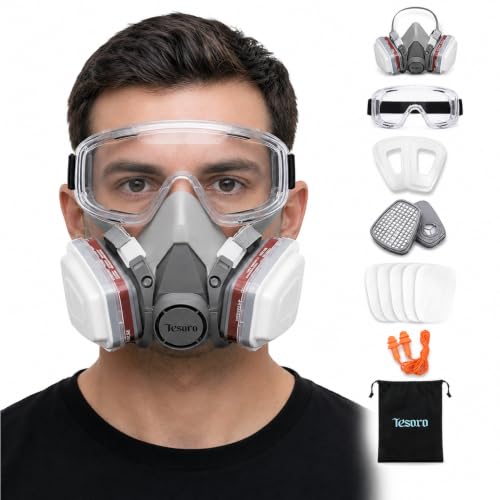
Tesoro Moda Respirator Mask
Respirator mask and goggles protect your lungs and eyes while spraying paint on canvas.

KEFF 𝗣𝗥𝗘𝗠𝗜𝗨𝗠 Canvas
Primed cotton canvas boards give you ready surfaces to spray paint directly onto.
Yes, you can spray paint canvas, but only with the right prep. Bare canvas is heavy woven fabric, so unprimed fibers soak up paint and dry uneven and stiff. Apply two coats of gesso, a white ground that gives the paint a uniform surface, and sand lightly between coats.
What Spray Paint Does to Canvas
Acrylic spray paint stays flexible and bonds to primed canvas, which matters on a stretched canvas that flexes when touched. Enamel spray paint dries hard and brittle and can crack at the corners within weeks. Save enamel for a rigid canvas panel.
Solvent-heavy cans can soak through thin cotton and stain the back. Hold the can 8 to 12 inches away and build three thin coats instead of one wet pass.
The One-Minute Version Before You Buy a Can
Work outside or in a garage with cross-ventilation, lay a drop cloth, and wear a respirator mask rated for solvents. Tape edges with painter’s tape, prime, then spray thin coats. Add a sealer for handled or outdoor pieces, and allow 24 hours of drying time before stacking.
A drop cloth is a protective sheet laid under your work to catch overspray, drips, and paint from reaching floors or furniture.
Is It Okay to Use Spray Paint on Canvas?
When ‘Okay’ Means Good Adhesion
Matching the paint to the surface makes this possible. Acrylic spray paint bonds well to gesso, the white priming coat of chalk or gypsum mixed with a binder that prepares canvas for painting. Bare fabric drinks paint and dulls color, so apply 2 to 3 thin gesso coats first.
Enamel spray paint is tougher but stiffer. It can crack when a stretched canvas flexes, so save it for rigid canvas panel projects. One thin primer coat gives either type a stable base.
- Acrylic spray paint: best all-around choice for canvas art
- Enamel spray paint: durable, but risky on flexible surfaces
- Specialty craft sprays: check the label for flexible formulas
When ‘Okay’ Means Just Good Enough
It works, but sloppy prep shows. Skipping gesso leaves blotchy coverage, and heavy coats cause runs. Use 2 to 3 light passes from 8 to 12 inches away, not one wet coat.
Mask edges with painter’s tape, removable pressure-sensitive tape that peels clean, and lay a drop cloth, a protective sheet for floors and furniture. Spray outdoors or with strong ventilation and wear a respirator mask rated for organic vapor. Apply a flexible sealer after 24 hours of drying time.
When Spray Paint on Canvas Works Best
Acrylic and Specialty Sprays on Primed Canvas
Acrylic spray paint bonds reliably to gesso, the white chalk-and-binder ground that prepares a surface for paint. Factory-primed stretched canvas can usually be sprayed directly. Bare fabric drinks paint and bleeds, so add one or two coats of gesso first and let them cure fully.
Keep coats thin and build up color instead of flooding the weave. A light mist every few minutes beats one heavy pass; typical drying time between coats is 10 to 20 minutes in mild weather. Skip enamel spray paint on flexible canvas: it dries hard and can crack when the fabric moves.
Canvas Panels and Boards for Crisp Edges
Canvas panel boards give the firmest surface, so tape lines stay sharp and paint won’t pool in slack fabric. That rigidity makes panels safer for geometric work and small pieces. Stretched canvas still works, but tape it tight and expect slightly softer edges where the weave flexes.
Stencils, Masks, and Graphic Shapes
Spray paint excels at flat graphic shapes, where stenciling pays off. Press painter’s tape stencils down firmly, then spray in short bursts from about 8 to 12 inches to limit bleed. Lift the mask while the paint is still tacky to avoid tearing the film.
For blends, mist two colors side by side and overlap them lightly. Lay a drop cloth wider than the canvas, and finish with a thin sealer only after the paint is fully cured, usually 24 hours.
Your Spray-Paint-a-Canvas Action Plan
Spray paint works on canvas, but only if you prep the surface and control the coats. Skip either and you get cracking, soaking, or a finish that never fully cures.
| Action | Why it helps | How to start |
|---|---|---|
| Wipe down the canvas | Removes dust and oils | Use a dry, lint-free cloth |
| Apply gesso or primer | Gives spray paint a tooth to grab | Thin coats, dry between passes |
| Tape off edges | Keeps borders and hardware clean | Press painter's tape firmly down |
| Set up ventilation | Cuts fume exposure indoors | Open windows, add a fan |
| Wear a respirator mask | Filters aerosol particles and vapors | Check it seals to your face |
| Lay a drop cloth | Catches overspray and drips | Extend it past the canvas edges |
| Spray in thin passes | Prevents runs and pooling | Keep the can moving, overlap slightly |
| Seal and cure fully | Locks the finish and stops tack | Apply sealer, then wait days |
Prime or Paint Raw: the Decision Rule
Raw canvas drinks acrylic spray paint and leaves a flat, blotchy finish. Prime it with gesso, a white ground that preps the surface, unless you want that absorbent look on purpose. A canvas panel usually needs less prep than stretched canvas.
Step-By-Step Spray Painting on Canvas
Work outside or in strong ventilation, wear a respirator mask, and lay a drop cloth wider than the canvas. Tape the edges with painter’s tape, then shake the can and spray in thin, moving passes from about 8 to 12 inches away.
Drying and Curing Before You Touch It
Acrylic spray paint feels dry in roughly 20 to 60 minutes, but full cure takes a few days to a week. Enamel spray paint needs longer, often 24 to 48 hours of handling time. Add a sealer only after the paint cures.
Safety First: Fumes, Fire Risk, and Ventilation
Why Aerosols Near Canvas and Solvents Are a Fire Risk
Aerosol propellants and solvent-based paints release flammable vapors that can ignite from a pilot light, water heater, or even a spark from a power tool. Canvas fabric itself is combustible, so overspray buildup on a stretched canvas near an ignition source is a real hazard. Work away from open flames and never smoke while spraying.
Ventilation and Safety Gear You Actually Need
Spray outdoors or in a garage with the door open and a fan pulling air away from you. At minimum, wear a respirator mask rated for organic vapors, nitrile gloves, and eye protection. Lay a drop cloth under your work and use painter’s tape, the removable pressure-sensitive tape, to mask edges you want clean.
Toxicity and Fumes Indoors
Fumes build fast in closed rooms, and indoor spraying without airflow is a mistake you cannot undo. Keep the space ventilated for the full drying time, typically 24 hours or more depending on humidity and coat thickness. If you must work inside, a window fan plus an open door beats a cracked window every time.
Sealing and Protecting the Finished Piece
Varnish and Fixative Choices
Pick your topcoat based on the paint you used, not the other way around. Acrylic spray paint stays flexible, so a compatible acrylic varnish or archival fixative keeps it from cracking as the canvas moves. Enamel spray paint cures harder and generally wants an enamel-safe clear coat.
Test any sealer on a scrap canvas panel first. Some clear coats yellow or lift fresh paint, and you only find out after it dries. Apply thin coats, let each one flash off, and follow the manufacturer’s recoat window so the layers bond instead of wrinkling.
Layering and Blending Without Muddying
Build color in light, quick passes and let each layer dry before adding the next. Spray paint is thin, so heavy wet coats blend into a single muddy tone fast. Keep the can moving, start and stop off the canvas edge, and hold it about 8 to 12 inches away for an even mist.
For soft gradients, work from light to dark and use a light mist of the mid-tone to bridge the transition. Respect drying time between layers, usually 10 to 30 minutes for acrylic and longer for enamel, and tape off areas you want to keep crisp with painter’s tape pressed flat.
How to Tell If Your Canvas is Ready to Spray
Test the surface before you trust it with a full coat. A small test patch tells you more than any label.
Test a Back Corner First
Spray a light pass on the back corner and wait 10 minutes. If the paint beads or lifts, the surface needs prep.
Check for Dust, Oil, and Sizing
Wipe the canvas with a dry lint-free cloth. Oily sizing can repel acrylic spray paint, so feel for slick spots and sand gesso lightly with 220-grit paper.
Know When to Stop Spraying
Stop each pass when the surface looks evenly wet, not dripping. Let it flash 10 to 20 minutes before judging coverage.
Before you commit a full coat, run these checks so the paint bonds instead of flaking or soaking through.
When Spray Paint on Canvas Doesn't Work
Unprimed Raw Canvas and Poor Adhesion
Skip bare fabric. Raw canvas is heavy woven cloth with no coating, and aerosol paint soaks straight in, leaving a blotchy, dusty finish that rubs off. Seal it with gesso, a white ground that gives paint grip, or use pre-primed canvas or a canvas panel. Two thin gesso coats, dried fully, usually suffice; sand lightly between coats.
Outdoor Use and UV Fading
Standard acrylic spray paint isn’t built for weather. Sunlight breaks down pigment and binder, so colors chalk and fade within a season or two, and rain lifts the film. Outdoors, use a UV-stable exterior coating and finish with a sealer that blocks moisture. Canvas also sags and mildews outdoors; a sealed canvas panel holds up better than stretched fabric.
Car-Themed Art on Flexible Canvas
Enamel spray paint cracks on stretched canvas: it dries hard and rigid while fabric flexes, so the film splits along stretcher bars. Use acrylic spray paint instead, and keep the piece indoors or under glass. For garage signs or hood-style panels, mount artwork on rigid board and topcoat with automotive-grade clear.
Caring for a Spray-Painted Canvas
Dusting and Storage
Once cured, a finished piece needs only light care. Wait at least 24 hours before handling, since full hardness takes longer than surface dry time. Dust gently with a dry, soft brush or a microfiber cloth; skip wet wipes, which can dull a matte finish.
Hang or store the canvas where humidity stays moderate and sunlight stays indirect. Stacking pieces face to face invites sticking and scratches, so use spacers or stand them upright. If you applied a sealer, a substance that blocks moisture and handling wear, wipe only with a barely damp cloth.
Cleaning up and Disposal
Treat leftover aerosol cans as hazardous waste, not curbside trash. Many municipalities run household hazardous waste collection days, and the EPA recommends following local rules for aerosol disposal. Empty cans go in the trash only where your local program allows it.
Clean tools before the coating sets: wipe nozzles, then flush them with the manufacturer’s thinner. Lay rags flat outdoors to dry completely, then bag them. Soaked rags can self-heat, so never ball them up indoors.
Spray Paint vs Brush-On Acrylic: Cost per Square Foot
The Cost Breakdown
Spray paint usually costs more per square foot than brush-on acrylic. A typical 12 oz can runs $6 to $12 and covers roughly 15 to 25 square feet in light coats, so expect $0.30 to $0.80 per square foot.
Brush-on acrylic stretches further. An 8 oz tube or bottle at $8 to $15 thinned slightly can cover 20 to 40 square feet, landing near $0.20 to $0.50 per square foot, depending on how thick you paint.
Doing It on a Budget Without Cutting Corners
Save money by buying spray paint in multipacks and using a primer or gesso first. A proper base coat, meaning a preparatory coating that helps paint bond, cuts waste and lets you finish with fewer passes.
- Use painter’s tape, a removable pressure-sensitive tape, to mask edges instead of repainting mistakes.
- Lay a drop cloth to protect floors and skip replacement costs.
- Skip cheap sealer only if the piece stays indoors; otherwise a quality sealer protects the finish.
Spend on ventilation and a respirator mask. OSHA advises fresh air and proper respiratory protection with aerosols, and that safety spend beats any savings.
Common Mistakes That Ruin a Sprayed Canvas
Over-Spraying and Drips
Keep the can moving and apply thin coats instead of one heavy pass. Holding the can too close or lingering in one spot floods the weave, and gravity pulls that excess into visible drips you cannot easily fix.
Skipping Primer on Raw Canvas
Raw fabric drinks paint unevenly, so seal it first. A coat of gesso (a white ground that prepares the surface) or a primer gives the spray paint something consistent to bond to and stops color from soaking through.
Spraying in a Closed Room
Aerosol fumes build fast indoors, so work outside or in a garage with the door open. Wear a respirator mask rated for solvents, lay a drop cloth, and tape off edges with painter’s tape before you start.
- Thin coats, not one flood: two or three light passes beat a single wet layer.
- No primer means blotchy color: gesso or primer first on bare canvas.
- Closed-room spraying: fumes linger, so ventilate and mask up.
- Wrong paint type: acrylic spray paint flexes with fabric, enamel spray paint can crack on stretched canvas.
- Skipping sealer: a final sealer coat protects the finish and slows fading.
- Rushing drying time: recoat within the window on the can or wait the full cure.
When to Call a Pro (or Stop and Reassess)
Indoor Fumes and Fire Risk Warning Signs
Stop immediately if you get headaches, dizziness, or nausea while spraying indoors. Those are signs your ventilation is failing, and a respirator mask alone will not fix it. Move the work outside or shut it down.
Call a pro or your local fire authority if you are spraying near a water heater, furnace, or any pilot light. Aerosol propellants are flammable, and enclosed garages concentrate fumes fast. Never push through a strong solvent smell in a closed room.
Large-Format or Outdoor Commissions
For outdoor pieces or anything bigger than a small canvas panel, get a professional involved. Weather, UV, and moisture demand a sealer and coating system matched to the job, and guessing wastes money.
- Stop if the piece will live outdoors and you have not confirmed a UV-stable topcoat system.
- Call a pro if the canvas is larger than you can coat evenly in one pass.
- Stop if you need fire-rated or architectural coatings for a public space.
Stop and call a professional if:
- You feel dizzy, nauseated, or lightheaded while spraying indoors.
- You are spraying near a pilot light, furnace, or water heater.
- The piece will be displayed outdoors without a confirmed UV-stable sealer.
- The canvas is too large to coat evenly in a single pass.
- You need fire-rated or architectural coatings for a public or commercial space.
Can You Spray Paint Canvas: Frequently Asked Questions
?Can You Spray Paint Canvas Without Ruining It?
Yes, if you prep the surface and build thin coats. Raw canvas is a heavy-duty woven fabric that drinks paint unevenly, so seal it first with gesso, a white priming ground that prepares the surface for painting. Skip the prep and you get blotches, bleed-through, and a stiff, cracked result. Thin coats plus proper drying time between them is what keeps the piece intact.
?Does Spray Paint Canvas Need a Primer or Gesso First If I Want to Spray Paint Canvas?
Yes, priming is strongly recommended before you spray paint canvas. Gesso or primer gives the paint a uniform surface to bite into instead of soaking into bare fabric. Apply two thin coats of gesso and let them dry completely so the paint won't wick through the weave. On a canvas panel, scuff it lightly and prime anyway. This single step prevents most adhesion failures and patchy color.
?How Do You Spray Paint Canvas so It doesn't Crack or Flake?
Build four to six thin coats instead of one heavy pass, and respect the drying time on the can. Heavy coats skin over while the solvent underneath is still escaping, which causes cracks and flaking later. Keep the can moving, spray at the recommended distance, and let each coat flash off. Finish with a compatible sealer once the paint is fully cured.
?Can You Spray Paint Canvas That Already Has Acrylic Paint on It?
Yes, as long as the existing acrylic is fully cured and clean. Wipe off dust and grease, lightly scuff glossy areas, and test a small corner first. Acrylic spray paint bonds well over cured acrylic; enamel spray paint can react badly with some finishes. If the old paint is flaking or chalky, seal it or strip it before you spray.
?Why Does Spray Paint Crack on Stretched Canvas?
Because the canvas flexes and thick paint films don't. Stretched canvas moves with humidity and handling, and a heavy, rigid coat of enamel spray paint can't follow that movement, so it cracks. Thin coats of acrylic spray paint stay more flexible. Also avoid spraying in cold or damp conditions, which mess up curing and adhesion.
?What Safety Gear Do You Need When You Spray Paint a Canvas Indoors?
Don't spray indoors unless you have serious ventilation, and wear a respirator, not just a dust mask. Spray paint aerosols release solvent vapors and fine particles; a proper respirator rated for organic vapors protects your lungs. Lay a drop cloth, tape off edges with painter's tape, and keep flames and pilot lights far away. If you can't ventilate, spray outside.
?When Should You Seal a Spray-Painted Canvas, and What Do You Use?
Seal only after the paint is fully cured, not just dry to the touch, and match the sealer to the paint type. A sealer is a coating that blocks moisture and UV from reaching the paint film. Use an acrylic-compatible clear sealer for acrylic spray paint. Test on a scrap first, apply thin coats, and let each one dry completely.
Our Thoughts
Spray paint on canvas works, but the prep and the paint choice decide whether it lasts. Skip the gesso or primer and the paint can soak into the fabric, crack, or peel. Use acrylic spray paint for flexible artwork and save enamel spray paint for canvas panel projects that need a hard finish.
Your most useful next step is a small test: tape off a corner with painter’s tape, apply one light coat over a gesso-primed scrap, and check the drying time and adhesion before you commit. Work outside or with strong ventilation and a respirator mask, spread a drop cloth, and finish with a sealer once fully dry.