
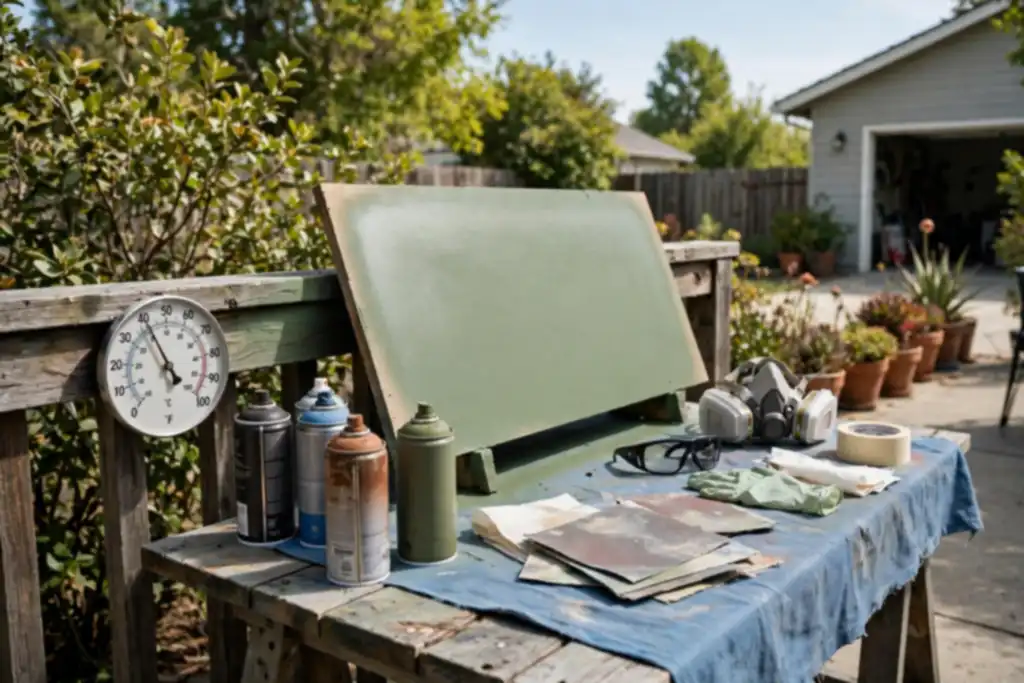

You can spray paint outside when the ambient temperature stays between 50°F and 90°F, but surface temperature, humidity, and dew point matter just as much as the air reading. Miss any one of those conditions and you risk poor adhesion, blistering.
The most common mistake is spraying when the air feels warm but the surface is cold, which leads to poor adhesion and blistering. To avoid that, you need to know what temperature can you spray paint outside before you start. Both ambient temperature (the air around you) and surface temperature (the temperature of the object you’re painting) matter. If either falls outside the safe range, the paint won’t cure correctly.
You’ll learn the exact temperature range for spray paint, how humidity and dew point affect drying and curing, and which safety precautions to take. This helps you avoid defects like blistering or poor adhesion on primer, clear coat, or any topcoat. Follow these guidelines to get a durable finish the first time.
What Temperature Can You Spray Paint Outside? the Short Answer
Most spray paints want the air between roughly 60 and 80°F. Below 50°F, curing slows and adhesion suffers; above 90°F, the coating can skin over and blister before it dries through.
| Situation | What it means | What to do |
|---|---|---|
| Air 60 to 80°F | The ideal window | Spray and let it cure |
| Air below 50°F | Slow drying, weak adhesion | Wait or move indoors |
| Air above 90°F | Fast skin, blistering risk | Spray early morning |
| Humidity over 85% | Trapped moisture, hazy finish | Pick a drier day |
| Dew point within 5°F of air | Condensation on the surface | Hold off spraying |
| Surface too hot to touch | Solvent flashes, poor flow | Shade it, then retest |
| Cold metal or plastic | Paint beads, adhesion fails | Warm the part first |
Recommended for this job

Etekcity Infrared Thermometer Laser Temperature Gun
Laser thermometer measures surface temperatures so you can check if it's warm enough to spray paint.
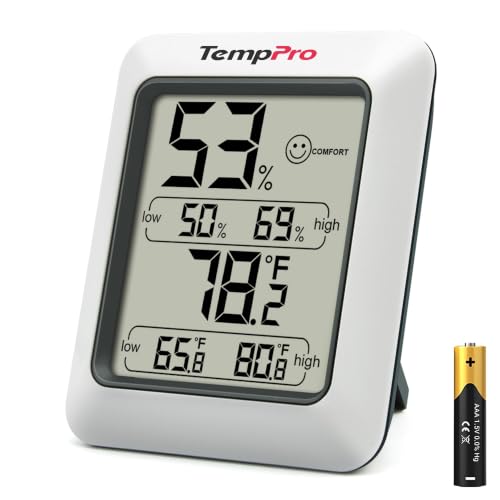
TempPro TP50 Digital Hygrometer Indoor Thermometer
Digital hygrometer thermometer shows ambient temperature and humidity before you decide to spray paint outside.

Odor/Particulate Multipurpose Respirator
Respirator protects your lungs from paint fumes when spraying outside in any temperature.
Most spray paint wants ambient temperature, the surrounding air, between 60 and 80°F. Keep the job above 50°F and below 90°F to avoid the worst failures. Outside that band, drying and curing stall or race, and adhesion suffers.
The Ideal Window: 60 to 80°F
This band gives steady drying and full curing, the chemical hardening that locks the film down. Below 50°F, the paint may never cross-link properly. Above 90°F, it skins fast and traps solvent that later causes blistering.
Why the Can’s Label is Your First Authority
Every manufacturer prints its own temperature range, and that label outranks any general rule. Some primers and clear coats are stricter than the base color. Read it before you mask anything, and follow it over forum advice.
Air Temp vs. Surface Temp in One Sentence
Surface temperature, the reading on the actual panel, can run 20°F hotter than the air in direct sun, so check the part itself with an infrared thermometer and not just the forecast.
Humidity and Dew Point Decide the Rest
Skip spraying when humidity tops 65% or the dew point sits within 5°F of the air temperature. Moisture near the dew point, the temperature where air becomes saturated, dulls the finish and weakens adhesion. A $10 hygrometer tells you in seconds.
Three Spray Painting Temperature Myths That Ruin Finishes
Myth: If It’s Warm Enough for You, It’s Warm Enough for Paint
Your comfort level tells you nothing about curing, the process of hardening a material into cross-linked polymer chains. Most aerosol spray paint and spray gun coatings need an ambient temperature and surface temperature of roughly 60°F to 90°F. Below 60°F, adhesion (how surfaces stick together) suffers and the film stays soft for days.
Myth: You Can Compensate for Cold with Extra Coats
Extra coats make it worse. Piling product over a slow-curing base traps solvent, causing blistering (a small pocket of fluid under the film) and weak adhesion between layers. Follow the can or data sheet recoat window, typically 1 to 4 hours for aerosols; primer, color, and clear coat each have their own limits.
Myth: Direct Sun Helps Paint Dry Faster and Better
Direct sun is a mistake. A dark panel in full sun can hit 120°F or more, skinning over before solvent escapes. Work in shade, and check surface temperature with an infrared thermometer. Watch humidity and dew point (the temperature where air becomes saturated with water vapor); when dew point sits within 5°F of ambient temperature, moisture interferes with drying. Keep ventilation and safety precautions, and stop spraying if conditions drift outside the temperature range.
Safety precautions are the protective steps, such as wearing a respirator and working upwind, that limit your exposure to paint fumes and overspray.
Ventilation means moving fresh outdoor air through the spray area so fumes and overspray drift away instead of building up around you.
At What Temperature is It Too Cold to Spray Paint Outside?
The 50°F Floor Most Aerosols Won’t Forgive
Below 50°F, most aerosol spray paints stop working properly, propellant can’t atomize the paint, causing uneven coats and poor leveling. Check labels, as some list a higher minimum. Stay under 90°F; above that, paint skins too fast and traps solvent, creating a pebbled texture. Aim for 50°F to 90°F.
Cold-Weather Symptoms: Blushing, Blisters, and Poor Adhesion
Cold spraying causes fast failures: blushing (milky haze from trapped moisture), blistering (fluid pockets lifting paint), and poor adhesion (peeling or flaking from no bond). Surface temperature matters too, cold metal or plastic pulls heat from paint, so even 55°F can fail on a chilly panel.
Why Curing Stalls Below the Minimum Even When the Paint Feels Dry
Dry to touch isn’t cured. Curing, chemical hardening for durability, slows dramatically in cold and nearly stops below the minimum, leaving a soft film for days. At 70°F to 80°F, most aerosols dry in 10 to 30 minutes and cure in 24 to 48 hours; at 50°F, expect double or triple, if at all. Keep humidity under 65% and stay above the dew point.
Your Spray Day Decision Plan: Check, Decide, Spray
Decide with three readings and one rule: if the numbers are in range, spray; if not, wait. Most aerosol cans list a recommended application range, and general guidance puts successful outdoor work somewhere around 50 to 90°F when humidity stays moderate.
| Action | Why it helps | How to start |
|---|---|---|
| Read the can label | Gives the maker's own safe range | Check before you buy |
| Check ambient temperature | Air too cold slows curing | Use a thermometer in the shade |
| Check surface temperature | Hot or cold surfaces cause defects | Point an infrared gauge at the panel |
| Check humidity | Traps moisture under the film | Use a hygrometer near the project |
| Compare dew point | Wet air risks blisters and haze | Keep surface above dew point |
| Pick mid-morning to early afternoon | Rising temps and falling moisture | Start after dew lifts |
| Prep and prime the surface | Clean, dry bases hold adhesion | Wipe, sand, then prime |
| Set up ventilation and safety precautions | Limits fumes and overspray exposure | Work upwind, wear a respirator |
Step 1: Read the Can’s Temperature Range
Start with the label, not the forecast. Most spray paint brands print a recommended range, often near 50 to 90°F, and that number beats any general rule. If the can says nothing, check the manufacturer’s technical data sheet.
Step 2: Measure Air Temp, Surface Temp, and Humidity
Ambient temperature is the air around you, and it is only half the story. Use a thermometer for air, an infrared gauge for surface temperature, and a hygrometer for humidity and dew point. Metal and concrete can run well hotter or colder than the air, so measure the actual panel you plan to coat.
Step 3: Apply the Decision Rule, in Range or Wait
Spray only when air and surface both sit inside the can’s range, humidity is moderate, and the surface stays above the dew point. Outside that window, drying and curing slow down, risking poor adhesion, blistering, or a hazy finish. Waiting a day costs less than sanding off a failed coat.
Step 4: Pick Your Window and Prep the Surface
Mid-morning to early afternoon usually gives rising temperatures and dropping moisture, the friendliest stretch for outdoor spraying. Skip damp mornings and late evenings when dew forms. Clean and degrease the surface, sand as needed, and lay down primer so the topcoat and clear coat have something to grip, then spray with ventilation and safety precautions.
After the Last Coat: Caring for a Fresh Outdoor Finish
Respect the Recoat and Cure Windows
Give the finish real time to harden before you touch or topcoat it. In warm weather near 80°F, drying may take 1 to 2 hours, but full curing into a tough film can take several days. Cooler conditions around 60°F stretch both windows considerably.
Read the can for recoat timing, then add a buffer if humidity is high. Rushing a primer or clear coat before the layer beneath has set invites wrinkling and poor adhesion.
Keep Moisture and Dust off During the First 24 Hours
Move the piece to a covered, well-ventilated spot as soon as it flashes off. Rain, sprinklers, or overnight dew point condensation can mar a finish that is still curing.
When to Inspect for Temperature-Related Defects
Check the surface after 24 hours, once the film has firmed up. Look for blistering, hazy patches, or soft spots, all signs the surface temperature was off during application.
- Blistering or lifting: strip, sand, and respray in the proper temperature range.
- Powdery or dull finish: likely sprayed too cold; sand smooth and recoat.
- Persistent tackiness: usually high humidity; let it cure longer before judging.
When This Temperature Advice Holds True
Standard Aerosols and Most Spray Guns in Still Air
Clean application of most aerosol spray paint and typical spray gun coatings occurs between 60°F and 80°F ambient temperature, the general air temperature around your project. That range lets the product flow out evenly and start curing, the chemical hardening process, without flashing off too fast. Below roughly 50°F, drying stalls and adhesion, the bond between coating and surface, suffers.
Shaded, Dry Surfaces Within the Can’s Range
Keep the workpiece out of direct sun and confirm its surface temperature, the reading at the material itself, sits inside the manufacturer’s stated range. Sun-baked metal or concrete can run 20°F or more above the air, which pushes solvent out too quickly and invites blistering, small pockets of trapped solvent under the film. Wipe the surface dry and never spray over moisture.
Humidity Below the Dew Point with a Rising or Steady Temperature
Low humidity and a surface temperature safely above the dew point, the temperature where air can no longer hold its water vapor, are your green light. Moisture condensing on the panel ruins adhesion and clouds clear coat. Check the forecast: if the temperature is climbing or holding steady and the dew point stays well below your surface reading, conditions favor a clean result.
Surface Temperature vs. Air Temperature: the 30°F Trap
Why a Sun-Hit Car Hood Runs Far Hotter Than the Air
Direct sun can push surface temperature 30 to 50°F above ambient temperature, the surrounding air reading on your thermometer. A hood sitting in July sun easily hits 140°F while the air says 90°F. Always gauge the panel itself, not the shade.
How Hot Surfaces Flash-Dry Paint into Streaks
Paint applied to an overheated panel skins over before it levels. The solvents flash off too fast, so you get streaks, orange peel, and weak adhesion, where the coating fails to bond to the substrate. Move the project into shade and let it cool to under 100°F before you spray.
The Dew Point Rule: Never Spray a Surface at or Below It
Skip the job if any surface sits at or below the dew point, the temperature where air becomes saturated and water condenses. Moisture trapped under primer or clear coat causes blistering, small fluid pockets that lift the film, plus hazy finishes and poor curing. Check the forecast, then confirm with a surface thermometer before mixing.
How to Measure and Adjust Before You Pull the Trigger
Measure first, then adjust. Point an infrared thermometer at the actual surface and log the lowest reading. Confirm it falls inside the product’s temperature range, usually 50 to 90°F for aerosols.
Point an Infrared Thermometer at the Actual Surface
Surface temperature, meaning the temperature at the surface of a body, runs hotter or colder than the air. Scan several spots and trust the lowest number.
Cross-Check Air Temp and Humidity with a Hygrometer
A hygrometer gives you humidity and dew point, the temperature at which air becomes saturated with water vapor. Keep the surface at least 5°F above dew point to protect adhesion, the bond between coating and substrate.
Move to Shade or Wait If the Surface is Out of Range
Direct sun can push a panel past the safe range and cause blistering, small pockets of trapped fluid under the film. Relocate to shade or wait for cooler hours.
Thin Coats and Faster Passes When You’re Near the Top of the Range
Heat speeds drying, the hardening process, and can trap solvent. Use thinner coats, faster passes, and allow extra flash time between them.
Before you load a can or gun, verify the surface, not the sky, and adjust your technique to match the reading.
When the Temperature Rule Doesn't Save You
Windy Days That Carry Overspray and Dry the Coat Unevenly
Wind above about 10 mph is a dealbreaker. It blows overspray onto your wet coat, causing a gritty texture, and dries the surface too fast, which traps solvent and leads to blistering (small pockets of fluid under the paint). Move indoors or wait for calmer air.
High Humidity Near the Dew Point Even Inside the Temp Range
If the dew point is within 5°F of the ambient temperature, condensation can form on your project. That moisture wrecks adhesion (how well the paint sticks) and causes a hazy finish. Check the dew point, not just the humidity percentage, before you spray.
Specialty Coatings with Their Own Narrower Specs
Primer, clear coat, and high-build coatings often demand a tighter temperature range than standard spray paint. Read the manufacturer’s label every time. A primer that cures fine at 60°F might fail at 50°F, so follow their numbers exactly.
Too Hot to Spray? What Happens Above the Maximum
Solvent Flash-Off and Uneven, Gritty Texture
Spray above roughly 90°F ambient temperature and the solvent flashes off too fast to level out. You get a gritty, sandy texture and visible lap marks where coats overlap. Move to shade, spray early morning, and keep passes slightly wetter but thinner.
Bubbles and Blisters from Trapped Solvent
Excess heat skins over the paint before solvent escapes, so bubbles and blistering appear as it cures. That ruins adhesion and forces a full sand-down. Let each coat flash properly and avoid heavy coats in heat; a compatible primer helps the film degas evenly.
Why Direct Sun Amplifies Every Heat Problem
Never spray paint in direct sunlight. Surface temperature on sun-hit metal or wood can run 20 to 30°F above ambient temperature, pushing you past the safe temperature range even on a mild day. Feel the panel first, work in shade, and watch humidity and dew point, since moisture trapped under fast-drying paint causes the same defects.
Common Mistakes That Wreck an Otherwise Good Spray Job
Trusting the Forecast Instead of the Surface
Check the actual surface temperature, not just the air. Metal and concrete can run hotter in sun or colder in shade than the forecast suggests.
Spraying in the Evening as Temperatures Drop Toward the Dew Point
Late afternoon is the best time to spray, while surfaces stay warm and dry. As evening cooling nears the dew point (the temperature where air becomes saturated and water condenses), moisture can form under fresh paint.
Laying It on Thick to ‘Make up’ for Cold or Heat
Thick coats trap solvent and cause blistering (fluid pockets under the film) plus weak adhesion (how well layers stick). Apply thin, even passes and let each flash off.
Skipping Safety Gear on Windy Outdoor Days
Wind carries overspray into your face and lungs. Wear a respirator rated for solvents, eye protection, and gloves, and spray upwind for proper ventilation and safety precautions.
- Check surface temperature, not just the forecast: sun baked metal and shaded concrete behave differently.
- Spray in late morning to mid afternoon: surfaces stay warm and dry before evening cooling.
- Watch the dew point: as air nears saturation, condensation ruins adhesion and finish.
- Apply thin, even coats: heavy passes trap solvent, causing blistering and weak adhesion.
- Wear a respirator, eye protection, and gloves: wind blows overspray back at you.
- Spray upwind and keep ventilation clear: outdoor air still needs to carry fumes away.
When to Call a Pro Instead of Watching the Weather
Large or Critical Projects Needing Controlled Conditions
If the job is a whole car, a cabinet set, or anything you cannot afford to redo, stop. A pro booth controls temperature range, humidity, and dust in ways a driveway cannot. Primer and clear coat on critical surfaces are unforgiving of weather swings.
Repeated Defects Despite Staying in Range
Two failed attempts tell you something is off beyond the weather. If you keep seeing blistering, poor adhesion, or uneven drying and curing, a pro can diagnose the real cause. Chasing it with more coats wastes material and time.
Any Project Where Safety or Warranty is on the Line
Never spray near open flame, in enclosed spaces, or without proper ventilation and safety precautions. If the coating carries a warranty, a certified applicator protects it. Stop and call a professional when:
- You are spraying a vehicle panel or structural part where failure means a safety risk.
- Your workspace lacks ventilation or you smell solvent strongly.
- The manufacturer’s warranty requires a certified applicator.
- Defects keep returning after two full attempts in ideal weather.
- You are unsure whether surface temperature or dew point readings are accurate.
What Temperature Can You Spray Paint Outside: Frequently Asked Questions
?What Temperature Can You Spray Paint Outside If the Day Starts Cool but Warms up Fast?
Spray within the product's stated range for the entire drying window, not just at trigger time. Most spray paint wants roughly 50-90°F ambient temperature. If the day starts at 45°F and climbs to 75°F, wait. Cold slows drying and curing, and trapped solvent causes blistering. Check the forecast for the next few hours, not just the moment you spray.
?What Temperature Can You Spray Paint Outside When Humidity is High?
You can spray paint outside at a narrower temperature range when humidity is high. High humidity slows drying and curing, so aim for below 60-70% relative humidity and keep the surface temperature at least 5°F above the dew point, the temperature at which air becomes saturated with water vapor. Spraying near the dew point risks a hazy finish and weak adhesion. When in doubt, pick a drier day.
?How Do I Check Surface Temperature Before I Spray Paint Outside?
Check surface temperature with an infrared thermometer on the actual panel before you spray paint outside, not the air. Surface temperature, the temperature at the surface of a body, can run 20-30°F hotter than ambient temperature in direct sun, pushing you past the maximum. A touch-test is not enough. Measure in shade and sun, then decide. If the panel is too hot or too cold, move it or wait.
?Can You Spray Paint Outside in Direct Sunlight at Any Temperature?
No. Direct sun heats the panel well above air temperature, and hot surfaces cause solvent to flash too fast, leading to blisters and poor adhesion, the sticking of the coating to the substrate. Spray in shade or move the project. Keep the surface within the product's temperature range, and work when the sun is low. Shade is not optional on warm days.
?What Temperature Can You Spray Paint Outside, and Why Does the label's Range Matter More Than the Weather App?
You can spray paint outside within the temperature range printed on the label, typically 50-90°F for most aerosols. The label states the range the manufacturer tested for proper curing, the process of hardening a material into cross-linked polymer chains. Your weather app reports air temperature, not your panel's.
Trust the can or technical data sheet first, then verify with a surface reading. Applying primer or clear coat outside that range risks failure the weather app will never warn you about.
?When is It Too Windy to Spray Paint Outside, Regardless of Temperature?
Skip it above roughly 10-15 mph gusts. Wind causes uneven coverage, overspray drift, and contamination, and it makes ventilation and safety precautions harder to control. Wind also cools the surface and messes with drying. Temperature can be perfect and wind still ruins the job. Calm mornings are your friend.
?is It Safe to Spray Paint Outside in Cold Temperatures If I Use a Primer First?
No, primer does not buy you a pass on temperature. Primer is a preparatory coating, and it follows the same temperature range rules as your topcoat. Cold surfaces prevent proper adhesion and curing for both layers. If it is below the minimum, wait. A failed primer means stripping everything, which costs far more than a delayed project.
Our Thoughts
Stick to that 50°F to 90°F window and you cover most of the battle. Below 50°F, curing slows and adhesion suffers; above 90°F, the paint skins over too fast and blistering becomes likely. Check surface temperature too, since hot metal or concrete can sit well above the air reading.
Your most useful next step: measure before you spray. Use an infrared thermometer on the actual surface, confirm humidity and dew point leave a safe margin, and pick a calm, shaded window with ventilation and your safety precautions in place. If any reading falls outside the range, wait. A day of patience beats a redo of primer, color, and clear coat.
Sources and further reading: guidance from EPA, OSHA.