
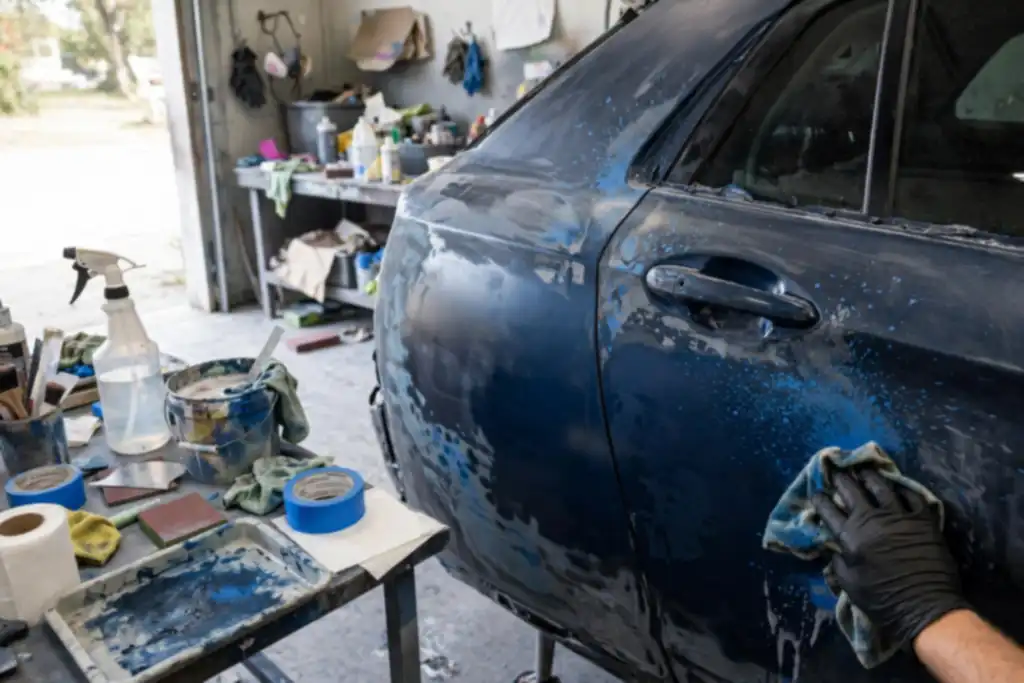
Yes, you can get spray paint off a car without damaging the finish, but only if you use the right solvent and technique for the paint type and cure time, because the wrong product can dull or dissolve the clear coat.
Getting spray paint off your car without wrecking the finish is possible if you match the removal method to the paint’s cure time and the car’s clear coat. So can you get spray paint off a car safely? Yes, but only if you avoid harsh solvents that attack the clear coat and start with the mildest option first.
You will learn which solvents are safe for fresh overspray versus cured paint, how to test a hidden spot before touching the visible panel, and the step-by-step order from soapy water and a clay bar up to a buffer and polish. The goal is a clean panel with the original car paint and clear coat intact, not a shiny spot that needs a repaint.
Can You Get Spray Paint off a Car? Yes, Here's How to Do It Safely
Yes, you can remove spray paint from a car without ruining the finish, but only if you match the method to the paint's cure stage and the car's clear coat.
| Situation | What it means | What to do |
|---|---|---|
| Fresh overspray, still tacky | Paint has not bonded yet | Wipe gently with mineral spirits on a microfiber cloth |
| Overspray under a week old | Paint is partially cured | Use a clay bar with soapy water as lubricant |
| Older, hardened overspray | Paint has bonded to clear coat | Try rubbing compound on a small test spot first |
| Heavy spray paint coat | Thick layer sits above the finish | Soften with lacquer thinner briefly, then scrape with a plastic scraper |
| Graffiti on glass or trim | Hard surface tolerates solvents | Apply solvent, wipe, then rinse with soapy water |
| Paint on plastic bumpers | Plastic may stain or haze | Use the mildest solvent and test in a hidden area |
| Uncertain about your clear coat | Risk of dulling or burn-through | Start with polish and a buffer at low speed |
Recommended for this job

Mothers California Gold 3 Clay Bar
Clay bar lifts overspray and paint contaminants from clear coat without harsh chemicals.

Turtle Wax T230A Rubbing Compound Heavy
Heavy duty rubbing compound abrades and buffs away spray paint overspray from panels.

Nanoskin Lacquer Thinner
Lacquer thinner dissolves fresh spray paint residue when wiped carefully on cured surfaces.
The Short Answer: Yes, It’s Possible
You can get spray paint off a car in most cases, as long as the original car paint and clear coat are intact underneath. The key is choosing a method that lifts the spray paint without attacking the finish below it.
Why Acting Fast Matters
Fresh spray paint sits on top of the surface and wipes away easily. Once it cures, it bonds to the clear coat and requires stronger steps like a clay bar, rubbing compound, or a controlled solvent.
Waiting days or weeks turns a five-minute cleanup into an afternoon of careful polishing.
What You Need to Know Before You Start
Always test any solvent, including lacquer thinner or mineral spirits, on a hidden panel first. A solvent is a substance that dissolves another material, so it can soften your car’s clear coat if left too long.
Keep a plastic scraper, microfiber cloth, soapy water, and a pressure washer ready for rinsing. Work in shade, and stop if the finish looks dull.
When Spray Paint Removal Works Best: Fresh Paint, Right Type, and a Test Spot
Fresh Overspray? Start with Soap and Water
If the spray paint is still wet or under about 2 hours old, mild soapy water often lifts it before it bonds. Mix a few drops of dish soap into 1 quart warm water and wipe gently with a microfiber cloth. Stop the moment the surface feels tacky, since scrubbing wet paint just spreads it across the panel.
Identify the Type of Spray Paint
Removal success depends on the product, so read the can before you touch the car. Water-based craft sprays usually release with soapy water, while enamel and lacquer products need a solvent, which is a liquid that dissolves another material into a solution. Match your method to the label, not to guesswork.
Why You Must Test in an Inconspicuous Area
Test on a hidden spot like the door jamb or inside the trunk lid before touching visible panels. A solvent strong enough to cut spray paint can soften car paint and clear coat, the protective top layer, within 30 seconds. Apply a dime-sized amount, wait 30 seconds, and wipe. If the cloth picks up body color, stop and step down to mineral spirits or a clay bar.
The DIY vs. Pro Decision Rule: When to Tackle It Yourself and When to Call in the Experts
Assess Paint Type and Cure Time
Fresh overspray wipes off within about 2 hours; spray paint baked on for 2 to 3 weeks bonds harder and needs more passes. Factory car paint with a clear coat usually tolerates mineral spirits and a clay bar. Test on a door jamb first, then wait 30 seconds to check for dulling.
Your Comfort Level with Solvents and Tools
If you have never used lacquer thinner, do not start on a visible panel. A solvent dissolves another material, and lacquer thinner can soften clear coat in under 30 seconds. Begin with mineral spirits on a microfiber cloth, then step up to a clay bar or rubbing compound.
The Cost Factor: DIY vs. Professional Removal
DIY supplies run $20 to $60 for mineral spirits, clay bar, and polish. A pro removal job typically costs $150 to $500 depending on panel count. Repainting one panel can exceed $1,000, so call an expert if a buffer or pressure washer feels risky.
A buffer is a power tool with a spinning pad that applies polish evenly at low speed to restore shine.
A polish is a fine abrasive product that smooths the treated area and restores gloss to the clear coat after cleaning.
Least Aggressive First: from Soapy Water to Solvents and Clay Bars
Start with Soap and Water for Fresh Paint
Overspray that is still fresh often lifts with warm soapy water before it cures. Wet a microfiber cloth, let it sit on the speck for a minute, then wipe gently. If the paint has hardened for days, skip ahead.
Move up to Solvents Like Lacquer Thinner and Mineral Spirits
A solvent dissolves another substance, here softening spray paint so you can wipe it away. Mineral spirits are gentler; lacquer thinner bites harder and can dull car paint and clear coat if you linger. Test on a hidden panel first, dab, and wipe off fast.
Try a Clay Bar for Light Overspray
A clay bar pulls embedded grit off without cutting the finish. Lubricate with soapy water or detail spray and glide it lightly over the specks. Keep the bar clean and knead it as it loads up.
Use Rubbing Compound and Polish for Stubborn Spots
Rubbing compound is a mild abrasive paste that levels away thin paint residue, then polish restores shine. Work a small area by hand or with a buffer on low speed, and stop before you cut through the clear coat. Follow with wax.
When a Pressure Washer Can Help (and When It Can’t)
A pressure washer can blast off loosely bonded overspray, but it will not dissolve cured paint and can strip trim or force water past seals. Keep the nozzle moving at a safe distance and never aim at panel gaps.
When It Doesn't Work: Cured Paint, Delicate Finishes, and High-Risk Situations
Cured Paint That’s Been on for Weeks
Once spray paint fully cures, it bonds harder and simple soapy water stops working. Fresh overspray often lifts with a clay bar and lubricant; weeks-old paint usually needs a solvent approach instead. Test any solvent on a hidden panel first, because strength that removes the spray may also soften your car paint.
Delicate Clear Coats and Older Finishes
Thin or aging clear coat is where DIY removal goes wrong fast. Lacquer thinner and strong solvents can dull or eat through it, so stick with mineral spirits or a dedicated tar remover and light pressure. If the finish looks chalky or has peeling edges, stop and let a professional assess it.
Textured Plastics and Trim
Spray paint soaks into textured plastic and trim, and solvents can stain or melt those surfaces. A plastic scraper plus soapy water removes surface residue, but deep staining often stays. Masking trim before any job prevents this problem entirely.
Legal Considerations for Graffiti
Removing graffiti yourself is fine on your own vehicle, but document it with photos first and report it to local police. If the paint landed on someone else’s property, get the owner’s permission before touching anything. Never use aggressive solvents near storm drains; check local disposal rules for leftovers.
Your Step-by-Step Action Plan for Removing Spray Paint
Yes, you can get spray paint off a car, but the method matters more than the effort. Start mild, test first, and never let a strong solvent sit on car paint longer than necessary.
| Action | Why it helps | How to start |
|---|---|---|
| Test in an inconspicuous area | Confirms the method won't harm car paint | Try a hidden spot like a door jamb |
| Use the least aggressive method first | Avoids unnecessary damage to clear coat | Begin with soapy water and a microfiber cloth |
| Wear gloves and eye protection | Solvents irritate skin and eyes | Check the label and OSHA guidance |
| Work in a ventilated space | Fumes build up fast in garages | Open doors or work outdoors |
| Keep solvents off trim and glass | Some plastics etch or cloud | Mask edges with tape first |
| Rinse and dry after cleaning | Stops residue from dulling the finish | Flush with water, then blot dry |
| Polish the treated area | Blends the finish after light abrasion | Use rubbing compound, then polish |
Gather Supplies and Safety Gear
Collect microfiber cloths, soapy water, a plastic scraper, mineral spirits, and a clay bar before you touch the paint. Add nitrile gloves and eye protection, since solvents like lacquer thinner can irritate skin and eyes. Work outdoors or with good ventilation to keep fumes down.
Test a Small Area First
Pick a hidden spot, like a door jamb, and try your mildest method there. Wait a few minutes and check the clear coat in daylight before continuing. If the finish dulls or softens, stop and step back to a gentler approach.
Work from Mild to Aggressive Methods
Start with soapy water and a microfiber cloth, then move to a clay bar for light overspray. A solvent is any liquid that dissolves another substance, so apply mineral spirits sparingly and wipe quickly. Save lacquer thinner for tough spots only, and never scrub hard with a plastic scraper.
Clean and Protect the Surface Afterward
Rinse the area with water to remove solvent residue, then dry with a clean microfiber cloth. Follow with rubbing compound and polish on a buffer at low speed if the finish looks dull. Finish with wax to protect the car paint.
How to Remove Spray Paint from a Car: a Detailed Guide
Step 1: Assess the Damage and Identify the Paint
Before touching anything, figure out what kind of spray paint you are dealing with. Fresh overspray wipes off far easier than cured paint, and factory car paint with a healthy clear coat tolerates more cleaning than a repaint or single-stage finish. Test in a hidden spot first, like a door jamb; if the finish feels soft or chalky, stop and get a pro involved.
Step 2: Start with Soap and Water
Warm soapy water and a microfiber cloth are your first line of defense for fresh paint. Soak the area, let it sit a minute, then wipe gently. A pressure washer on a low, wide setting can lift loose specks. Skip aggressive scrubbing, which dulls the clear coat.
Step 3: Try a Clay Bar for Light Overspray
A clay bar pulls embedded grit off the surface. Lubricate with soapy water, glide the clay back and forth, and knead it when dirty. This works well for fine, scattered overspray; heavier patches need more than clay alone.
Step 4: Use Solvents Carefully (If Needed)
Lacquer thinner or mineral spirits can soften stubborn spray paint. Apply a small amount to a microfiber cloth, dab, and wipe immediately. Never pour solvent directly on the car or let it dwell; lacquer thinner can eat clear coat fast, so test a hidden spot first.
Step 5: Polish and Protect
Level the area with rubbing compound, then refine with polish. Work a small section at a time, keeping the pad moving. Wipe residue with a clean microfiber cloth, then apply wax or sealant to protect the clear coat.
How to Tell If You Can Remove It Yourself, and What to Do First
Act quickly before the paint cures, then test in an inconspicuous area and use the least aggressive method first.
Check If the Paint is Fresh or Cured
Press a fingertip into a hidden spot. Fresh overspray wipes off within hours; cured paint needs more work.
Test a Hidden Spot with Soapy Water
Use soapy water and a microfiber cloth on a door jamb to see if the paint lifts without harm.
Try a Clay Bar on a Small Area
Lubricate with soapy water and rub gently for 30 seconds to pull light overspray.
If Still Stuck, Test a Mild Solvent
Try mineral spirits, a solvent that dissolves paint, on a hidden spot. Wait 30 seconds, then wipe with a microfiber cloth.
Know When to Stop and Call a Pro
Stop if the clear coat dulls, the car paint softens, or the spot grows after two gentle attempts.
Work through these checks in order before you touch anything aggressive, because the finish you save is your own.
Myths vs. Facts: What Really Works (and What Doesn't) for Spray Paint Removal
Myth: You Can Just Wipe It off with a Rag and Water
Water and a rag won’t budge cured spray paint. Once the paint dries, it bonds to the surface, and scrubbing with soapy water only smears it or scratches the finish. A microfiber cloth dampened with soapy water is fine for fresh overspray, but dried paint needs a real removal method.
Myth: Harsh Abrasives Are the Fastest Way
Aggressive sanding or scrubbing with harsh abrasives can eat through your clear coat in seconds. That thin protective layer is what keeps car paint glossy and protected, and once it’s gone, you’re looking at a costly repaint. Start with the least aggressive option, like a clay bar or a plastic scraper, and step up only if needed.
Myth: All Solvents Are Safe for Car Paint
No solvent is universally safe on car paint. Lacquer thinner and acetone can dissolve the finish along with the overspray, while mineral spirits are gentler but still require a spot test on a hidden panel. Work in a ventilated area, wear gloves, and follow OSHA guidance on solvent exposure to protect yourself.
Aftercare: Protecting Your Car's Paint and Preventing Future Overspray
Wash and Inspect the Area
After removing overspray, wash with soapy water and a microfiber cloth, dry fully, and inspect in direct sunlight at a low angle. Dull spots or faint edges mean more gentle work is needed before sealing.
Apply Wax or Sealant
Cleaned paint has less protection, so apply wax or sealant within a day or two to restore the barrier against sun, road grime, and chemical exposure. Use a thin, even layer and buff by hand.
Preventing Future Overspray
Good masking is cheaper than correction. Park upwind, cover the car with a drop cloth or plastic sheeting taped at the edges, keep a 10 to 15 foot buffer zone, and check the wind. Overspray travels farther than expected.
Eco-Friendly Removal Options for Next Time
Start with the mildest method. A clay bar and soapy water lift light mist without harsh chemicals, and a pressure washer handles fresh specks on cured paint. Prefer mineral spirits over lacquer thinner, and capture runoff to keep it out of storm drains.
Common Mistakes That Can Ruin Your Car's Paint (and How to Avoid Them)
Using Harsh Abrasives
Skip sandpaper and scouring pads entirely. They grind through the clear coat, the thin protective layer over your car paint, and leave dull spots that only a body shop can fix.
Skipping the Test Spot
Always test any solvent on a hidden panel first. A small spot inside a door jamb tells you in minutes whether the product attacks your finish.
Letting Solvents Sit Too Long
Apply solvent, lift the paint, then wipe it away. Leaving lacquer thinner or mineral spirits pooled on the surface softens the car paint underneath.
Not Rinsing Thoroughly
Residue keeps working after you stop. Rinse with soapy water and dry with a microfiber cloth so no solvent film stays behind.
Ignoring Safety Precautions
Solvents give off strong fumes, so work outdoors or in a ventilated garage. Wear nitrile gloves and eye protection, and follow OSHA and manufacturer warnings on the label.
- Using harsh abrasives: skip sandpaper and scouring pads because they grind through the clear coat and leave dull spots.
- Skipping the test spot: test any solvent on a hidden panel first to confirm it will not attack your finish.
- Letting solvents sit too long: apply, lift the paint, and wipe away so lacquer thinner or mineral spirits do not soften the car paint.
- Not rinsing thoroughly: rinse with soapy water and dry with a microfiber cloth so no solvent film stays behind.
- Ignoring safety precautions: work in ventilated space, wear nitrile gloves and eye protection, and follow OSHA and manufacturer warnings.
When to Call a Pro: Warning Signs You Shouldn't Ignore
Paint is Cured and Won’t Budge
Spray paint that has fully cured (often 24â48 hours) makes DIY removal risky. A pro can test safe options on a hidden spot first.
You See Damage to the Clear Coat
If the clear coat looks dull, cloudy, or scratched, stop wiping, it’s the thin protective layer, and polishing can make it worse.
The Area is Large or Complex
Overspray across multiple panels or paint in seams, trim, and glass calls for professional equipment. Pro removal typically runs $150, $600, usually less than a quality repaint.
You’re Uncomfortable with Solvents
Any solvent can attack car paint if you pick the wrong one. If you’re unsure about lacquer thinner, mineral spirits, or your technique, hand it to a pro.
Legal or Insurance Concerns
Graffiti and vandalism may be covered by insurance, and some cities require a police report before cleanup. Document the damage with photos and call your insurer or a pro first.
- Stop if cured paint won’t lift with a gentle solvent test.
- Stop if you notice dulling, cloudiness, or scratches in the clear coat.
- Stop if spray paint covers a large area or sits in seams and trim.
- Stop if you’re unsure how a solvent will react with the finish.
- Stop if the damage involves graffiti, insurance, or a police report.
Can You Get Spray Paint off a Car: Frequently Asked Questions
?Can You Get Spray Paint off a Car If it's Already Dried?
Yes, but it takes more work and more caution. Dried spray paint bonds harder to the clear coat, so start with soapy water and a clay bar before touching any solvent. If that fails, test mineral spirits on a hidden spot, then work up slowly. Skip lacquer thinner on cured paint unless a pro confirms your finish can handle it.
?Can You Get Spray Paint off a Car Before It Cures, and How Long Do You Have?
You have roughly a few hours to a day before spray paint cures. Fresh overspray usually lifts with soapy water and a microfiber cloth, no solvent required. Once cured, typically after about 24 hours, removal shifts to clay bars, rubbing compound, and careful solvent use. Acting fast greatly reduces the risk of damage to your car's finish.
?Does WD-40 or Lacquer Thinner Get Spray Paint off a Car Safely?
Lacquer thinner can strip your car paint and clear coat, so treat it as a last resort, not a first move. A solvent like mineral spirits is gentler, but still test it on an inconspicuous panel first. WD-40 can loosen light overspray, yet it needs thorough cleanup with soapy water afterward. Least aggressive product first, always.
?What is the Safest Solvent to Get Spray Paint off a Car?
Mineral spirits is the usual starting point. It's a solvent, meaning a liquid that dissolves another substance, and it's mild enough for most factory finishes when used briefly. Apply it to a microfiber cloth, not the car directly, dab don't scrub, and rinse with soapy water. Avoid lacquer thinner entirely unless a pro says your finish can take it.
?Can You Get Spray Paint off a Car with a Pressure Washer?
Yes for light overspray, no for anything cured or thick. A pressure washer can lift fresh mist, but hold the wand at a distance and keep it moving, or you'll chip car paint and clear coat. Never aim close on edges, trim, or chips. If the spray paint has set, a pressure washer alone won't cut it, and forcing it causes damage.
?Why Does Rubbing Compound or a Clay Bar Sometimes Fail to Get Spray Paint off a Car?
Because those methods only reach the surface. A clay bar pulls off stuck contaminants, and rubbing compound levels minor defects, but neither dissolves paint that has bonded chemically. If two passes with polish and a buffer don't move it, stop. More pressure means burned clear coat. That's the point to switch to a tested solvent or call a pro.
?When Should You Not Try to Get Spray Paint off a Car Yourself?
Stop if the paint is thick, cured for weeks, or sitting on a delicate finish like matte or single-stage. Also stop if your test spot shows dulling, clouding, or color on the cloth. Those are signs you're attacking car paint, not spray paint. A plastic scraper used wrong or too much buffer speed makes it worse fast, so call a pro.
Our Thoughts
Yes, spray paint can come off a car without wrecking the finish, provided you match the solvent to the paint and work gently. A solvent is simply a liquid that dissolves another substance, and the mildest one that lifts the overspray is your safest bet. Start with mineral spirits on a microfiber cloth, then step up to a clay bar or polish only if needed.
Your best next step is a spot test on an inconspicuous panel before touching the visible damage. Skip lacquer thinner and aggressive pressure washing on fresh clear coat, and keep a plastic scraper and soapy water handy for cleanup. Work slow, and you will get it done right once.