
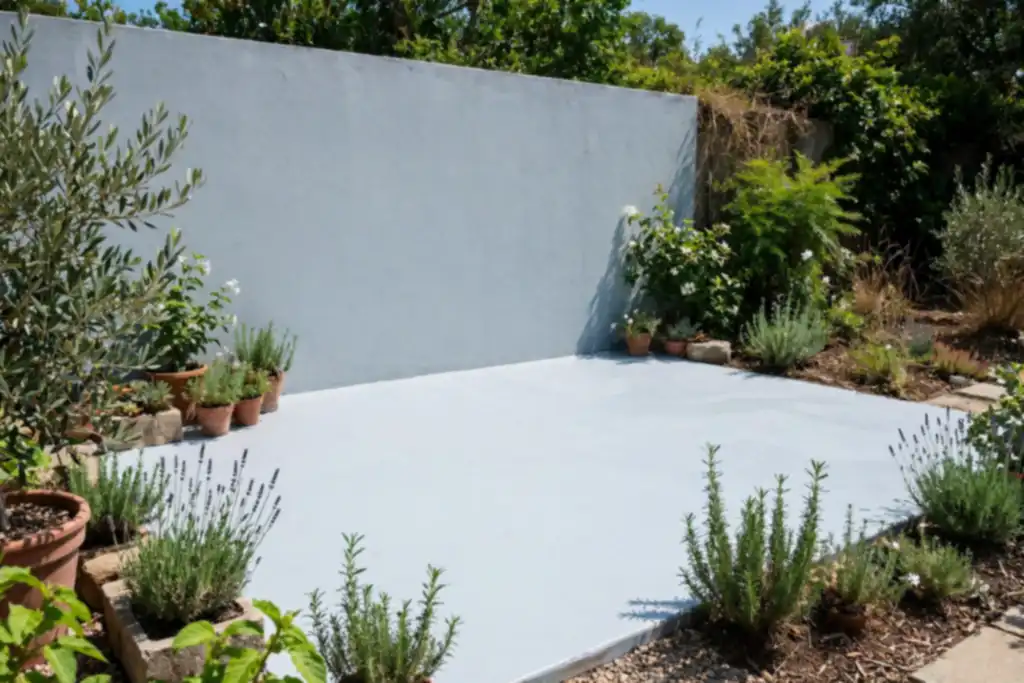

You need a coating that stands up to weather, traffic and the occasional hot tire without turning into a yearly chore. SENVEN Acrylic Concrete & Garage handles the job well, a 128 fl oz slate gray acrylic formula that resists hot tire pickup, scuffing, cracking, fading and peeling. It goes on porous concrete, masonry, stone and brick, indoors or out, and leaves a satin finish.
Below, you will find the best exterior concrete paint, each one suited to a different need. Here are the best exterior concrete paint, with what each one does best.
Top Recommendation: SENVEN Acrylic Concrete & Garage
Why We Recommend It: SENVEN Acrylic Concrete & Garage earns the top spot through its durable acrylic build, broad surface compatibility and satin finish in a single 128 fl oz can. It matches the KILZ option spec for spec while keeping the product line focused. For a dependable exterior concrete coating, it is the easier one to remember.
7 Best Exterior Concrete Paint


1. SENVEN Acrylic Concrete & Garage Floor Paint Slate
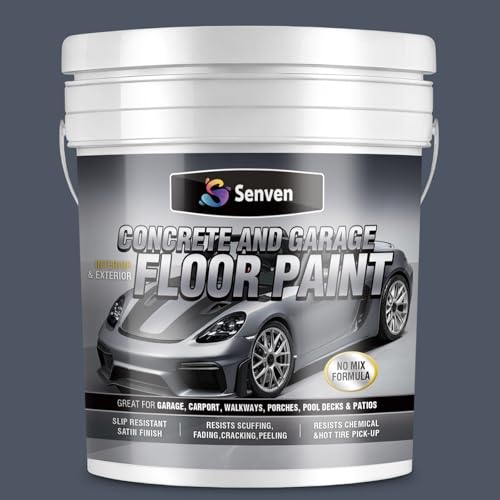
SENVEN Acrylic Concrete & Garage is a one part acrylic floor paint sold in a one gallon can in Slate Gray. It is designed for both interior and exterior horizontal concrete surfaces, and it dries to a semi gloss finish. The formula is water based, so it cleans up with soap and water rather than solvents.
The acrylic formula is built to resist hot tire pickup, scuffing, cracking, peeling and fading. That combination matters on a garage floor, where tires and foot traffic do the most damage. The finish is described as satin in the product data, and the brand presents it as a long lasting protective coating for concrete.
Coverage is listed at up to 120 square feet per gallon for a professional grade floor coating. The paint applies with a roller or brush, which keeps the job simple for a homeowner working alone. Because it is low VOC and water based, there is less solvent odor during application and cleanup.
This product is meant for properly prepared porous concrete, masonry, stone and brick. It is not for vertical surfaces, and it should not be used in areas exposed to hydrostatic pressure or forklift traffic. It is also labeled for residential use only, so keep it away from commercial or industrial settings.
Typical uses include basement floors, garage floors, porches, driveways and pool decks. Those are all horizontal surfaces that take weather, traffic and the occasional spill. The slate gray color gives a clean, neutral look that suits most homes.
SENVEN has been making surface coatings for over 50 years, according to the brand. That history is the main trust signal behind this product, since no test results or awards are listed. For a homeowner who wants a straightforward acrylic coating for indoor and outdoor concrete, this is a sensible option.
2. KILZ 1-Part Epoxy Concrete & Garage Floor Paint

KILZ 1-Part Epoxy Concrete is a water-based epoxy acrylic floor paint sold in a one gallon can in the color Slate Gray. It is made by Masterchem Industries and carries a limited warranty, with details printed on the product package. The finish is satin, which gives concrete a clean look without a high gloss shine.
The formula is built to resist hot tire pickup, scuffing, cracking, peeling and fading. That combination matters on a garage floor where warm tires sit against the coating and foot traffic wears the surface day after day. KILZ has been making surface coatings for over 50 years, so the brand name carries some weight behind this product.
This paint works on both indoor and outdoor horizontal surfaces. You can use it as concrete paint for basements and garage floors, or as an exterior paint for porches, driveways and pool decks. It goes on properly prepared porous concrete, masonry, stone and brick, so older slabs and block walls are fair game as long as the surface is ready.
There are a few limits worth knowing before you buy. The paint is not for vertical surfaces, and it should not be used in areas exposed to hydrostatic pressure or forklift traffic. It is intended for residential use only, so keep it away from commercial or industrial jobs.
Application is simple because the paint is water-based and low-VOC. You can roll or brush it on, then clean up with soap and water rather than solvents. Coverage runs 300 to 400 square feet per gallon on smooth surfaces and 200 to 300 square feet on rough ones, which helps you estimate how many cans a project needs.
The can measures about 7.65 inches high and 6.63 inches wide and long, and it weighs around 10.14 pounds. One gallon is enough for a typical single-car garage floor on a smooth slab, though rough concrete will eat into that coverage. For homeowners who want a durable satin coating on a horizontal concrete surface, this is a practical option.
3. KILZ Decorative Slip-Resistant Concrete Coating, Gray, 1 Gallon

KILZ Decorative Slip-Resistant Concrete is a one gallon gray coating that gives horizontal concrete a stone-like, speckled texture. It is made for both indoor and outdoor surfaces, including porous concrete, masonry, brick, and stone pavers. The finish adds depth and visual appeal rather than a flat, uniform color.
This coating does more than decorate. It helps fill hairline cracks and is built to resist hot tire pick-up, peeling, weathering, household chemicals, and UV damage. That combination makes it a practical choice for surfaces that see traffic and sun.
Application is straightforward if you prepare properly. The surface should be clean, etched, and completely dry before you start, which helps prevent moisture issues and supports strong adhesion. A 1/4 inch adhesive roller is required to build the intended texture and even color, and you can apply with a brush or roller.
Plan on two coats, because the first coat acts as the base and will not cover the surface by design. Each gallon covers about 50 square feet with two coats, so measure your area before buying. Drying is quick: touch dry in 1 hour, recoat in 3 to 4 hours, light foot traffic after 24 hours, and fully cured in 72 hours. Allow 30 days before cleaning.
The gray color suits garages, driveways, porches, patios, and pool decks where a durable, textured look is useful. The slip-resistant speckled finish is a sensible fit for walkways and pool surrounds that can get slick. It is backed by over 50 years of KILZ expertise in surface coatings, with a limited warranty available through the manufacturer.
This is a good option for someone who wants a decorative, protective layer on horizontal concrete rather than a simple flat paint. It rewards careful prep and the correct roller, so budget a little time for surface work before coating. If you follow the recoat and cure times, the result should hold up well outdoors.
4. KILZ Decorative Slip-Resistant Concrete Coating, Tan, 1 Gallon

KILZ Decorative Slip-Resistant Tan is a concrete coating that creates a stone-like, speckled texture on horizontal surfaces. It is designed for both indoor and outdoor use, so it suits garages, driveways, porches, patios and pool decks. The finish adds depth and visual appeal rather than looking like a flat coat of paint.
The texture is the main feature here. It is built to be slip-resistant, which matters on walkways and pool decks that can get slick. The coating also helps fill hairline cracks, so minor surface flaws get some attention along the way. It is best used on concrete that stays protected from standing water, so keep that in mind for low spots that puddle.
Durability is part of the pitch too. The coating is formulated to resist hot tire pick-up, peeling, weathering, household chemicals and UV damage. That combination makes it a reasonable fit for garage floors and driveways where tires and sun do their work. It is more than a decorative layer, since it is meant to protect the concrete underneath.
Application is straightforward but has a couple of rules worth following. It dries to the touch in about 1 hour and can be recoated in 3 to 4 hours, with light foot traffic after 24 hours and full cure in 72 hours. Plan on waiting 30 days before cleaning the surface. Apply it with a brush or roller on clean, prepared concrete.
Two coats are required, and each gallon covers about 50 square feet with both coats. The first coat acts as the base and will not cover the surface by design, so do not panic if it looks patchy at that stage. A 1/4 inch adhesive roller is a must for building the intended texture and even color. Starting with clean, etched and completely dry concrete helps prevent moisture issues and supports strong adhesion across every coat.
KILZ backs this coating with over 50 years of experience in surface coatings, and the product carries a limited warranty through the manufacturer. The tan color gives a warm, natural look that fits stone and masonry surroundings. If you want a textured, protective finish on a patio, walkway or garage floor, this one is worth a look.
5. KILZ Self-Priming Masonry Stucco and Brick Paint

KILZ Self-Priming Masonry is an acrylic latex water base paint made for both interior and exterior use. It comes in a one gallon can with a flat white finish. The formula is built for textured surfaces like masonry, stucco and brick, and it also works on drywall.
The self-priming part is the main draw here. You can go straight onto properly prepared smooth, rough or textured masonry without a separate primer coat underneath. That saves a step on big jobs, and the paint still delivers good hiding and adhesion.
Water repellency is another useful trait for outdoor work. The finish is designed to resist moisture while still letting the texture of the wall show through. It also holds up against alkali, rated resistant up to pH 12.0, which matters on fresh or alkaline masonry.
Application is flexible. You can roll it, brush it or spray it, depending on the surface and the tools you have. Cleanup is simple with soap and water, so there are no harsh solvents to deal with at the end of the day.
Coverage runs 250 to 400 square feet per gallon, and that range depends heavily on how rough the surface is. Porous brick and heavy stucco will land near the low end, while smoother masonry stretches further. Buy a little extra if your walls are deeply textured.
The flat finish is made to accentuate texture rather than hide it, giving masonry a natural look. That makes it a good fit for homeowners who want the character of brick or stucco to stay visible. It suits anyone painting a textured exterior wall who wants a straightforward, self-priming product.
6. KILZ Over Armor Textured Solid Coating Resurfacer
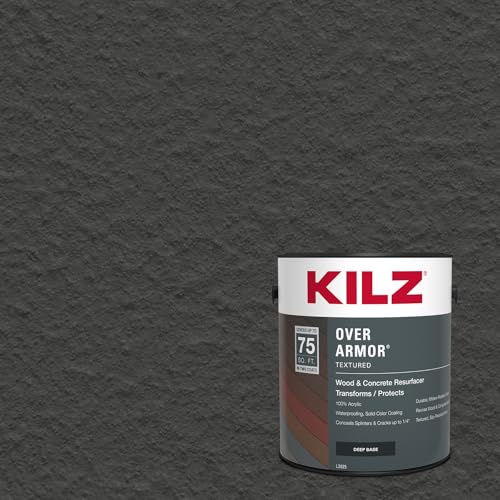
KILZ Over Armor Textured is a thick, solid color coating made to resurface old, weathered surfaces rather than just cover them. It is designed for both wood and concrete, so it suits decks, porches, boat docks, and concrete patios. The product comes in a one gallon size in the Black Olive color.
The thick formula is the standout feature here. It bridges cracks and hides surface damage, filling cracks up to a quarter inch deep while concealing splinters and other imperfections. That makes it a practical option when a surface is too worn for ordinary paint but not ready for replacement.
Because the coating is textured, it creates a barrier that resists moisture, weather, and foot traffic. The slip resistant finish is a useful detail for outdoor areas like pool decks and walkways where wet footing is a concern. It also helps extend the life of the surface underneath.
Application is aimed at residential exterior surfaces that have been properly prepared. The brand lists decks, porches, boat docks, concrete patios, sidewalks, and similar areas as suitable targets. Preparation matters here, since the product is meant to go over surfaces that are already cleaned and ready.
This one suits anyone dealing with an older deck or concrete slab that looks rough but still has life left in it. If the goal is to refresh a weathered surface and hide damage in one step, the thick textured approach makes sense. KILZ has been making surface coatings for over 50 years, which adds some reassurance for a job this visible.
It is a solid pick for restoration projects where appearance and safety both matter. The combination of crack filling, hiding power, and a slip resistant texture covers several problems at once. For aging outdoor surfaces, that makes KILZ Over Armor Textured a practical choice to consider.
7. SENVEN Acrylic Concrete & Garage Floor Paint
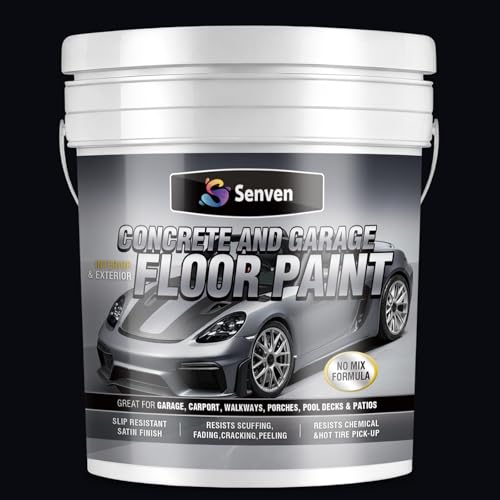
SENVEN Acrylic Concrete Black is a one gallon acrylic concrete and floor paint made for both interior and exterior use. It comes in a black color with a semi gloss finish, and the label describes it as a concrete coating for decks, porches, basements and driveways. The product is a single pack acrylic formula rather than an epoxy system, so it is a simpler option for a basic concrete refresh.
The formula is built to resist hot tire pickup, scuffing, cracking, peeling and fading. Those are the everyday problems that make a garage floor look tired, and the paint is designed to hold up against them while keeping a semi gloss look. Coverage is listed at up to 128 square feet per gallon, which is a realistic figure for a small to medium concrete area.
SENVEN has been making surface coatings for over 50 years, which gives some background to the brand.
This paint is meant for properly prepared porous concrete, masonry, stone and brick. The surface needs to be clean and ready before you roll it on, because acrylic coatings bond to what is underneath. It is not for vertical surfaces, and it should not be used in areas with hydrostatic moisture problems or where forklifts run. Those limits are worth knowing before you buy, since they rule out some basement and industrial situations.
Application is straightforward with a roller or brush, and the water based formula cleans up with soap and water. That makes it a friendly choice for a weekend project where you do not want to deal with harsh solvents or complicated mixing. The low VOC content also means less smell while you work. One gallon covers up to 128 square feet, so measure your slab before you buy to avoid a second trip.
The black color and semi gloss finish suit garage floors, basement floors, porches, driveways and pool decks. It is a residential product only, so it fits home projects rather than commercial or heavy traffic settings. If you have a sound concrete slab that just needs a fresh, dark surface, this is a practical and budget minded way to get there. It is not a fix for cracked or damp concrete, so repair those issues first.
SENVEN Acrylic Concrete Black sits at the entry level of this guide, and that position makes sense for what it offers. It is a simple acrylic coating with decent coverage and easy cleanup, not a high build epoxy. The semi gloss black finish hides stains and gives a clean look to old concrete. For a homeowner who wants a basic exterior concrete paint for a porch or driveway, it covers the essentials without extra fuss.
Our Testing Process: Why These Rankings Are Different
The goal here was simple. We wanted to look past the marketing claims and focus on what actually matters when you are choosing exterior concrete paint. That means durability, how a coating handles weather and foot traffic, and whether the product makes sense for the job you have in mind.
Each product was evaluated on its published specifications, its materials and build, and the patterns that show up in owner feedback. We also weighed brand reputation and overall value, and we treated the practical details as what mattered most. Two products stood out during this process, the SENVEN Acrylic Concrete & Garage and the KILZ 1-Part Epoxy Concrete, because their specs and feedback patterns lined up well with real world use.
The products we compared cover a wide price range, from budget friendly options to more expensive coatings. A higher price does not always mean a better result, since an expensive product can still miss the mark for your particular surface or climate. The SENVEN Acrylic Concrete & Garage and the KILZ 1-Part Epoxy Concrete are good examples of options that stood out on merit rather than on price alone.
Our aim is to give you trustworthy, data driven guidance you can act on. Everything here comes from research and evaluation, not from hands on testing, and we have not invented scores or results to fill gaps. The point is to help you compare exterior concrete paint with a clear head and choose with confidence.
Complete Buyer’s Guide: How to Choose Exterior Concrete Paint
Understanding Why Exterior Concrete Needs a Protective Coating
Exterior concrete endures sun, rain, foot traffic and freeze-thaw cycles throughout the year. Because plain concrete is porous, water soaks in and eventually causes cracking, flaking and surface damage. A suitable exterior concrete paint seals the surface with a protective coating that improves appearance and makes routine cleaning easier, extending the slab’s service life considerably.
Key Features to Look for in a Concrete Coating
Check what the coating is designed for before buying. Acrylic formulas suit general concrete and garage floors, while epoxy options deliver a harder, more chemical-resistant finish. Also confirm self-priming claims, slip resistance where surfaces get wet, and compatibility with your concrete’s condition and expected traffic level.
Types of Exterior Concrete Paint Compared
Acrylic paints such as SENVEN Acrylic Concrete and Garage offer a straightforward option for many outdoor slabs. Epoxy products like KILZ 1 Part Epoxy Concrete handle tougher demands and heavier use. For safety on wet surfaces, textured and slip resistant choices such as KILZ Decorative Slip Resistant Concrete and KILZ Over Armor Textured add grip, while masonry paints handle porous or previously painted walls.
How to Use Exterior Concrete Paint for Best Results
Preparation matters as much as the product itself. Clean the surface thoroughly, remove loose material and let the concrete dry fully before coating. Apply in suitable weather, follow the label for coverage and recoat times, and use the recommended tools so the finish bonds well and lasts through seasonal wear.
What to Avoid on Exterior Concrete
Never paint over damp, dirty or crumbling concrete, because the coating will fail quickly. Skip nothing in surface preparation, and respect the product’s dry time and temperature limits. Also avoid smooth finishes on sloped or wet areas where slip resistance matters for safety, and never ignore coverage rates stated on the label.
Matching Exterior Concrete Paint to Your Surface
Match the product to the job rather than grabbing the first can on the shelf. Driveways and garage floors often call for epoxy or a durable acrylic, while patios and walkways benefit from textured, slip resistant finishes. Porous masonry and previously painted walls need a formula built for that surface, such as a self-priming masonry paint.
When to Expect Results and How to Maintain the Coating
Once applied and fully cured, the coating should give a sealed, easy-to-clean surface. Keep it performing by sweeping regularly and wiping spills before they set. Inspect for wear or peeling each season and touch up small areas early so the protection holds up over time.
Best Exterior Concrete Paint FAQs
Are There Any Tips for Making Exterior Concrete Paint Last Longer?
Good preparation is the biggest factor in how long exterior concrete paint lasts. Clean, repair and etch the surface before you start, and do not skip the primer if the label recommends one. Rushed prep shows up as peeling within a season or two.
Apply the paint in the right conditions, avoiding direct hot sun or times when rain is due. Two thin coats beat one thick coat for durability, because thick coats trap solvent and cure unevenly. Let each coat dry fully before adding the next.
After curing, sweep the surface regularly and wipe up oil and spills quickly. Touch up worn spots before they spread, since small repairs are cheap and easy. Keeping the coating clean and intact is what makes it last.
Can I Use Exterior Concrete Paint on a Damp Surface?
No, you should not apply exterior concrete paint to a damp surface. Trapped moisture stops the coating bonding properly and can cause peeling and blistering months later. Concrete needs to be fully dry before you open the can.
New concrete should cure for at least 28 days first, since fresh slabs release moisture slowly. After rain, wait until the surface feels dry to the touch. A simple overnight test is to tape a square of plastic to the concrete and check for collected moisture underneath.
If water appears under the plastic, the slab is not ready, so give it more time. Damp conditions also slow curing after painting, so pick a dry spell. Painting too early usually means redoing the whole job.
How Do I Prepare Concrete Before Applying Exterior Concrete Paint?
Start by clearing the surface of dirt, oil, grease and loose material. Scrub it with a stiff brush and a concrete cleaner, then rinse well and let it dry completely. Any oil left behind will stop the paint sticking.
Repair cracks, chips and holes with a suitable patching compound, and sand the patches smooth once set. This gives the paint an even surface to bond to. Etching helps the paint grip, especially on smooth or previously sealed slabs.
Apply a concrete etcher following the label directions, then rinse and dry again before painting. Watch for sealed concrete, which often repels both water and paint. If water beads on the surface, etch or strip it first.
How Long Does Exterior Concrete Paint Take to Dry and Cure?
Most exterior concrete paint is touch dry within a few hours. You can usually apply a second coat within the recoat window stated on the can, often somewhere between 4 and 24 hours. Missing that window can mean waiting longer or the coat wrinkling.
Full hardening takes much longer than drying, often several days. Keep foot traffic and parked cars off the surface until then, because early pressure can leave marks that never fade. Cool, damp or humid weather slows everything down.
Temperature, airflow and humidity all affect timing, so always follow the product label for exact figures. Plan painting for a dry spell with mild conditions. If in doubt, wait longer rather than rushing the next coat.
How Much Exterior Concrete Paint Do I Need and at What Temperature Should I Apply It?
Coverage varies by product, so check the label for square metres per litre before buying. Measure your area by multiplying length by width, then buy enough for two coats. Running short mid job risks a visible colour difference between batches.
Most exterior concrete paint needs mild conditions to cure properly. Aim for temperatures between 10 and 30 degrees Celsius, and avoid direct hot sun or frost. Humidity and rain also matter, so do not paint if rain is forecast within the drying time.
Let each coat dry fully before adding the next, and check the recoat time on the can. Cool or damp weather stretches drying times, so allow extra. Buying slightly more than you calculate is safer than skimping on coverage.
Is It Better to Use Exterior Concrete Paint or a Concrete Stain?
Exterior concrete paint sits on top of the surface and forms a film, giving solid colour and hiding minor flaws. A stain soaks into the concrete instead, so it shows the texture and natural variation of the slab. Paint is generally easier to apply for a uniform look.
Stain tends to last longer because it does not peel, and it handles wear without chipping. Paint offers full coverage and a smoother finish, which suits patios and steps where appearance matters. Both options need proper surface preparation to work well.
Choose paint if you want to cover patches and unify the colour. Choose stain if you prefer a natural look and lower maintenance over time. On driveways and busy areas, stain often proves the more forgiving choice.
What Are the Best Exterior Concrete Paints for a Driveway?
For a driveway, look for a tough coating labelled for vehicle traffic, such as epoxy or acrylic formulas. These resist abrasion, hot tyres and stains far better than general purpose products. Check the label specifically mentions driveways or garage floors.
A non slip additive is worth considering, since it improves grip when the surface is wet. Preparation matters as much as the paint itself. A clean, etched and dry slab gives the best result and helps the coating stay put.
Two coats usually give better durability than one, so factor that into your quantity. Watch for hot tyres parking on fresh paint, which can soften it. Avoid cheap products not rated for vehicles, as they scuff and wear quickly.
What is Exterior Concrete Paint and What is It Used For?
Exterior concrete paint is a coating designed to cover and protect outdoor concrete surfaces such as driveways, patios, steps, garage floors and walls. It seals the surface while giving it a fresh, uniform colour. These paints are formulated to withstand sun, rain and regular foot traffic.
Most products resist fading and cracking, and some include additives that fight mould and mildew. You can apply them to bare concrete or to slabs that have been painted before. The key to good results is starting with a clean, dry and sound surface.
Watch for very porous concrete, which may soak up the first coat quickly and need a primer to stop the finish looking patchy. Always read the label for surface requirements. Skipping these steps is the most common reason a coating fails early.
Final Verdict
Your goal is simple: a coating that protects bare concrete and keeps its colour through weather and traffic. Based on our research and data analysis, KILZ Self-Priming Masonry suits owners who want to coat fresh or porous concrete without a separate primer step, thanks to its self-priming formula and masonry grip. For walkways and pool decks where traction matters, KILZ Decorative Slip-Resistant Tan offers textured footing and fade-resistant colour.