
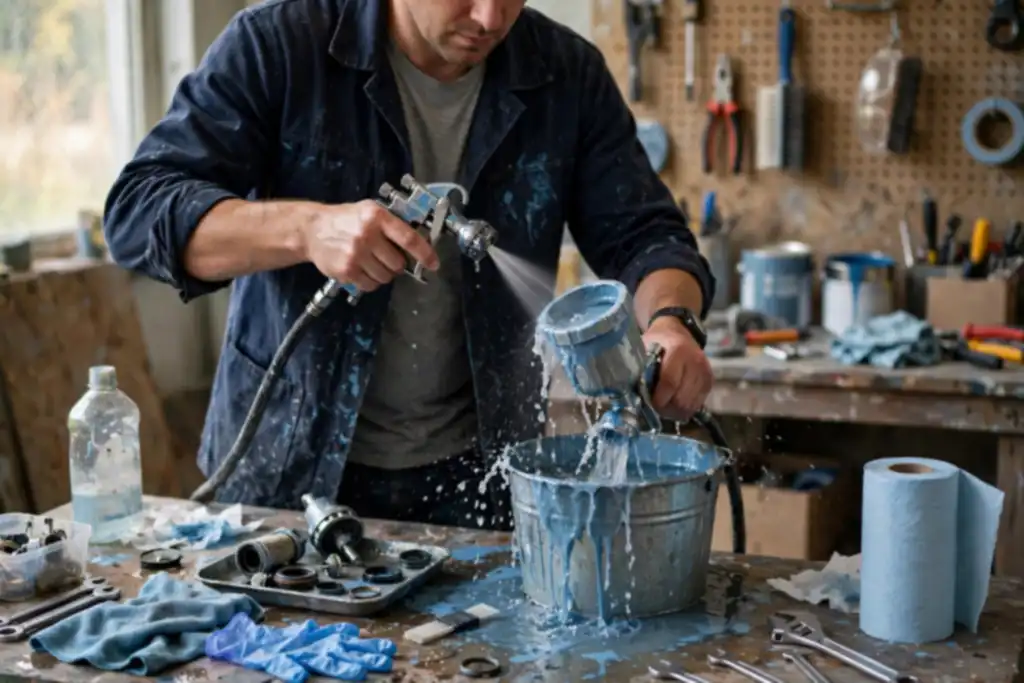
Paint residue left in a gun body, cup or nozzle can harden fast and slow down your next job. The best cleaner for paint sprayer jobs often starts with the High Power Spray Gun from 3M, an aerosol formula with a wand that blasts paint from hard to reach areas. Its tight spray pattern helps reduce solvent use, and it works on paints, primers, sealers, clearcoats and sprayable adhesives.
The Spray Gun Cleaning Kit from TOAINRSI takes a different approach, with nylon, stainless steel and brass brushes plus needles, extension rods and elbow hooks for clogged nozzles. Read on for the best cleaner for paint sprayer and the details that set them apart.
Top Recommendation: High Power Spray Gun Cleaner
Why We Recommend It: The High Power Spray Gun wins here because it combines a wand, a tight spray pattern and a 2 year manufacturer warranty in one aerosol can. It cuts solvent use and reaches deep into gun bodies and fittings. The kit adds scrubbing tools, but the aerosol does the heavy flushing work.
10 Best Cleaner for Paint Sprayer


1. High Power Spray Gun Cleaner 3M 26689

The High Power Spray Gun is an aerosol cleaning product from 3M designed to strip paint and coatings from spray equipment. It comes in a 15 ounce can with a wand that directs the formula into tight spots. The part number is 26689 and it ships as a single can.
What sets this cleaner apart is the delivery method. The aerosol can and wand combination blasts paint from hard to reach areas that are awkward to scrub by hand. A tight spray pattern helps keep the solvent where it is needed, which reduces how much cleaning solvent the job requires overall.
It handles a wide range of coating types. The formula removes paints, varnishes, clear coats, gel coats, primers, sealers and sprayable adhesives. It works on both waterborne and solvent based coatings, and it is safe for metal gun bodies as well as plastic and composite parts.
Using it is straightforward. You spray the cleaner onto spray gun bodies, hard paint cups, atomizing heads, hoses and fittings, and the formula goes to work on the residue. This spray application cuts down cleanup time compared with soaking or manual scrubbing routines.
The low VOC figure stands out for regulated shops. At less than 25 g/L, it meets SCAQMD Rule 1171(c)(1) and other air quality regulations. That makes it easier to stay compliant while still getting strong cleaning performance.
This product is intended for industrial and occupational use only, and it is not for consumer sale or use. It suits automotive refinishing shops and general industrial spraying operations that maintain spray equipment regularly. A 2 year manufacturer warranty backs the product.
2. Spray Gun Cleaning Kit Universal Paint Cleaner

The Spray Gun Cleaning Kit is a universal brush and detail set for maintaining spray equipment. It is designed to work with gravity feed, suction feed and airless spray guns, plus airbrushes. That range makes it useful in a professional workshop or a hobbyist’s bench.
What stands out is the mix of bristle materials. The set includes nylon, stainless steel and brass brushes in various sizes, so you can match the tool to the job. Soft bristles suit delicate parts, medium bristles handle general cleaning, and stiff bristles work on dried paint residue.
The kit also covers the small, awkward areas that cause most clogs. Fine hole cleaning needles, extension rods and elbow hooks reach tight spaces and clear blocked nozzles. These tools are shaped to work inside sensitive components without damaging them.
Storage is handled with a clear case that keeps everything organized and prevents loss. The tools are made from rust resistant stainless steel and high grade plastic for long term use. That combination matters when the kit lives in a damp workshop or gets used often.
Using the set is straightforward. Pick the brush or needle that matches the part, work through the nozzle and feed passages, then return each tool to the case. The variety of sizes means one kit can serve several guns instead of buying separate brushes for each.
The application range is broad. It suits automotive painting, furniture refinishing, model making and art projects, along with general spray tool upkeep. Anyone who owns more than one sprayer will find the range of brushes and needles covers most routine cleaning needs.
3. Paint Pump Wash Sprayer Cleaner Makes 3
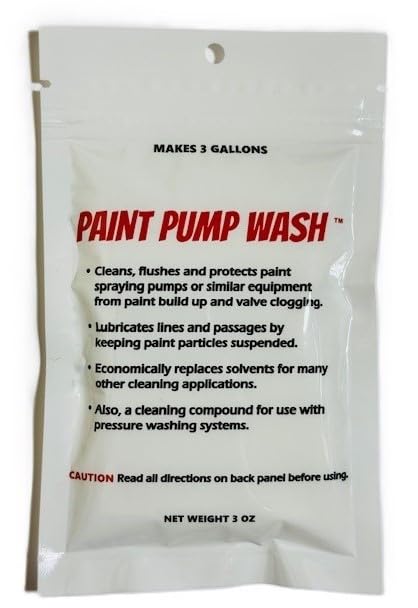
Paint Pump Wash is a concentrated cleaning additive that comes as a single packet of powder. Each packet holds 3 ounces and mixes with water to make up to 3 gallons of cleaning solution. It is made by VASTIKE and sold under the model number PPWV1.
The main job of this cleaner is to flush out paint residue before it hardens inside a pump or sprayer. It keeps paint particles suspended so they can be carried out of the lines instead of settling in valves and passages. That suspended action also helps lubricate the internal lines while the wash runs through the equipment.
Using it is straightforward. You mix the powder with water, dilute it to the strength that suits your job, and then run the solution through the pump or similar spraying equipment. Because one packet stretches to 3 gallons, you can adjust the mix rather than being locked into a single ratio.
One limit worth knowing is that Paint Pump Wash is only for water-based acrylic and latex paints. It is not intended for solvent-based coatings, so check your paint type before you commit. The packet format also means no measuring from a large jug, just open, mix and flush.
The brand also lists it as suitable for cleaning pressure washing systems, which gives it a second use beyond paint equipment. That makes it a reasonable pick if you already own a pressure washer and want one cleaner that covers more than one machine. The small, light packet is easy to store between jobs.
This one suits people running water-based paints through pumps or sprayers who want a straightforward flush rather than a full cleaning kit. It is a consumable, so you buy it again as packets run out. For a simple maintenance routine on latex and acrylic setups, it covers the basics well.
4. Moon Roses Spray Gun Cleaning Kit 21PCS

Moon Roses Spray Gun is a 21 piece cleaning kit built for manual maintenance of spray guns and airbrushes. The set brings together cleaning needles, nylon mini brushes, flexible tube brushes and larger detail brushes in one package. It is made by Moon Roses and sold under the model name Spray Gun Cleaning Kit 001.
What stands out is the range of tools for different jobs. The 10 stainless steel micro needles are sized for tiny openings like nozzle holes and fluid tips. The 4 flexible brushes and the wire tube brush are aimed at narrow internal passages, while the 5 mini brushes and the handle toothbrush handle broader surfaces.
The materials are chosen for repeated use. Stainless steel needles resist bending, and the nylon and flexible wire brushes are described as resistant to wear and deformation. That matters because cleaning tools get pushed, twisted and pressed into tight spots, and soft tools wear out fast.
You use the kit by working each tool into the area that needs attention. Needles clear blockages from atomizing holes, and the flexible tube brushes scrub residue from internal passages and air routes. Regular use of the brushes and needles helps keep spray consistency steady and airflow efficient.
The kit also comes with a 30 day warranty, which is a modest but useful safeguard. It is positioned as a practical maintenance set rather than a one off fix, so the value comes from having the right tool on hand each time you clean. The compact dimensions make it easy to keep in a workshop drawer.
This kit suits anyone who cleans spray guns or airbrushes by hand and wants a full set of tools instead of improvising. Professional painters will find the needle and brush range useful for daily upkeep. DIY users get the same tools for occasional deep cleans without buying items one at a time.
5. LiME LiNE Urethane Spray Gun and Airbrush Cleaner
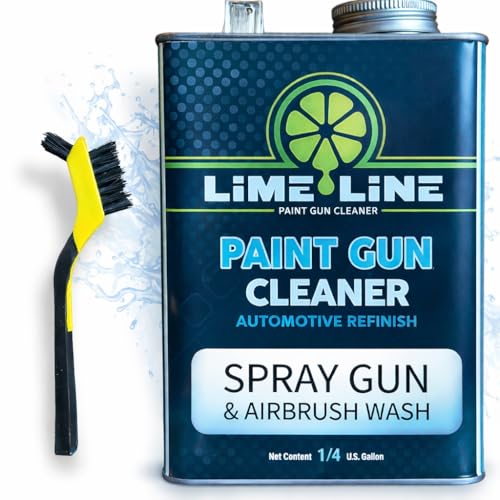
LiME LiNE Urethane Spray is a cleaner made for paint guns and airbrushes used in automotive painting. It comes in a single quart bottle, or 32 fluid ounces, with one item per pack. The formula is clear, so you can see what you are working with as you pour it.
The standout detail here is the bonus cleaning brush that comes with the bottle. That small extra matters because the tight passages inside a spray gun are often the hardest part to reach. Having a brush in the box means you can start cleaning right away without a separate trip.
This product is aimed at urethane finishes, which are common in automotive work and can be stubborn once they start to cure. The quart size gives you a decent amount of liquid for regular cleaning sessions. It is a practical pick for a home painter or a small shop that wants one bottle on the shelf.
Using it is simple. You flush the cleaner through the gun or airbrush, then work the brush into the areas where paint tends to collect. A clear formula also makes it easy to see when the liquid running out is free of pigment.
The brush is the kind of detail that makes a difference over time. Small nozzles and narrow channels are where dried paint causes the most trouble, and a brush gets into places a cloth cannot. That combination of liquid cleaner and a physical tool covers both the flush and the scrub.
This one suits people who spray urethane coatings and want a cleaner that comes ready to use with a brush included. It is not a complicated product, and that is part of the appeal. For a single quart with a bonus brush, it covers the basics of keeping a spray gun and airbrush in working order.
6. Master Airbrush Cleaner 16-Ounce Pint Bottle Cleaning

Master Airbrush Cleaner is a 16 ounce bottle of concentrated cleaning solution made for airbrushes and the tools that go with them. It comes as a single bottle, model MAS ABC-16, from Master Airbrush. The formula is designed to break down water based paint and keep airbrushes ready for the next session.
What stands out is how many materials it handles. It penetrates water based acrylics, gouache, watercolors, inks, dyes, makeup, tanning solution and cake decorating colors. That range makes it useful across art, beauty and hobby work rather than being tied to one kind of paint.
It is built for speed as well. The cleaner flushes out paint between color changes and handles a full cleaning after a painting session. For a clogged airbrush, the maker suggests taking apart the needle, nozzle and air cap and cleaning those parts separately with the solution.
The concentrated formula also softens dried on paint. That means it can be used on paintbrush bristles, artist tools and supplies, not just the airbrush body. It is also suitable for ultrasonic cleaning of technical pens, which adds another job it can cover.
Low odor and non toxic are part of the design, and the maker states it meets ASTM D-4236 standards. That matters when you are cleaning tools indoors or in a small studio. The 16 ounce size gives you enough solution for regular flushing and deeper cleaning without running out quickly.
This one suits artists and airbrush users who work mainly with water based products. It is a practical choice for anyone who wants one cleaner for color changes, clogged nozzles and dried paint on brushes and tools. The large bottle and concentrated formula keep it useful for frequent cleaning routines.
7. LAUCO Spray Gun Cleaner 14 Oz Pack
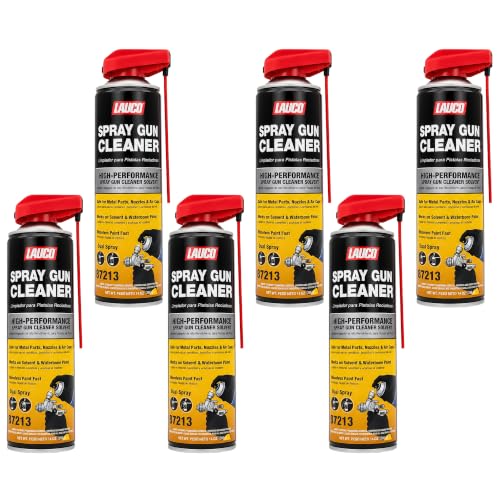
The LAUCO Spray Gun Cleaner is a six pack of 14 ounce aerosol solvent cans made for cleaning spray guns and related equipment. It is formulated to dissolve paint, residue and buildup rather than just rinse the surface. The design targets professional grade performance in demanding shop environments.
What sets it apart is the coating coverage. It works on both waterborne and solvent based paints, so one product covers a wide range of jobs in automotive, industrial and workshop settings. That versatility means you do not have to keep separate cleaners on the shelf for each type of finish.
The formula is built to break down paint instantly, which saves time and effort compared with traditional cleaning methods. Faster breakdown also cuts downtime between jobs, so you can move from one project to the next with less waiting. For anyone spraying regularly, that time adds up over a week.
It is safe for metal parts, nozzles, air caps and internal components, which helps extend the working life of your spray equipment. Regular use on those parts keeps passages clear and reduces the chance of clogged or spitting guns. Caring for the internals is often what separates a long lasting spray gun from a short lived one.
The dual spray modes are a practical touch. A wide setting gives broad coverage for larger surfaces, while a targeted setting reaches tight internal passages and hard to clean areas. Switching between the two lets you flush the body and then focus on the small parts that trap paint.
With six cans in the pack, it suits people who clean equipment often and do not want to run out mid job. The transparent color refers to the product itself, and the manufacturer lists a one month warranty. It is a sensible pick for a busy shop that needs a strong solvent on hand.
8. Wagner Spraytech Paint Sprayer Cleaner and Lubricant

The Wagner Spraytech Paint Sprayer is a 6 ounce bottle of cleaner and lubricant made to support the cleaning and maintenance of compatible Wagner paint sprayers. It comes from the same brand as the sprayers, so it is matched to their components. The single bottle is sized for lubricating multiple parts and components.
What stands out is the dual job it does. It is formulated to help remove paint from sprayer parts, and it also leaves those parts lubricated and ready for the next project. Cleaning and protecting in one step saves you from reaching for two separate products.
It is listed as great for use with Wagner Power Painter sprayers. That makes it a straightforward choice if you already own one of those models, since you are not guessing about compatibility. Owners of other brands should check their manual before relying on it.
The way you use it is simple. Apply it to the sprayer components after cleaning to lift away leftover paint, then let the lubricant coat the moving parts. Keeping those parts oiled helps maintain sprayer performance and reduces wear between jobs.
The 6 ounce size is practical for routine upkeep. It is enough to treat several parts and components without leaving a large bottle sitting around for years. For a home DIY user or a light professional, that is a sensible amount to keep on the shelf.
This product suits someone who wants to protect their investment with a basic maintenance routine. It keeps the sprayer lubricated and ready for future projects, which is the goal of most owners. It is a small, low cost addition to the cleaning kit rather than a heavy duty solvent.
9. Spray Gun Cleaning Kit Multi-Purpose Cleaner Brush

The Spray Gun Cleaning Multi-Purpose is a brush kit built to handle the grunt work of spray gun maintenance. It brings together cleaners of different sizes so you can match the tool to the job at hand. The set is meant to work alongside any diluent or solvent to lift residues and dirt from suction guns, gravity-fed guns and other spray equipment.
Each nylon brush in the kit uses high-quality bristles with moderate hardness. That balance matters because the bristles are firm enough to scrub but will not scratch pipes or the piping system. You get a thorough clean without worrying about damaging the surfaces you are working on.
There is also an elastic wire brush in the set, and it is made of fine elastic metal wires. This one reaches deep into the crevices and gaps where dirt, dust and contaminants tend to collect. It lets you get into the awkward spots and clean the spray gun properly rather than just wiping the outside.
The tools are designed to be reused, so the kit should serve you across many cleaning sessions as long as you use it correctly. The stainless steel materials resist rust and are easy to clean after use. That makes the kit a practical thing to keep on the bench instead of a one-time purchase.
The kit comes with everything you need to give your spray guns or airbrush a thorough, deep clean. It covers the full job from loosening residue to reaching internal gaps and passages. For a workshop that wants a simple, reusable brush set, this is a sensible option to keep within reach.
It suits people who already have a solvent or diluent on hand and just need the right brushes to finish the job. The range of sizes means it can handle different tools without you buying separate sets. If you prefer a hands-on clean over aerosol products, this kit is a good fit.
10. LAUCO Spray Gun Cleaner 14 Oz Pack
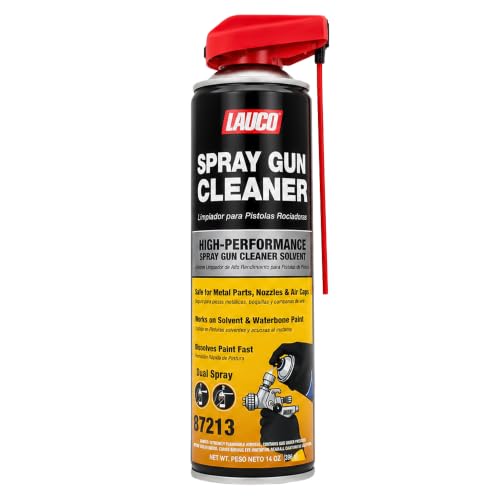
The LAUCO Spray Gun 1 is a 14 oz aerosol solvent cleaner made for spray guns and related equipment. It is formulated as a powerful solvent that quickly removes paint, residue and buildup. The design targets professional-grade performance in demanding environments, so it is aimed at people who clean guns regularly.
One of its strengths is versatility across coating types. It effectively cleans both waterborne and solvent-based coatings, which makes it useful in automotive, industrial and workshop settings. Instead of keeping separate cleaners for different paints, you can reach for one can.
The formula is engineered to break down paint instantly, which saves time and effort compared with traditional cleaning methods. That speed also reduces downtime between jobs, so you can get back to spraying sooner. For a busy shop, that kind of efficiency adds up over a working day.
It is safe for use on metal parts, nozzles, air caps and internal components. That means you can clean the delicate areas of the gun without reaching for a different product. Keeping those parts clean helps extend the life of your spray equipment.
The can features dual spray modes, giving you both wide coverage and targeted cleaning. The wide mode handles larger surfaces, while the targeted mode reaches tight internal passages and hard-to-clean areas. Having both options in one aerosol makes it a flexible tool for routine maintenance.
This cleaner suits professionals and serious workshop users who want a quick, powerful aerosol option. It handles mixed coating types and reaches the internal parts that matter most. If speed and convenience are priorities in your cleaning routine, the LAUCO Spray Gun 1 is worth considering.
Our Testing Process: Why These Rankings Are Different
The point of this section is to look past the marketing language on the box. Cleaner products often promise fast results and universal compatibility, but what matters is whether they actually dissolve dried paint, protect seals and work with the sprayer you own. We focused on the details that affect real cleaning jobs.
Each product was evaluated on its specifications, materials and build quality, and patterns in owner feedback. We also weighed brand reputation and overall value, and compatibility with common spray gun and paint pump designs mattered most. The High Power Spray Gun and the Spray Gun Cleaning Kit stood out in this evaluation for how well their specs and owner feedback lined up with the claims.
The price range compared was broad, from budget bottles to larger workshop sizes. A higher price did not always mean a better result, since some cheaper options matched pricier ones on the details that count. What mattered was the right formula and format for the job, not the size of the price tag.
The aim here is guidance you can trust, built on research and evaluation rather than guesswork. We compared what the data says about each cleaner and left out anything we could not support. That way you can choose based on facts, not slogans.
Complete Buyer’s Guide: How to Choose Cleaner for Paint Sprayer
Understanding Why Paint Sprayers Need Proper Cleaning
Paint left inside a spray gun or pump will harden and clog the smallest passages, and performance drops fast once that happens. A quality cleaner dissolves fresh paint before it sets and flushes residue from the nozzle, needle and fluid channel. A formula matched to your coating type matters, because a cleaner that works on latex may not touch a cured urethane or epoxy.
Key Features to Look For
Start with compatibility , since the cleaner must suit both the coating you sprayed and the materials inside your gun. Look for a formula safe on aluminium, stainless steel and common seals, and check whether it needs dilution or ships ready to use. A cleaning kit with brushes and needles adds real value, because liquid alone will not shift packed pigment from tight corners.
Types of Cleaner Compared
Water-based cleaners suit latex and acrylics, while solvent blends cut through oils, enamels and two-part products. Some options arrive as concentrates for mixing, others as ready-to-use sprays or wash solutions. Kits such as the Spray Gun Cleaning Kit and the Spray Gun Cleaning Multi-Purpose bundle tools with fluid, while Master Airbrush Cleaner and LAUCO Spray Gun Cleaner focus on the flushing step itself.
How to Use Cleaner for Best Results
Flush the gun with cleaner the moment you finish spraying, before paint has a chance to skin over. Run the fluid through the passage, then strip the nozzle and needle and scrub them with the kit brushes . Finish with a clean rinse and a light lubricant on moving parts, and never let cleaner sit inside the gun for long periods.
What to Avoid
Avoid harsh solvents on seals and plastic parts unless the manufacturer confirms they are safe, as swelling and cracking can follow. Never mix cleaners together, and never pour used solvent back into a fresh container. Skipping the scrub step is another common mistake, because flushing alone leaves hardened paint in the air cap and needle seat .
Matching Cleaner to Your Spray Setup
A small touch-up gun such as the High Power Spray Gun or Moon Roses Spray Gun needs only a modest amount of cleaner and a fine brush set. A larger unit like the Wagner Spraytech Paint Sprayer or a pump fed by Paint Pump Wash benefits from a stronger flush and a bigger volume of solution. For urethane or similar coatings, use a dedicated product such as LiME LiNE Urethane Spray rather than a general purpose wash.
When to Expect Results and How to Maintain Cleaner
You should see clean fluid and an unobstructed spray pattern after one thorough flush and scrub, though neglected guns may need a soak first. Store cleaner in a sealed, labelled container away from heat, and keep the kit brushes dry between uses. Replace or top up your solution regularly, and clean the gun after every session so the formula keeps doing its job.
Best Cleaner for Paint Sprayer FAQs
Are There Any Cleaner for Paint Sprayer Products That Work on Dried Paint?
Most standard cleaners are designed for wet paint and struggle once residue has cured. A stronger solvent based cleaner for paint sprayer can soften thin dried films if left to soak. Thick hardened paint usually needs mechanical removal, not just a soak.
Soak removable parts like the tip, filter and gun head in the cleaner for the time stated on the label. Do not leave seals or plastic parts soaking longer than recommended, as they can swell. After soaking, brush gently and rinse thoroughly.
For the pump and hose, a long soak is not practical, so prevention is better than cure. Flush immediately after every job and never store the sprayer with paint inside. If a blockage persists, a professional service may be the safest option.
Are There Any Tips for Choosing a Cleaner for Paint Sprayer?
Match the cleaner to the paint first, since a water based product will not touch oil based residue. Check the sprayer manual for the maker’s approved fluids and any warranty conditions. A cleaner that suits both the paint and the pump saves a lot of trouble.
Look at the label for dilution ratios and whether it needs rinsing after use. Some cleaners leave a film that must be flushed out before the next job. Also check the storage temperature range, because some solvents degrade in a cold garage.
Buy a size that suits how often you spray, since opened containers lose strength over time. Concentrates are cheaper per litre but need careful mixing. A ready to use bottle is simpler for occasional users.
Can I Use Water as a Cleaner for Paint Sprayer with Oil Based Paints?
No, plain water will not break down oil based paints and can make the problem worse. Oil based products need a solvent based cleaner for paint sprayer that matches the paint thinner recommended on the tin. Water simply pushes the paint around and leaves an oily film inside the pump.
If you flush an oil based unit with water, any remaining paint can turn tacky and clog the small passages. Always use the thinner or solvent named by the paint maker, then follow with a clean solvent rinse. This lifts the residue and carries it out of the system.
For water based paints the opposite applies, and warm water with a little detergent works well. Flush until the liquid runs clear, then run clean water through to remove soap.
How Do I Use a Cleaner for Paint Sprayer Properly?
Start by removing the tip and filter, then pour the cleaner into a bucket and place the suction tube in it. Set the sprayer to a low pressure and circulate the fluid back into the bucket, not through the gun. This loop loosens paint inside the pump and hose before you flush the gun.
Next, trigger the gun into the bucket until the fluid runs clear and free of paint specks. Then rinse the system with clean water or fresh solvent to remove the loosened residue. Finally, clean the tip and filter by hand and reassemble everything.
Always follow the cleaner label for dilution and contact time, and never mix different cleaners together. Wear gloves and eye protection, and work in a ventilated space. A quick flush after every job is far easier than a deep clean later.
How Long Should a Cleaner for Paint Sprayer Be Left in the System?
For a routine flush, the cleaner only needs to circulate for a few minutes until the fluid runs clear. There is no benefit in leaving it in a working sprayer for hours. Follow the label contact time, which is often short for everyday cleaning.
For soaking removable parts, the label may recommend anywhere from a few minutes to several hours. Never exceed that time, especially for rubber seals and plastic components. Over soaking can cause swelling or cracking that leads to leaks.
If you are storing the sprayer for a long period, check the manual for the recommended storage fluid. Some makers advise a light coat of suitable oil rather than cleaner. Always flush the cleaner out before the next use.
What Are the Best Cleaners for Paint Sprayer If I Want a Low Odour Option?
Low odour options are usually water based cleaners for water based paints, which smell mild and need little ventilation. For solvent paints, some makers offer low VOC solvents, but check the label for the paint types they suit. Never assume a low odour product is safe for every finish.
Read the safety data and confirm the cleaner matches your paint and pump. Low odour does not always mean low hazard, so gloves and eye protection still matter. Work in a ventilated area regardless of the smell.
If you spray indoors often, water based paints with a matching mild cleaner are the simplest choice. For oil based work, plan the cleaning step outdoors or in a well aired space. Always store cleaners sealed and out of reach of children.
What is a Cleaner for Paint Sprayer Used For?
A cleaner for paint sprayer is a fluid made to dissolve and flush out paint residue from the pump, hose, gun and nozzle. Water based paints need a water based cleaner, while solvent paints need a solvent based one. Using the right type keeps the internal passages clear and stops hardened paint from blocking the flow.
The cleaner also lubricates moving parts during the flush and helps protect seals from drying out between jobs. It works best when run through the sprayer straight after a project, before paint has time to cure.
Left too long, residue can set hard and become very difficult to shift. You can use a cleaner for paint sprayer on most airless and HVLP units, but always check the manual for the maker’s recommendation.
Which Cleaner is Best for Paint Sprayer When Switching Between Paint Types?
When you switch from oil based to water based paint, flush with a solvent first, then follow with warm soapy water. Going the other way, flush with water first, then use a solvent cleaner for paint sprayer. Two stage flushing removes both kinds of residue and prevents cross contamination.
Never skip the second stage, because traces of one cleaner can react with the new paint. Run the flush until the liquid is completely clear before adding fresh paint. A final rinse with clean fluid of the new type is a good habit.
Check the manual for any parts, such as seals, that are sensitive to certain solvents. Some pumps tolerate a wide range, while others need a specific fluid. If in doubt, use the maker’s own recommended cleaner.
Final Verdict
Based on our research and data analysis, a good cleaner should match the mess you actually make. Moon Roses Spray Gun suits anyone who wants quick daily rinses and simple upkeep between small jobs. LiME LiNE Urethane Spray serves a different need, handling tougher urethane residue with steady cleaning power for heavier projects. Neither product is meant to win everything, and that is fine. Match the cleaner to your paint and your routine, and the job gets easier.