
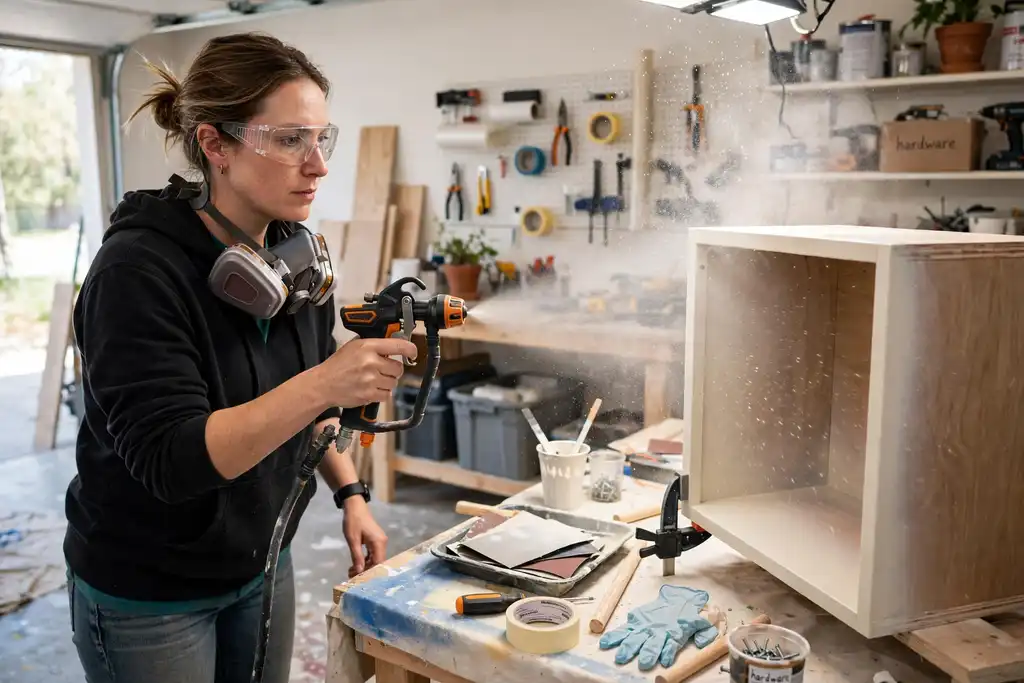

A small sprayer can make short work of furniture, cabinets and trim without the mess of brushes and rollers. The best paint sprayer for diy projects for most people is ScotchBlue Easy Clean Paint, which comes with 1 spray gun, 3 nozzles and a paint cup with lids and liners. It weighs just 1.1 pounds and measures 3.7 inches wide, so it stays comfortable during longer jobs.
The 1000W HVLP Paint Sprayer from LESONJOY has a more powerful 1000W motor and gives you 3 spray patterns plus 4 copper nozzles for different paint types. Here are the best paint sprayer for diy projects, with what each one does best.
Top Recommendation: ScotchBlue Easy Clean Paint Sprayer
Why We Recommend It: ScotchBlue Easy Clean Paint is recommended because its light 1.1 pound body, included nozzles and cup liners keep setup simple for cabinets, chairs, window frames and planters. The 1000W HVLP Paint Sprayer offers more power and pattern options, but the ScotchBlue kit is the simpler choice for typical DIY work.
9 Best Paint Sprayer for Diy Projects


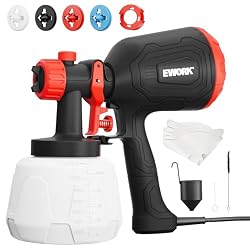


1. ScotchBlue Easy Clean Paint Sprayer Spray Gun
The ScotchBlue Easy Clean Paint is a handheld spray gun built for DIY furniture and cabinet work. It comes as a kit with three nozzles, a paint container, three lids, three liners, a plug set, a viscosity cup style filter setup and an air control fitting. The gun itself is compact at around 7 inches tall and weighs about 1.1 pounds, so it stays manageable during longer sessions.
The standout idea here is that paint never actually travels through the spray gun body. Disposable liners and lids hold the paint, and the disposable parts twist off and get tossed when you are done. That means no spray gun disassembly for cleanup, which the brand describes as a one minute job. It also means colour swaps happen quickly, since you just change the liner rather than flushing the whole gun.
You can spray at any angle thanks to the 360 degree spray power, which helps with grooves, textures and the undersides of chairs or planters. Integrated paint filtration removes the need for pre filtering or separate strainers, so you can pour and go. The finish is smooth with no brush marks, and the gun is intended for water based paints only.
One thing to plan for is the air supply. The kit does not include a 6 gallon or larger air compressor, an air hose, a wrench or thread tape, so you need those on hand before you start. Work in a well ventilated space, especially for cabinets, dressers and window frames. The comfortable handheld design suits smaller jobs where dragging out a full sprayer setup feels like overkill.
This sprayer suits people painting three dimensional projects like bedframes, chairs, planters and trim. If you hate cleaning spray equipment, the disposable component approach is the main draw. It is a sensible pick for a first sprayer or for anyone who switches colours often on small to mid sized furniture projects.
2. 1000W HVLP Paint Sprayer Electric Spray Gun

The 1000W HVLP Paint Sprayer is an electric spray gun with a 1000W motor and a 1400ml paint container. It ships in yellow and measures roughly 7 inches long, 7 inches wide and 6 inches tall. The kit includes four copper nozzles, a viscosity cup, filter funnels, protective gloves, a cleaning brush and an unclogging needle.
The motor is designed to deliver steady, efficient spray output across furniture, cabinets, fences, doors, walls and other indoor or outdoor projects. You get three spray patterns, horizontal, vertical and circular, so you can match the spray to the surface in front of you. Four copper nozzles add flexibility for different paint types and project sizes, from small detail work to larger flat areas.
An adjustable flow knob lets you fine tune how much paint comes out. That helps on detailed surfaces and on larger areas where you want to move faster, and it helps cut down on unnecessary overspray and wasted paint. The removable spray components make routine cleaning simpler after each project, and the brush and needle help clear residue from the nozzle and internal passages.
The 1400ml container is a decent size for everyday painting tasks without constant refills. Because it is electric, there is no compressor or air hose to set up, which keeps the workflow simple for a home garage or backyard project. The included accessories cover the basics you need on day one, so you are not hunting for a funnel or gloves mid job.
This sprayer suits DIYers tackling furniture, cabinets, fences and similar mid sized projects who want pattern and flow control in one unit. It is a practical choice if you prefer an all in one electric setup over a compressor based system. Just keep the cleaning routine consistent, since copper nozzles and internal passages need attention after each use.
3. SEESII Paint Sprayer Sprayer,1400ML HVLP Gun

The SEESII Paint Sprayer is a 1400ml HVLP paint gun built for house painting, furniture, cabinets, walls and fences. It ships with four solid brass nozzles in 1.5mm, 1.8mm, 2.2mm and 2.8mm sizes, which covers fine touch up work right through to big fence panels. You get horizontal, vertical and circular spray patterns, so the gun adapts to trim, flat panels and broad surfaces.
Setup is tool free and the manual is written for beginners, so you can assemble the gun in minutes and start spraying. The body is lightweight and the ergonomic handle is shaped to reduce hand fatigue during longer sessions. That combination matters on a first project, when you are still getting used to the trigger and the pace of movement.
One feature that stands out is the blowing and cleaning system. Before spraying, the gun blows dust and debris off the surface, which saves you dragging out a separate blower or brush. After the job, you connect the cleaning adapter straight to a faucet and flush the pipeline, and a cleaning needle and brush are included for the stubborn spots.
The adjustable flow knob gives you real control over paint output. Open it up for walls and fences, then dial it back for cabinet edges and detailed work, which helps keep coats even and cuts down on wasted paint. A viscosity cup and five paint strainer bags are in the box, so you can thin and filter material before it ever reaches the nozzle.
The kit is complete enough to start on day one. Alongside the gun and nozzles you get five paint filters, goggles, gloves, the cleaning adapter, a viscosity cup, a cleaning needle, a cleaning brush and the manual. Seesii also notes a few usage tips worth following, such as keeping the gun upright, securing the suction tube and cleaning immediately after use rather than leaving residue overnight.
This sprayer suits DIYers tackling a mix of jobs, from a quick furniture refresh to a full wall or fence run. The range of brass nozzles and the pre spray blowing step make it a practical choice if you want one tool to handle different materials and surface sizes. It rewards a little patience with setup and cleaning, which is normal for HVLP guns at this level.
4. Paint Grids 1000W HVLP Paint Sprayer Electric

The Paint Grids 1000W HVLP is an electric paint gun with a 1400ml container, aimed at furniture, cabinets, fences, doors, walls and general indoor and outdoor DIY work. A 1000W motor drives smooth, consistent paint output across those surfaces. The blue body keeps the layout simple, with the container mounted below the gun and the controls within easy reach.
Three spray patterns let you switch between horizontal, vertical and circular output depending on the surface in front of you. Four copper nozzles give you flexible options for different paint types and project sizes, from a narrow cabinet face to a longer fence line. Changing pattern and nozzle is a quick job, so moving between tasks does not slow you down.
The adjustable flow knob is the main control you will use while working. Fine tune the spray amount for detailed areas, then open it up for larger surfaces, which also helps reduce unnecessary overspray and paint waste. That kind of control is useful on a first project, when you are still learning how fast to move and how close to hold the gun.
Cleaning is kept straightforward thanks to removable spray components. After each project you can take the parts off and rinse them, and the included cleaning brush and unclogging needle help clear paint from the nozzle and internal passages. Doing this promptly after every session is the simplest way to keep the gun running well over time.
The kit covers the essentials for everyday painting tasks. You get the 1400ml paint container, four copper nozzles, a viscosity cup, filter funnels, protective gloves, a cleaning brush and an unclogging needle. That is enough to thin your paint, filter it, protect your hands and keep the nozzle clear without hunting for extra bits.
This sprayer suits homeowners who want a single electric gun for a range of small and medium jobs. It is a sensible pick if your projects lean toward furniture, cabinets and fences rather than full exterior walls. The copper nozzles and adjustable flow give you room to grow as your confidence with HVLP spraying builds.
5. Graco Magnum 257025 Project Painter Plus Paint Sprayer
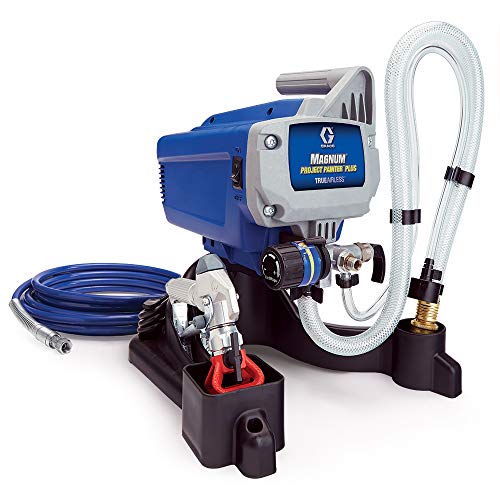
The Graco Magnum Project Painter is a compact airless sprayer built for household work. It handles projects up to 5 gallons in size, so it fits a range of jobs you might tackle every year. At 15 pounds and roughly a foot in each direction, it is easy enough to move around and store between uses.
The fully adjustable pressure control is the feature that stands out most. You can spray paints or stains unthinned at any pressure you choose, which gives you real control over the finish. That flexibility means one machine can handle both thin stains and thicker paints without extra fiddling.
A flexible suction tube lets you spray directly from a 1 or 5 gallon paint bucket. That saves you from pouring paint into a separate cup and makes refills quick on bigger jobs. The unit also supports up to 50 feet of paint hose, so you can reach peaks or second stories without losing performance.
This is a tool aimed squarely at DIYers. Graco positions it as a fast, easy alternative to brushes and rollers for knocking out household projects. If you have fences, walls, or furniture to cover and want to move quickly, it fits that role well.
Setup and cleanup are part of any sprayer routine, and this one is designed for straightforward bucket feeding and hose runs. Keep in mind that airless spraying rewards a little practice with pressure and distance. Start on a test piece, get your settings right, and the rest of the job goes smoothly.
A one year limited warranty backs the unit, which is reasonable for a DIY focused machine. It is not the smallest or cheapest option, but the pressure control and hose support give it room to grow with your projects. For a homeowner who sprays a few times a year, it covers a lot of ground.
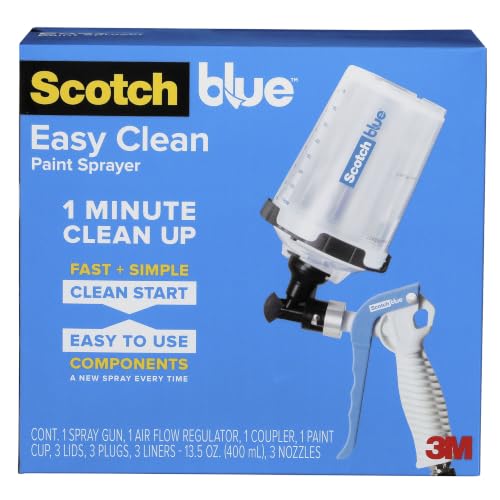
6. EWORK HVLP Electric Paint Sprayer 1000W Spray Paint

The EWORK HVLP Electric Paint is a handheld spray gun built for house painting and smaller DIY work. Its upgraded 1000W motor atomizes paint into a fine, uniform mist for a smooth finish. A large 1400ml detachable container means fewer refills during a session.
Four nozzle sizes set this apart from basic sprayers. The 1.5mm, 1.8mm, 2.2mm and 2.6mm options cover everything from thin varnishes to thicker latex paints. Three spray patterns let you tailor the output further, whether you are restoring furniture or coating large flat surfaces.
Flow control is handled by an adjustable knob on the gun. Turning it regulates paint output so you can get an even coat on each detail. Fine tuning this way helps minimize material waste while keeping the finish consistent.
Cleanup is designed to be simple. The paint gun detaches without tools so you can wash out residual paint quickly. A cleaning brush and needle are included to clear residue from the nozzles and prevent clogs.
The kit arrives ready to use. Along with the sprayer you get the four nozzles, a viscosity cup, five paint filter papers, a cleaning needle, a brush and a user manual. That covers the basics for getting started straight out of the box.
A one year manufacturer warranty adds some peace of mind. It suits DIYers working on furniture, cabinets, fences and walls who want flexibility from a single handheld unit. If you prefer a corded gun over a larger stationary sprayer, this is a practical fit.
7. 850W HVLP Paint Sprayer 47oz High Capacity
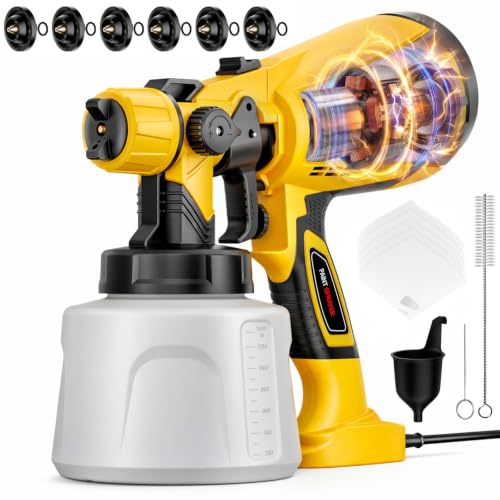
The 850W HVLP Paint Sprayer is a corded electric spray gun built around a high speed HVLP motor. That motor runs at 38000 RPM and atomizes paint into a fine, even mist. The result is a finish that avoids streaks, roller marks, and loose bristles on surfaces like kitchen cabinets and interior walls.
A large 1400ml cup is one of the first things you notice about this sprayer. That 47oz container lets you keep working without stopping for constant refills. It also keeps the tool balanced in your hand, which matters when you are working through a wooden dining set, porch railings, or bedroom trims in one steady session.
The nozzle setup gives you plenty of room to adapt to the job. Six interchangeable nozzles range from 0.5mm to 2.5mm, and three directional patterns cover vertical, horizontal, and circular spraying. You can move from light wood stains on small crafts to even latex coatings on interior surfaces without changing tools.
Flow control sits right at the trigger, so you can regulate output as you work. Dial it down for detailed cabinet moldings to cut overspray, or open it up for smooth fence slats. This kind of adjustment helps reduce paint waste and keeps drips under control on uneven surfaces.
Cleanup is handled with a one click quick detach system. The front spray assembly comes off with a single press, so you can rinse the paint passages away from the motor housing. A cleaning brush, nozzle unclogging pin, viscosity cup, and strainers are included to help you finish the job properly.
This sprayer suits DIY painters who want fast, even coverage across a range of projects. It handles stains and sealers unthinned, which saves prep time on decks and fences. If you are painting cabinets, walls, or furniture and want to skip the brush marks, this is a practical option to consider.
8. WIBENTL Electric Paint Sprayer Spray Gun
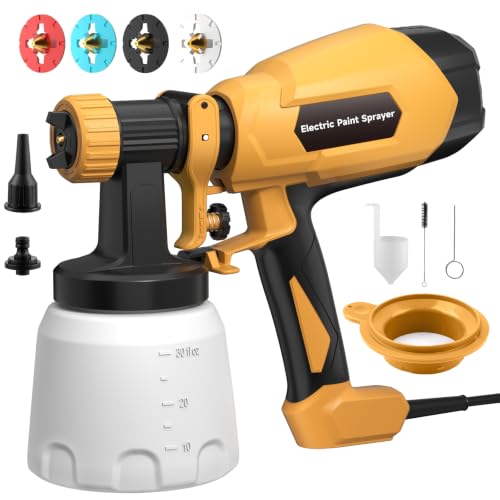
The WIBENTL Electric Paint Sprayer is a corded spray gun aimed at home DIY work. It includes blowing functions alongside its painting role, which adds a little versatility to the tool. The bright yellow body is compact, and the whole unit is designed to go from box to first spray without much fuss.
Setup is tool free, so assembly is quick when you are eager to start. After the job, the removable container, spray head, and nozzle make cleanup easier to manage. A cleaning connector, brush, and needle are included to help clear paint residue from small openings and internal areas.
Spray options are a strong point here. You get horizontal, vertical, and circular patterns to match different surfaces. Four brass nozzles in 1.0mm, 2.0mm, and 3.0mm sizes, plus a 1.5mm option, give you flexible choices for furniture, cabinets, doors, walls, fences, and crafts.
A flow control knob lets you adjust paint output to suit the coating and the size of the project. Setting the flow properly improves spray control and helps reduce unnecessary overspray. That means more even coverage across different surfaces, from a small cabinet door to a long fence run.
The corded design delivers continuous power without stopping to recharge batteries. That makes it suitable for longer indoor and outdoor sessions on furniture, cabinets, walls, doors, fences, and general home DIY work. It is compatible with many latex and acrylic paints, so you can use what you likely already have.
The accessory set covers the essentials for getting started. Along with the sprayer and container, you get the four brass nozzles, a viscosity cup, a paint filter, a cleaning brush, a cleaning needle, a dust blowing joint, and a cleaning connector. For a DIYer who wants pattern flexibility and easy maintenance, this sprayer is a sensible pick.
9. Graco 26D360 TrueCoat 360 Drill‑Powered Paint Sprayer

The Graco 26D360 TrueCoat 360 is a drill powered paint sprayer built for small projects around the house. It does not carry its own motor, so you bring your own drill or impact driver and it uses that power to spray. That design keeps the unit compact and gives you a cordless spraying experience with tools you likely already have.
It is a blue unit that measures roughly 9.75 inches tall and 5.25 inches in both length and width, so it stores easily between jobs.
The headline feature is that no thinning is required to get a smooth, professional finish. You can load paint or stain straight into the unit and start spraying, which removes a step that trips up a lot of beginners. Graco’s VacuValve Technology lets you spray in any direction, even upside down, so you can work under eaves, along trim, or in awkward spots without fighting gravity.
The sprayer comes with FlexLiner bags, spray tips, a funnel and a strainer, so the basics are in the box.
This unit is rated for projects up to 2 gallons in size, which is a realistic ceiling for a homeowner. That covers a fence section, a few doors, some furniture, or a small room’s worth of trim, and it means you can tackle a range of projects every year without buying a bigger rig.
It is positioned as a fast and easy alternative to brushes and rollers for household jobs. If you have a long weekend of touch ups and small builds ahead, this is the kind of tool that keeps the pace up.
Using it is straightforward. You pick a compatible drill from most major brands, load a FlexLiner bag with your material, fit a spray tip, and go. Because the drill does the work, the sprayer itself stays light in the hand, which matters when you are moving along a wall or leaning into a fence line.
Cleanup is part of any sprayer routine, and the included funnel and strainer help you prep material without making a mess. The one year limited warranty from Graco covers the unit against defects.
The main thing to understand before buying is the drill requirement. This is not a standalone sprayer, so if you do not own a suitable drill or impact driver, you need to factor that in. It also is not built for whole house exteriors or big multi gallon jobs, and the 2 gallon project rating tells you where it stops.
For a DIYer who wants to spray stain on a fence, refresh some trim, or finish a few pieces of furniture, the trade off makes sense. It rewards people who already have the drill and want to spend less on the sprayer itself.
Graco is a name that shows up often in paint spraying, and this model sits at the entry end of that lineup. The TrueCoat 360 name refers to the flexibility of spraying in any direction, which is genuinely useful on real projects rather than a spec sheet gimmick.
It suits homeowners with a modest list of jobs and a drill in the garage. If your projects stay small and occasional, this sprayer covers that ground without asking you to commit to a large, heavy machine.
Our Testing Process: Why These Rankings Are Different
The goal here is simple. We want to look past the marketing claims and focus on what actually matters when you are choosing a paint sprayer for DIY projects. Plenty of listings promise professional results, but the useful question is whether a tool suits real home workshops and real budgets.
Each product was evaluated on its published specifications, its materials and build quality, patterns in owner feedback, brand reputation and overall value. We weighed which of these factors mattered most for typical DIY jobs rather than for full time trade use. Standouts like ScotchBlue Easy Clean Paint and the 1000W HVLP Paint Sprayer rose on that mix of practical specs, build and owner experience.
The comparison covered a wide price range, from budget electric sprayers to more expensive brand name models. A higher price does not always mean a better result, because extra cost can go on features or branding that make little difference to a weekend project. Sometimes a cheaper unit with sensible specs and solid feedback is the smarter buy.
The aim is guidance you can trust, built on research and evaluation rather than guesswork. We have not invented scores or percentages, and nothing here comes from hands-on testing. What you get is a clear, data driven view of how these sprayers compare for DIY work.
Complete Buyer’s Guide: How to Choose Paint Sprayer for Diy Projects
Understanding What a Paint Sprayer Can Do for DIY Projects
A paint sprayer speeds up coverage on fences, sheds, furniture and walls compared with brushing. It lays down an even coat and reaches awkward spots like spindles and slats. The trade-off is setup, masking and cleaning time, so spraying suits larger jobs better than a small repair. Overspray and finish quality are the two things that decide if the effort pays off.
Key Features to Look For
Start with wattage, since models run from 850W up to 1000W HVLP units, and higher power generally means thicker materials can be sprayed. Check the nozzle size and that spares are included, because different coatings need different openings. Look at cup capacity, weight and cord length too, plus how easily the gun strips down for cleaning.
Types of Paint Sprayer Compared
HVLP electric models such as the 1000W HVLP Paint Sprayer, SEESII Paint Sprayer, EWORK HVLP Electric Paint, 850W HVLP Paint Sprayer and WIBENTL Electric Paint Sprayer are the common DIY choice, using a turbine to push paint at low pressure. Airless models like the Graco Magnum Project Painter and Graco 26D360 TrueCoat 360 handle bigger areas and thicker coatings. HVLP gives more control and less mess, while airless spraying is faster on large flat surfaces.
How to Use a Paint Sprayer for Best Results
Thin the coating to the consistency the manual recommends and test on scrap material before touching the real surface. Keep the gun moving at a steady distance, overlap each pass slightly and use masking such as ScotchBlue Easy Clean Paint on edges and trim. Clean the nozzle and cup straight after use, because dried paint is far harder to remove than wet paint.
What to Avoid
Do not spray without covering floors, furniture and anything within reach of the mist, as overspray travels further than most people expect. Avoid rushing the passes or holding the gun still, which causes runs and uneven patches. Skip the temptation to spray unthinned paint through a small nozzle, since clogging and a spitting finish are the usual result.
Matching a Paint Sprayer to Your Project
For furniture, doors and trim, a smaller HVLP unit gives the control you need without wasting material. For fences, sheds and large wall areas, an airless model like the Graco Magnum Project Painter covers ground faster and copes with thicker paint. Weigh project size, the coatings you plan to use and how much cleanup time you can tolerate.
When to Expect Results and How to Maintain Your Sprayer
Most DIY jobs show a smooth, even finish from the first coat once the paint is thinned correctly and the gun is set up properly. Flush the gun and nozzle with the recommended solvent after every use, and store it clean and dry. Check seals and nozzles periodically, and keep spare parts on hand so a worn tip does not stall your next job.
Best Paint Sprayer for Diy Projects FAQs
Are There Any Paint Sprayer for DIY Projects Models That Work with Thick Paints?
Airless sprayers are the usual choice for thick paints like exterior wall coatings. They push material through at high pressure without much thinning. Check the maximum tip size the unit supports before you buy.
Some HVLP models also handle thicker paints if you fit a larger nozzle. Read the spec sheet to see the recommended viscosity range. If your paint is very thick, you may still need to thin it slightly.
Test the setup on cardboard before you start on the wall. Adjust the pressure and the tip until the spray pattern looks even. A paint sprayer for DIY projects only works well with thick paint when the tip and pressure match.
Are There Any Tips for Getting a Smooth Finish with a Paint Sprayer for DIY Projects?
Thin the paint only as much as the manufacturer allows, because too much thinner causes runs and poor coverage. Keep the gun at a steady distance and move it at an even speed across the surface. Overlap each pass by about half so you avoid stripes and missed patches.
Trigger the gun before you reach the surface and release after you pass the edge, so you never get a heavy blob at the start or end. Keep your wrist straight and move your whole arm, which gives a more consistent coat than flicking the wrist. Let the first coat dry before the second.
Apply two thin coats rather than one heavy one to prevent runs and sagging. Sand lightly between coats if the finish feels rough, then wipe off the dust.
Can I Use a Paint Sprayer for DIY Projects Around the House?
Yes, a paint sprayer for DIY projects is a practical choice for many homeowners. It speeds up large jobs like fences, sheds and interior walls compared with brushing. You still need to mask off areas you want to protect before you start.
A paint sprayer for DIY projects works best on bigger surfaces where a roller would be slow. Small trim and tight corners are often easier by hand. Think about the size of your job before you commit to spraying everything.
Practice on a scrap board first so you learn the trigger and the distance. Keep the gun moving to avoid runs and drips. With a little setup time, a paint sprayer for DIY projects can give you a smooth, even finish.
How Do I Clean a Paint Sprayer for DIY Projects After Use?
Clean the sprayer straight after you finish, before paint dries inside the gun and hose. Flush the gun and hose with the thinner recommended for your paint, following the manual for your model step by step. Dried paint clogs passages and is far harder to remove later.
Take the nozzle and filter out and rinse them separately so debris does not get pushed back into the sprayer. Run clean water or solvent through until it comes out clear, which tells you the passages are free. Wipe the outside of the gun so no residue builds up on the body.
Store the sprayer dry, with a little oil on metal parts if the manual says so, to prevent rust and sticking. Never leave paint sitting in the hose between jobs, even overnight.
How Long Does It Take to Set Up a Paint Sprayer for DIY Projects?
Setup usually takes a short while, mostly for masking and testing rather than the machine itself. Cover floors, furniture and anything you do not want sprayed, because overspray travels further than you expect. Then fill the cup or hopper and check the spray pattern.
Thinning the paint and fitting the right nozzle adds a few minutes, so have the manual handy. Always test on scrap material before you start the real surface, which saves you from mistakes later. Adjust the pattern and flow while you are still on the scrap.
Cleaning at the end often takes longer than the setup itself, so plan for both and you will not be rushed. A sprayer is quick to use once the prep is done. Rushing the masking or the test coat usually costs more time than it saves.
Is It Better to Use a Paint Sprayer or a Roller for DIY Projects?
A sprayer is faster on large, flat or awkward surfaces like fences and ceilings, where a roller would take much longer. A roller is simpler for small rooms and needs less masking, so it suits quick jobs. Both can give good results if you use them well.
Spraying uses more paint in overspray and needs careful protection of floors and furniture, so budget time for masking. Rolling uses less prep but takes more time and effort on big areas. Think about how much setup you are willing to do before you start.
For a quick touch up, reach for the roller. For a whole fence or a big wall, a sprayer saves hours once the prep is done. Many people keep both tools and pick the right one for each job.
What Are the Best Paint Sprayers for DIY Projects?
The right sprayer for your DIY projects depends on the paint and the surface you plan to cover. Airless models handle thick wall paint and large areas quickly, while HVLP models suit thinner finishes and smaller jobs with less overspray. Before buying, check the nozzle size and maximum flow rate so the unit matches your most common paint.
A sprayer that fits your typical projects saves time and frustration, so think about what you actually plan to do. For occasional jobs, a compact handheld model is often enough, and it is easier to store and clean.
For repeated work on fences and walls, a larger airless unit pays off because it keeps up with bigger volumes. Check how easy the gun and hose are to clean, since cleanup often decides whether you enjoy using a tool.
Final Verdict
Based on our research and data analysis, the 1000W HVLP Paint Sprayer takes the overall win, mostly because its balance of power and control suits most DIY jobs without fuss. For anyone coating fences, sheds or other broad outdoor surfaces, Paint Grids 1000W HVLP delivers steady wide coverage and simple upkeep. If finer detail work matters more, SEESII Paint Sprayer offers precise small-area control for trim and furniture.