

To get spray paint off skin, act fast: wash with soap and warm water, then try oil or a mild solvent if needed. Skip harsh scrubbing and acetone on your face.
Clean skin without redness or irritation is the goal, and it starts with the gentlest method first. How to get spray paint off skin safely means using soap and water before stronger options, because your skin is a barrier you want to keep intact. Harsh solvents can strip natural oils and cause burns or dryness, so choose products carefully.
You will learn the step-by-step removal process, from basic soap and water to oil-based methods and solvent options like rubbing alcohol or acetone. Safety comes first: avoid abrasive scrubbing, test products on a small area, and never use industrial solvents on your skin. Follow these steps to remove paint once, without damaging your skin.
- Start with soap and warm water to lift fresh spray paint.
- Use oil or lotion to soften dried paint before washing.
- Apply rubbing alcohol or acetone sparingly, never on broken skin.
- Avoid harsh scrubbing and pumice, which can damage skin.
- Moisturize after removal to restore natural oils and prevent dryness.
How to Get Spray Paint off Skin: the 60-Second Decision Before You Start
Before you touch a rag or bottle, make two quick calls: what kind of paint is on you, and how fragile is your skin right now. Getting those right prevents the two classic mistakes, harsh solvent on broken skin and scrubbing that does more damage than the paint.
| Your situation | What to do | Why |
|---|---|---|
| Fresh, wet spray paint | Blot, then wash with soap and water | Wet paint lifts easily before it cures |
| Water-based acrylic overspray | Warm water, soap, soft cloth | Acrylic thins with water while fresh |
| Oil-based enamel spot | Oil or lotion first, then soap | Oil loosens oil-based paint gently |
| Stubborn cured patch | Rubbing alcohol on a cloth | Solvent breaks down cured film |
| Paint on cuts or rash | Skip solvents, see a clinician | Damaged skin absorbs chemicals fast |
| Sensitive or thin skin | Shortest route, mildest product | Less contact means less irritation |
| Acetone near nails or face | Avoid or use briefly, ventilate | Acetone strips natural oils fast |
Recommended for this job
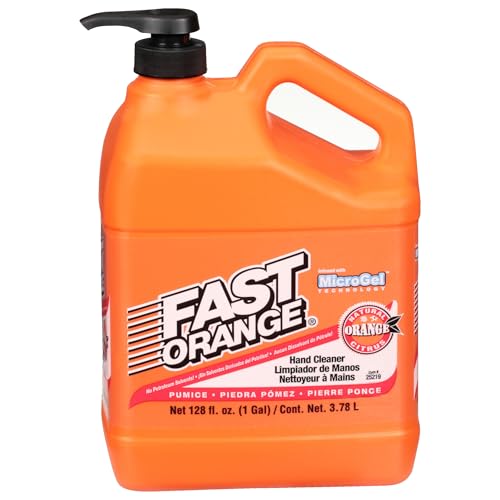
Fast Orange Pumice Lotion
Pumice and citrus formula scrubs heavy paint residue off skin effectively.
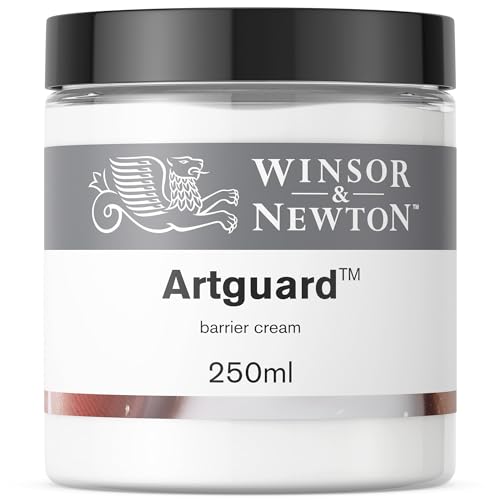
Winsor & Newton Artguard Barrier Cream
Barrier cream shields skin beforehand so paint wipes off more easily.
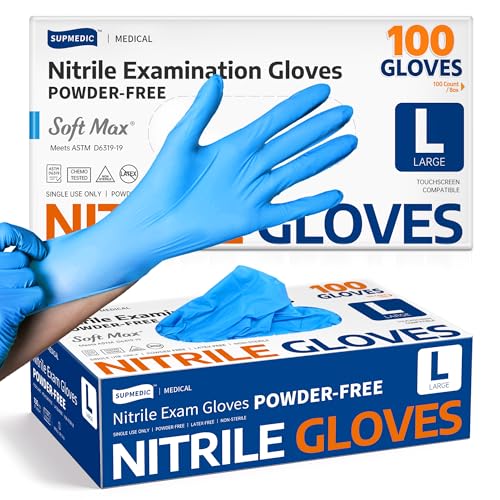
Supmedic Soft Max Medical Nitrile Exam
Wearing gloves prevents spray paint from ever reaching your skin.
Read the label before touching anything: water-based acrylics rinse off with warm water and soap in 1 to 2 minutes, while oil-based enamels need an oil or lotion to break the bond first. Pick the wrong product and you will scrub twice as long.
Water-Based or Oil-Based? Check the Can First
Water-based paint lifts with soap and water while it is still wet, usually within 1 to 2 minutes of washing. Oil-based paint needs an oil-based remover first, because water alone will not dissolve it.
How Sensitive is Your Skin Right Now?
Cuts, rashes, or thin skin near the eyes should never meet a strong solvent, a liquid that dissolves paint on contact. Wash with mild soap instead and let a clinician handle paint near open wounds.
Fastest Safe Route for Your Paint Type
- Blot wet paint with a dry cloth for 10 to 15 seconds, never rub.
- Apply the matching remover: soap and water for acrylic, oil or lotion for enamel.
- Use a soft cloth and light scrubbing for 30 seconds, then rinse and apply moisturizer.
Save acetone and rubbing alcohol for cured spots under 1 inch, and skip pumice on your face or hands.
Pumice is a rough abrasive stone used lightly on hands to scrub away stubborn paint residue after gentler methods fail.
The 5-Minute Check: Paint Type, Skin Condition, and Coverage
Safety means taking precautions like testing products on a small patch and avoiding harsh solvents to keep your skin undamaged.
Read the Label: Acrylic, Enamel, Lacquer, or Aerosol?
Check the can first, because the formula tells you how stubborn removal will be. Acrylic lifts with soap and water in 1 to 2 minutes; enamel and lacquer usually need a solvent like acetone or rubbing alcohol and 3 to 5 minutes of work.
Is the Paint Still Wet or Already Dried?
Wet spray paint wipes off with a dry cloth in under 30 seconds. Once it cures past 10 to 15 minutes, expect an oil-based remover, a soft brush, and 5 to 10 minutes of gentle scrubbing.
Any Cuts, Rashes, or Known Allergies?
Skip solvent on broken or irritated skin, since acetone stings open cuts and slows healing. Patch-test rubbing alcohol on a 1-inch spot of your inner forearm for 10 minutes if you have sensitive skin.
How Much Skin is Covered?
Small splatters under 2 inches are a quick wipe; patches larger than a hand need a gentler, longer routine. Favor oil and soap over harsh solvent when coverage passes palm-sized, and finish with moisturizer.
A moisturizer is a lotion applied after cleaning to restore the natural oils that soap and solvents strip from your skin.
Before you touch a rag or a solvent, run this quick diagnostic so you pick the right method and skip the mistakes that damage skin.
Why Oil Lifts Paint and Water Sometimes Makes It Worse
Oil-Based Paint Needs a Solvent, Not Soap
Oil-based spray paint bonds to skin because it resists water, so soap alone barely dents it. Reach for an oil first, such as olive oil or baby oil, to soften and lift the film. A solvent like rubbing alcohol or acetone works faster but strips your skin’s natural barrier, so use it sparingly and rinse well.
Water-Based Paint Responds to Warm Water and Soap
Warm water and mild soap handle most water-based sprays without harsh chemicals. Soak the area for a few minutes, then wash gently with a soft cloth. Keep the water comfortably warm, not hot, and skip aggressive scrubbing that irritates skin.
Why Abrasion Comes Last, Not First
Pumice and scrubbing pads remove stubborn residue but damage skin if you start there. Try oil, solvent, or soap and water first, then use light abrasion only on what remains. Finish with moisturizer to replace what the removal stripped away.
Before You Start: What to Grab and What to Protect
Ventilation, Gloves, and a Towel You Can Throw Away
Work near an open window or outdoors, and pull on nitrile gloves before you touch anything. A barrier cream on your hands gives the paint one more layer to fight through instead of your skin.
Gather Oil, Soap, Alcohol, and a Soft Cloth
Set out a viscous oil like baby oil or mineral oil, a mild soap, rubbing alcohol, and a soft cloth within reach. Skip abrasive pads and anything labeled pumice until you know your skin can take it.
Test Any Solvent on a Small Patch First
Dab a little solvent, meaning a liquid that dissolves the paint, on a small patch of skin and wait a few minutes. If it stings or turns red, stop and try the oil-and-soap route instead.
- Ventilate the area and wear nitrile gloves before starting
- Apply barrier cream to reduce direct paint contact
- Keep a throwaway towel on hand for cleanup
- Gather oil, mild soap, rubbing alcohol, and a soft cloth
- Avoid pumice and abrasive pads until you know your skin tolerates them
- Patch test any solvent on a small area of skin first
- Stop if a product stings or causes redness
Step-by-Step: How to Get Spray Paint off Skin Safely
Step 1: Wash with Soap and Warm Water First
Lather plain soap and warm water on the painted area for 30-60 seconds to lift loose specks and reveal how much paint bonded.
Step 2: Massage Olive or Baby Oil into the Paint
Massage a dime-sized pool of olive or baby oil into the spot for about a minute, then let it sit 5-10 minutes to soften fresh aerosol paint without drying skin.
Step 3: Wipe with a Soft Cloth, Don’t Scrub
Gently wipe with a soft cloth or cotton pad from the outside inward; scrubbing drives paint into pores and irritates skin. Stop once paint lifts.
Step 4: Dab Rubbing Alcohol or Acetone on Stubborn Spots
Dampen a cotton ball with rubbing alcohol or acetone and dab one spot at a time. Wash with soap and water within a minute, then moisturize.
Step 5: Try Mayonnaise or Peanut Butter for Gentle Lifting
Spread a thick layer of mayonnaise or peanut butter over the paint, wait 10-15 minutes, then wipe with a warm, damp cloth. Repeat once if residue remains.
Step 6: Exfoliate with a Pumice Stone or Sugar Scrub
Mix a tablespoon of sugar with a little oil and massage over the spot, or lightly pass a wet pumice stone over palms and fingers. Rinse well.
Step 7: Clean Paint from Nails and Cuticles Last
After hands are clean, use a soft nail brush with soapy water, dab acetone on nail surfaces only, then apply lotion.
Work from the gentlest method to the strongest so you remove paint without stripping your skin's own barrier.
Stubborn, Dried, or Sensitive Skin: the Second Path
For Dried Paint: Soften, Then Lift in Layers
Hold a warm, damp washcloth on the patch 5-10 minutes, apply oil, wait 10 minutes, then lift thin layers with a soft cloth, never a blade.
For Sensitive Skin: Skip Acetone, Use Oil and Soap Only
Massage cooking oil or lotion into the paint 2-3 minutes, wash with mild soap and warm water, and repeat once if tint remains.
For Commercial Hand Cleaners: Apply, Work in, Rinse
Choose a cleaner labeled for paint or heavy soils, apply a dime-sized amount, work in 30-60 seconds, and rinse with warm water. Repeat once.
For Wipes and Pre-Moistened Towels: When They Actually Help
They work on fresh, thin overspray, not dried patches. Check for acetone or alcohol and keep off cuts. Finish with moisturizer, since removal strips oils.
When a quick pass with soap and water fails, switch tactics instead of scrubbing harder: these four approaches match the product to the paint and the skin.
Real-Life Walkthrough: Aerosol Enamel on Hands After a Garage Project
What the Can Label Told Us
The label should be read first. Aerosol enamel usually lists acetone or xylene as its solvent, telling you what will lift it. Treat skin-contact warnings as your starting point, not fine print.
Oil First, Then Alcohol on the Edges
Start with oil, gentlest and often enough for fresh enamel. Massage olive or baby oil into the skin for a minute or two, then wipe with a cloth. Skip harsh scrubbing, which irritates skin without speeding removal.
For stubborn edges, dab rubbing alcohol on a cotton ball, don’t rub. Acetone works faster but strips natural oils, so limit it to small spots and rinse with soap and water right after. Acrylic paint softens with warm water and soap alone.
Nails, Cuticles, and the Final Moisturize
Soak fingertips in warm soapy water for a few minutes, then gently work paint free with a soft brush or orange stick. Finish every session with moisturizer to replace what the solvent took out.
Quick Checklist: Are You Ready to Start Removing Paint?
Run through this list before you touch a rag. A few minutes of prep prevents the two most common mistakes: spreading paint deeper into a cut and stripping your skin with the wrong product.
- Paint type identified: Check the can or gun label for the base, since a solvent that cuts one formula may barely touch another.
- Skin checked for cuts or irritation: Skip any broken area and let it heal; cleaners burn open skin fast.
- Ventilation and gloves ready: Open a window or work outdoors, and keep gloves on until the last wipe.
- Soft cloth, oil, soap, and moisturizer on hand: Set out a cloth, an oil such as baby or olive oil, mild soap, and a fragrance-free moisturizer before you start.
Troubleshooting: When the Paint Won't Budge
Stubborn paint usually means the method, not the paint, is wrong. Work through these fixes in order, and stop at the first sign of skin irritation.
| Problem | Likely cause | Fix |
|---|---|---|
| Paint still tacky after oil | Oil softened only the surface | Add warm soapy water, work into lather |
| Skin red or burning | Solvent or scrubbing too harsh | Stop, rinse with cool water, moisturize |
| Dried enamel on knuckles | Paint cured before removal | Soften longer with oil, lift gently |
| Paint under nails | Aerosol reached cuticles | Soft brush plus soap, no sharp tools |
| Paint in creases | Thin skin traps pigment | Rubbing alcohol on a cloth, light pressure |
| Sticky residue remains | Solvent evaporated too fast | Reapply oil, wait, then soap |
| Skin dry and flaky | Solvent stripped natural oils | Moisturizer or lotion after rinsing |
Paint Still Sticky After Oil? Add Warm Soapy Water
A tacky film can be left by oil alone because it lifts paint without rinsing it away. Work warm soapy water into the area, lather for a minute or two, then rinse. Repeat once if needed.
Skin Turning Red? Stop and Rinse Immediately
Redness means the solvent or scrubbing is too aggressive. Rinse with cool water for several minutes, skip more solvent, and apply moisturizer once dry. See a doctor if it persists.
Dried Enamel on Knuckles? Soften Longer, Lift Gently
Dried enamel needs more softening time, not more force. Apply oil, wait 10 to 15 minutes, then lift flakes with a soft cloth. Never pick or scrape with sharp tools.
Paint Under Nails? Use a Soft Brush, Not a Pick
A soft brush with soap and water clears most paint from nails and cuticles safely. Avoid acetone soaks near cuticles and never dig with a pick, which can open the skin to infection.
Common Mistakes That Make Spray Paint Removal Worse
Reaching for Harsh Solvents First
Start with the gentlest method that works, not the strongest bottle on the shelf. A solvent is any substance that dissolves another material, and strong ones can strip your skin’s natural oils along with the paint.
Scrubbing Hard Enough to Break the Skin
Use a soft cloth or your fingertips and light pressure only. Scrubbing is a technique for working a surface, not for grinding paint into raw skin, and broken skin turns a simple cleanup into an infection risk.
Skipping Moisturizer After Solvents
Apply moisturizer or lotion as soon as the paint is gone and your hands are dry. Solvents and soap strip oil from your skin, so a plain moisturizer restores that barrier and prevents cracking.
Ignoring the Label and Guessing the Paint Type
Check the can label before you pick a remover. Water-based spray paint often lifts with soap and warm water, while solvent-based formulas may need rubbing alcohol or acetone, so guessing wastes time and irritates skin.
- Start with the gentlest method that works, not the strongest solvent on the shelf.
- Use a soft cloth or fingertips with light pressure; never scrub hard enough to break skin.
- Treat broken skin as a stop sign: cover it and avoid solvent contact there.
- Apply moisturizer or lotion right after removal to restore stripped oil.
- Read the can label or safety data sheet to identify water-based versus solvent-based paint.
- Skip sharp tools like blades or pumice on skin; they cause more damage than the paint.
- Work in a ventilated space and keep solvents away from eyes and open cuts.
When to See a Doctor (and When to Just Prevent It Next Time)
Warning Signs: Spreading Rash, Swelling, Blisters
Stop cleaning and call a doctor if a rash spreads beyond the painted area, swelling tightens the skin, or blisters form, signs of allergic reaction or chemical burn. Also seek help for worsening pain, oozing, or breathing trouble after solvent fumes. Ventilation and quick action matter.
Barrier Cream and Gloves That Save Cleanup Time
Prevention beats removal. Apply barrier cream (a protective lotion that keeps paint from bonding to skin) before spraying, then wear properly sized nitrile gloves. Skip latex if you react to it, and keep gloves on through cleanup.
Eco-Friendly and Non-Toxic Options for Next Time
Choose water-based spray paint when possible, since soap and water handle overspray. Low-VOC formulas reduce fumes. For solvent-free cleanup, use oil-based moisturizer and mild soap instead of harsh chemicals.
Cleaning Paint from Clothing and Surfaces, Not Skin
Keep paint removal off your body. Blot fresh paint from fabric with a rag dampened with the labeled solvent, then wash separately. For hard surfaces, wipe dried overspray with a cloth dampened with the labeled solvent. Test any solvent in a hidden spot first.
Stop and call a professional if:
- Stop if a rash spreads rapidly or covers more than the painted area.
- Stop if swelling, tightness, or blisters appear on the skin.
- Stop if you feel burning pain that gets worse after cleaning.
- Stop if the skin oozes, cracks open, or looks raw.
- Stop if you have trouble breathing or feel dizzy around solvent fumes.
- Stop if paint got into your eyes or mouth; flush and call a professional.
How to Get Spray Paint off Skin: Frequently Asked Questions
?How to Get Spray Paint off Skin When it's Already Dried?
Soften the paint first with an oil or a suitable solvent, then wipe gently with a soft cloth. Dried paint has bonded to the surface, so water alone often spreads the pigment instead of lifting it. Apply a small amount, wait a minute, and wipe in one direction. Repeat in small steps rather than scrubbing hard, which can irritate your skin.
?How to Get Spray Paint off Skin Without Damaging It?
Go in the gentlest order and stop when the paint is gone. Start with soap and water, then an oil like olive or baby oil to loosen the paint, then a small amount of rubbing alcohol or acetone on a cloth. Never scrub hard or use anything sharp. Apply moisturizer afterward because solvents strip your skin's natural oils.
?Can You Get Spray Paint off Skin with Just Soap and Water?
Sometimes, yes, but only if the paint is still wet and it's a light coat. Soap and water work on fresh, thin overspray because the paint hasn't bonded yet. For anything tacky or dried, water alone can spread the pigment around. Wash with soap and water first, then move to an oil or solvent if it doesn't lift.
?How to Get Spray Paint off Skin Without Making It Worse?
Stop scrubbing and use a soft cloth or your fingertips so the oil or solvent can lift the paint. Hard scrubbing pushes paint into your pores and irritates the skin barrier, spreading pigment instead of removing it. Patience removes paint; force removes skin. Work in small sections and give the product a minute to soften the paint before wiping gently.
?What Solvent Gets Spray Paint off Skin Fastest?
Acetone is usually the fastest, followed by rubbing alcohol, but fast isn't always best. Both strip oils from your skin, so use the smallest amount on a cloth and rinse well. For sensitive skin, start with oil instead. Whatever solvent you choose, test a small spot first and keep it away from cuts and eyes.
?is It Safe to Get Spray Paint off Skin with Acetone?
Yes, in small amounts on intact skin, but treat it with respect. Acetone is a solvent, meaning it dissolves other substances, and it will also dissolve your skin's natural oils. Use it in a ventilated area, avoid broken skin, and wash it off promptly. Follow with moisturizer to replace what it stripped.
?When Should You Stop Trying to Get Spray Paint off Skin and See a Doctor?
Stop if the skin is blistered, cracked, bleeding, or spreading redness, or if paint got into a cut or your eyes. Also stop if you feel dizzy or irritated from fumes. Those are signs to get medical help, not to try another solvent. Prevention next time: gloves, long sleeves, and a barrier cream before you spray.
Conclusion
Oil first, then soap and water, remains the safest path for fresh spray paint on skin. A viscous oil is a thick, water-insoluble liquid that loosens the bond, so you avoid aggressive scrubbing, which is a turntablism technique, not a skin-care method. Skip acetone and pumice on your face or any sensitive area, and never mix solvents.
Your next step: if a stubborn patch survives two gentle rounds, test rubbing alcohol on a small spot, then follow with moisturizer or lotion to restore the barrier.