
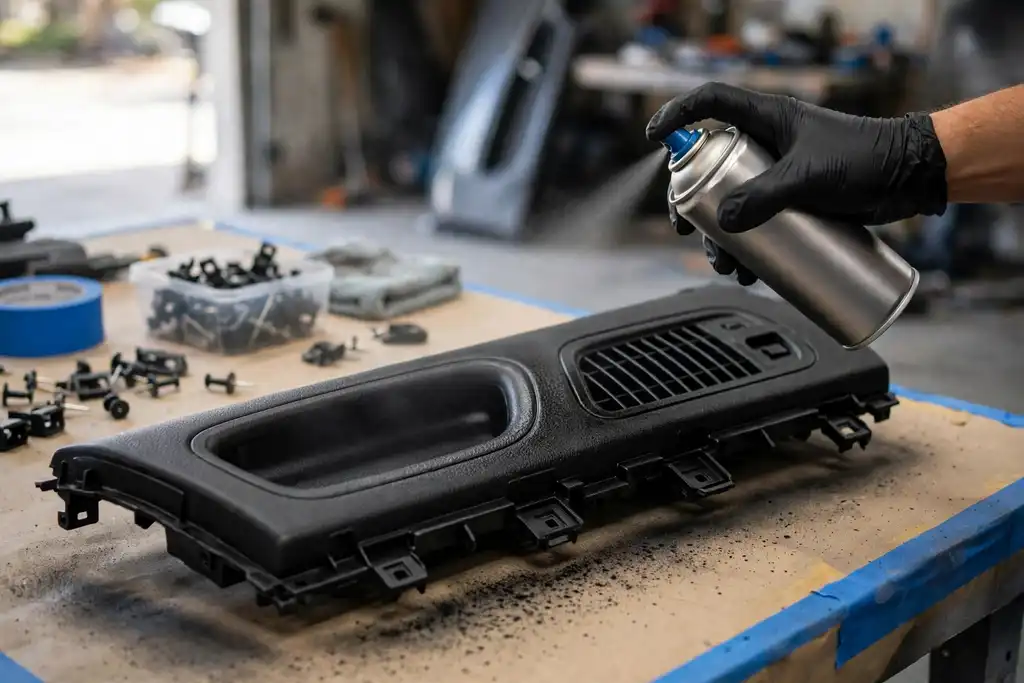
Faded bumpers and dull trim can make an otherwise solid car look tired. Rust-Oleum Automotive Trim & Bumper is the best paint for automotive plastic for many drivers, because its Stops Rust formula fights corrosion while it renews the look of moldings, rub strips and bumper covers. It dries to the touch in 20 minutes and covers 10 to 15 sq. ft. per 11 ounce can.
NADAMOO Trim Black Spray offers strong multi-surface adhesion for rubber, vinyl and plastic, plus UV resistance that holds up from -40°F to 150°F. Read on for the best paint for automotive plastic and the details that set them apart.
Top Recommendation: Rust-Oleum Automotive Trim & Bumper
Why We Recommend It: Rust-Oleum Automotive Trim & Bumper earns the top spot through its Stops Rust formula, 20 minute dry time and 10 to 15 sq. ft. coverage per can. That mix of corrosion protection and fast handling gives it an edge over the NADAMOO spray for typical trim and bumper jobs.
10 Best Paint for Automotive Plastic


1. Rust-Oleum Automotive Trim & Bumper Spray Paint

Rust-Oleum Automotive Trim & Bumper is an 11 ounce aerosol spray in black, made for refreshing the look of metal trim, moldings, rearview mirror covers, bumpers and rub strips. It carries the Stops Rust formula, which is designed to prevent and treat corrosion so the surface lasts longer. The can dries to the touch in about 20 minutes and covers between 10 and 15 square feet.
The finish is matte, which suits trim and bumper work well because it does not draw attention to itself the way a gloss would. That matte surface is also built to resist weathering and wear, so it holds up against sun and road exposure over time. The Stops Rust side of the formula matters on metal parts that are prone to rust, since it both treats existing corrosion and helps prevent new spots from forming.
Application is straightforward thanks to the comfort tip nozzle with any angle spray technology. That any angle feature helps when you are working under a bumper or along a rub strip where a normal upright can would be awkward to aim. The 20 minute touch dry time means you can handle the part fairly soon, though you should still give it proper cure time before heavy use.
Coverage of 10 to 15 square feet per can is worth planning around. If you are doing several pieces, such as all four rub strips plus a pair of mirror covers, measure the area first so you do not run short halfway through. Buying an extra can is cheaper than a mismatched second coat on one side of the car.
This one suits people working on metal trim and bumper components who want a matte black that fights rust. It is a sensible pick for older vehicles where the trim has dulled or started to show corrosion. If your parts are mostly flexible plastic rather than metal, a product built specifically for plastic may be the better match.
2. NADAMOO Trim Black Spray Paint for Plastic

NADAMOO Trim Black Spray is a 13 ounce can of satin finish black paint built for plastic, vinyl and rubber surfaces. It is aimed at both exterior and interior use, so it covers car bumpers, grilles, trim and similar plastic parts. The can holds 450 milliliters and covers about 10 to 12 square feet across two light coats.
The standout point is multi surface adhesion. The formula is engineered to stick to rubber, vinyl and plastic without fuss, which is exactly where many general purpose paints struggle. That makes it useful beyond the car too, since the same can works on faded patio furniture and plastic appliances that have gone chalky.
Weather resistance is another strong feature. The UV resistant black is rated to survive temperatures from -40 to 150 degrees Fahrenheit and is described as resisting fading better than normal black spray paint. That matters for car trim and outdoor furniture that sit in strong sun, where cheap black coatings tend to grey out quickly. A chemical resistant barrier also helps against cleaners, oils, salt and acidic contaminants.
Application is pitched at beginners, with no tools needed beyond the can itself. The spray is designed to avoid drips and streaks and to reach awkward areas, which helps on tight spots like bike frames and car radiator grilles. You do not need to contort your hand to coat hidden edges, and two light coats are the recommended approach for even coverage.
This product suits anyone restoring faded plastic and rubber trim who wants a satin black that holds its color outdoors. It is a good fit for DIYers doing bumpers, grilles and trim on a driveway budget. The interior and exterior rating means one can can handle cabin plastics and outside parts alike.
3. Rust-Oleum Automotive Adhesion Promoter Spray 251572 11

Rust-Oleum Automotive Adhesion Promoter is a clear spray designed to bond topcoats to vinyl, plastic, fiberglass and more. It works on automotive plastics, vinyl, trim, bumpers and fiberglass surfaces. Think of it as the step that helps your color coat stay put instead of flaking away later.
The can dries to the touch in 10 minutes, so you are not waiting around all afternoon between coats. Coverage runs between 10 and 12 square feet per can, which is handy for smaller trim pieces and bumper sections. It is made for both interior and exterior use, so the same can works on cabin plastics and outside panels.
The spray tip has a comfort pad with a wider finger area, which makes long passes easier on your hand. The advanced spray system lets you spray at any angle, so you can reach awkward spots under a bumper or along curved trim. That flexibility matters when you are working around contours instead of flat panels.
Use it as a prep layer before your color coat goes on plastic or vinyl. Clean the surface first, then lay down an even coat of the promoter and let it flash off before painting. The clear finish means it will not change the look of the part underneath.
It comes in an 11 oz can and ships as a single item, so one can is enough for a focused job. The clear color keeps things simple because you do not have to match it to anything. Rust-Oleum backs it with a satisfaction guarantee, which takes some of the risk out of trying it on a new surface.
This one suits anyone painting plastic, vinyl or fiberglass parts who wants better adhesion without adding a visible layer. It is a practical pick for trim, bumpers and interior pieces where topcoat grip is the worry. If your main concern is making paint stick to a slick surface, this promoter is built for exactly that job.
4. Dupli-Color Trim & Bumper Paint, Black, 11 Oz

Dupli-Color Trim & Bumper Paint is a black spray made to renew and protect discolored bumpers and trim. It targets the faded, chalky look that plastic takes on after years of sun and washing. The point is to bring those parts back to a clean black without replacing them.
The formula is built for superior adhesion to plastic, which is the hard part with bumper and trim pieces. A tough durable finish is the other goal, so the renewed look can hold up to weather and normal use. Black is a straightforward match for most factory bumper and trim colors.
It comes in an 11 oz can as a single item, sized for a trim or bumper job rather than a full respray. The compact can is easy to store between touch ups and simple to handle on smaller parts. You get one can, so plan your coverage around the pieces you actually need to refresh.
Prep is the key step with any plastic paint, so clean the part and remove dirt and old dressing before you spray. Apply it in thin, even coats and let each one set before adding the next. The black finish covers discoloration as it goes on, which makes progress easy to see.
This paint suits owners with faded black bumpers, mirror caps or side trim who want a fresh look without buying new parts. It is also a reasonable choice for anyone doing a small cosmetic repair on plastic. The limited warranty covers the product itself, so keep your receipt.
If your plastic trim has gone gray and dull, this is a direct way to restore the color and add protection at the same time. The adhesion and durable finish are the two things that matter most here, and both are what the product is built around. It is a focused fix for trim and bumpers rather than a general purpose paint.
5. LUXFINISH Surface Prep Spray Automotive Degreaser
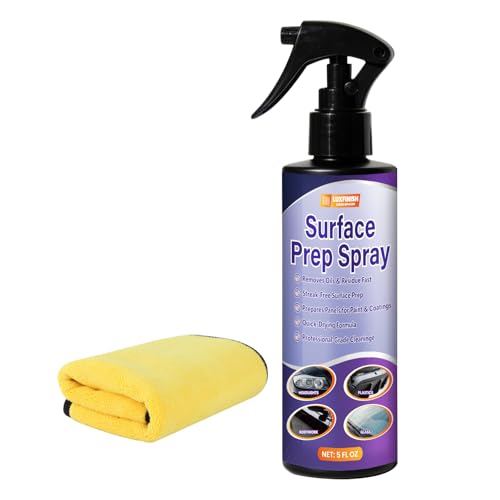
LUXFINISH Surface Spray is a degreaser built for paint prep. It comes in a 150 ml bottle, which is about 5 fluid ounces. The job it targets is the layer of wax, oil, grease and road grime that sits on a surface before you coat it.
The formula is described as paint safe. It is meant to work without harming clear coats, wraps or factory paint, and it is listed as safe on both glossy and matte finishes. The brand says it will not stain, etch or dry out the surface.
What stands out is the residue claim. LUXFINISH says the spray leaves no film and no streaks, just a clean surface. That matters because leftover residue is often what causes a coating to bond unevenly or peel later.
Using it is simple. You spray it directly onto the paint, then wipe. The brand says it lifts old wax, polishing oils, silicone and grime in minutes, with no hard scrubbing and no guesswork. The result is meant to be a stronger bond and a smoother finish for ceramic coating, sealant, PPF or wraps.
It is not limited to painted panels. The same bottle can be used on glass, metal and plastic trim before coatings, adhesives or wraps. That makes it a practical item to keep in a detailing kit rather than a single-purpose product.
This one suits DIY detailers and professionals alike. Anyone applying a coating or sealant who wants a clean base will find it useful. It is a prep step, not a finishing product, so it is best paired with whatever protection you plan to apply afterwards.
6. Greedy Tree Car Plastic Restorer Pro Auto
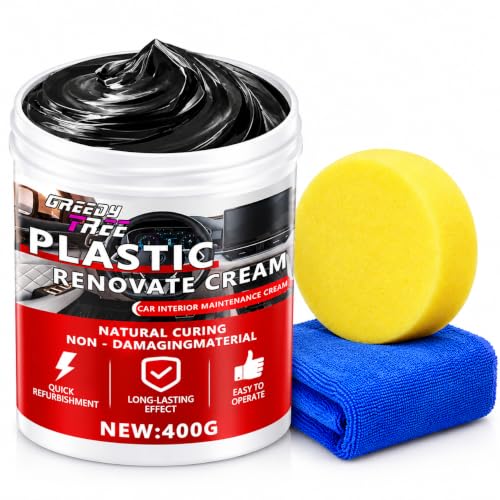
Greedy tree Car Plastic is a renewal paste for automotive plastic, rubber and vinyl. It comes in a 400 g size and is sold as a single item. The product is aimed at restoring the look of parts that have gone white, dull or gray over time.
The formula is described as plant based and mild. Greedy tree says it contains no corrosive substances, irritants or harmful chemical ingredients, and that it is odorless. The idea is to maintain original plastic and rubber parts gently rather than attack them.
Its main job is restoring color and luster. It is meant to fix fading and graying caused by sun exposure and oxidation, bringing back a deep color and a smooth factory finish. Dashboards, door panels, trim strips and bumpers are the parts it is designed for.
UV protection is a big part of the pitch. The paste forms a breathable invisible film that the brand says blocks UV rays, rain erosion and dust. That film is meant to slow yellowing, fading, cracking and brittleness on both interior and exterior parts.
The finish is described as non greasy and dust resistant. Greedy tree says the texture is smooth and non sticky, leaving no oily residue behind. The result is a natural matte look rather than a cheap temporary gloss.
It is a universal product for unpainted plastic and rubber on cars, motorcycles and RVs. No professional tools or skills are needed, just wipe it on for an even, waterproof layer. It suits owners who want to refresh aged trim without a full replacement or repaint.
7. Rust-Oleum 2X Automotive Enamel 5-in-1 Spray Paint
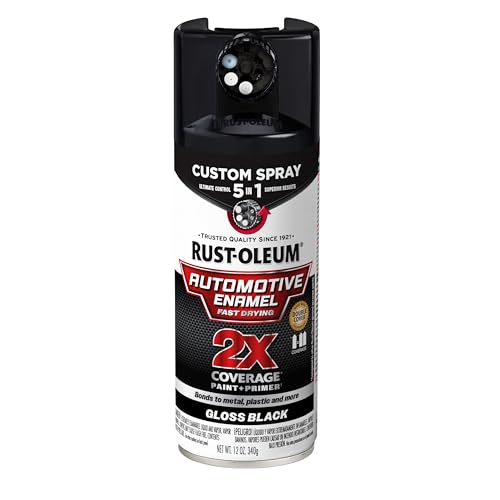
Rust-Oleum 2X Automotive Enamel is a gloss black spray paint built around a durable, fast drying acrylic formula. It is designed to work on metal, wood, plastic and more, indoors and outdoors. The 12 ounce can is a single pack aimed at multi surface projects rather than one specific material.
The headline feature is the 2X coverage claim, which means fewer passes to finish a surface. Rust-Oleum says it covers up to 12 square feet per can, which helps on larger trim pieces. The paint dries to the touch in 20 minutes, so you can move through a project without long waits between coats.
The custom spray 5-in-1 dial is what sets this can apart from a basic rattle can. It offers five patterns: high output, standard, low output, vertical fan and horizontal fan. That range gives you control over how much product lands and how wide the spray spreads, which matters on narrow trim and awkward shapes.
The 360 degree any angle spray technology means you can work from positions that would starve a standard can. That is useful around bumpers, lower cladding and other spots where the nozzle cannot always point straight down. The adjustable dial and any angle function together make the can easier to handle on uneven surfaces.
This is a straightforward option for someone who wants one can that handles plastic alongside metal and wood. The gloss black finish suits trim, brackets and small parts that need a clean, uniform look. If you prefer a simple spray routine with fast touch dry times and flexible patterns, this one fits that job.
8. ExoForma Black Trim Restorer Lasts 6+ Months
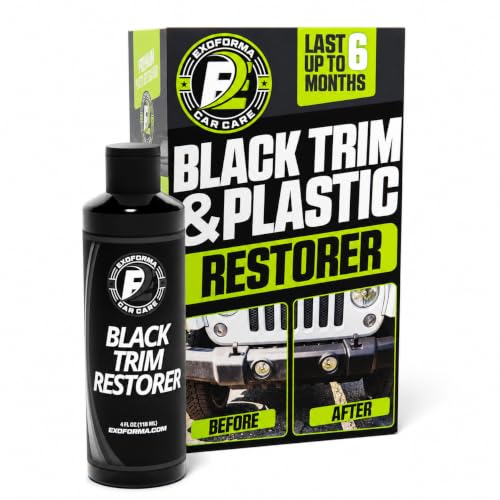
ExoForma Black Trim Restorer is a dye infused formula made to bring faded, sun damaged exterior plastic and trim back toward a factory new look. It comes in a 4 ounce bottle and is aimed at bumpers, trim and vinyl on vehicles like Jeeps, trucks and ATVs. The product is a restorer rather than a paint, so it works on the surface instead of covering it.
The dye infusion is the core of how it works. It conceals scratches and scuffs while pushing color back into faded plastic, which is why it suits trim that has gone grey or chalky. ExoForma describes it as a deep, penetrating formula rather than a temporary shine, and the brand states the results last 6 or more months.
Protection is the second part of the job. The weather resistant barrier is meant to hold up through rain, snow and regular car washes while keeping that showroom black finish. That combination of color and protection is what separates a restorer from a quick dressing that washes away after a few rains.
Application is designed to be simple, with a one coat process and everything needed for a quick restoration included. It works on bumpers, mirror casings, door handles and window trim, and it is suitable for both exterior and interior plastic surfaces. That range makes it handy for a full vehicle refresh rather than a single panel.
The 4 ounce size and USA made formula point to a product built for DIY owners and professionals who want long term results. It suits anyone dealing with faded trim who would rather restore the plastic than spray it. If your bumpers and vinyl have lost their depth, this is a practical first step before considering paint.
9. Rust-Oleum 2X Automotive Enamel 5-in-1 Spray Paint

Rust-Oleum 2X Clear is an enamel spray paint in a gloss clear finish. It is designed as a multi surface product, so it works on metal, wood and plastic as well as other materials. This makes it a practical choice when you want one can to handle several jobs around the garage.
The formula is a durable, fast drying acrylic enamel. It dries to the touch in about 20 minutes, which keeps projects moving without long waits. Coverage is listed at up to 12 square feet per can, and the 2X coverage claim means fewer passes over the surface.
What stands out most is the custom spray 5-in-1 dial. It gives you five spray patterns: high output, standard, low output, vertical fan and horizontal fan. The 360 degree any angle spray technology lets you work from awkward positions without tipping the can upright.
Using it is straightforward. Shake the can, pick a pattern on the dial, and apply light coats over your prepared plastic part. The adjustable dial helps you switch between broad fan patterns for large panels and lower output for tighter areas.
It suits DIYers and hobbyists who want a clear coat that is quick to apply and forgiving on different surfaces. The 12 ounce can is a handy size for small to medium projects. If you need a fast drying clear layer over automotive plastic, this is a solid option to consider.
10. ExoForma Black Trim Restorer Lasts 6+ Months

ExoForma Black Trim Restorer is a dye infused product made to bring faded, sun damaged exterior plastic back to a factory new look. It is designed for black plastic and vinyl trim on vehicles. The 8 ounce bottle gives you a dedicated restorer rather than a general purpose dressing.
The formula is waterproof and weather resistant, and the brand says the results last 6 or more months. It creates a barrier that holds up through rain, snow and regular car washes. It also conceals scratches and scuffs while deepening the black finish.
Application is built around a simple one coat process. The kit includes everything needed for a quick restoration, which makes it friendly for DIY enthusiasts and professionals alike. You work the product into the plastic and let the dye infused formula penetrate rather than sit on top as a temporary shine.
It is versatile across the vehicle. You can use it on bumpers, mirror casings, door handles and window trim. It also works on both exterior and interior plastic surfaces, so one bottle can cover a range of trim pieces.
The formula is made in the USA with premium ingredients, according to the brand. It is positioned as a deep penetrating restorer with long term results rather than a quick cosmetic fix. For anyone dealing with chalky black plastic on a truck, Jeep or ATV, it is worth a look.
Our Testing Process: Why These Rankings Are Different
The goal here is simple. We want to look past marketing claims and focus on what actually matters when you are choosing paint for automotive plastic. Shoppers deserve clear information about how a product behaves, not just a flashy label.
We evaluated each product by examining its specifications, materials and build, and by studying patterns in owner feedback. We also weighed brand reputation and overall value, then focused most on the factors that matter for real results. Products like Rust-Oleum Automotive Trim & Bumper and NADAMOO Trim Black Spray stood out as examples of what strong options look like in this category.
The products compared span a wide price range, from budget-friendly cans to premium options. A higher price does not always mean a better result, and some lower-cost picks perform just as well for common plastic surfaces. We compared what each product offers at its price point rather than assuming more money buys more quality.
Our aim is to give you trustworthy, data-driven guidance you can rely on. This section reflects careful research and evaluation, not hands-on testing, so you can weigh the facts yourself. The result is a clearer picture of which paint fits your project and budget.
Complete Buyer’s Guide: How to Choose Paint for Automotive Plastic
Understanding Why Automotive Plastic Needs Special Paint
Automotive plastic is not like metal or wood. It is flexible, it expands and contracts with heat, and many plastics have a slick surface that ordinary paint simply will not grip. That is why adhesion is the first thing to solve, and why products like Rust-Oleum Automotive Adhesion Promoter exist. Without proper flexibility in the coating, paint can crack or peel as the bumper or trim moves.
Key Features to Look for in Plastic Paint
Start by checking if the paint is formulated for plastic and if it stays flexible after curing. A dedicated adhesion promoter is often the difference between a finish that lasts and one that flakes off. Look at the label for surface compatibility, dry time, and if a clear coat is recommended, since these details tell you how much work the product expects from you.
Types of Plastic Paint Compared
Trim and bumper paints such as Rust-Oleum Automotive Trim & Bumper, NADAMOO Trim Black Spray and Dupli-Color Trim & Bumper Paint are made for textured plastic and usually dry to a matte or satin finish. Enamels like Rust-Oleum 2X Automotive Enamel offer a harder, glossier coating but need more careful prep. Restorers such as ExoForma Black Trim Restorer are not paints at all, they revive faded plastic without a full repaint.
How to Use Plastic Paint for Best Results
Clean the part thoroughly and remove any wax, oil or silicone residue before you do anything else. A prep product like LUXFINISH Surface Prep Spray helps here, and an adhesion promoter goes on next for bare or unknown plastics. Apply thin coats rather than one heavy pass, let each coat flash off, and finish with Rust-Oleum 2X Automotive Clear if you want extra protection.
What to Avoid When Painting Automotive Plastic
Do not skip prep, because paint over dirt or silicone will fail no matter how good the product is. Avoid spraying in cold or damp conditions, and do not lay on thick wet coats that can trap solvent and cause wrinkling. Also steer clear of ordinary household spray paint on flexible bumper plastic, since it lacks the flex agents needed to move with the panel.
Matching Paint to Your Plastic and Situation
For faded black trim and textured bumpers, a trim specific coating or a restorer like Greedy tree Car Plastic is usually the simplest route. For larger repairs or colour changes, an enamel plus promoter and clear coat gives a more durable result. If the plastic is small, removable and low stress, a basic trim spray may be all you need.
When to Expect Results and How to Maintain the Finish
Most aerosol plastic paints touch dry within minutes and can be handled after a few hours, though full curing takes longer. Keep the surface clean with mild soap and water, and avoid harsh solvents or abrasive polishes that dull the coating. Reapply a trim restorer periodically on unpainted plastic to slow fading and keep the finish even.
Best Paint for Automotive Plastic FAQs
Are There Any Tips for Getting a Smooth Finish with Paint for Automotive Plastic?
Work in a warm, dry space away from wind and dust. Spray in light passes rather than heavy ones, because thick coats trap solvent and cause runs. Keep the can moving at a steady speed across the part.
Warm the can in your hands or in warm water before spraying if the label allows it. This helps the paint atomize into a finer mist. Hold the part at a comfortable angle so you can reach edges and curves evenly.
Sand lightly between coats if you spot dust nibs or rough patches. A tack cloth picks up loose particles before the next pass. Patience between coats gives you a much smoother final surface.
Can I Use Paint for Automotive Plastic on Bumpers and Exterior Trim?
Yes, paint for automotive plastic is commonly used on bumpers, mirror caps, grilles and side trim. These parts are usually made from flexible plastics that need a coating that can bend without cracking. Check the can label to confirm it is rated for exterior use.
Exterior parts face sun, rain, road salt and stone chips, so durability matters. A product with UV protection and flex agents will hold up better over time. Skipping those features can lead to fading or peeling within a season.
Proper prep still decides the result. Clean the part, sand it lightly and apply an adhesion promoter if the label calls for one. Then build thin coats instead of one heavy pass so the paint cures evenly.
Can You Spray Paint for Automotive Plastic in Cold or Humid Weather?
Cold and humid conditions make spraying harder. Low temperatures slow the solvent flash off and can leave a dull or blotchy finish. High humidity can cause a cloudy look known as blushing.
Most labels list a recommended temperature range, often around 60 to 80 degrees Fahrenheit. Bring the part and the can indoors or into a heated garage if you can. Let the part reach room temperature before you start.
If you must spray in cooler air, use thin coats and allow more flash time between them. Avoid spraying in direct sun or in damp conditions right after rain. When in doubt, wait for better weather rather than risk a failed finish.
How Do I Apply Paint for Automotive Plastic So It Sticks and Lasts?
Start by washing the part with a degreaser to remove wax, oil and silicone. Sand it lightly with fine grit so the surface has a bit of bite. Wipe it down again and let it dry fully before you spray.
Apply an adhesion promoter if the product instructions recommend one for bare plastic. Then spray thin, even coats from the distance on the label, usually around 8 to 12 inches. Let each coat flash off before adding the next one.
Finish with a clear coat if you want extra protection and gloss. Keep the part out of direct sun and dust while it cures. Full hardness usually takes longer than the touch dry time, so handle it gently at first.
How Long Does Paint for Automotive Plastic Take to Dry and Cure?
Touch dry time is usually short, often around 10 to 30 minutes depending on the product and conditions. That only means the surface is safe to brush lightly, not that the coating has hardened. Full cure takes much longer, often several days, so plan the job around that window.
Cool or humid weather slows the process, and thick coats add time because solvents need to escape gradually. Check the can for the manufacturer’s stated recoat and cure windows, and follow them closely. Rushing a recoat can trap solvents and soften the finish.
Wait for full cure before washing, waxing or reinstalling the part, since handling it too early can leave fingerprints or soft spots. If you need the part back on the car quickly, apply thin coats and add gentle warmth to speed drying.
Is It Better to Use Aerosol Paint for Automotive Plastic or a Spray Gun Setup?
Aerosol cans are easier for small parts, touch ups and one off jobs. They need no compressor, cleanup is minimal and the cost of entry is low. The trade off is less control over mix ratios and thinner options.
A spray gun gives you more control over viscosity, pressure and coat thickness. It suits larger panels and jobs where you want a specific finish. It also needs a compressor, proper masking and thorough cleaning after use.
For a single bumper corner or a set of mirror caps, an aerosol is usually enough. For a full bumper or several parts at once, a gun setup can be more efficient. Match the tool to the size of the job and your experience level.
Should I Use an Adhesion Promoter with Paint for Automotive Plastic?
Many plastic paints need an adhesion promoter, especially on bare polypropylene and similar low surface energy plastics. The promoter creates a bonding layer that the paint can grip. Without it, the coating may peel even after careful prep.
Check the product label for guidance on your specific plastic. Some formulas already include adhesion promoters and do not need a separate step. Others clearly state that a promoter is required for bare plastic.
If you are unsure, using a promoter is the safer route. Apply it in a thin, even coat and let it flash off per the instructions. Then spray your color coats within the recoat window so the layers bond properly.
What Are the Best Paints for Automotive Plastic Parts Like Interior Trim?
The best choice depends on where the part lives and how much flex it sees. For interior trim, look for a formula labeled for interior plastics with low odor and good adhesion. For exterior parts, choose one with UV protection and flex agents.
Check the label for the plastic types the product covers, such as ABS, polypropylene or polyurethane. Some plastics need a dedicated adhesion promoter before any paint will hold. A product that names your plastic type is a safer bet.
Consider the finish you want as well, since matte, satin and gloss options behave differently. Aerosol cans suit small jobs and touch ups, while spray gun systems suit larger panels. Read the cure time too, because some formulas need longer before reassembly.
What is Paint for Automotive Plastic and How is It Different from Regular Car Paint?
Paint for automotive plastic is a coating made to stick to flexible plastic parts like bumpers, trim and mirror caps. Regular car paint is built for metal panels and does not grip bare plastic well. The difference matters most on parts that flex, because ordinary paint can crack and flake.
Most plastic paints include an adhesion promoter or a flex agent in the formula. These ingredients help the coating bond to the surface and move with the part instead of splitting. Standard body paint usually lacks both, so it needs extra prep work to hold on plastic.
You also get different packaging, such as aerosol cans or ready to spray mixes. Some formulas are designed for interior trim and others for exterior parts that face sun and rain.
Final Verdict
Based on our research and data analysis, paint for automotive plastic rewards preparation over everything else. Rust-Oleum Automotive Adhesion Promoter suits owners who want a reliable base layer and strong primer grip before colour goes on. Greedy tree Car Plastic serves anyone after a simple refresh with quick spray coverage on faded trim. Both earn their place for different jobs, so match the product to your prep routine and surface condition.