
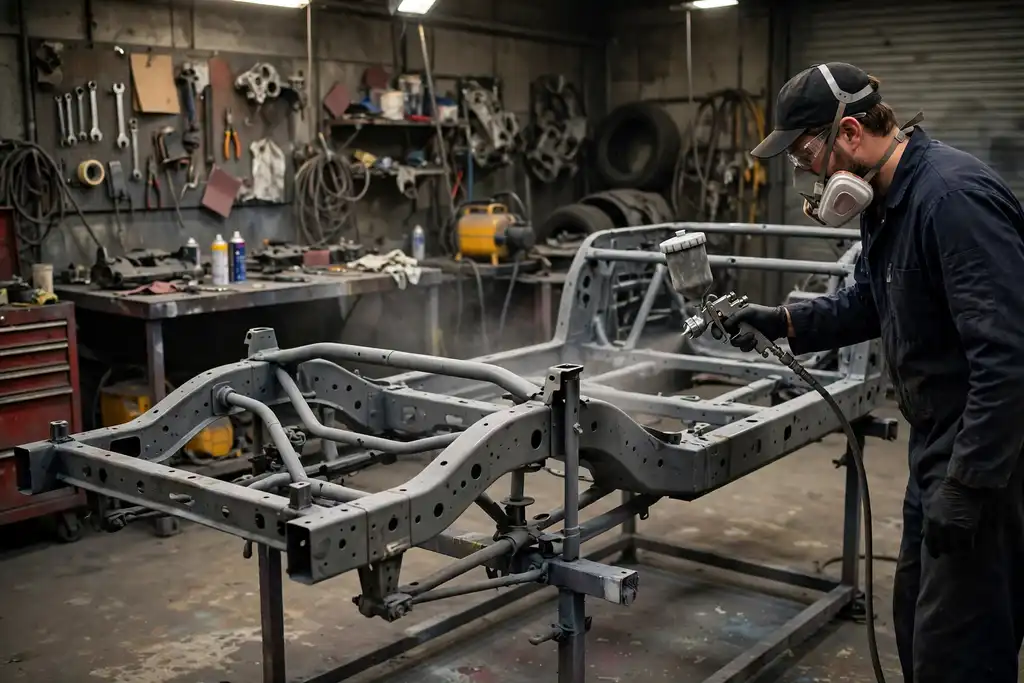
Your frame takes a beating from road salt, water and flying debris, so the coating you apply needs to hold up. Best automotive frame paint for many drivers is Rust-Oleum Rubberized Black Undercoating, a black rubberized formula that protects against corrosion and damage from water, salt and other chemicals. It suits bare or primed metal underbodies on cars, trucks, trailers and RVs, dries to the touch in 30 minutes and covers up to 10 to 12 square feet per can.
Rust-Oleum Professional High Performance is the other strong option, and it does some things better. Read on for the best automotive frame paint and the details that set them apart.
Top Recommendation: Rust-Oleum Rubberized Black Undercoating Rust
Why We Recommend It: Rust-Oleum Rubberized Black Undercoating earns the top spot because its rubberized protection targets exactly what a frame faces: corrosion plus damage from water, salt and other chemicals. The Professional formula offers faster drying and broader surface use, but the rubberized coating is built for underbody abuse. That focus makes it the one to reach for first.
10 Best Automotive Frame Paint


1. Rust-Oleum Rubberized Black Undercoating Rust Resistant Spray Paint
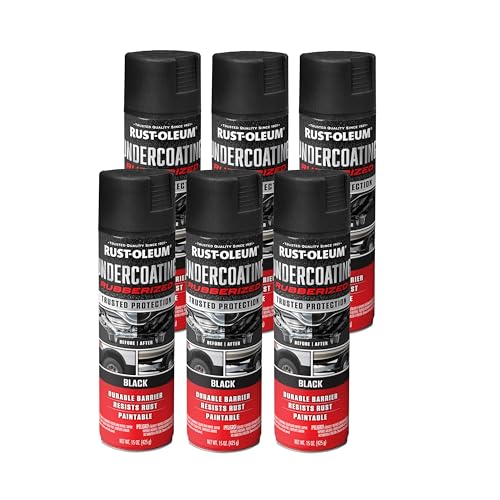
Rust-Oleum Rubberized Black Undercoating is a spray-on coating made for the undersides of vehicles. It is designed for bare or primed metal underbodies on cars, trucks, trailers, RVs and similar equipment. The rubberized formula goes on black and works as a rust and corrosion preventive layer.
The main appeal here is the rubberized texture. It protects against corrosion and damage from water, salt and other chemicals, which is exactly what a frame sees in winter driving. The coating also helps deaden sound and reduce damage to parts, so it does two jobs at once.
Coverage and dry time are practical for a weekend job. It dries to the touch in 30 minutes and covers up to 10 to 12 square feet per can. The six pack size means you have enough cans on hand for a full frame or underbody session without stopping to reorder.
Application is easier than with many undercoatings. The can features a wide, comfort spray tip and any-angle spray technology, so you can paint even upside down. That matters when you are working above your head under a frame and need the spray to keep flowing.
The finish is paintable, so you can topcoat it if you want a specific color or extra protection. It is a sensible choice for anyone refreshing an older truck frame or adding a protective layer to a daily driver. If your priority is sound deadening plus corrosion protection on the underside, this is the one to look at.
2. Rust-Oleum Professional High Performance Gloss Black Spray Paint

Rust-Oleum Professional High Performance is a gloss black spray paint built for rust prevention and industrial maintenance. It works on ferrous and non ferrous metal, wood, concrete, masonry and similar surfaces. The point is a tough, attractive finish that holds up to weathering.
The formula is oil based and durable, and it maintains consistent, corrosion resistant color despite the elements. That makes it a good match for frames and metal equipment that live outside. The gloss finish gives surfaces a new look while standing up to demanding, heavy use environments.
Speed is a real strength. It covers up to 14 square feet, dries to the touch in 15 minutes and can be recoated within an hour. For a frame project, that means you can move through coats quickly and finish in a single day.
The can has a high output tip that sprays at any angle, which helps on awkward frame sections and overhead work. Because the formula is commercial and industrial grade, it suits heavier duty jobs than a basic rattle can. The six pack gives you a steady supply for larger surfaces.
This is the pick for someone who wants a clean gloss black look with strong rust protection. It is at home on trailer frames, shop equipment and metal structures as well as automotive work. If appearance and heavy use durability both matter, Rust-Oleum Professional High Performance fits the bill.
3. Ultra 2-in-1 Rust Converter Paint & Metal Primer
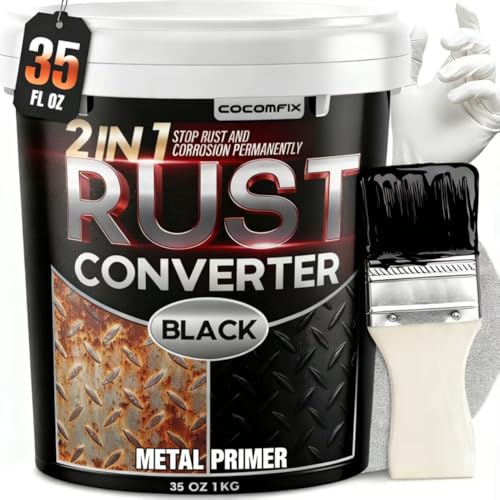
Ultra 2-in-1 Rust Converter is a paint and metal primer in one product. It goes directly over rust and turns it into a tough, smooth black coating. The idea is to skip the usual prep work and still get a solid barrier against moisture and salt.
This is a one coat product. You do not need a separate primer, topcoat or sanding step, and the maker says a single coat converts 50μm of rust with peel-proof adhesion. It is pitched at both professional shops and DIYers working at home. That direct-to-rust approach is the main thing that sets it apart from a standard frame paint.
The coating is built to handle heat and weather. It is rated to withstand 350°F and is described as heat-stable and impact-resistant, with resistance to salt, UV and thermal shock. The finish is matte black and the can holds 35 fluid ounces, which is a decent amount for frame work.
Because it bonds to rust rather than requiring bare metal, it suits heavy-duty trucks, trailers, frames and industrial or marine equipment. It also works on outdoor structures where corrosion is already present. If your frame has surface rust and you want to stop it spreading, this is the kind of product you reach for.
Application is straightforward. Clean off loose dirt and flaking rust, then paint it on and let it convert the rust underneath. One coat is the claim, so you are not building up layers. The maker backs it with a return or replacement promise if it does not meet expectations.
It is a practical pick for older vehicles where full rust removal is not realistic. The matte black finish blends in on chassis and frame areas. For a first pass at stopping corrosion, it covers the job in a single step.
4. Eastwood Extreme Chassis Black Satin Aerosol Spray Paint

Eastwood Extreme Chassis Black is a satin aerosol spray paint made for car and truck chassis and frames. It comes as a 14 ounce can in a pack of two, so you get a pair of aerosols to work with. The satin finish sits at 25 to 35 percent gloss, which gives a low sheen rather than a high shine.
The formula is built to improve corrosion resistance on steel that sees road spray and weather. It also helps seal rust and improves resistance against chips and scratches, which matters on parts that take hits from gravel and debris. Eastwood says the color matches OEM automotive paint, so repairs blend in with factory finishes.
One useful trait is that you can apply multiple coats without lifting the earlier layers. That lets you build up coverage in thin passes instead of trying to get everything down in one heavy coat. Thin coats also cut the chance of runs and sags on vertical frame rails.
Prep still matters with any chassis paint. Clean the surface and remove loose rust and grease before you spray, then work in light passes and let each coat flash off. The two can pack gives you a spare aerosol for touch ups or for finishing a longer frame rail.
The satin black suits restorers and DIY mechanics who want a factory style look on a frame or chassis. It is a practical choice for sealing rust on an older truck or tidying up a project before reassembly. Anyone after a durable black coating in an easy aerosol format will find it worth a look.
5. Rust-Oleum Stops Rust 2-in-1 Rust Reform & Seal
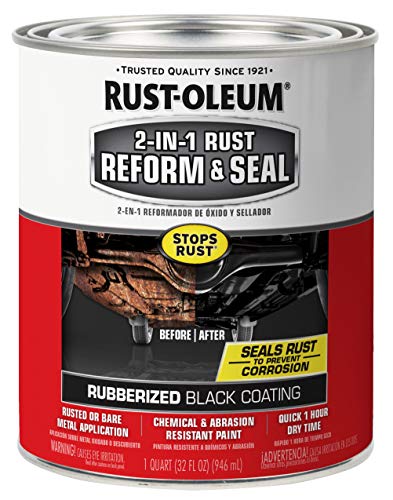
Rust-Oleum Stops Rust 2-in-1 is a rust reform and seal coating in black. It is a rubberized, multi-purpose automotive coating that comes in a quart can. The product is made to seal and protect metal surfaces from corrosion and moisture.
What stands out is the flexible, rubberized finish. That coating provides superior chemical and abrasion resistance, which matters on a frame that sees road debris and weather. It also dries to touch in 1 to 2 hours, so you are not waiting all day between coats.
Coverage is generous at 85 to 175 square feet per quart. You can apply it by brush, roller or spray, which gives you options depending on the job. The flat, no-shine finish suits frames and underbody areas where a low profile look is fine.
The 2-in-1 name refers to its ability to reform rust and seal it in one step. It is meant to repair rust problems and prevent future issues on rusted or bare metal. That makes it a practical choice when you are dealing with existing surface rust rather than perfectly clean steel.
The can is 32 fluid ounces and weighs about 2.35 pounds. Its compact dimensions make it easy to store on a shelf between jobs. The black color keeps the finish consistent across a frame or chassis.
This product suits someone who wants to brush or roll a coating onto a frame and needs flexibility and chemical resistance. It is a good fit for rusted or bare metal where a flat black finish is acceptable. If you prefer a spray can for hard to reach areas, the other Rust-Oleum option covers that need.
6. Rust-Oleum Stops Rust Pro Grade Rubberized Black Undercoating
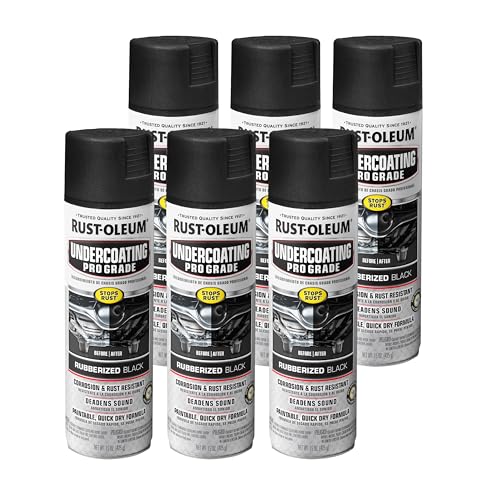
Rust-Oleum Stops Rust Pro is a professional-grade rubberized black undercoating spray. It comes as a six pack of 15 ounce cans, so you have enough for a larger underbody job. The formula is built for bare or primed metal underbodies of cars, trucks, trailers, RVs and more.
The professional-grade formula provides superior protection against corrosion. It also guards against damage from water, salt and other chemicals, which are the usual culprits on a frame. That makes it a sensible pick for vehicles that see winter roads or wet conditions.
Each can dries to the touch in 1 hour and covers up to 10 to 15 square feet. The coating is paintable, so you can top it with color if you want. It also helps deaden sound and reduce damage to parts, which is a useful bonus on a frame or underbody.
The spray tip is wide and comfortable, and the any-angle spray technology lets you paint even upside down. That matters when you are working under a vehicle where the can is tilted. The six pack means you can keep spraying without stopping to swap cans constantly.
This product suits someone doing underbody or frame protection who wants a spray can rather than a brush on coating. It is a good fit for bare or primed metal and for jobs where sound deadening is welcome. The paintable finish gives you the option to match color later.
7. Magnet Paint UCP970-01 Chassis Saver Rust Preventative Paint
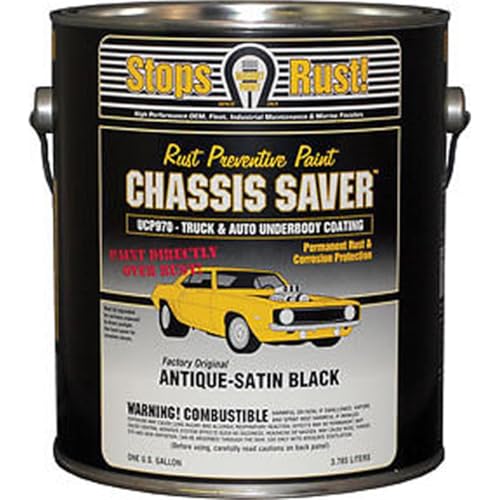
Magnet Paint UCP970-01 Chassis is a single component chassis paint and underbody coating in satin black. It comes as a one gallon container, which is a serious amount of product for a frame project. The formula is high solids and VOC compliant, so it fits within modern coating rules.
What stands out is the way it handles rust. The manufacturer says it is specially formulated to permanently stop automotive and truck corrosion. It does this without the use of primers or topcoats, which saves time and materials on a long frame.
The unique rust stopping properties permit application directly over tightly bound rust. That means you can work on a frame that has surface corrosion rather than waiting for bare metal everywhere. For a chassis job, that can cut hours of prep.
Because it is a single component product, you do not have to mix two parts before you start. You open the can, stir it, and apply it to the frame or underbody. That simplicity suits people working in a home garage without fancy equipment.
The satin black finish gives a clean, factory style look to a frame or undercarriage. It is also a practical choice for hiding minor imperfections on older metal. The color works well on trucks and older cars alike.
This one suits anyone restoring a truck or car frame who wants a tough coating without a multi step system. It is a good fit for hobbyists and shops that want a single product to do the rust protection job. The gallon size means you can cover a full chassis and still have some left over.
8. 1 Rust Converter & Metal Primer 2
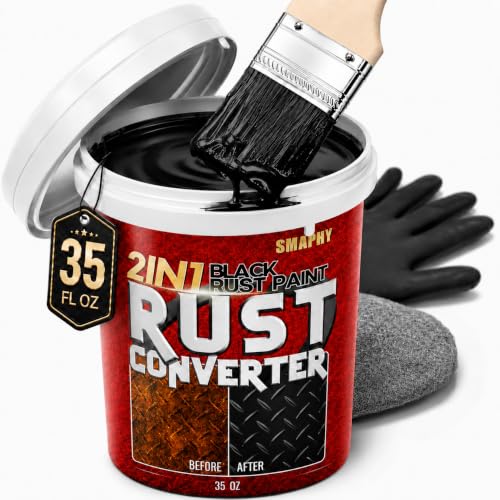
1 Rust Converter & Metal is a two in one rust converter and metal primer in matte black. It comes in a 35 fluid ounce can and is made by SMAPHY. The idea is simple, you paint it over rust and it does the converting and priming in one step.
The product converts and prevents rust in one coat. You paint directly over rust and it turns stubborn metal rust into an inert, stable, rust protective flat black finish. The aim is to stop rust permanently on bare or rusty metal, indoors or outdoors.
It also creates an oxygen and water barrier that is heat and UV resistant. That barrier seals out water and salt, which matters for chassis work in corrosion prone weather, road salt or coastal air. The protection is meant to last for years.
One of the practical points is that no topcoat or grinding is needed. The water based, non toxic formula works as both a rust converter and a primer. One can covers up to 100 square feet of bare or rusty metal, which is a useful figure for planning a frame job.
The list of uses is broad. It suits chassis, undercarriage, brakes, engine bay, exhaust pipes, trucks, trailers, machinery, railings, tank exteriors and lawn equipment. That makes it a handy can to keep around for more than just the frame.
This one suits people who want to skip the grinding step and go straight to coating rusty metal. It is a good choice for a trailer, truck or undercarriage that sees salt and weather. The matte black finish keeps the look consistent with a typical frame.
9. Eastwood Extreme Chassis Black Satin Aerosol Spray Paint

Eastwood Extreme Chassis Black is a satin aerosol spray paint made for car and truck chassis and frames. It comes as a 14 ounce can in a pack of four, so you get a decent amount of coverage for a project. The part number is 98064 and the brand is Eastwood.
The main selling point here is corrosion resistance. The formula is designed to help seal rust and improve resistance against chips and scratches. That makes it a sensible choice for frames that see road spray, gravel and general abuse.
The finish is satin, rated at 25 to 35 percent gloss. It is meant to match OEM automotive paint, so it will not look out of place on a restoration or a daily driver. If you want a factory style sheen rather than a deep shine, this sits in the right range.
Application is straightforward for a spray can product. You can apply multiple coats without lifting, which saves time when you are building up coverage on long frame rails. Each can weighs 1.13 pounds, so the four pack is manageable to store and carry around the garage.
This suits people doing spot repairs or full frame touch ups at home. The aerosol format means no mixing and no spray gun setup, which keeps the job simple. It is a good fit for weekend work where convenience matters as much as the result.
It is less suited to anyone chasing a high gloss show finish. The satin look is deliberate, and the product is built around protection rather than shine. For a frame that needs to look tidy and resist the elements, that trade off makes sense.
10. Magnet Paint & Shellac UCP99-01 Chassis Saver Paint

Magnet Paint & Shellac UCP99-01 is a chassis paint and underbody coating supplied in a one gallon can. It is a single component product, so there is no hardener to measure or mix. The colour is gloss black and the part number is UCP99-01.
What stands out is the high solids formula. It is VOC compliant, which matters if you are working in a regulated shop or a home garage with ventilation concerns. High solids generally means more of the can ends up as coating rather than solvent.
Because it is single component, you can open the can, stir it and get to work. That makes it easier to use for a long underbody session than a two part system that starts curing once mixed. The gallon size suits larger frames, chassis rails and full underbody coverage.
The gloss black finish gives a clean, dark look underneath the vehicle. It is sold as one count per pack, and the can weighs 9.4 pounds with dimensions of 6.5 inches high, 7.5 inches long and 6.5 inches wide. That is a substantial can to handle, so plan your pouring and brushing setup.
This one suits people with more surface area to cover, such as a truck frame or a full underbody refresh. The single component nature keeps the process simple for DIY work. It is also a reasonable pick for anyone who prefers a gloss finish over a satin or flat look.
There is no warranty listed on this product, which is worth knowing before you commit. The brand is Magnet Paint Co and the model matches the part number. If you need a high solids gloss black coating in bulk, this is built for that job.
Our Testing Process: Why These Rankings Are Different
The goal here is simple. We want to look past marketing claims and focus on what actually matters for automotive frame paint. Buyers need protection that holds up to road salt, gravel and weather, not slogans.
Each product was evaluated on its specifications, materials and build, and on patterns in owner feedback. We also weighed brand reputation and overall value, and decided which factors mattered most for real frame protection. Two products stood out during this work, Rust-Oleum Rubberized Black Undercoating and Rust-Oleum Professional High Performance, because their specs and owner feedback lined up well with what frame paint needs to do.
The products compared span a wide price range, from budget-friendly converters to premium chassis coatings. A higher price does not always mean a better result, since an affordable product with the right formulation can outperform a costly one for a given job. We treated price as one factor among several, never as proof of quality.
This section is built on research and evaluation, not hands-on testing, and we never invent scores or test results. The aim is trustworthy, data-driven guidance for choosing automotive frame paint with confidence. Use these rankings as a starting point, then match the product to your frame and climate.
Complete Buyer’s Guide: How to Choose Automotive Frame Paint
Understanding Why Frames Rust and Lose Their Finish
Automotive frames live a hard life close to the road, collecting grit and road salt while rarely getting washed as often as the bodywork above. That mix of moisture, abrasion, and oxygen drives corrosion, so frame paint must do more than look good. It has to seal the steel and hold up under constant punishment.
Key Features to Look For
Start with the surface the product is designed for. A rust converter chemically treats existing corrosion, while chassis paint or undercoating protects clean or lightly rusted metal. Check if the formula is rubberized for impact and sound deadening or a hard topcoat for a durable finish. Drying time and recoat windows matter too, since they decide how fast the job finishes.
Types of Automotive Frame Paint Compared
Rust converters like Eastwood Rust Encapsulator and Rust-Oleum Rust Reformer turn corrosion into a paintable surface. Rubberized coatings such as Rust-Oleum Rubberized Undercoating add a flexible, sound-damping layer. Hard chassis finishes like Eastwood Chassis Black and Rust-Oleum High Performance deliver a tough, chemical-resistant shell. Rust-Oleum Stops In Its Tracks options sit in between, offering straightforward protection for general frame work.
How to Prepare and Apply Frame Paint for Good Results
Prep decides the outcome more than the product does. Scrape off loose rust, degrease the frame, and let the metal dry fully before opening the can. Apply rust converter first where corrosion is present, then follow with your chosen topcoat in thin, even layers. Respect the stated recoat time and avoid spraying in high humidity, which traps moisture under the film.
What to Avoid
Do not paint over heavy scale, grease, or wet metal, because the coating will lift and trap rust underneath. Avoid skipping the rust converter step on pitted areas, since paint alone will not stop active corrosion. Also steer clear of rushing the job with thick single coats, which dry unevenly and can crack. Cheap shortcuts here usually cost more time later.
Matching Frame Paint to Your Vehicle and Conditions
Think about where the vehicle lives and how it is used. A daily driver in a snowy region benefits from a rubberized undercoating that shrugs off salt and stone chips. A project car or off-road build may suit a hard chassis black finish that resists chemicals and cleans up easily. If the frame already has surface rust, plan on a converter before any topcoat goes on.
When to Expect Results and How to Maintain the Finish
Most frame coatings feel dry within hours, but full cure and maximum durability take longer, so avoid heavy road use early on. Inspect the frame each season for chips, scuffs, or new rust spots and touch them up promptly. A quick rinse after winter driving removes salt before it can work into the coating.
Best Automotive Frame Paint FAQs
Are There Any Automotive Frame Paint Products That Work Over Rust?
Some automotive frame paint products are designed as rust converters or direct to rust coatings. These formulas react with light surface rust and seal it under a hard film. They save time when full rust removal is not practical.
Direct to rust paint still needs the loose, flaky rust removed first. Wire brushing or sanding to sound metal gives the coating something solid to grip. Heavy scale or deep pitting should be cut out or treated properly before painting.
Check the label to confirm the product is a converter or direct to rust type. Standard frame paints are not formulated to bond over active rust. Using the wrong type can lead to peeling and hidden corrosion later.
Can You Paint Over Automotive Frame Paint with a Different Brand?
Can you recoat automotive frame paint with another brand? Often yes, but compatibility is the real question. Most cured epoxy and urethane coatings accept a topcoat from a different maker. The safe approach is to test on a small hidden area first.
Clean the old coating and scuff it so the new paint has a key. Solvent wipe and let it dry fully before applying anything. Check the new product data for recoat windows and required primers.
Some coatings are sensitive to the solvents in other brands. If the test patch wrinkles or lifts, stop and choose a compatible system. When in doubt, stay within one manufacturer’s primer and topcoat range.
How Do I Apply Automotive Frame Paint for a Lasting Finish?
Begin by degreasing the frame thoroughly, then remove loose rust, flaking paint and road grime before scuffing the surface for grip. Mask nearby components and cover the ground so overspray does not cause problems later. Apply a suitable primer whenever the product data calls for one, since skipping it often shortens the coating’s life.
Build thin, even coats instead of one heavy pass, keeping the gun or can at the recommended distance and overlapping each stroke by about half. Let every coat flash off as instructed, and respect the recoat window so the layers bond properly rather than sitting on top of each other.
Rushing this stage is the most common cause of poor adhesion. Allow full dry time before the vehicle returns to the road, and watch for trapped solvent in thick areas.
How Long Does Automotive Frame Paint Take to Dry and Cure?
Dry times vary by product type and are always listed on the data sheet, so read it before you start. Aerosol cans often touch dry in under an hour, while two part epoxies may need several hours before handling. Full cure usually takes days, not minutes, even when the surface feels ready.
Temperature and humidity change everything, so aim for the range the maker recommends. Cool or damp conditions slow the process considerably, and very hot weather can skin the surface too fast, trapping solvent underneath. Good airflow helps, but avoid blasting dust onto the wet film.
Do not drive on a fresh coating just because it feels dry, since early road exposure can imprint grit and damage the film. Cured paint resists solvents, stone chips and road salt far better than partially cured paint.
Should I Use a Spray Can or Brush on Automotive Frame Paint?
Spray cans give a smooth, even finish and reach awkward angles on a frame, which suits smaller jobs, touch ups and areas you can mask easily. Overspray and thin coats are the main drawbacks, so mask generously and build several light passes. Windy conditions make aerosol work frustrating and wasteful.
Brush or roll on paint lays down a thicker film with less masking, and it works well on large, flat sections and in tight spaces where spray cannot reach. Brush marks usually level out on a chassis, especially with a slow drying product. Load the brush lightly to avoid drips and sags.
Consider the size of the job and your workspace before deciding. A full frame restoration often suits a spray gun or brush on system, while small repairs and spot protection are quicker with an aerosol.
What Are the Best Automotive Frame Paints for Heavy Rust and Harsh Weather?
For tough conditions, two part epoxy or urethane systems are usually the strongest choice because they cure into a hard, chemical resistant film that handles salt and abrasion well. A rust converting primer underneath adds extra protection on pitted steel. Look for high build and strong adhesion ratings on the data sheet.
Products that resist solvents and road chemicals suit frames that see winter driving, and flexible coatings help on frames that twist and flex. Check the recoat window and dry times against your schedule, because a coating you can apply properly beats a tougher one applied badly. Match the primer to the surface as well.
Prep still decides the outcome, since even the toughest paint fails over grease, loose rust or moisture. Clean, abrade and prime properly, and the coating will earn its keep.
What is Automotive Frame Paint and What Does It Do?
Automotive frame paint is a protective coating made for chassis and frame components. It seals bare metal against moisture, road salt and stone chips. The coating also gives the frame a clean, uniform finish that is easier to inspect and maintain.
Frame paint differs from body paint because it is built for hidden, hard working areas. It usually offers high build and strong adhesion on rough or welded surfaces. Many formulas resist chemicals, abrasion and flexing better than standard topcoats.
You apply it to bare or prepped steel, not over loose rust or grease. Good surface prep matters more than the product itself. A clean, abraded surface helps the coating bond and last.
What Type of Automotive Frame Paint Should I Look for and What Features Matter?
Look at the resin type first, such as epoxy, urethane or a rust converting formula, since each behaves differently on steel. Then check the solids content, which hints at film build and durability. Adhesion and chemical resistance ratings tell you how it handles real road conditions.
Application details matter just as much, so check the recoat window, dry times and recommended temperature range. A product that fits your workspace and schedule is easier to use well, and easy products get applied correctly. Watch for short pot life on two part systems.
Finally, match the coating to the surface, because bare steel, galvanised metal and previously painted frames each need the right primer or prep. Buying the correct system upfront avoids failures later. When in doubt, follow the data sheet over advice from forums.
Final Verdict
Based on our research and data analysis, automotive frame paint comes down to matching the product to the job. Eastwood Extreme Chassis Black suits the owner who wants a tough, long lasting finish on a clean, prepared frame. Ultra 2-in-1 Rust Converter serves a different need, stopping existing rust and sealing rough metal before topcoating. Both earn solid owner feedback for their intended roles. Take a close look at your frame, then give it the protection it deserves.