
You need steady, clean air for a smooth finish, and your workspace and budget shape what works. The VEVOR 13-Gallon Air Compressor is the best air compressor for auto painting for most home setups, with a 13-gallon tank and 2HP motor that builds air in under 3 minutes. Its oil-free, noise-reducing design runs at just 66dB, and two 7-inch rubber wheels make it easy to move between indoor and outdoor spaces.
The Klutch 20-Gallon Air Compressor gives you a larger 20-gallon tank, a 2.0 HP series motor, a 4.2 SCFM rating at 90 PSI and a 2-year warranty, so it suits longer sessions and heavier demand. Below, you will find the best air compressor for auto painting, each one suited to a different need.
Top Recommendation: VEVOR 13-Gallon Air Compressor
Why We Recommend It: The VEVOR 13-Gallon Air Compressor pairs a 13-gallon tank and 2HP motor with fast buildup in under 3 minutes, a leak-proof valve system and quiet 66dB oil-free operation. It weighs about 71 pounds and rolls on two reinforced rubber wheels.
10 Best Air Compressor for Auto Painting




1. VEVOR 13-Gallon Air Compressor 2HP 4.6 SCFM@90PSI
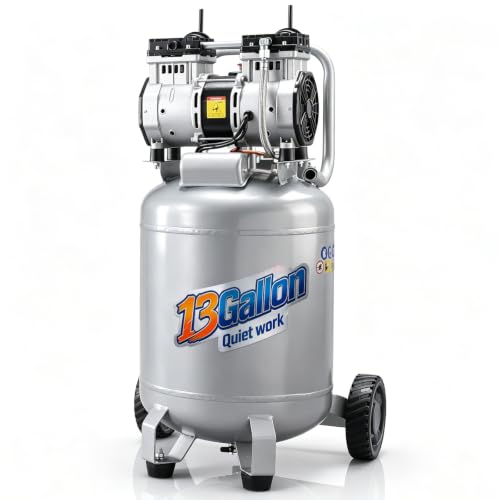
The VEHICLE 13-Gallon Air Compressor is a compact, oil-free unit built around a 2 HP motor and a 13 gallon tank. It delivers 4.6 SCFM at 90 PSI and a maximum pressure of 125 PSI, which is enough for spray painting, tire inflation, woodworking and auto repairs. VEVOR lists fast air buildup in under three minutes, so you spend less time waiting and more time working.
The standout feature is the noise level. VEVOR rates this compressor at just 66dB thanks to oil-free, noise-reducing technology, which is quiet enough for home and office settings. Because there is no oil to change, maintenance is minimal and running costs stay low. A reinforced, leak-proof valve system keeps output stable during longer, high-intensity tasks.
Moving it around is straightforward. Two 7-inch reinforced rubber wheels and a compact frame make it easy to roll between indoor and outdoor spaces or different work areas. The unit measures 33.3 inches high, 17.5 inches long and 16.5 inches wide, and it weighs about 71 pounds. That size is manageable for one person on flat ground.
The box includes almost everything you need to get started. You get the compressor, two 1/4 plastic air filters, two rubber wheels, two foot pads, mounting screws, two pressure gauges and a manual. VEVOR says no additional purchases are required, which keeps setup simple. For painting tasks, the 13 gallon tank and 4.6 SCFM at 90 PSI suit smaller spray guns and touch-up work rather than full vehicle resprays.
This model suits DIYers, home mechanics and hobbyists who want a quiet, portable compressor for mixed jobs. It handles painting, inflation and light auto repair without the noise and upkeep of an oil-lubricated pump. If you mostly spray small panels or run air tools in short bursts, the tank size and output line up well with that kind of work. The 125 PSI ceiling gives a little headroom for tools that need more pressure.
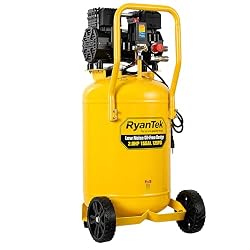
2. Klutch 20-Gallon Air Compressor 2 HP 120V

The Klutch 20-Gallon Air Compressor is a portable, oil-free unit with a 2 HP series motor and a 20 gallon tank. It runs on 120V and delivers 4.2 SCFM at 90 PSI with a maximum pressure of 175 PSI. That higher pressure ceiling makes it a flexible choice for a range of shop tasks, including painting and air tool use.
Reliability is a big part of the design. The 2.0 HP series motor includes thermal overload protection, which helps prevent overheating during prolonged use and extends the life of the unit. The oil-free pump cuts down on regular maintenance, so the compressor stays ready to perform. Klutch backs it with a 2 year warranty, which adds peace of mind for workshop buyers.
Efficiency comes from quick recovery and cycle times. With 4.2 SCFM at 90 PSI, the compressor keeps up with high-demand applications and reduces downtime between tasks. That steady output matters when you are spraying or running tools that draw air continuously. The 20 gallon tank gives you more reserve than a smaller unit, so the motor cycles less often during longer jobs.
Portability is handled well for a unit this size. Large rubber wheels and an ergonomic handle make it easy to move around the shop or garage. Rubber foot stabilizers reduce vibration during operation, which keeps things comfortable and minimizes wear on the unit. It weighs 90 pounds and measures 41.5 inches high, 19.1 inches long and 17.5 inches wide, so it needs a bit more floor space than compact models.
This compressor suits garages and workshops where painting and air tools see regular use. The combination of a 20 gallon tank, 175 PSI maximum and thermal overload protection fits buyers who want a dependable shop compressor rather than a light-duty home unit. If your work involves longer spray sessions or multiple air tools, the larger tank and quick recovery help keep the job moving. The oil-free pump and 2 year warranty round out a practical package for demanding environments.
3. ECOMAX Air Compressor 150 PSI Pancake Portable Oil-Free

The ECOMAX Air Compressor 150 is a pancake style unit with a 6 gallon tank and a maximum pressure of 150 PSI. It runs a 1.5 HP oil-free pump and weighs 34.17 pounds, which keeps it manageable to lift and move around a garage. The flip-up handle makes carrying and storage simpler when the job is done.
ECOMAX lists an air delivery figure of 3 cubic inches at 90 PSI, which points to short bursts of tool use with quick recovery between them. Dual quick couplers let two tools stay connected at once, so you can switch between tasks without swapping fittings. Dual gauges give you a read on tank pressure and regulated line pressure separately.
The package arrives with a useful starter set of accessories. You get a 1/4 inch by 25 foot air hose, a ball foot air chuck, an auto plug, an auto coupler, thread seal tape, a tire pressure gauge, a nozzle and a blow gun. For someone starting from nothing, that covers basic inflation and cleaning work without a separate shopping trip.
Maintenance is kept low by the oil-free pump design. A winding bracket holds the power cord out of the way, and the unit is built with low-voltage and cold-weather starting in mind. ECOMAX positions it for inflation, brad nails and staplers as well as general automotive repair and household jobs.
For auto painting, the 6 gallon tank is on the small side and the pump will cycle often during longer spray sessions. It suits touch-up work, small panels and jobs where portability counts more than constant air. Anyone planning to run a spray gun for full panels should look at tank size and sustained delivery carefully before deciding.
This is a sensible pick for a home user who wants one compact compressor for tires, blow gun cleanup and light nailing, with painting as an occasional extra. The included kit and the low-maintenance pump keep the cost of getting started down. It is not the tool for long, uninterrupted spray work.
4. VEVOR 2 HP Air Compressor 6.3 Gallon
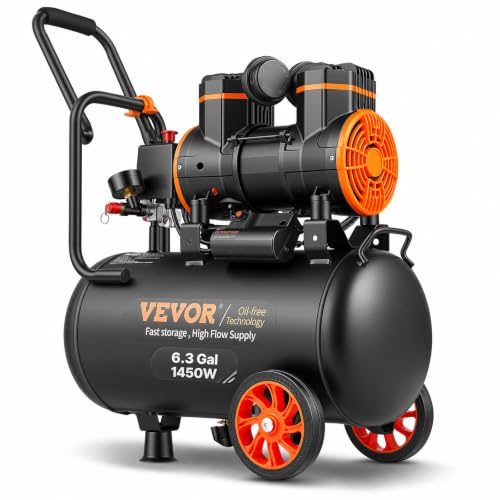
The VEVOR 2 HP Air is a 6.3 gallon oil-free compressor with a 1450W motor that runs up to 3500 r/min. It delivers 3.35 CFM at 90 PSI and tops out at 116 PSI, which VEVOR lists as enough to support nail guns, impact wrenches, spray guns and pneumatic screwdrivers. The tank is larger than a typical pancake unit, so it holds more air between pump cycles.
Air intake uses a double tube, double cylinder arrangement to fill the tank faster. The intake pipe is made from 392 Fahrenheit high-temperature resistant silicone with a stainless steel braided mesh, giving two layers of protection. That design is aimed at saving time and reducing wear during repeated use.
Noise gets specific attention here. Two silencers are fitted, each built from a thickened muffler cover, a rubber muffler pipe and filter cotton. They cut noise while also keeping fine dust out of the intake, which helps in a dusty garage or workshop.
The tank is built from a three-layer process: a rust and wear-resistant layer, a plastic powder attachment layer and Q235B structural steel. VEVOR states a 3.5 Mpa maximum bearing pressure and seamless welding construction for durability. Two large cooling fans and automatic overheating protection guard the motor, and the unit shuts off or relieves pressure if current or storage pressure runs too high.
At 43 pounds and standing 28.7 inches tall, it is less portable than a small pancake model, so it suits a fixed spot in the garage better than being carried between jobs. The 6.3 gallon tank and 3.35 CFM rating make it a more realistic match for spray painting than a tiny tank unit, though long sessions will still work the pump. For tire inflation, nailing and general auto repair it has air to spare.
This one fits the home mechanic or woodworker who wants one compressor for painting, tires, nailing and light impact work. The noise reduction and thermal protection are the features that stand out for garage use. Buyers who need to move the compressor often should weigh the size and weight first.
5. RyanTek 15-Gallon Air Compressor 2HP Quiet 66dB
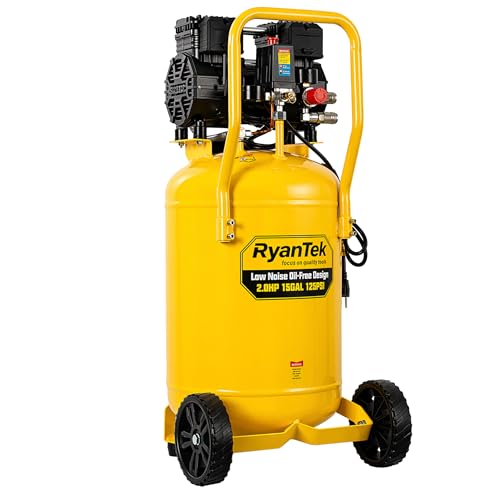
The RyanTek 15-Gallon Air Compressor is a vertical, oil-free unit built around a twin cylinder pump and a 2HP motor. It delivers 4.5 CFM at 90 PSI and tops out at 125 PSI, which covers a wide spread of pneumatic tools. The 15 gallon tank is the biggest part of the story here, because it holds enough air to keep the motor from cycling constantly.
Noise is where this model separates itself from a typical shop compressor. RyanTek rates the dual cylinder pump at 66 dBa at 4m, which is quiet enough for indoor work and for tasks where you do not want to disturb the household. Because the pump is oil-free, the air stays clean, so you are not pushing oil mist through a spray gun or into sensitive equipment.
The vertical tank keeps the footprint small, and the integrated wheels and handle make the 68.3 pound unit movable without much effort. RyanTek has clearly thought about daily use, with an upward facing gauge, dual air outlets and a side mounted handle that shields the gauge and switch from knocks. A horizontal drain valve makes emptying the tank less of a chore, and the screw mounted square air filter is designed to resist loosening over time.
For painting, the large tank and 4.5 CFM at 90 PSI give you a steadier supply than a small pancake unit, though you should still check the CFM requirement of your specific gun before you commit. The same capacity suits nail guns, inflation and general auto repair, and the 125 PSI ceiling leaves headroom for tools that want more pressure. Woodworking and home use round out the list of jobs this compressor is aimed at.
This is a sensible pick for someone setting up a home garage or workshop who wants one compressor to cover painting, fastening and inflation. The quiet operation and oil-free design make it easy to live with indoors, and the vertical format saves floor space in a crowded shop. If you need a lot of air for sustained spraying, the 15 gallon tank gives you a real advantage over smaller tanks.
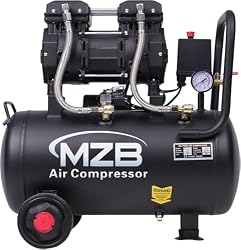
6. MZB Ultra Quiet Air Compressor 1.5HP 6.4
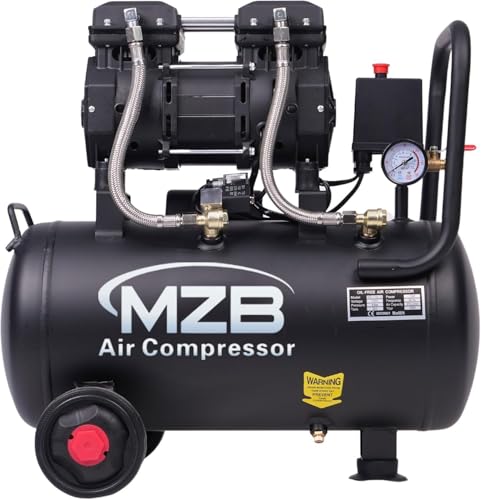
The MZB Ultra Quiet Air is a compact, oil-free compressor with a 6.4 gallon steel tank and a 1.5HP motor running on 110V at 60Hz. It produces 7.41 CFM at a working pressure of 115 PSI, with a maximum of 115 PSI. The matte black unit measures 22 inches long, 22 inches high and 10 inches wide, so it fits into tight corners of a shop or garage.
Speed is one of its strongest points. MZB says the tank fills in just 60 seconds, which means less standing around waiting between jobs. The motor spins at 2880r/min, and the combination of that speed and the 6.4 gallon steel tank gives you a steady supply of stored air for tools that draw heavily.
Noise is kept down to 70 decibels, helped by two professional silencers and thickened housing. That is not whisper quiet, but it is low enough to work alongside in a home garage without shouting. The oil-free motor avoids oil contamination in the air line, which matters when you are spraying paint or working on delicate auto repair tasks.
MZB has built the casing with a three layer protective structure, including an anti rust and wear resistant layer, a plastic powder adhesion layer and a Q235B structural layer. Maintenance is kept simple by design, with an easy to understand layout that reduces downtime and running costs. The compact body and wheels make it easy to carry around between jobs.
The application list covers automobile repair shops, woodworking studios and painting workshops, along with staple guns, brad nail guns, roofing nail guns and framing nail guns. For spray painting and auto repair, the 7.41 CFM output and 115 PSI ceiling are the numbers to check against your gun or tool. This suits someone who wants a portable, quiet compressor that refills fast and does not take up much room.
7. VEVOR Air Compressor 15 Gallon Steel Tank
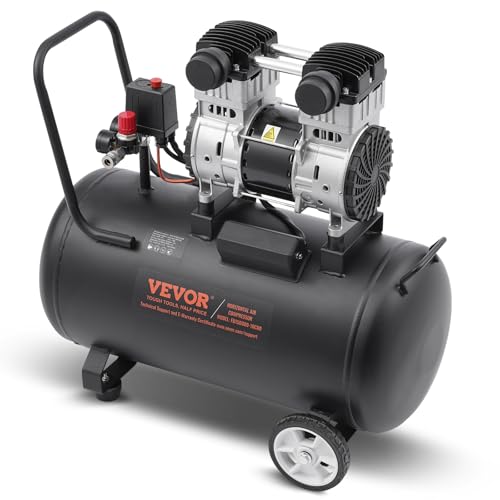
The VEVOR Air Compressor is a 15 gallon steel tank unit built around a 1.32KW oil-free motor. That motor runs up to 1680 r/min and delivers 5.3 CFM at 90 PSI, with a maximum pressure of 125 PSI. It is sized to support pneumatic tools such as nail guns, impact wrenches, spray guns and pneumatic screwdrivers.
For painting work, the oil-free design matters because you do not get oil carryover in the air line. The 15 gallon tank gives you a useful reserve so the motor is not running constantly during longer spray sessions. Tire inflation and general auto repair are also well within its range.
Noise is one of the headline points here. VEVOR rates this compressor at 78 dB, and each muffler uses a thickened cover, a rubber pipe and filter cotton. That setup also helps keep fine dust out of the intake, which is a practical touch in a dusty garage.
The tank and body are built with a three layer process: a rust and wear resistant layer, a plastic powder attachment layer and Q235B structural steel. Seamless welding and large bearing pressure construction add to the durability story. It is a heavy unit at 81.57 pounds, so plan a permanent spot rather than moving it often.
Safety features include a large cooling fan and automatic overheating protection. The compressor also shuts off automatically or relieves pressure when current or storage pressure gets too high. Those safeguards suit someone who wants a set-and-forget machine for weekend painting and repair tasks.
8. MZB Ultra Quiet Air Compressor Steel Tanks Oil-Free
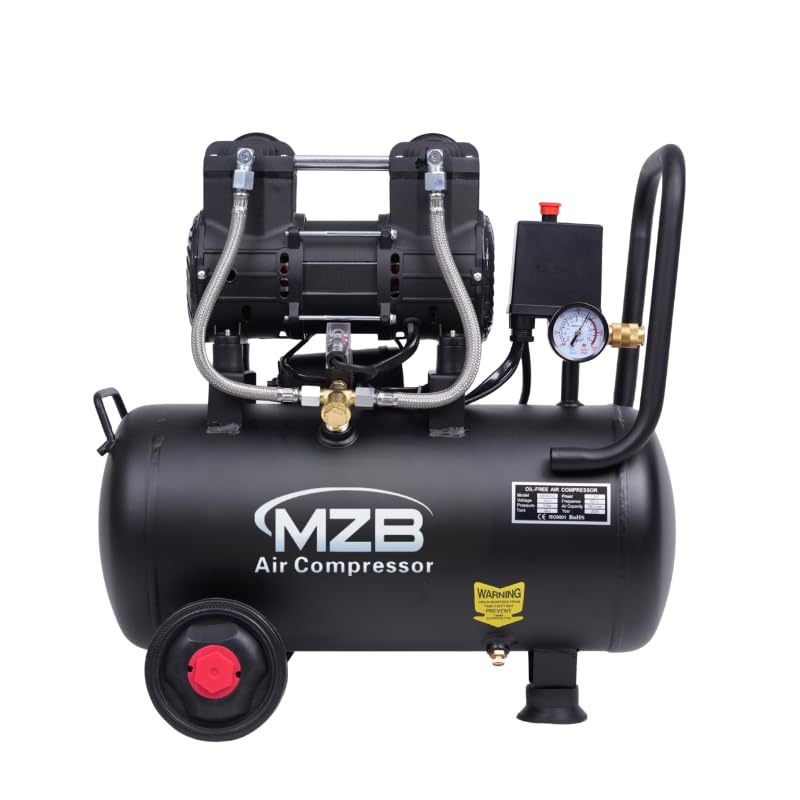
The MZB Ultra Quiet Air is a 6.4 gallon oil-free compressor running on 110V and 60Hz. It uses steel tanks and is built with wheels, so it can be rolled between jobs. MZB lists it for spray painting, auto repair and carpentry decoration.
Its recovery speed is a strong point. The tank fills in just 58 to 64 seconds, which keeps downtime short between tasks. Noise is rated at only 70 dB, helped by two professional silencers and thickened insulation.
Performance comes from a motor that spins at 2880 r/min. At 115 PSI working pressure, air delivery reaches 5.65 CFM. Combined with the 6.4 gallon steel tank, the 1.2HP output is described as stable for demanding air tools.
The oil-free motor avoids oil pollution in the air supply, which is welcome when you are spraying paint. The outer casing uses a three layer protective structure with an anti rust and wear resistant layer, a plastic powder adhesion layer and Q235B structural steel. That construction is aimed at long service in workshop conditions.
Maintenance is kept simple by design. The structure is easy to understand and daily upkeep is described as effortless, which cuts downtime and running costs. MZB also points to quality materials and careful manufacturing for a long service life.
Because it is compact and lightweight with wheels, it suits small auto body shops, woodworking studios and painting workshops. It handles staple guns, brad nailers, roofing nailers and framing nailers as well as spray guns. Anyone short on space but still needing reliable air for painting will find it a sensible fit.
9. Ultra Quiet Air Compressor Only 68dB 8

The Ultra Quiet Air Compressor is a compact oil-free unit built around a 1.75HP motor and an 8 gallon tank. It runs on standard 110V power at 60Hz and delivers 7.42CFM at 115PSI. The name gives away its party trick, since it operates at roughly 68dB.
That noise figure is the headline here. Most compressors in this class make you want ear protection, but this one is quiet enough for indoor environments such as workshops and garages. The oil-free pump also means no compressor oil to buy and no routine filter replacements to worry about.
Pressure stays consistent during use, which matters when you are laying down paint. The restart pressure of 0.5 MPa helps reduce interruptions with common pneumatic tools. A standard G1/4 air outlet, pressure gauge and condensate drain outlet make setup straightforward.
Safety features are well covered for a unit this size. There is a safety valve that opens at 0.88 MPa, or 128 PSI, plus overload protection and a cooling fan system. Those additions support stable operation during typical usage scenarios rather than just ticking a box.
Portability is handled by a compact body and an integrated handle, so carrying it around a garage is realistic. For spray painting and auto repair work, the clean oil-free air supply is a genuine advantage. Tire inflation and woodwork nailing are also within its remit.
It suits home users and hobbyists who need quiet, low-maintenance air for painting projects and general garage tasks. If your workspace shares walls with the house, the low noise is the reason to pick this one.
10. VEVOR 20-Gallon Air Compressor 2HP 4.5 SCFM
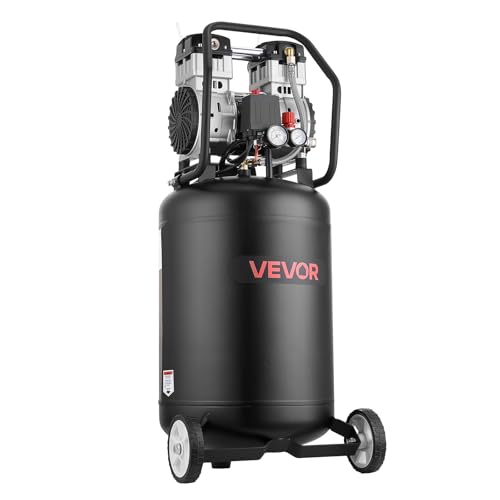
The VEVOR 20-Gallon Air Compressor is a wheeled, oil-free unit with a 2HP motor and a 20 gallon tank. It delivers 4.5 SCFM at 90PSI and reaches a maximum pressure of 125PSI. According to the manufacturer, it gets to max pressure in as fast as 3.7 minutes.
The tank is the standout feature for painting work. A 20 gallon reservoir means fewer motor cycles and steadier delivery at the gun. The 2.5 gallon style portability of smaller units is traded here for capacity, which is the right call for longer spray sessions.
Build quality is described in sturdy terms. The tank uses 2.75mm thick carbon steel with a powder-coated surface for pressure and corrosion resistance. That construction is intended to prevent gas leaks and hold up over long-term use.
Mobility is handled properly with two smooth-rolling wheels and a pull handle. You can move it around a garage, workshop or auto repair shop without lifting 90.83 pounds. The overall dimensions are 39.8 inches high, 18.5 inches long and 17.7 inches wide.
The oil-free motor delivers clean, pure and consistent compressed air, which is what you want under paint. It also reduces maintenance hassles compared with traditional oil pumps. VEVOR lists compatibility with air nail guns, sanders, spray guns, blow guns and tire inflators.
This one suits people with more floor space and bigger projects. Tire inflation, auto repairs, spray painting, woodworking nailing and light-duty DIY work all fall within its range. If you want tank capacity and wheeled mobility together, it is a sensible fit.
Our Testing Process: Why These Rankings Are Different
The goal here is simple. We want to look past marketing claims and focus on what actually matters when you are choosing an air compressor. Plenty of units sound impressive on paper but fall short where it counts.
Each product was evaluated on specifications, materials and build quality, patterns in owner feedback, brand reputation and overall value. We paid closest attention to the factors that affect real painting work, such as consistent output and durable construction. The VEVOR 13-Gallon Air Compressor and the Klutch 20-Gallon Air Compressor are good examples of models that stood out once those priorities were applied.
We compared units across a wide price range, from budget-friendly options to more expensive models. A higher price does not always mean a better result, and some costlier compressors offered little that justified the extra spend. Value was judged by what each unit delivers for its price, not by the number on the tag.
The aim is trustworthy, data-driven guidance you can rely on. This is research and evaluation, not hands-on testing, and we have been careful not to dress it up as anything more. Every ranking reflects the evidence available, so you can compare options with confidence.
Complete Buyer’s Guide: How to Choose Air Compressor for Auto Painting
Understanding What Auto Painting Demands from a Compressor
Spray guns are hungry tools. A typical paint gun needs a steady supply of clean, dry air at a consistent pressure, and any drop in that supply shows up as uneven coverage or dry spray on the panel. That is why CFM and tank size matter more here than raw horsepower. A compressor that keeps up with the gun without running flat out will give you a far smoother finish.
Key Specs to Check Before You Buy
Start with CFM at 40 PSI, because most spray guns run in that range and the compressor must match or exceed the gun’s demand. Tank capacity decides how long you can spray before the motor kicks in, so a larger tank smooths out the pulses. Look for a pressure regulator and a moisture filter too, since water in the line ruins paint.
Models like the VEVOR 20-Gallon Air Compressor and Klutch 20-Gallon Air Compressor show the sort of tank size worth considering.
Types of Air Compressor Compared
Portable units with wheels suit small jobs and tight garages, while larger vertical tanks hold more air for full panels. Oil-free models are lighter and need less routine upkeep, but oil-lubricated pumps often run quieter and last longer under heavy use. Quiet designs such as the MZB Ultra Quiet Air and ECOMAX Air Compressor 150 appeal to home users who do not want a roaring motor next to the house.
How to Set Up and Use It for Painting
Mount a moisture trap as close to the gun as you can, and drain the tank before every session. Set the regulator to the pressure your paint datasheet recommends, then test the pattern on scrap panel first. Keep the hose short and wide where possible, since a long narrow hose steals pressure and makes the gun starve.
What to Avoid
Do not buy on horsepower alone. A big motor with a small tank and low CFM will still struggle to feed a spray gun. Avoid skipping the water separator, because condensation is the most common cause of ruined paint jobs. Also steer clear of compressors rated only at 90 PSI if your gun runs at 40, since the lower-pressure figure is the one that counts.
Matching a Compressor to Your Workshop
A touch-up job on a bumper needs far less air than a full respray, so match the machine to the work. For occasional panels, a 13 to 15 gallon unit such as the VEVOR 13-Gallon Air Compressor or RyanTek 15-Gallon Air Compressor can be enough. For larger projects, step up to a 20 gallon model like the VEVOR 2 HP Air or VEVOR Air Compressor.
When to Expect Results and How to Maintain It
You will see a clean, even finish once pressure stays steady through a full panel, which usually means the compressor is keeping pace with the gun. Drain the tank after each use, check the air filter, and change the oil on lubricated pumps as the manual advises. Replacing the moisture trap element regularly keeps water out of the line and protects your finish over time.
Best Air Compressor for Auto Painting FAQs
Are There Any Air Compressor for Auto Painting Problems I Should Watch For?
Water in the line is the most common problem, because it causes fish eyes and dull patches in the finish. Fit a moisture filter and drain the tank daily. Pressure drop is another frequent issue, since long or narrow hoses starve the gun.
Use a short, large diameter hose and check fittings for leaks with soapy water. Oil carryover from worn compressors spoils paint too, so use an oil and water separator if your unit is oil lubricated. Listen for the pump cycling more than usual, which hints at a leak or a tired motor.
Pulsing from a small tank shows up as uneven coats, so size the compressor to the gun’s CFM rating. Watch for spitting or a blotchy pattern at the gun, which usually means moisture or oil is getting through.
Are There Any Air Compressor for Auto Painting Tips for Beginners?
Start with a clean, dry air supply, because moisture and oil in the line will ruin a paint job. Fit a filter and regulator close to the gun so you can control what reaches it. Drain the tank before every session, since water collects there and gets pushed downstream.
Set pressure with the gun trigger pulled, because static pressure reads higher than pressure while air is flowing. Keep the gun about 6 to 8 inches from the panel and move at a steady speed. Thin coats beat heavy ones, and a tack cloth between coats removes dust.
Practice on scrap panels before touching the car, so you learn the gun’s speed and pattern. Clean the gun right after use, because dried paint clogs nozzles fast and causes spitting.
Can I Use an Air Compressor for Auto Painting with a Small Tank?
Yes, but expect limits, because a small tank drains quickly under a spray gun’s demand and the motor runs almost constantly. That causes pressure swings and uneven coats. You can work around it by spraying one panel at a time and pausing to let the tank recover.
A gun with lower CFM requirements helps too, since it asks less of the pump. Keep the hose short to reduce pressure loss, and check that fittings are tight. For spot repairs and small parts, a small tank is fine.
For full panels or a whole car, it will slow you down and hurt finish quality. Watch for the motor running nonstop or pressure fading mid-coat, both signs you are asking too much. Rent or borrow a larger unit for big jobs rather than fighting the equipment.
How Do I Clean and Store an Air Compressor for Auto Painting After a Job?
Release the pressure and drain the tank at the end of every session, opening the drain valve until the water stops. Leave the valve slightly open during storage to let moisture escape. Blow out the hose and clean the filter bowl so residue does not harden inside.
Store the unit in a dry place, not a damp corner, because moisture rusts the tank from the inside. Keep the intake filter clean so the pump does not pull in dust. For oil lubricated models, check the oil level before the next use.
Follow the maker’s schedule for oil changes, since skipping them shortens pump life. A covered, level storage spot protects the pump and keeps the tank from rusting. Before the next job, inspect the drain valve and fittings so nothing has seized or leaked over time.
Is It Better to Use a Small or Large Air Compressor for Auto Painting?
It depends on the job, because small compressors suit spot repairs, trim and small parts, while large compressors handle full panels and whole car work without pressure drop. A large tank and higher CFM give steadier atomization and a smoother finish. That matters most on big, flat panels where consistency shows.
Small units struggle to keep up and cycle constantly, which shortens motor life and causes uneven coats. If you spray often, a larger compressor pays off in finish quality and motor life. For occasional touch ups, a small unit is enough.
Match the CFM rating to your gun and you will avoid most problems. Check the gun’s spec at your working pressure, not just the tank size, since stored air only delays the inevitable. If you plan to grow into bigger jobs, buy more compressor than you need today.
Should I Use an Oil Free or Oil Lubricated Air Compressor for Auto Painting?
Oil lubricated compressors generally last longer and run quieter under spray duty, so they suit frequent auto painting work. Keep up with oil changes to protect the pump. Watch the oil level regularly, because a worn unit can pass oil into the line and spoil paint.
Oil free units need less maintenance and are lighter to move. The trade off is more noise and a shorter service life when run hard. They can still work for occasional jobs, especially with a good filter setup.
Either type needs clean, dry air at the gun, so add a filter and separator regardless of which you choose. Oil free models avoid oil carryover risk, but worn oil units can pass oil into the line. Listen for changes in sound and check the filter bowl for residue.
What Are the Best Air Compressors for Auto Painting?
Look for a two stage or high quality single stage compressor with a real CFM rating at 40 PSI. Cast iron pumps and oil lubrication last longer under continuous spray duty. Avoid direct drive units built for nail guns.
Tank size of 30 gallons or more keeps pressure steady between motor cycles. A built in regulator and a good water trap matter as much as the pump. Check that the motor can run on your workshop’s power supply.
Brands known for shop compressors generally offer better service and parts support than budget imports. Compare CFM at your gun’s pressure, not horsepower claims. A quieter unit is worth considering if you spray indoors.
What Size Air Compressor Do I Need for Auto Painting?
Size comes down to airflow, not tank size alone. A typical spray gun for auto painting needs roughly 10 to 14 CFM at 30 to 45 PSI, so check the gun spec first. Match the compressor’s CFM at that pressure, not its peak rating.
Tank size affects how often the motor cycles. A 20 to 30 gallon tank is a practical minimum for panel work. Larger tanks give smoother, cooler air and fewer stops mid coat.
Buying a compressor with more CFM than you need leaves headroom for a second gun or a sander. Running a compressor at its limit shortens its life and can cause pressure drop mid spray.
Final Verdict
Getting a smooth, even finish on a car comes down to steady, clean air, and the compressor you pair with your gun matters more than most buyers expect. Based on our research and data analysis, the MZB Ultra Quiet Air suits home painters who need quiet garage work and neighbor-friendly running, since its low noise design keeps late sessions comfortable. The VEVOR 2 HP Air fits buyers who want strong sprayer output and tireless duty cycles for longer jobs.