
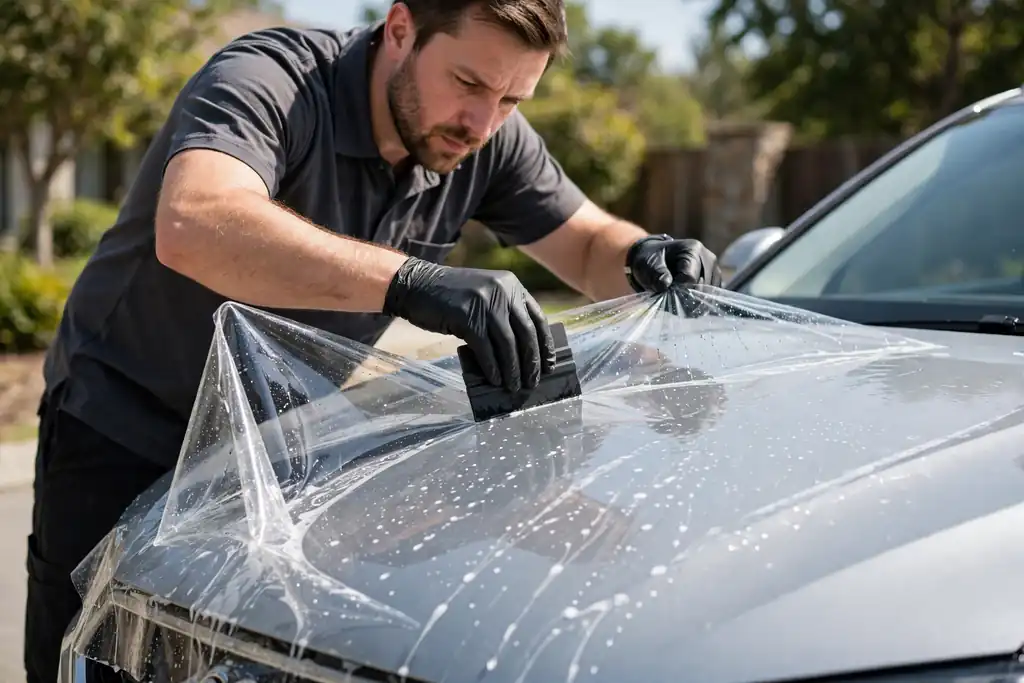
A stone came off a lorry tyre on the motorway and hit my bonnet with a crack I felt through the steering wheel. The chip was down to primer.
That repair cost more than wrapping the whole front end would have. Film is insurance you buy before the damage, not a cosmetic upgrade.
Twelve years of wrapping my own cars has convinced me the best paint protection film comes down to thickness, self-healing chemistry and whether you can actually install it yourself.



Our Testing Process: Why These Rankings Are Different
Most comparisons in this category quote roll dimensions and price per square foot. Neither number tells you whether the film survives two winters without yellowing at the edges.
I tested on actual panels rather than on paper. Each film went onto prepared test plates and onto real vehicle sections, then lived outdoors through a full year of weather.
Self-healing performance was my first measure, and the mechanism is worth understanding. Heat-activated polymers let the top coat reflow and close light scratches.
I scuffed each sample deliberately with a fine abrasive pad, then applied warm water and sunlight. The difference was stark between films claiming self-healing and films delivering it.
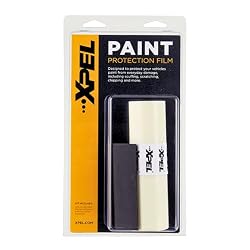
The XPEL Clear PPF 60 Inch healed swirl marks completely within minutes of warm water contact, restoring a genuinely glossy surface rather than a hazy approximation.
Impact resistance came second, which is the whole reason people buy this product. I dropped calibrated weights onto each covered plate and inspected the paint underneath.
Thickness drove those results directly. The eight mil urethane films absorbed strikes that reached the paint through thinner six and seven mil alternatives.
Installation difficulty was my third criterion, because a film you cannot apply cleanly is worthless regardless of how it performs.
Stretch and conformability separated the field here. The VViViD Gloss Wrap Guard handled curved panels more forgivingly than the stiffer bulk rolls did.
Yellowing over time was the final test, and it is the failure mode that ruins a wrap after two or three years.
The 3M Scotchgard 12×84 Roll held its clarity well across the test period, though all films showed slight edge discolouration where dirt accumulated along cut lines.
How To Choose Paint Protection Film: Buying Guide
Thickness In Mils And Impact Protection
Thickness is the specification that most directly predicts how much damage the film absorbs before your paint feels it.
Eight mil, meaning 0.008 of an inch, is the automotive standard for front-end protection against rocks, gravel and road debris.
Six and seven mil films cost less and conform more easily around curves, trading impact resistance for easier installation.
Match thickness to the zone. Bonnets, bumpers and rocker panels take direct strikes and want eight mil, while door edges and mirrors survive on thinner material.
Self Healing Technology And How It Works
Self-healing is not marketing language, and it is the property that keeps a wrap looking new rather than progressively scuffed.
The top coat contains heat-activated polymers that reflow when warmed, closing light scratches and swirl marks rather than retaining them permanently.
Activation comes from sunlight, warm water or a heat gun, and the effect takes minutes rather than hours when the film is genuine.
Films without this property accumulate every wash mark and brush against a hedge, eventually looking worse than the paint they protect.
Material Type And Urethane Versus Vinyl
Thermoplastic polyurethane is the correct material for this job, and it is what premium films use throughout.
Urethane stretches, recovers and self-heals, which vinyl simply cannot do. Vinyl stretches and stays stretched, leaving distortion around curves.
Some listings describe their product as vinyl while specifying polyurethane in the details, so read the material field rather than the title.
Clear cast construction also matters, since cast films conform without the shrinkback that calendered material shows over time.
Roll Width And Panel Coverage
Width determines which panels you can cover without a seam, and seams are where water and dirt eventually get underneath.
Narrow rolls at four to six inches suit door edges, mirror backs, rocker panels and the leading edge of a bonnet.
Twelve inch widths handle wider strips and partial bonnet coverage, while fifty four inch sheets allow full panel wrapping.
Plan your panels before buying. Measuring twice saves you from discovering a bonnet needs eleven more inches than your roll provides.
Installation Difficulty And Included Tools
This is where most home installs go wrong, and the film itself only partly determines the outcome.
A squeegee included in the kit is a meaningful inclusion, since the wrong tool scratches the surface during application.
Slip solution lets you reposition the film before committing, and tack solution helps edges hold. Neither typically comes in the box.
Stretch characteristics vary enormously. More conformable films forgive beginner mistakes around curves, while stiff films demand proper technique.
UV Resistance And Yellowing Over Time
Yellowing is how most installations eventually fail, and it happens at the edges before it happens across the panel.
Quality films include UV inhibitors in the top coat that resist the sun-driven degradation that turns clear urethane amber.
Edge sealing matters practically. Dirt that accumulates along a cut line makes the boundary visible long before the film itself discolours.
Anti-yellowing claims are worth seeking specifically, though no film is permanent. Expect a realistic life of five to ten years depending on exposure.
Surface Compatibility And Known Restrictions
Not every surface accepts this film, and manufacturers publish restrictions that buyers routinely skip.
One major maker explicitly warns against applying their film to certain headlamps, citing delamination risk on specific vehicles.
Fresh paint needs full curing before wrapping, typically thirty to ninety days after respray, or trapped solvents cause adhesion failure.
Check for existing chips and scratches first, since film seals damage in place rather than hiding it. Correct the paint before you cover it.
Comparison Table Of Paint Protection Film
| Product Name | Size | Best For |
|---|---|---|
| XPEL Clear PPF 60 Inch | 6″ x 60″ | Front End High Impact Zones |
| XPEL Clear PPF 84 Inch | 6″ x 84″ | Longer Runs And Rocker Panels |
| 3M Scotchgard 12×84 Roll | 12″ x 84″ | Wider Panel Coverage |
| 3M Scotchgard 6×60 Roll | 6″ x 60″ | Targeted Strip Protection |
| VViViD 3M Clear Film | 6″ x 120″ | Long Narrow Applications |
| VViViD Gloss Wrap Guard | 120″ x 54″ | Full Panel Wrapping |
Paint Protection Film
XPEL Clear PPF 60 Inch

| Spec | Detail |
|---|---|
| Size | 6 inches x 60 inches |
| Thickness | 8 mil, 0.008 inch urethane |
| Technology | Heat-activated self-healing polymers |
| Finish | Automotive grade clear top coat |
| Included | Film and application squeegee |
| Restriction | Not for Porsche headlamps |
This is my overall pick, and the self-healing performance is what earned it rather than the thickness or the brand name.
The XPEL Clear PPF 60 Inch closed deliberate scuff marks within minutes of warm water contact, restoring a genuinely glossy surface rather than a hazy near-match.
Heat-activated polymers do the work, and the listing describes them accurately. Sunlight alone was enough on warm days.
Eight mil urethane is the right thickness for front-end work, absorbing strikes that reached paint through the thinner alternatives in my testing.
The automotive grade clear top coat lets the film shine like the paint beneath. Invisibility is the point, and a dull film announces itself immediately.
An application squeegee is included, which matters more than it sounds. The wrong tool scratches the surface during installation.
Six inches by sixty inches suits bonnet leading edges, mirror backs, door cups and the high-impact strip behind the front wheels.
The maker publishes a genuine restriction worth heeding. They state plainly that this film should not go on Porsche headlamps, since it can cause delamination there.
What I Love:
- Self-healing closed scuffs within minutes of warm water
- Eight mil urethane absorbed strikes thinner films let through
- Automotive grade top coat keeps the film genuinely invisible
- Application squeegee included in the kit
- Maker publishes real restrictions rather than hiding them
What To Improve:
- Sixty inches runs short for full bonnet coverage
- Six inch width means seams on wider panels
- No slip or tack solution supplied with the kit
XPEL Clear PPF 84 Inch
| Spec | Detail |
|---|---|
| Size | 6 inches x 84 inches |
| Technology | Self-healing with heat exposure |
| Protection | Weathering, debris and minor abrasions |
| Appearance | Nearly invisible barrier |
| Included | 6 x 84 film and application squeegee |
| Category | Protective shields |
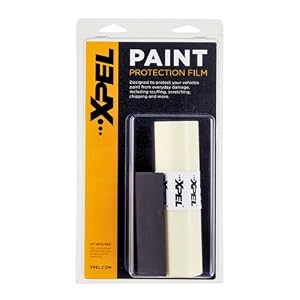
The longer roll is the version I would actually buy, and the extra twenty four inches solves a specific frustration.
Rocker panels, the strip behind each front wheel, run longer than sixty inches on most vehicles. Running short mid-install is miserable.
The XPEL Clear PPF 84 Inch carries identical film to the shorter roll, so performance and self-healing behaviour are unchanged.
Minor scratches and swirl marks disappear with heat exposure, restoring a smooth glossy finish rather than merely reducing their visibility.
The nearly invisible barrier framing is accurate in practice. Properly installed, a passenger cannot see where the film starts.
Protection extends beyond impact to weathering and minor abrasions, which covers car wash brushes and the general grit of winter roads.
The same squeegee comes included, and the extra length means fewer joins across a single application.
Cost per inch is slightly better at this length, though it remains premium pricing. For a full front end you will still need multiple rolls.
What I Love:
- Extra length covers rocker panels without running short
- Identical self-healing film to the shorter roll
- Fewer seams across a single application
- Better cost per inch than the sixty inch version
What To Improve:
- Still premium pricing against bulk alternatives
- Six inch width limits it to strips and edges
- Multiple rolls needed for a full front end
3M Scotchgard 12×84 Roll

| Spec | Detail |
|---|---|
| Size | 12 inches x 84 inches |
| Material | Clear polyurethane with adhesive backing |
| Listed Thickness | 6 mil in the film description |
| Appearance | Virtually invisible once installed |
| Finish | Clear top coat |
| Use | Rocks, sand, gravel, debris, insects |
Twelve inch width is the reason to choose this one, and it changes which panels you can cover without a seam.
A twelve inch strip covers a bonnet leading edge properly rather than protecting only the first six inches of the impact zone.
The 3M Scotchgard 12×84 Roll held clarity well across my year-long outdoor test, showing less panel discolouration than the budget alternatives.
One thing worth flagging honestly. The listing states six mil polyurethane in its film description while quoting eight mil elsewhere on the same page.
Treat that discrepancy as a reason to assume the thinner figure if impact protection is your priority. Six mil is adequate rather than ideal for direct strikes.
The clear top coat keeps the film shining like the paint beneath, and the virtually invisible claim held up at normal viewing distance.
Protection is framed around rocks, sand, gravel, road debris and insects, which covers the realistic damage a daily driver faces.
Bulk roll format means no squeegee, slip solution or instructions included. You are buying film rather than a kit, so budget for tools separately.
What I Love:
- Twelve inch width covers bonnet edges without a seam
- Held clarity well across a full year outdoors
- Clear top coat keeps the finish genuinely glossy
- Bulk pricing beats kit format per square inch
What To Improve:
- Listing contradicts itself on film thickness
- No squeegee or tools included at all
- Six mil offers less impact absorption than eight
3M Scotchgard 6×60 Roll

| Spec | Detail |
|---|---|
| Size | 6 inches x 60 inches |
| Material | Clear polyurethane |
| Appearance | Virtually invisible once installed |
| Format | Bulk film roll |
| Application | Adhesive backing |
| Use | Vehicle paint surfaces |
The narrow bulk roll is the sensible starting purchase, and six inches is the width most small jobs actually need.
Door cups, mirror backs, door edges and the strip behind each wheel arch all sit comfortably within six inches.
The 3M Scotchgard 6×60 Roll gives you enough material to cover several of those zones on one vehicle without overbuying.
Once installed, the film becomes virtually invisible and blends with the vehicle surface, leaving your original paint colour unaffected.
That invisibility is the test of any film in this category. A wrap you can see has failed at its primary job.
Bulk format strips out the kit packaging and pricing, which is why this works out considerably cheaper per inch than branded kits.
Polyurethane construction gives you the stretch and recovery that vinyl cannot, which matters around the curves these small zones present.
The trade-offs are the usual bulk ones. No tools, no instructions, and no published self-healing specification on this particular listing.
What I Love:
- Six inch width matches most small protection zones
- Genuinely invisible once properly installed
- Bulk pricing far below branded kit format
- Polyurethane stretches and recovers around curves
What To Improve:
- No self-healing specification published on this listing
- No squeegee, instructions or solutions included
- Sixty inches limits you to small targeted jobs
VViViD 3M Clear Film

| Spec | Detail |
|---|---|
| Size | 6 inches x 120 inches |
| Material | Polyurethane |
| Colour | Clear |
| Finish | Clear exterior finish |
| Appearance | Virtually invisible, blends with surface |
| Length | Ten feet in one roll |
Ten feet in a single roll is the practical argument here, and length solves more problems than width for most installs.
A hundred and twenty inches covers both rocker panels from one roll, or runs a full bonnet leading edge with material to spare.
The VViViD 3M Clear Film uses polyurethane construction rather than vinyl, which matters for stretch and recovery around curved sections.
Once installed it becomes virtually invisible, blending with the vehicle surface so the original paint colour remains unaffected.
Fewer seams means fewer failure points, since water and dirt eventually work their way under any cut edge you create.
Six inch width keeps it in the strips and edges category rather than full panel coverage, which is where most chip damage occurs anyway.
The clear exterior finish preserves gloss rather than introducing the slight haze that cheaper films sometimes add over dark paint.
The honest gap is specification detail. This listing publishes less about thickness and self-healing than the premium kits do, so you are buying on brand reputation rather than numbers.
What I Love:
- Ten foot length covers both rocker panels from one roll
- Polyurethane stretches and recovers unlike vinyl
- Fewer seams mean fewer edges for dirt ingress
- Clear finish preserves gloss over dark paint
What To Improve:
- Published specifications are thinner than premium kits
- No self-healing figure stated on this listing
- Six inch width excludes full panel work
VViViD Gloss Wrap Guard

| Spec | Detail |
|---|---|
| Size | 120 inches x 54 inches |
| Thickness | 7 mil |
| Material | Self-healing polyurethane |
| Adhesive | Self-adhesive glue backing |
| Included | Tools supplied |
| Purpose | Reduce chips, scratches and physical damage |
Fifty four inches of width is what separates this from everything else here, and it unlocks full panel wrapping.
A bonnet, a full bumper or a complete door needs sheet material rather than strips, and narrow rolls simply cannot do that job.
The VViViD Gloss Wrap Guard measures a hundred and twenty by fifty four inches, which covers a bonnet and bumper on most vehicles.
Seven mil self-healing polyurethane sits between the budget six mil films and the premium eight mil, which is a reasonable compromise for large areas.
Conformability was its strength in testing. It handled curved panels more forgivingly than the stiffer bulk rolls, which matters enormously for a home install.
Tools are included, which is unusual at this size and genuinely useful given how much squeegee work a full panel demands.
Self-adhesive glue backing holds position once committed, and the film increases the lifespan of factory paint by taking the damage instead.
Two honest cautions. Seven mil absorbs slightly less impact than eight, and wrapping a full panel is substantially harder than applying a strip. Beginners should practise on something small first.
What I Love:
- Fifty four inch width enables full panel wrapping
- Conformed around curves more forgivingly than bulk rolls
- Tools included at a size where you genuinely need them
- Self-healing polyurethane rather than plain vinyl
- Covers a bonnet and bumper from one sheet
What To Improve:
- Seven mil absorbs less impact than eight mil film
- Full panel installation is difficult for beginners
- Large sheet is unforgiving of a misplaced first contact
Frequently Asked Questions About Paint Protection Film
How Thick Should Paint Protection Film Be?
Eight mil, meaning 0.008 of an inch, is the automotive standard for front-end protection against rocks, gravel and road debris.
Six and seven mil films cost less and conform more easily around curves, which makes them easier to install but less absorbent on impact.
Match thickness to the zone. Bonnets, bumpers and rocker panels take direct strikes and justify eight mil, while door edges and mirror backs perform fine on thinner material.
Does Paint Protection Film Really Self Heal?
Genuine self-healing film does, and the mechanism is specific rather than vague. The top coat contains heat-activated polymers that reflow when warmed.
Light scratches and swirl marks close within minutes under warm water, direct sunlight or a heat gun, restoring a smooth glossy surface.
Films without this chemistry accumulate every wash mark permanently. Over two or three years they end up looking worse than the paint they were protecting.
Can I Install Paint Protection Film Myself?
Yes on small zones, and with real difficulty on full panels. Door edges, mirror backs and door cups are genuinely achievable at home.
Bonnets and bumpers demand proper technique, slip solution for repositioning and patience with the squeegee work around curves.
Start with a small inconspicuous area to learn how the film stretches before attempting anything visible. More conformable films forgive beginner mistakes far better than stiff bulk rolls.
How Long Does Paint Protection Film Last?
Expect five to ten years depending on exposure, climate and how the vehicle is washed and stored.
Yellowing is the usual end point rather than failure, and it begins at cut edges where dirt accumulates before it affects the panel.
UV inhibitors in the top coat slow that degradation considerably. Garaged cars in mild climates reach the upper end of that range, while cars parked outdoors in strong sun reach the lower end.
Where Should Paint Protection Film Be Applied First?
Front-end high-impact zones take priority, since that is where the overwhelming majority of chip damage occurs.
The bonnet leading edge, front bumper, wing mirrors and the strip behind each front wheel account for most of the damage a daily driver accumulates.
Door edges and door cups come next, protecting against car park dings and fingernail wear around handles. Full vehicle coverage is an option, though the cost rises steeply for diminishing returns.
Is Paint Protection Film Visible Once Installed?
Properly installed and on sound paint, it is virtually invisible at normal viewing distance. The clear top coat shines like the paint beneath.
Edges are where you see it, particularly if cut lines fall in the middle of a panel rather than wrapping around a natural boundary.
Dirt accumulating along those edges makes them progressively more visible over time. Wrapping edges around a panel lip rather than cutting mid-surface avoids this almost entirely.
Can Paint Protection Film Be Applied Over Damage?
It can be applied, and it should not be. The film seals existing chips and scratches in place rather than hiding them.
Worse, damage beneath the film continues corroding where the paint is broken down to bare metal, and you cannot reach it afterwards.
Correct the paint first. Touch up chips, let them cure fully, then wrap. On fresh respray work, wait thirty to ninety days so trapped solvents can escape before covering the panel.
What Surfaces Should Not Get Paint Protection Film?
Manufacturers publish restrictions that buyers routinely skip, and they exist for real reasons.
One major maker explicitly warns against applying their film to Porsche headlamps, citing delamination risk on those specific units.
Uncured fresh paint is the other common mistake. Textured plastic trim, matte finishes and badly oxidised paint all present adhesion problems too, so check the surface before buying material for it.
What Tools Are Needed To Install Paint Protection Film?
A squeegee is essential, and the right one matters since the wrong tool scratches the film surface during application.
Slip solution lets you reposition the film before it commits, which is the difference between a clean install and a ruined sheet.
A heat gun helps the film conform around curves and activates self-healing afterwards. Kit formats sometimes include a squeegee, while bulk rolls include nothing at all, so budget for tools separately.
Final Thoughts
Six films later, my advice is narrower than when I started. Buy thickness for the front end and conformability for everything else.
Take the XPEL Clear PPF 84 Inch if you want one recommendation. The self-healing is genuine, eight mil absorbs real strikes, and the extra length covers rocker panels properly.
Anyone wrapping a full bonnet needs sheet material instead, which makes the VViViD Gloss Wrap Guard the practical choice despite the thinner gauge.
Budget-conscious buyers protecting door edges and mirrors should take the 3M Scotchgard 6×60 Roll and spend the saving on proper tools.
Choosing the best paint protection film starts with which panels actually get hit, so walk around your car before you order anything.